

Marijuana revenue numbers still up years later
Colorado’s perceived “cash cow” of tax revenue is still going strong three years after adult recreational use of marijuana began, but members of Denver City Council were told to expect that revenue to likely level off in the years ahead.
Adam Orens, a founding partner of the Marijuana Policy Group, was one of three officials to brief the Council’s Special Issues Committee on the latest information regarding medical and recreational marijuana use since state voters approved constitutional amendments in 2000 and 2012, respectively.
Orens cited figures from a National Survey of Drug Use and Health and a survey by the Colorado Department of Public Health and Environment that focused on 2014 and 2015.
Demand increased from 130 total metric tons to nearly 149 total metric tons between 2014 and 2015, according to the national survey. Of those totals, the regulated – or legal – market increased its share from 59 percent to 74 percent, with a corresponding drop in the black and grey markets of 41 percent to 28 percent from 2014 to 2015.
“I think the data shows that if you make a product safer and more convenient to purchase, people will do so,” Orens said of the decline in marijuana bought on the black and “grey” markets.
Most of the state’s marijuana sales growth has occurred in recreational use, which went from 45 percent of state marijuana tax revenue in 2014 to 59 percent in 2015. Orens noted state officials expect final 2016 figures to reach $1.3 billion in revenue. State data showed 2015 retail marijuana sales tax revenue lagged only cigarette sales, grain farming, gambling, oil and natural gas drilling and coal mining.
“That’s an enormous increase in marijuana tax revenue and we believe you’ll see it become more important than the revenue the state gets from gambling, alcohol and cigarette taxes (so-called sin taxes) in the near future,” Orens said.
For every $1 in marijuana sales tax revenue, there is a retail multiplier effect of $2.40, Orens added, for a total sales revenue impact of $2.39 billion in 2014. The $2.40 multiplier effect was second only to the federal government’s $2.42, his figures showed. Marijuana manufacturing, at $2.34, was third and marijuana cultivation’s $2.13 rate was fifth.
Around 20 percent of marijuana users drove close to 80 percent of the market sales, and tourists accounted for just 9 percent of users, but the survey did not include sales to tourists, Orens said.
For all its sales tax revenue, though, the legal marijuana industry created 12,591 direct jobs in 2015, and a total of 18,005 statewide when indirect jobs were added.
The surveys also found that marijuana users “either do it a little or do it a lot,” Orens said. Approximately 900,000 people in Colorado reported using marijuana sometime during 2014 and in the past month of that year when surveyed.
Of nearly 569,000 monthly consumers, more than 188,000 said they used marijuana between 26 and 31 days a month. More than 200,000 said they used it just one to five days a month.
Perceptions change risk, use as price drops
A Behavioral Rick Factor Surveillance System survey in 2014 described a typical daily marijuana user as a white man under 34 years of age, with an annual household income under $25,000 and some college education.
Youth use among those 12-17 years old in Colorado increased from 7.6 percent in 2006 to 12.6 percent in 2014, according to the national survey. Oren said that was likely due to the perception of great risk for using marijuana once a month among that age group had declined from 30 percent to 17 percent among that age group in the same period.
“I think the perception of the risk of using marijuana is going down because more states are legalizing it, too,” Orens added.
The average price of marijuana purchased from a regulated source in flower form had dropped from $14.82 a gram in 2014 to $9.98 a gram at the end of 2015, Orens’ figures showed.
“We expect the unregulated market to continue to decline as wholesale and retail prices in the regulated market go down. I think you’ll have a very difficult argument for someone to stay in the black market with its unregulated supply and quality issues you have there.”
However, the expected drop in the price of medical marijuana had not been nearly as sharp since adult recreational use began, Orens said. In fact, the share of medical marijuana concentrated edibles has risen, and Orens attributed that to the “most user-friendly delivery system.”
While there had been a “very, very sharp” growth in the regulated market from the black market in Colorado through 2014, Orens predicted that rate will plateau as more states legalize marijuana and Colorado’s population growth stabilizes.
Colorado started its legal marijuana tax rate lower than other states that have legalized it, which Orens called a smart move to garner more users from the black market. States that started with higher tax rates have not seen as large a drop in black market users as Colorado.
However, with California and Massachusetts set to begin legalized recreational marijuana use in coming years, and others that have already followed Colorado’s lead, Orens said Colorado’s sales and tax revenue rates are projected to level off.
City Councilwoman Kendra Black agreed.
“There is something like two times more binge drinkers than once a month marijuana users,” she said. “But Colorado has one of the lowest alcohol tax rates in the nation. And I can see a time soon when this won’t be such a huge cash cow.”


Democrat Shannon Bird to step down from Colorado legislature to campaign full-time for Congress
Ernest Luning
ernest.luning@coloradopolitics.com
Updated 9 hours ago
State Rep. Shannon Bird, a Westminster Democrat, said Sunday that she plans to resign from the Colorado legislature next month in order to focus on running for the 8th Congressional District seat held by Republican U.S. Rep. Gabe Evans. Bird...

Trump administration seeks to roll back protections for imperiled species | OUT WEST ROUNDUP
The Associated Press
the-associated-press@coloradopolitics.com
Updated 4 days ago
MONTANA Endangered species rollback sought BILLINGS — President Donald Trump’s administration moved on Nov. 19 to roll back protections for imperiled species and the places they live, reviving a suite of changes to Endangered Species Act regulations from the Republican’s...
Clash of the titans: Democratic race for governor pits two candidates similar in focus, but very different in style | Vince Bzdek
Vince Bzdek
vince.bzdek@gazette.com
Updated 19 hours ago
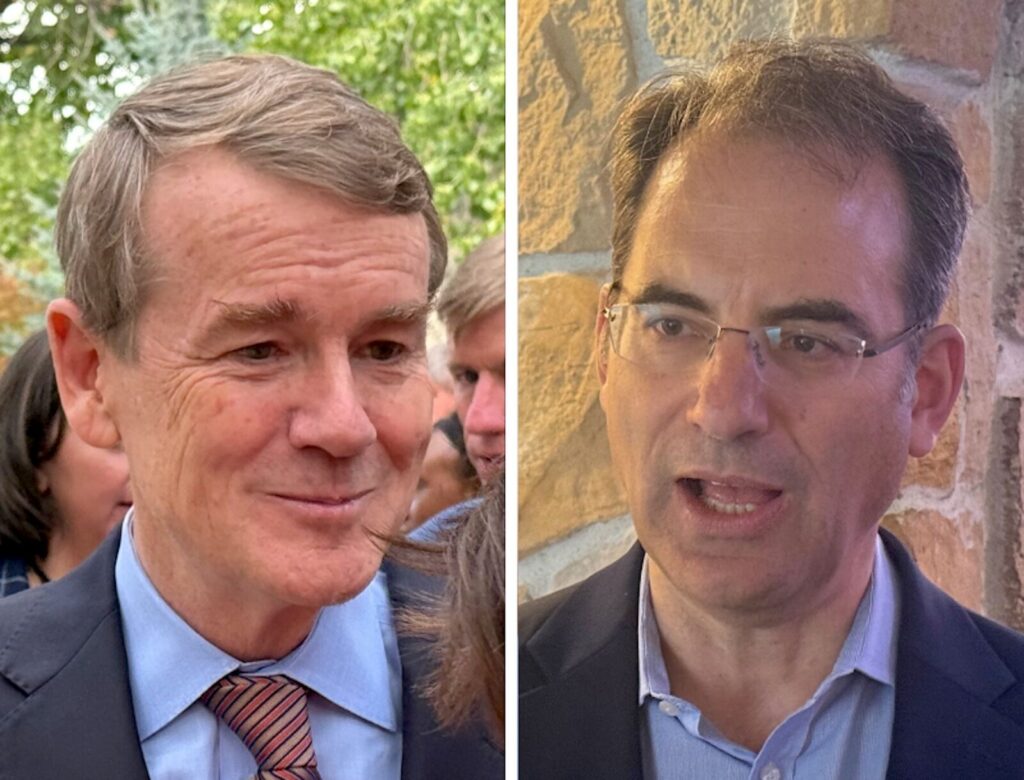
By Vince Bzdek The race for governor is shaping up to be a clash of Democratic titans, U.S. Sen. Michael Bennet and Attorney General Phil Weiser. They are two of Colorado’s highest profile politicians with deep track records who...

Calendar Dec. 8-14
Rachael Wright
rachael.wright@coloradopolitics.com
Updated 5 days ago
CoPo’s weekly political calendar will help you find political and public-policy events throughout Colorado. It includes candidate and issue campaign events, public policy meetings, court hearings, state and local party conventions, assemblies, debates, rallies, parades, speaking engagements, traveling dignitary appearances,...
GOP chair candidates circle Benson, statehouse candidate alleges SOS voter fraud | A LOOK BACK
Rachael Wright
rachael.wright@coloradopolitics.com
Updated 5 days ago
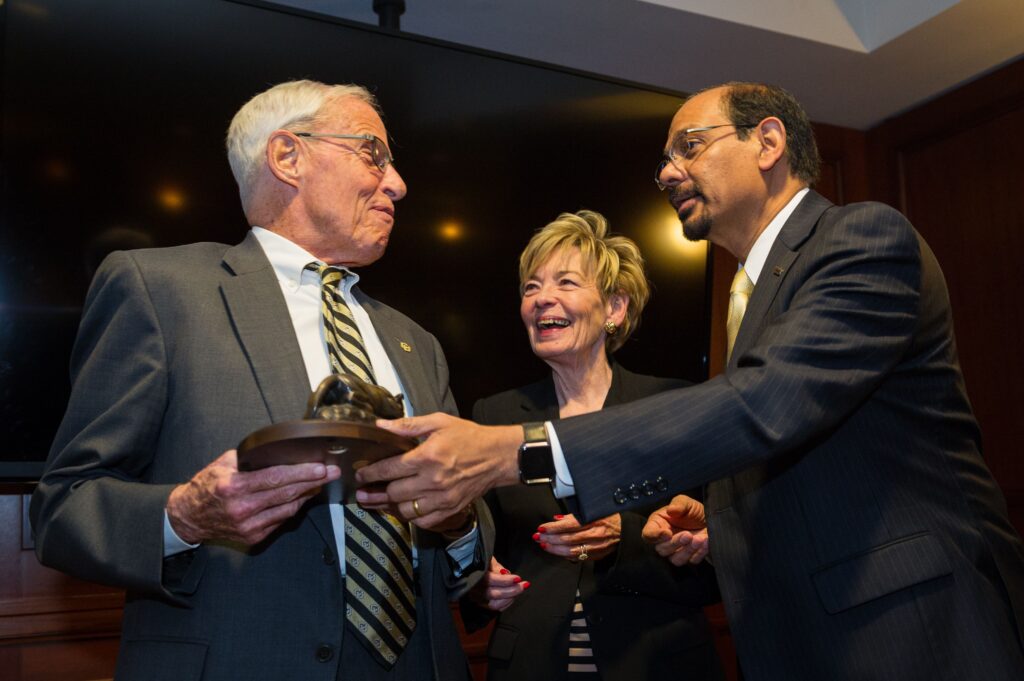
Thirty-Five Years Ago This Week: Although Colorado Republican Party Chairman Bruce Benson had told one of his predecessors that he hadn’t yet made up his mind as to whether he’d run for a third term, party insiders had already begun...
Dear Abby: A better answer to your question | SONDERMANN
Eric Sondermann
eric-sondermann@coloradopolitics.com
Updated 3 days ago
It was the beginning of October. I had been invited to speak to a class on political journalism at Colorado College, my old alma mater. The class was taught by none other than Vince Bzdek, the editor-in-chief of this paper...

Federal judge declines to order Denver to let police critic apply for review board
Michael Karlik
michael.karlik@coloradopolitics.com
Updated 16 hours ago
A federal judge declined on Friday to order that Denver permit a longtime police critic to apply to join the board tasked with reviewing officers’ use of force. Regan Benson sought to become one of the two community members on...
Flags lowered, colors raised: Colorado leaders and friends celebrate Sen. Faith Winter’s life
Marianne Goodland
marianne.goodland@coloradopolitics.com
Updated 2 days ago
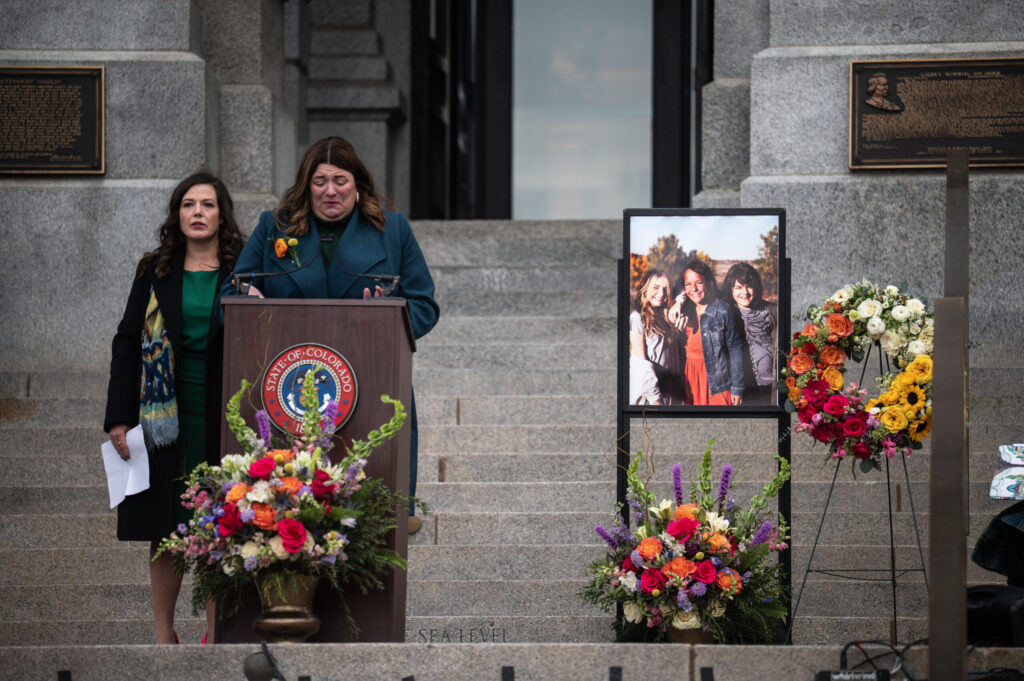
It was the colors that stood out as hundreds braved the cold on Friday to celebrate the life of Sen. Faith Winter, who died in a two-car crash on Nov. 26. Flags at the state Capitol flew at half-staff at...
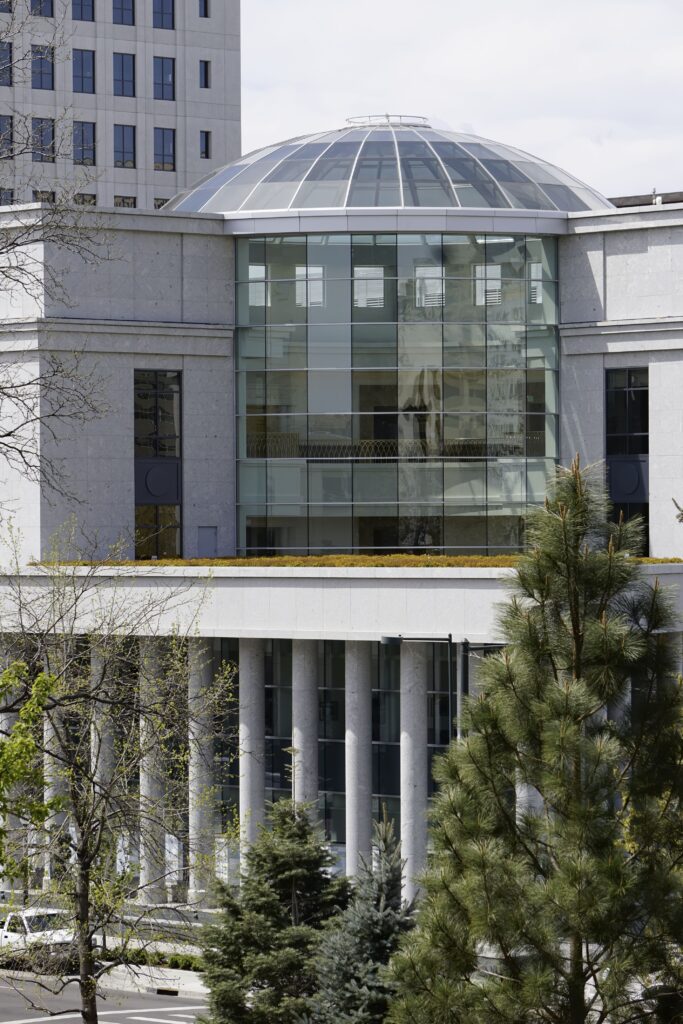
Colorado Supreme Court to hear case on ballot measure disclosure requirements
Marissa Ventrelli
marissa.ventrelli@coloradopolitics.com
Updated 2 days ago
The Colorado Supreme Court has agreed to hear a case challenging whether the state can require ballot measure committees to disclose the names of their registered agents in election communications. The case stems from a complaint filed during the 2020...
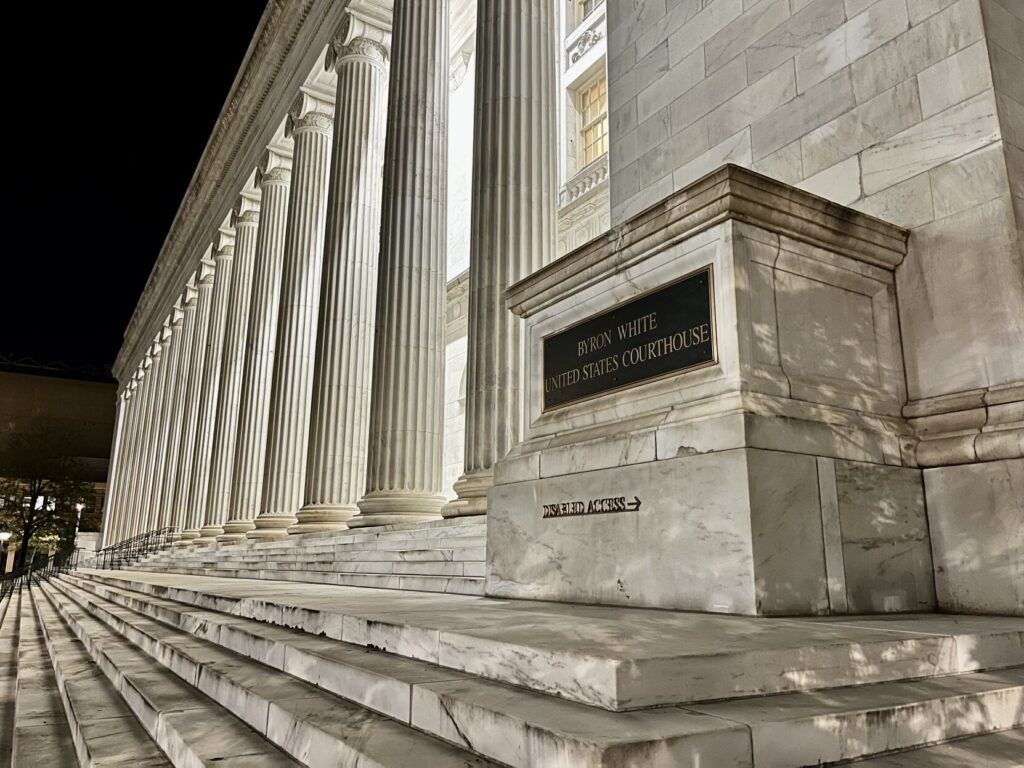
Divided 10th Circuit orders pretrial release of defendant facing drug charges
Michael Karlik
michael.karlik@coloradopolitics.com
Updated 2 days ago
The Denver-based federal appeals court overturned a judge’s order keeping a defendant in custody pending trial on Friday, ruling 2-1 that she was entitled to release under the law. Erika Esmeralda Garcia stands accused of two charges related to the...