

Insights: Even if House GOP’s bills die, can bipartisanship live on?
Last week, in my inaugural column for ColoradoPolitics.com, I stressed optimism that the legislature could work in a bipartisan fashion to accomplish critical work for the people of Colorado.
Hope springs eternal but optimism dies young.
According to House Republicans, bipartisanship is dead because partisan bills were sent to a “kill committee” used by ruling Democrats to end policy proposals unfavorable to the majority caucus.
That committee of reference is the State, Veterans and Military Affairs Committee, which is stacked this year with six Democrats and only three Republicans.
The bills include some usual suspects which had little chance of passing in the split legislature.
Legislation includes measures around the free exercise of religion, expanding gun rights and some tax breaks for businesses, to name a few.
House Republican Leader Patrick Neville of Castle Rock on Tuesday – less than a week after the legislative session kicked off – accused House Speaker Crisanta Duran of breaking her pledge of bipartisanship, which she highlighted in her opening day remarks.
“Speaker Duran is already at odds with her commitment to bipartisanship and inclusiveness when in just the first week of session she sends Republican bills that support the Second Amendment, provide religious freedom, increase government transparency, reduce burdens on businesses, help ranchers and farmers and better protect students, to her kill committee,” Neville said.
“I highlighted many of these issues in my opening day remarks because they are important to millions of Coloradans, and it’s very disappointing to see Speaker Duran begin this session so unwilling to work with Republicans.”
To be fair, each year the minority caucus cries foul over bills that are sent to kill committees in each chamber. So, there’s really nothing different about this year, and much of the work around transportation funding, construction defects reform and other priority issues won’t likely be derailed by the renewed accusations of partisanship.
I’m still optimistic that the legislature can succeed on these critical matters. But the accusations swirling just a week into the session don’t help.
When asked about it this week at a media availability, Duran shrugged off notions that the Democratic caucus won’t give all measures a fair chance.
“We’re working really hard to find common ground on a variety of different issues and the bills that went to State Affairs, they will get a fair hearing, and we will vet the policy that came forward,” Duran said.
“Every bill will get a fair hearing.”

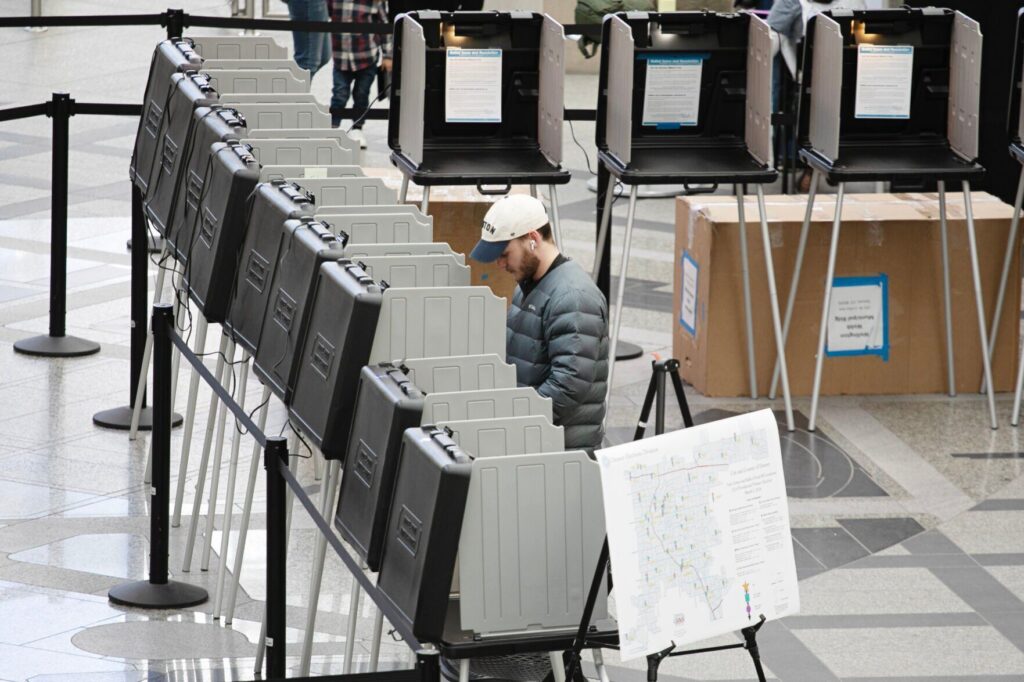
Federal judge upholds constitutionality of Colorado campaign contribution limits
Michael Karlik
michael.karlik@coloradopolitics.com
Updated 7 hours ago
A federal judge upheld Colorado’s individual campaign contribution limits as constitutional on Thursday, finding that three Republican plaintiffs failed to prove the campaign finance framework violates their First Amendment rights. U.S. District Court Senior Judge John L. Kane recognized that...

Appeals court rejects theory that existing tax revenue undermines need for new fees
Michael Karlik
michael.karlik@coloradopolitics.com
Updated 12 hours ago
Colorado’s second-highest court rejected a plaintiff’s claim on Thursday that the tax revenue generated by an existing activity should prevent local governments from imposing new fees aimed at regulating the activity. The question stemmed from Colorado’s unique constraints on taxation...
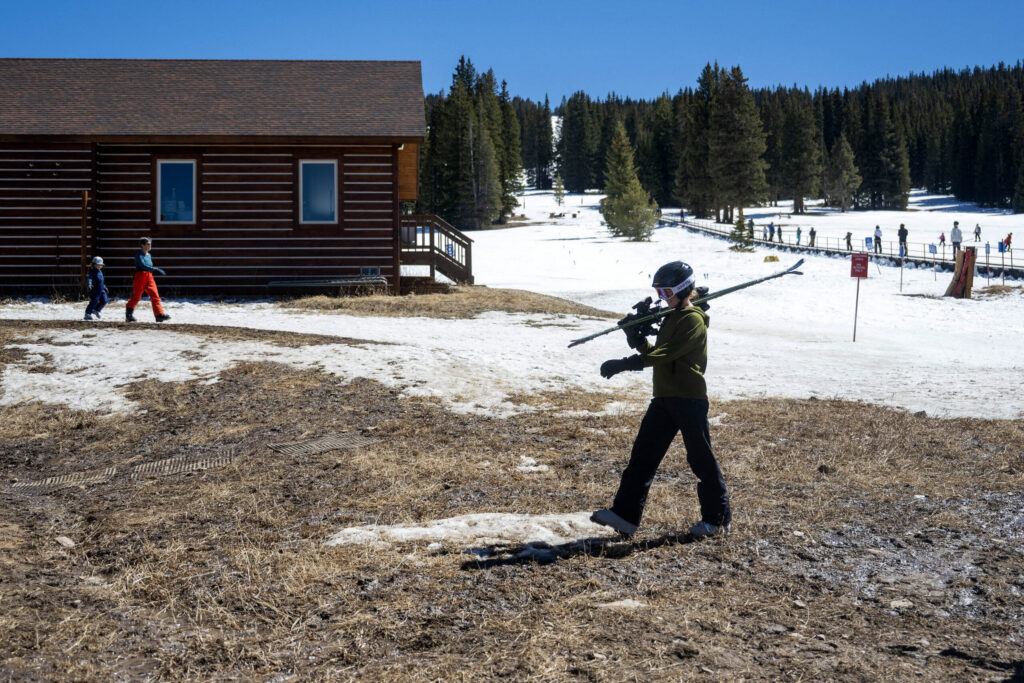
Colorado ski resorts announce early closures amid historic snowpack lows, high temperatures
Kyla Pearce
kyla.pearce@gazette.com
Updated 12 hours ago
As Colorado’s historically low snowpack year comes to a close and spring conditions take over the mountains, the state’s major ski resorts are announcing closing dates — some of which are weeks before historic closing dates. Most of Colorado’s ski...

Marco Rubio’s star power rises at CPAC 2026
Mabinty Quarshie and Samantha-Jo Roth, Washington Examiner
mabinty.quarshie.and.samantha-jo.roth.washington.examiner@gazetteedit.wpenginepowered.com
Updated 14 hours ago
GRAPEVINE, Texas — Secretary of State Marco Rubio’s popularity is growing and could possibly boost him to one of the top two spots in the 2028 GOP presidential race, if attendees at the Conservative Political Action Conference are to be believed. ...

Boulder police investigate sexual assault, ‘drugging’ at bar near CU
Matt Kyle
matt.kyle@denvergazette.com
Updated 16 hours ago
The Boulder Police Department is investigating reports of sexual assault and “suspected drugging” involving underage girls at a bar. There may be additional victims who have not yet come forward, the department said in a news release. The bar, Scrooge...
Appeals court finds no illegal sentence when defendants forfeit time-served credit
Michael Karlik
michael.karlik@coloradopolitics.com
Updated 17 hours ago
Colorado’s second-highest court ruled on Thursday that criminal defendants may agree to relinquish the credits they earned while incarcerated pending trial, despite a state law guaranteeing that such time “shall be deducted” from a person’s sentence. Kerry Ellis Endsley pleaded...
Appeals court reinstates Garfield County arson charge
Michael Karlik
michael.karlik@coloradopolitics.com
Updated 1 day ago
Colorado’s second-highest court reinstated a Garfield County defendant’s arson charge on Thursday, concluding a trial judge improperly credited a witness’s claim that she alone was responsible for starting the fire. A sheriff’s deputy responded to a brush fire near Parachute...

Democratic US Sen. John Hickenlooper qualifies for Colorado primary by petition, will skip assembly
Ernest Luning
ernest.luning@coloradopolitics.com
Updated 1 day ago
U.S. Sen. John Hickenlooper has qualified for Colorado’s Democratic primary after the first-term incumbent submitted enough valid petition signatures to make the ballot, state officials said. Hickenlooper is facing primary challenges from state Sen. Julie Gonzales, D-Denver, and university professor...
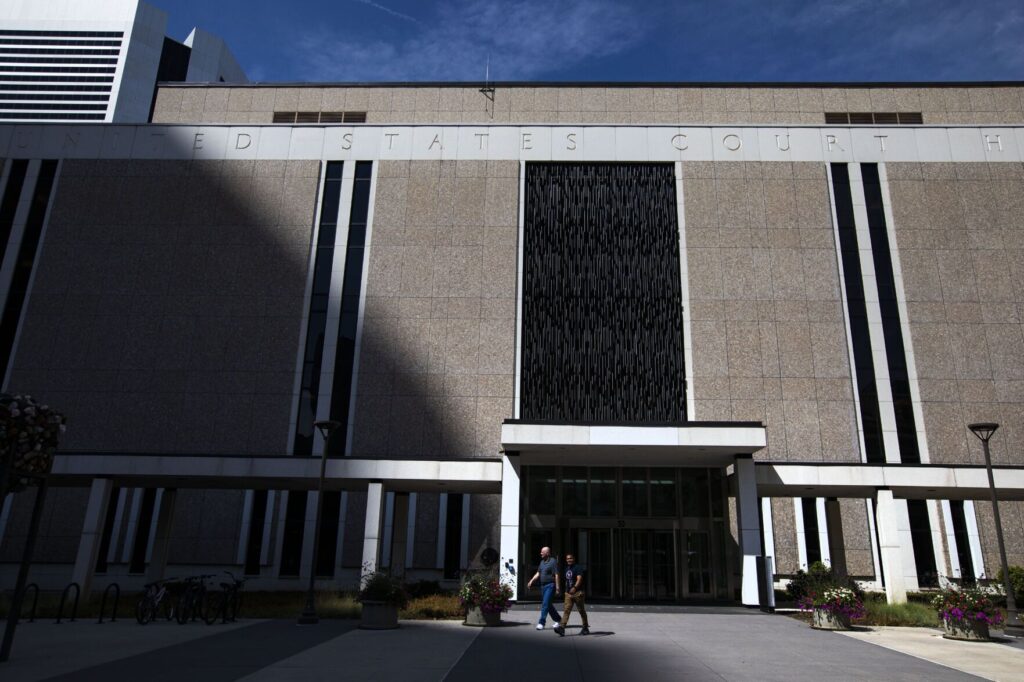
Federal judges rebuke ex-Colorado judicial discipline director for conduct in lawsuit
Michael Karlik
michael.karlik@coloradopolitics.com
Updated 2 days ago
A pair of federal judges expressed a desire on Thursday to break the logjam on a lawsuit by Colorado’s former judicial discipline director against the state Supreme Court and related entities, while simultaneously showing little tolerance for the plaintiff’s scorched-earth...
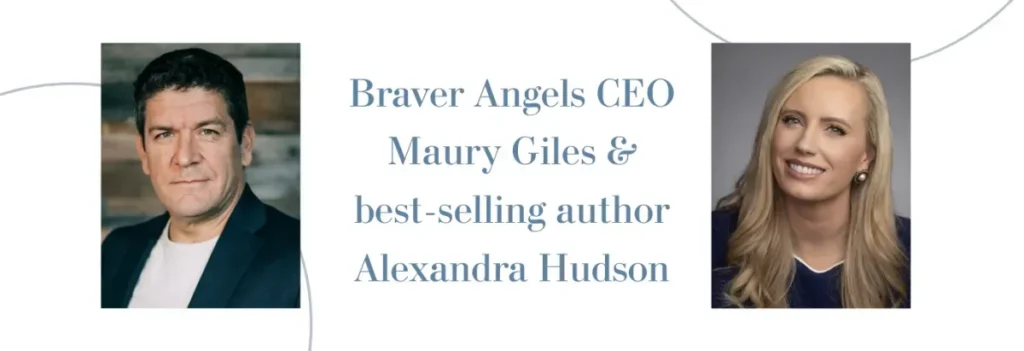
‘Civility in the City’ event with two national experts to be held Monday at UCCS
DEBBIE KELLEY
debbie-kelley@coloradopolitics.com
Updated 11 hours ago
Two notables working on the front lines of civic and cultural repair will discuss “Civility in the City” on Monday at the University of Colorado’s Colorado Springs campus. The event will feature Maury Giles, CEO of Braver Angels, and Alexandra...