

New select committee will help pilot energy policy in state Senate
Colorado Senate Republicans are forming a select legislative committee to discuss energy and environmental issues with some depth to educate the public and fellow legislators.
“It’s a big deal, because it’s some place to gather that information,” said Sen. Ray Scott, a Republican from Grand Junction, who leads the panel. “If you think about it, there’ s not a lot of people in that building who really understand the energy issues. They’re not in the energy industry. We all develop an opinion based on these different groups that come screaming to the Capitol saying the sky is falling. But let’s spend some time looking at the data, looking at the facts.”
Scott first spoke of the committee at an American Petroleum Industry lunch in Denver Tuesday.
Senate President-designee Kevin Grantham, a Republican from Cañon City, asked for the panel, which could hold public discussions on such issues as fracking, public lands, relations with the Trump administration or the governor’s clean-air proposals.
Scott is joined on the committee by Sens. John Cooke of Weld County and Kevin Priola of Adams County, the neighboring counties on the forefront of Colorado’s controversy on regulating oil and gas production near communities.
When Senate Democrats elected leaders after the election this month, they named Matt Jones of Louisville as their point man on issues related to renewable energy, conservation and climate change.
Senate Democratic leader Lucia Guzman of Denver said Tuesday she needs to hear more about the Republican committee’s work before supporting or condemning it. The Democrats’ position is clear, she said.
“One of our main agenda items for the coming year is movement toward the new economy with renewable energy, working on climate change and all that,” Guzman said. “I’m not sure what the Republicans have in mind when they’re setting up this committee.”
She said more partisan hearings won’t be productive. If Republicans pass legislation in the Senate, where they have a majority, they still must broker a compromise with the Democratic majority in the House.
“We know what the majority of people in Colorado want,” Guzman said. “They want to keep their public lands, they want to have clean air and most people in Colorado support action toward diminishing climate change.”
If the committee recommends legislation, it would be steered through normal channels, first to the Senate Agriculture, Natural Resources and Energy Committee, chaired by Sen. Jerry Sonnenberg of Sterling.
“There’s plenty of work to keep both committees extremely busy given the intense public interest these issues generate and the changing regulatory landscape we’re likely to see in the future,” Grantham said in a statement.
“The select committee will augment and enhance our ability to look at these issues in a broader way, and at greater depth. It’s also a reflection of the primary importance Senate Republicans place on these issues, which hold the key to Colorado’s economic and environmental well-being.”
Cooke said it is important to support Colorado’s energy industry, one of the state’s to economic drivers, while also protecting “natural places that make Colorado special.”
“Reliable and affordable energy are too important to Colorado’s energy consumers and business climate to not keep every option on the table, including coal, oil and gas, renewables and maybe even nuclear,” he said. “It’s time we put Colorado energy consumers first again, by adopting energy policies guided by practical reality, not extreme ideology.”

Colorado Politics Calendar Sept. 7-13
Rachael Wright, Special to Colorado Politics
rachael.wright@coloradopolitics.com
Updated 6 days ago
CoPo’s weekly political calendar will help you find political and public-policy events throughout Colorado. It includes candidate and issue campaign events, public policy meetings, court hearings, state and local party conventions, assemblies, debates, rallies, parades, speaking engagements, traveling dignitary appearances,...

Blue-collar support trends highlighted GOP gains among rank‑and‑file workers | A LOOK BACK
Rachael Wright, Special to Colorado Politics
rachael.wright@coloradopolitics.com
Updated 5 days ago
Forty-five years ago this week: Kathy Oatis of the Colorado AFL-CIO’s Committee on Political Education said that organized labor had a negative image with the American voter. “I don’t think the country is against us,” said Oatis. “I think the...
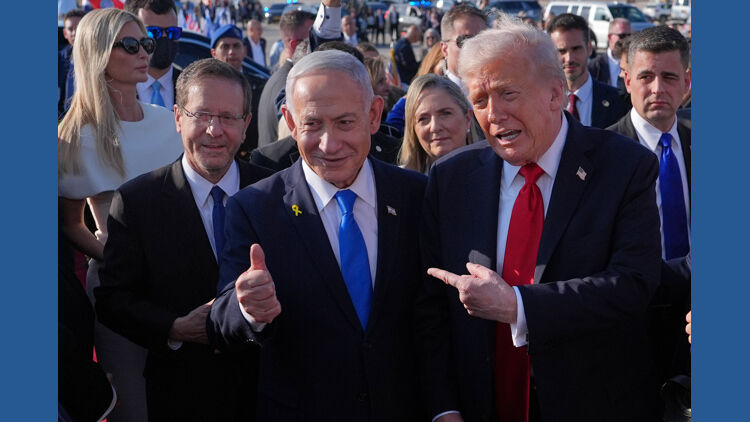
The dissonance of an American Jew thinking about Israel | SONDERMANN
Eric Sondermann
eric-sondermann@coloradopolitics.com
Updated 5 days ago
The Jewish High Holidays will soon be upon us. The third anniversary of Oct. 7 will then quickly follow. Three weeks later, Israeli voters will head to the polls to elect all 120 members of its parliament, the Knesset and...

Parenting from prison: Inmates hope to be present in their children’s lives, while physically absent
Marianne Goodland
marianne.goodland@coloradopolitics.com
Updated 7 hours ago
The room was decorated with balloons, the tables sparking bright with colors as the smell of pizza and cake wafted through the air. As did music. This was, after all, a father-daughter dance. Except this was not a typical father-daughter...
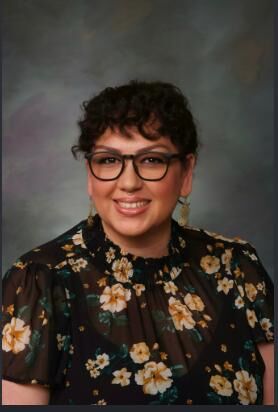
Colorado House ethics committee issues ‘stern letter’ to Democrat over caucus funds mismanagement
Marianne Goodland
marianne.goodland@coloradopolitics.com
Updated 2 days ago
The Colorado House ethics committee on Friday voted unanimously to issue a “stern letter” to Rep. Mandy Lindsay, D-Aurora, regarding her mismanagement of House Democratic caucus funds. The committee further voted to request that Lindsay resign as Democratic Caucus co-chair...
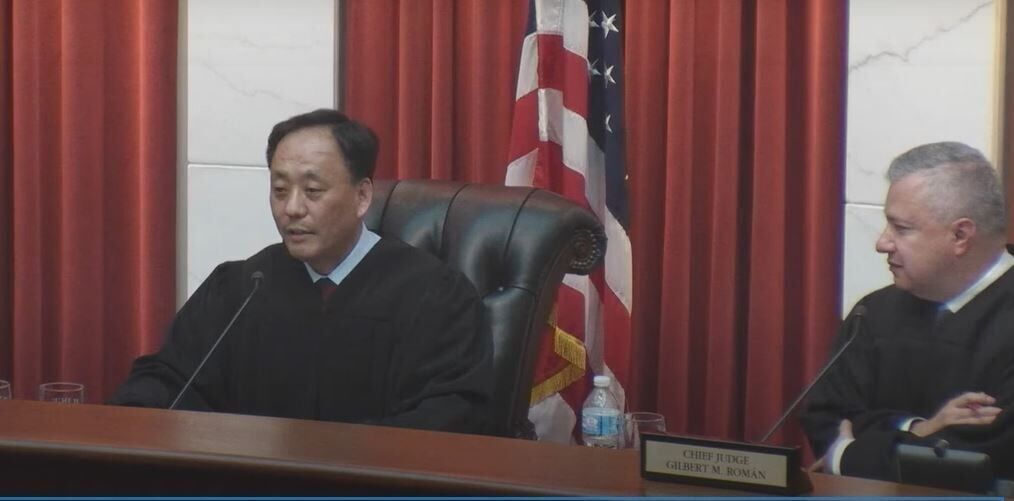
Appeals court confirms Colorado judges can compel electronic records from out of state
Michael Karlik
michael.karlik@coloradopolitics.com
Updated 2 days ago
Colorado’s second-highest court clarified on Thursday that judges are empowered to compel out-of-state companies to produce electronic records under state law. El Paso County jurors convicted Mischa Jargowsky on three counts of money laundering and one violation of Colorado’s organized...

Federal judge extends block on Trump executive order seeking to limit mail voting in the midterms
The Associated Press
the-associated-press@coloradopolitics.com
Updated 3 days ago
A federal judge on Friday extended her prohibition against the U.S. Postal Service implementing President Donald Trump’s executive order seeking to limit mail voting during the midterms, putting another major obstacle in the way of the administration as the first...
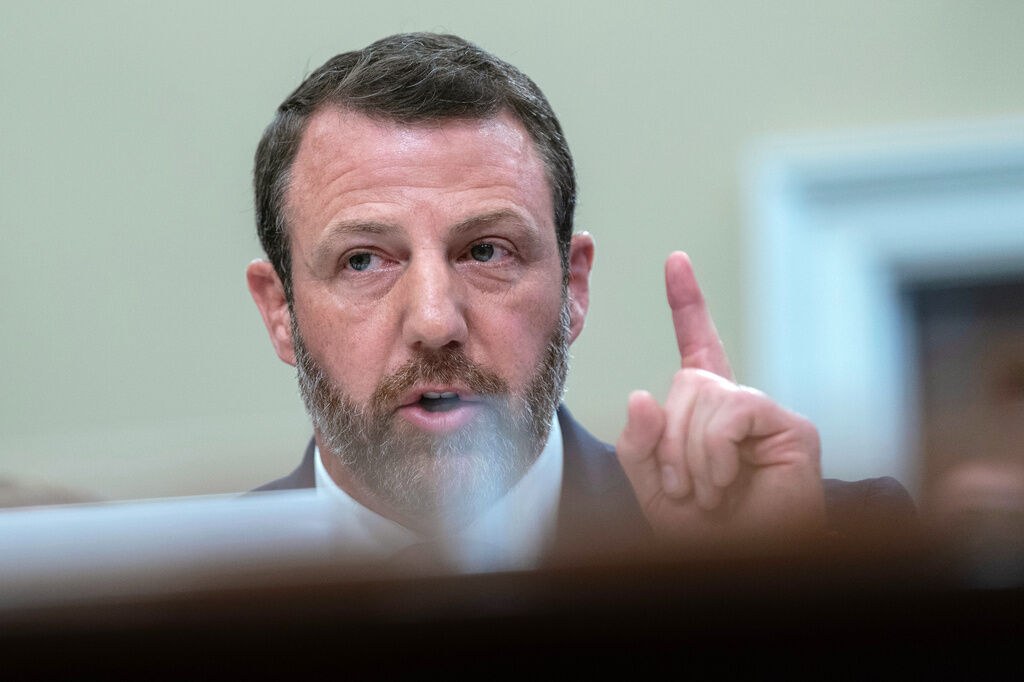
Mullin asks DOJ to review voter data sharing tied to Zuckerberg-funded nonprofit group
The Washington Examiner
the-washington-examiner@coloradopolitics.com
Updated 2 days ago
Washington Examiner Homeland Security Secretary Markwayne Mullin asked the Justice Department this week to review whether election-related nonprofit groups, some with multimillion-dollar backing from a Mark Zuckerberg-linked nonprofit, improperly received sensitive state motor vehicle and voter-registration data. In a letter...
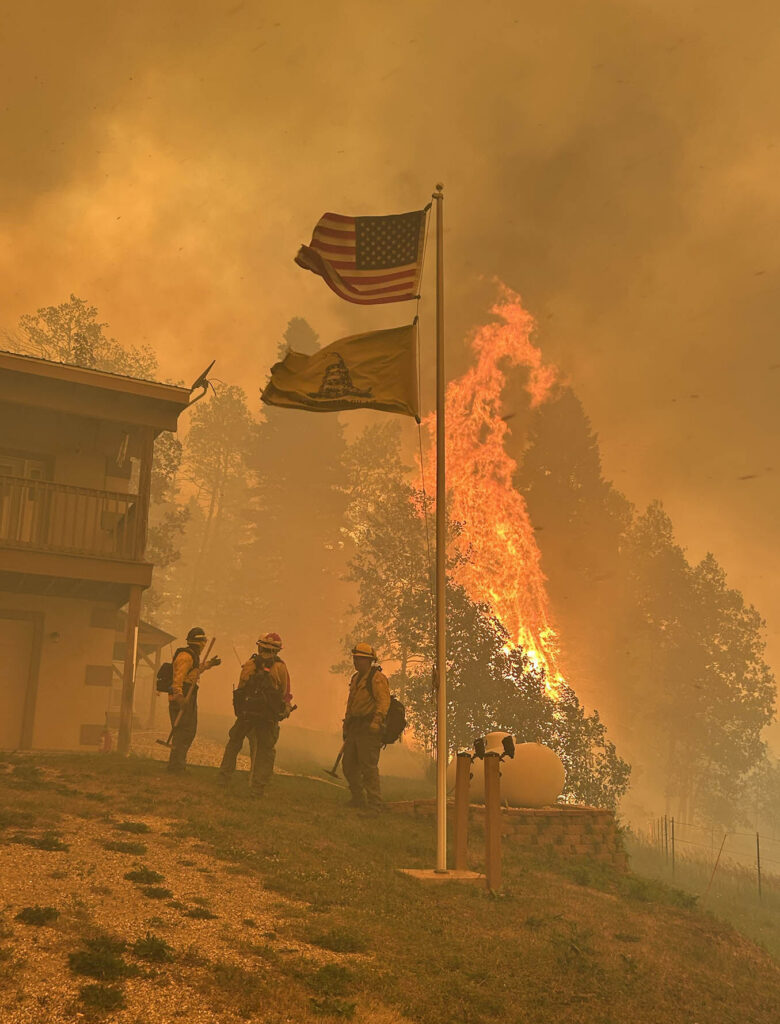
Colorado secures FEMA support for wildfire, flooding and mudslide recovery
Marissa Ventrelli
marissa.ventrelli@coloradopolitics.com
Updated 2 days ago
Federal authorities on Friday approved Colorado’s request for federal public assistance to help communities devastated by the Aspen Acres and Gold Mountain Fires. The Federal Emergency Management Agency did not announce how much the state would receive but confirmed that...
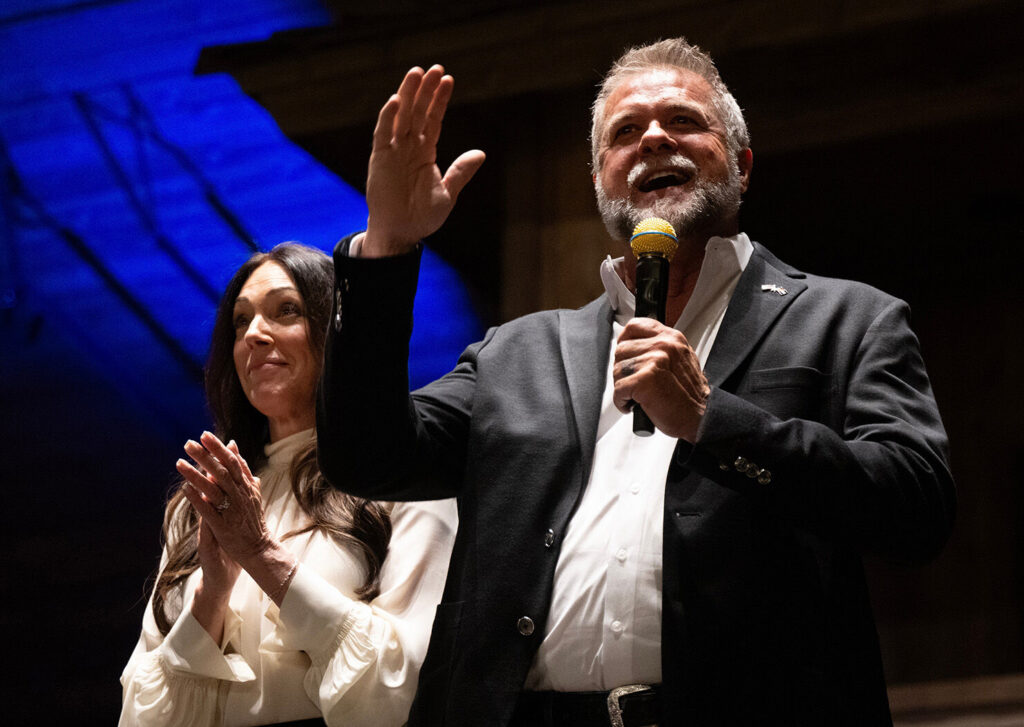
State seeks $50K penalty against GOP candidate Victor Marx over alleged campaign finance violations
Deborah Grigsby
deborah.smith@denvergazette.com
Updated 3 days ago
Republican gubernatorial candidate Victor Marx is looking at more than $50,000 in fines in what the Elections Division of the Office of the Secretary of State calls “unprecedented” campaign finance violations. The state has not imposed that fine yet, and...