

? Mitchell follows grandpa’s path to oversight office
Edward Mitchell came from a poor Irish Catholic family in New York in the 1940s and did not get a high school degree, so his career choices were limited.
That meant becoming either a firefighter, entering the priesthood or becoming a police officer. He chose the later and was a role model for Nick Mitchell, who became a lawyer and has headed Denver’s Office of the Independent Monitor for the last four years.
Denver voters will decide if they want to put the office on par with most other city departments when they decide Question 2B, a proposed city charter amendment, on the Nov. 8 city ballot. Denver City Council voted Aug. 15 to place the question on the ballot. If approved, 2B would make the office a permanent part of city government.
Helping to get policing right
After earning his law degree from the Fordham University School of Law, Mitchell worked in the New York mayor’s office and investigated police officer misconduct cases, much as his office does in Denver. He relocated to oversee the office four years ago.
“Policing is so important, and I am passionate about civil rights issues,” Mitchell said. “We have to get policing right because the cases are incredibly sensitive to communities. Law enforcement officers are like a family, very passionate about getting it right, too. I know the vast majority of them want to treat people properly and constitutionally.”
After five shooting incidents involving Denver officers in 2003, the City and County of Denver created the office, which began its work in 2005. The office is the only non-law enforcement entity to make recommendations to Denver’s executive director of safety, chief of police and sheriff regarding discipline of officers and how they are held accountable in cases of misconduct and abuse.
“We don’t actually do the investigations ourselves,” Mitchell stated. “Internal affairs departments do that, but we have oversight, and we’re in all the meetings.”
The office reviews the results of officer conduct investigations, which includes “every interview, every report, we listen to audio and watch video recordings,” Mitchell said.
The office then tells the investigating department if its OK to move to the next phase, or recommends others steps to ensure a thorough and complete investigation.
Mitchell said the office publishes annual reports to the public that detail how the police, sheriff’s and fire departments are functioning, how many complaints and commendations each department received and how complaints were resolved.
Looking over shoulders
Noting that most people dislike when their work is monitored, Mitchell said the departments are “sometimes appreciative, often not” when the office gets involved in an investigation.
“We understand how uncomfortable it can be to have someone always looking over your shoulder and constantly telling you what you’re doing wrong, what you’re doing right,” Mitchell said. “But there are a lot of people who understand how important the work we do is, and they work hard to have a good working relationship.”
Last year, Mitchell asked City Council for – and obtained – more authority “to get the information we need to do our job.” That followed difficulties Mitchell and his staff had getting all the information they requested during an investigation into how jail inmates complaints were processed.
“That led to a whole series of changes made in how inmate grievances are handled,” he stated. “So the extra authority we were given makes it explicit that the agencies involved have to share their information with us.”
Mitchell added it was too soon to say how the added authority has affected relationships with the various departments.
Other changes came about after a “cluster” of moving vehicle shootings by Denver officers. After several commonalities were found in the cases, Mitchell said the office made a series of recommendations for change in police policies, practices and training.
Complaints, commendations keep office busy
Mitchell’s office staff has increased from five to 14 over the last four years – “some were analysts, some were lawyers,” said Mitchell – and Mayor Michael Hancock’s 2017 budget request for the office asks for a 5.1 percent increase in total spending, from nearly $1.5 million to almost 1.6 million. The only added staff position is to pay less than half the cost of a grant-funded position to help oversee the office’s youth outreach program.
While complaints against the police and sheriff’s departments make up the bulk of the office’s business – 738 in 2015, an estimated 808 by the end of this year – Mitchell said around 600 commendations were also received. Many of those were initiated by police and sheriff’s sergeants to highlight an officer’s particularly noteworthy actions.
“We make sure those are included in each officer’s personnel file and we hope they help them rise through promotions during their career here,” Mitchell said.
A few weeks ago, the office’s efforts were recognized by the National Association of Civilian Oversight of Law Enforcement with its Achievement in Oversight award. It was given for the office’s “positive change” in the Denver police and sheriff’s departments.
Removing implicit bias
As cities across America, large and small, grapple with law enforcement officer shootings of blacks and other racial groups, Mitchell said it should point them to the need to look at implicit bias from both the officers’ viewpoint and that of the community.
“What we’ve tried to do is get at that implicit bias through our youth outreach program and to bring implicit bias training to the Denver Police Department,” he stated. “It’s really important that all of us be aware of implicit bias.”
Mitchell said when many young people, especially those from low-income and minority families, contact a police officer, it usually goes very poorly due to miscommunication, “and it ends with a young child in the back of a patrol car.”
Low-key campaign for 2B
Backers of the charter amendment have said the move would keep the office from being dismantled and improve transparency and accountability. Currently, the office exists through city ordinance, which means Hancock or any future Denver mayor could eliminate the office.
Community activist groups and citizens worked with City Councilman Paul Lopez to develop language to strengthen the office and ensure its continued existence by adding it to the city charter.
Alex Landau, a co-founder of the Denver Justice Project, said his group has promoted passage of 2B through social media and opinion columns, but “it’s mostly been word-of-mouth.”
“We also work with other groups who are promoting other measures to help get our word out together,” Landau added, such as through public forums.
Landau said a key point to make about 2B is it would not increase city taxes.
The only known publicly voiced opposition to the measure came early on, Landau said, when an attorney for the Denver Police Protective Association spoke in opposition during a public hearing. Two requests for comment from the police union by The Colorado Statesman were not returned, while both the Denver police and fire departments said they do not comment or take positions on ballot measures. The sheriff’s department did not respond to a request for comment.
Mitchell said the city attorney’s office has advised all city staff to refrain from politically related public statements or actions.
When Mitchell gets up in the morning to come to the office, he takes pride in believing “We’re making a difference and making an impact.”
“Whether it’s resolving a complaint against falsely accused officers or seeing those justly accused are punished, there is a need to resolve things,” he said. “So I look forward to helping the city, the community and these public safety departments make fair and unbiased decisions to resolve issues.”

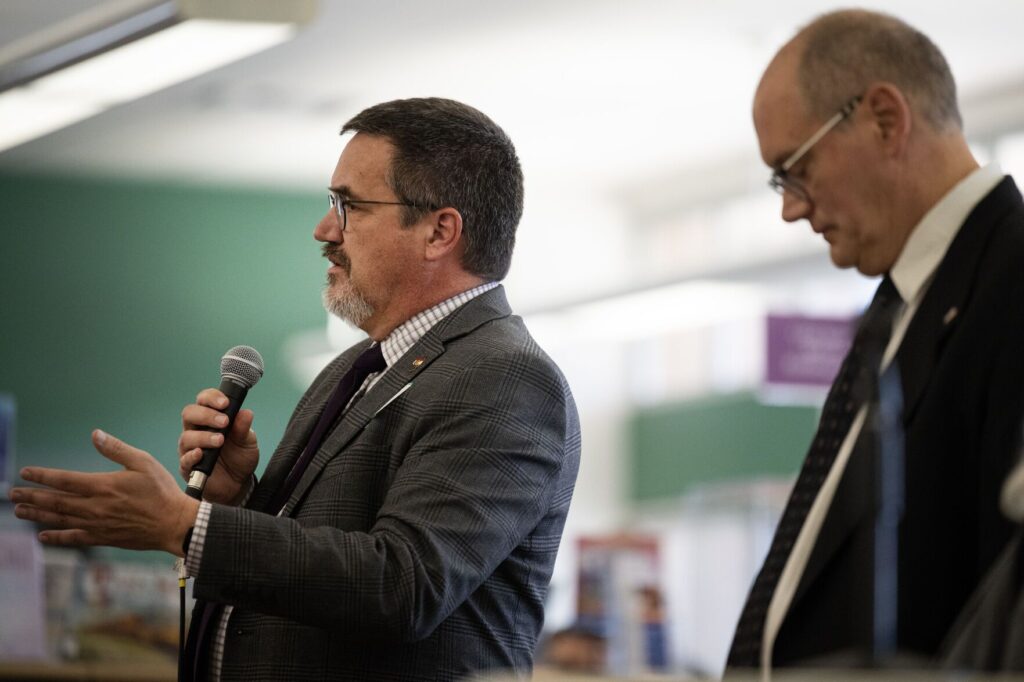
Appeals court shuts down path to challenge convictions if lawyer tells jury that defendant is guilty
Michael Karlik
michael.karlik@coloradopolitics.com
Updated 3 hours ago
Colorado’s second-highest court concluded on Wednesday that defendants cannot challenge whether the evidence was sufficient to sustain their convictions if their lawyer argues to the jury that it should find the defendant guilty. The U.S. Supreme Court has provided guidance...
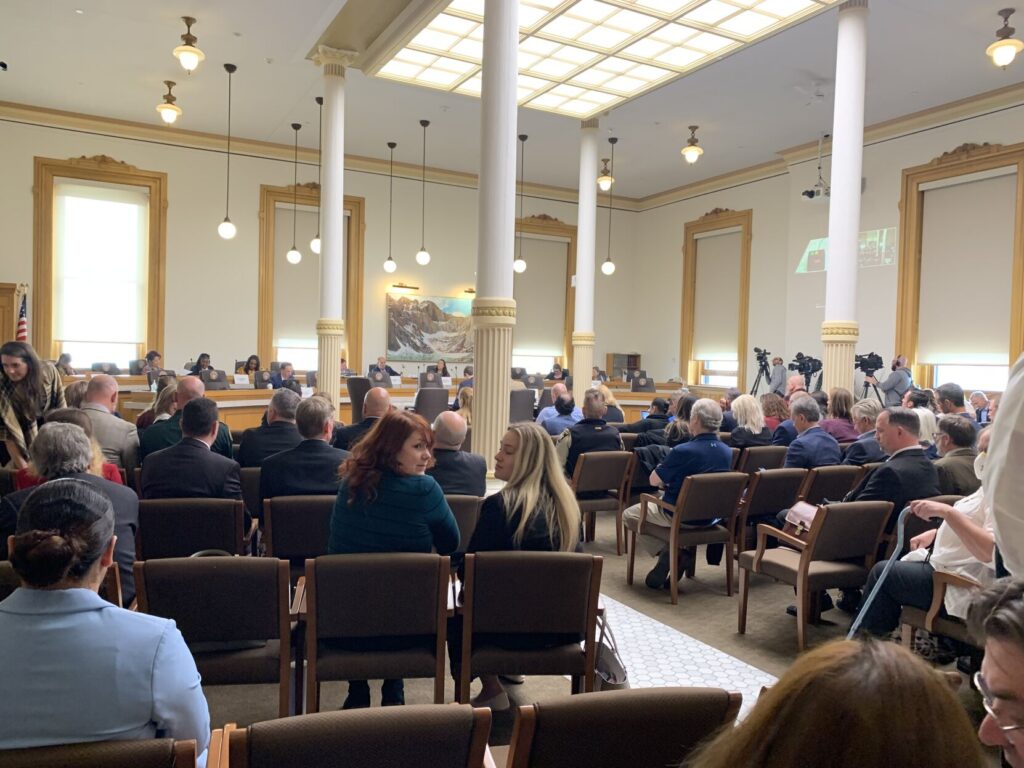
Colorado legislature votes to make committee hearing livestreams permanent
Marianne Goodland
marianne.goodland@coloradopolitics.com
Updated 3 hours ago
The executive committee of the legislative council — the six top leaders of the House and Senate — voted 5-1 Wednesday to make permanent the video livestreaming of committee hearings, starting in the 2026 legislative session, which begins Jan. 14....
Here’s where House retirements stand as clock strikes midnight on 2025
Rachel Schilke, Washington Examiner
rachel.schilke.washington.examiner@gazetteedit.wpenginepowered.com
Updated 1 day ago
The House will return on Jan. 6, and with it, some 10% of lawmakers will start their final year in the lower chamber, either retiring or seeking higher office in the 2026 midterm elections. The lower chamber will get its...
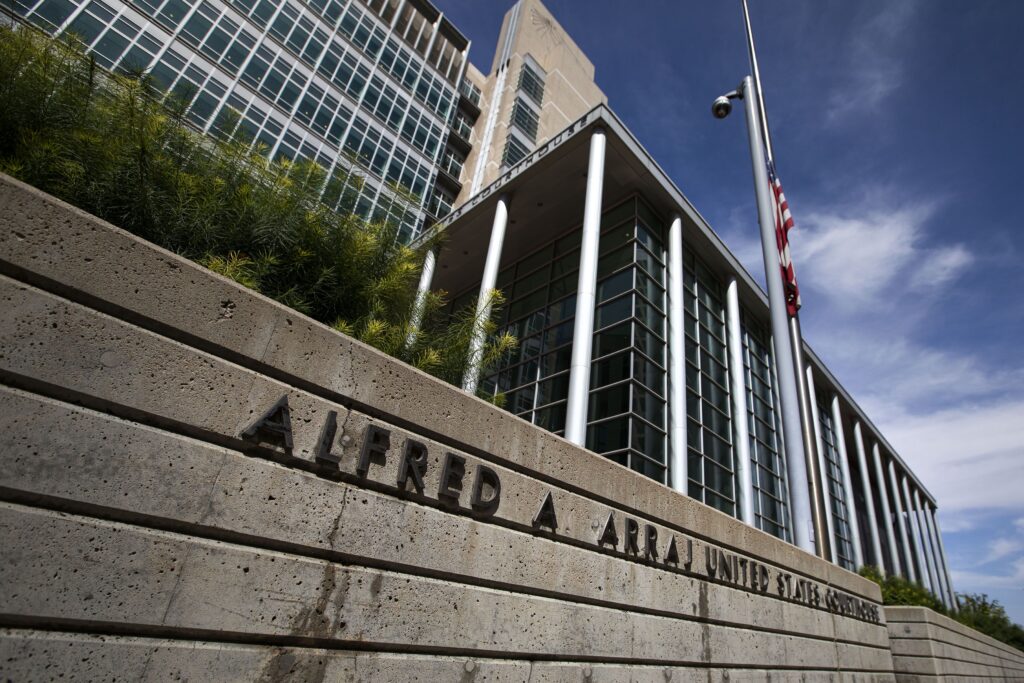
Colorado senator, local officials push for new Colorado Springs federal courthouse
Michael Karlik
michael.karlik@coloradopolitics.com
Updated 24 hours ago
Local officials and one of Colorado’s U.S. senators urged the judiciary earlier this year to explore placing a new federal courthouse and judge’s chambers in Colorado Springs, while the district court is cautioning that Congress must establish new judgeships before...
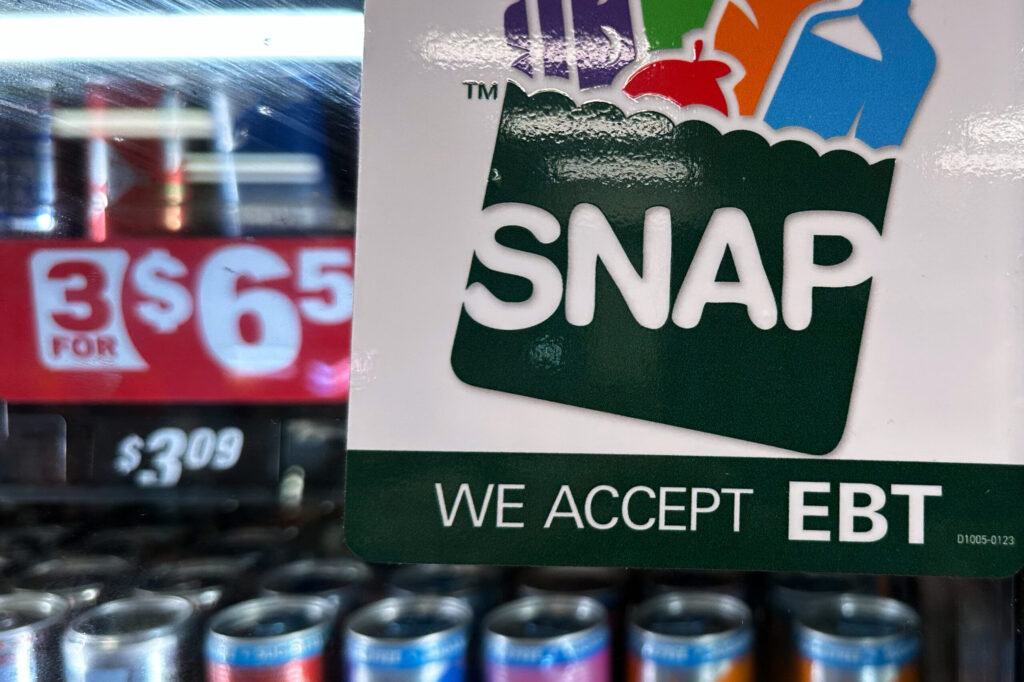
SNAP recipients in five states will be banned from using assistance for candy and soda, beginning 2026
David Zimmermann Washington Examiner
davidzimmermannwashingtonexaminer@wpstage.coloradopolitics.com
Updated 1 day ago
More than 1.4 million recipients of the Supplemental Nutrition Assistance Program across five states will be banned from using federal food assistance for candy and soda purchases, starting Thursday. Indiana, Iowa, Nebraska, Utah, and West Virginia are the first group...

Trump’s first year back in office: Four successes and four failures
NAOMI LIM Washington Examiner
naomi-lim-washington-examiner@coloradopolitics.com
Updated 23 hours ago
President Donald Trump is closing a seismic year as the country’s commander in chief. Since the first day of his second administration, when he issued 26 executive orders, 12 presidential memos, and four proclamations, the most first-day actions of any...
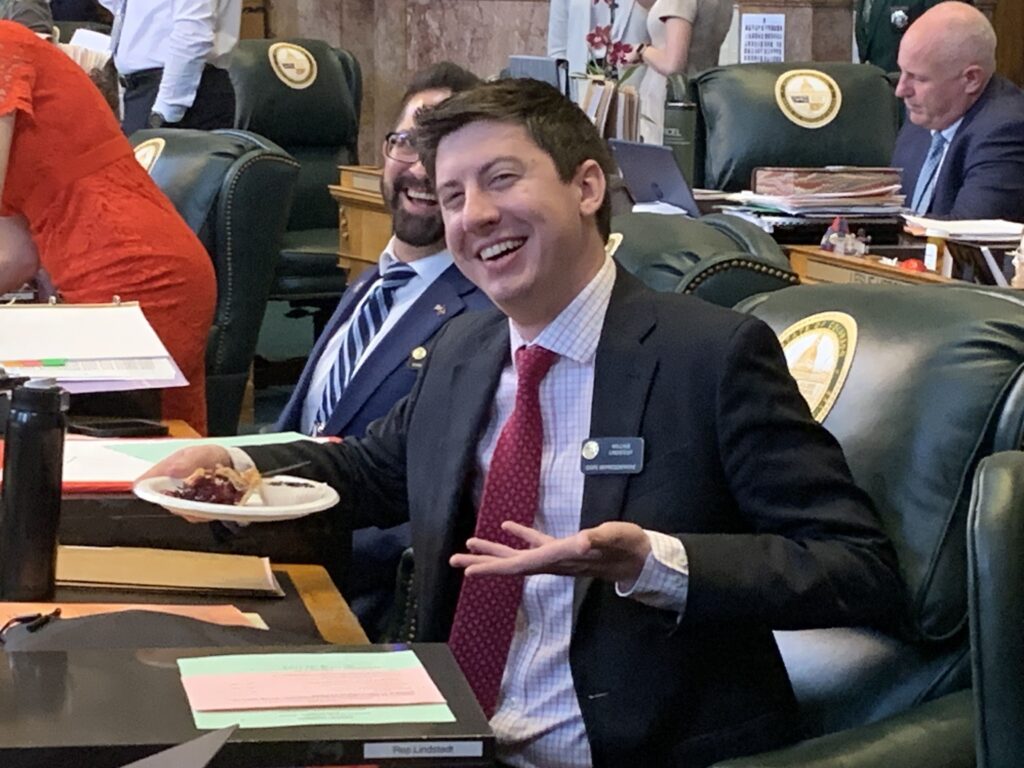
Gov. Polis appoints Lindstedt to Colorado Senate District 25 after vacancy committee misses deadline
Marianne Goodland
marianne.goodland@coloradopolitics.com
Updated 21 hours ago
Despite a similar vote by a Senate District 25 vacancy committee last week, it was up to Gov. Jared Polis on Tuesday to make sure the Senate seat was filled and ready for the 2026 session. That’s because the vacancy...
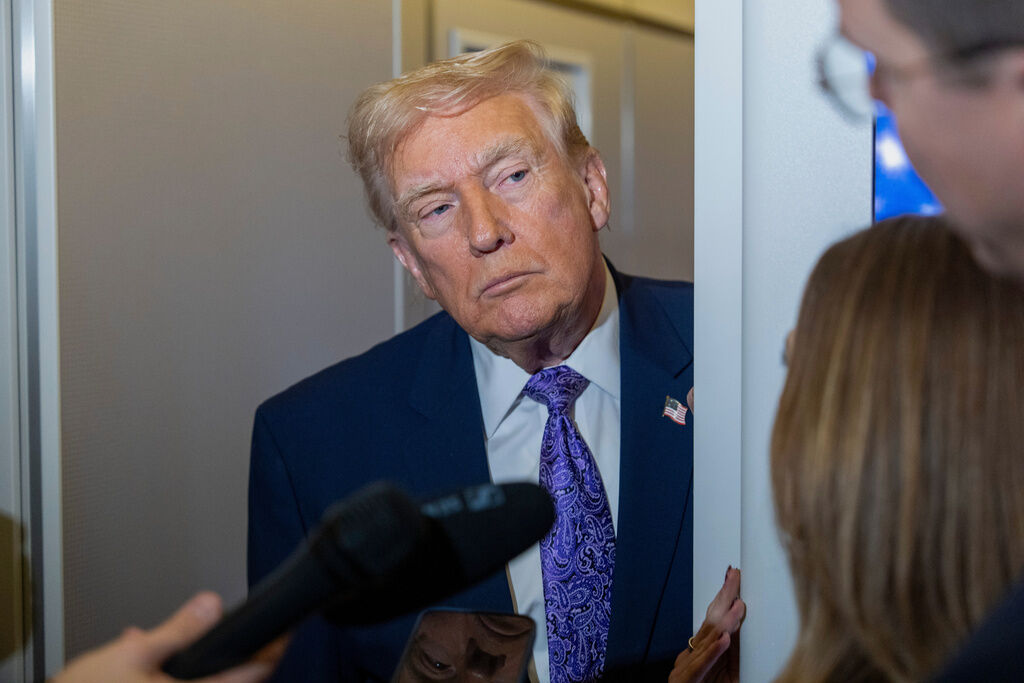
‘Rot in hell’: Trump post reignites feud with Colorado Gov. Jared Polis over Tina Peters
Thelma Grimes
thelma.grimes@coloradopolitics.com
Updated 22 hours ago
Heading into the New Year, President Donald Trump said he would like Gov. Jared Polis and others in Colorado to “rot in hell.” The object of the president’s ire is Tina Peters, the former Mesa County clerk convicted of state...
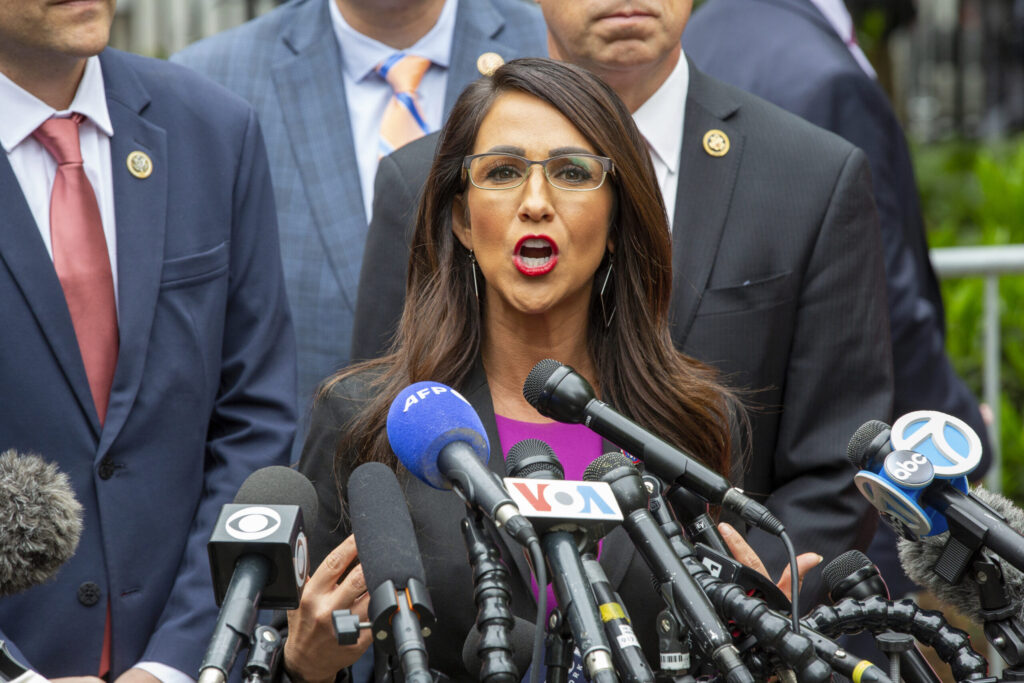
US Rep. Lauren Boebert calls for override vote after Trump vetoes bipartisan Colorado water bill
Marianne Goodland
marianne.goodland@coloradopolitics.com
Updated 22 hours ago
President Donald Trump issued the first veto of his second term Tuesday, blocking a long-awaited bipartisan effort to finish a southeastern Colorado water project that supporters say is critical to delivering clean drinking water to roughly 50,000 residents of the...

From Pope Francis to Charlie Kirk, many deaths in 2025 had a wide impact
Bernard Mcghee
bernard.mcghee@associatedpress.com
Updated 1 day ago
The death of Pope Francis brought change to the Catholic Church, which counts 1.4 billion adherents and is now led — for the first time — by an American pope. The fatal shooting of conservative activist Charlie Kirk as he...