

Alternate affordable housing plans considered
A Denver City councilman is not giving up on his idea to use up to $20 million in unappropriated general fund money to help spur construction of affordable housing, despite a lack of support from a council committee.
District 8 Councilman Christopher Herndon’s proposal is an alternate to a proposal sponsored by two colleagues, At-large Councilwoman Robin Kiniech and District 9 Councilman Albus Brooks.
“I agree there needs to be funds applied for affordable housing, but I feel it should be more front-loaded,” Herndon told The Colorado Statesman, and added he intended to introduce his measure before the full City Council when the Kiniech-Brooks proposal is considered for first approval on Monday, Sept. 12, followed by final consideration and a public hearing on Monday, Sept. 19. The City Council’s Safehouse Committee voted to advance the proposal, but Herndon’s alternate funding proposal failed to garner a second to a motion to send it to council as well.
Property tax, impact fees funding sources
Mayor Michael Hancock’s Deputy Chief of Staff, Evan Dreyer, said the Kiniech-Brooks program would dedicate an estimated $156.4 million in its first 10 years to produce, preserve and rehabilitate 6,000 affordable housing units.
Revenue would come from property taxes (51 percent) and development impact fees (49 percent). A 0.5 mill levy is estimated to raise $6.5 million in the program’s first year. Development fees would range from .40 per square foot to $1.70 per square foot, dependent on if the project is considered commercial or residential. Those fees would be adjusted annually based on the local consumer price index, Dreyer said.
Exempt from the fees would be additions smaller than 400 square feet and adult dwelling units, along with any replacement structures due to a catastrophic event, Dreyer said.
A dedicated property tax of 0.5 mills would add $12 per year – $1 a month – on a median home priced at $300,000. The impact on a commercial property owner would be $145 per year for every $1 million of value.
A five-year freeze would be implemented on all other development-related fees, followed by a feasibility study on discretionary increases, Dreyer added, along with a look at how the fee structure is working.
In its first year, the program would be supplemented by $5 million from the city general fund and marijuana tax revenue for total estimated revenue of $15 million in 2017. Expenditures would total $9.4 million for development of 250 affordable households, $600,000 for administration costs and $500,000 for a program reserve fund.
An appointed 23-member advisory board would provide governance and input on uses of the permanent fund.
No need for fees or taxes?
“I believe the city has the fiscal ability to do this in its first year on our own,” Herndon said, with no property tax increase or development fees. “I think $20 million would be a great first year number to have. I believe we have the ability as a city to find $25 million to make that huge dent in the first year.”
The city could then “fully vet” every possible funding source to find more money “to do more, quicker,” Herndon said. “I think $156 million is a great goal, but we can do it in half the time. My proposal gives us the flexibility to do that.”
Herndon noted the city had dedicated $8 million toward affordable housing in this year’s budget.
“I think its ridiculous to say we’ll have to take funds from the police and the other places,” he said. “Both bills create an affordable housing fund. If I had my druthers, I would include $20 million out of the general fund and in 90 days this council could fully vet every possible funding source, then create a permanent affordable housing fund.”
Noting the city has a $1.2 billion budget, with $245 million in reserves – “the best since 1998” – Herndon said he believed, “ample first-time funds are there for next year.”
Herndon also noted city wastewater fees are scheduled to increase and voters will decide a Denver Public School bond issue and mill levy override in the Nov. 8 general election, so they may feel this plan is “nickel and dining them.”
Brooks said passing two dedicated fund sources doesn’t exclude the council coming back to the table and adding more revenue.
“The last three years have seen a good economy, so we can add more money to affordable housing,” he said. “My fear is that we will not always have a good economy. And their have been a ton of stakeholders say they support this and a ton of outreach done to the public.”
Kiniech said the program is not intended to control the city’s housing costs and it should be evaluated based on its intended purpose.
“We want to house more people securely than there are today,” she added. “If this fund can do that, it will have succeeded.”
Kiniech also noted City Council can review and amend the program during the annual budget process.
“Without local funds, we will provide 1,444 units over the next 10 years,” she added. “So you add 6,000 more units with this and you get 7,400 and that’s a conservative estimate. We didn’t assume a state tax credit program, that’s now been extended, would continue. I expect we can produce many more than those 6,000 units, but we have to do the work.”
Backers, developers differ on methods
Denver’s development community will not see the new impact fees as a popular move, some developers told the committee, because it would affect their bottom line. However, the need to address affordable housing is something developers realize, too.
Gene Myers of New Town Builders said impact fees can have “unintended consequences, including a lack of reliability of the fund in a down housing market.”
Those who deal with Denver’s homeless and those in “housing crisis” said the city had lost its sense of what to do with those who live under “blue tarps” and are on the poverty thresh hold.
“Unless the public sector takes responsibility for its part, this will no longer be the type of city I desire to live in,” said P.J. D’Amico, executive director of the Buck Foundation. “Our foundation can dedicate a portion of its funds to programs like this, so I think you should challenge the city’s philanthropic community to help.”
Mike Kopp, president and CEO of Colorado Concern, said Denver’s ever-growing home prices factor into wages set by businesses.
“Our concern is that if these fees lead to a spike in construction costs, we’re moving in a direction opposite of where we all want to go,” Kopp said. “We support the Herndon proposal and urge you to find alternatives to impact fees without having the detrimental affects to the very units we all hope to build.”
Council members ready to move forward
District 2 Councilman Kevin Flynn suggested the city include a 12-year sunset on the program, when it would cease operations.
“The preamble to this bill states our current situation is unique, but I don’t think it’s always going to be that way,” Flynn said. “I’d like to force a future council to take a top to bottom, honest look at a program like this and how it works.”
Flynn said he thought it was too early to take the Herndon bill out of consideration “when we’re sitting on a quarter of a billion dollars in unallocated surplus general fund money, and we have $20 million in marijuana tax revenue that’s unspent.”
District 6 Councilman Paul Kashmann said both the development community and city residents have financial concerns and pressures with the program.
“We’re not nickel and dimeing people at all,” he stated. “We’re asking for enormous amounts of money for this because we have a city with huge needs that don’t have enough money so we’re asking the development community to take an extra bite. And we’re asking our residents to take an extra bite, too.”
The Herndon bill, Kashmann noted, would use money from the city general fund, and that means asking the Hancock administration to shift gears “with just a vague feeling behind it.”
Dreyer said officials in the mayor’s office struggled internally to arrive at the impact fees and property tax mill levy funding levels.
“We believe we’re there now,” he said. “There is clearly a huge sentiment that this isn’t a big enough first step, but we think we came up with a balanced and modest plan to get this going.”
District 1 Councilman Rafael Espinoza said the proposed program will not provide “some huge windfall to our affordable housing needs, it’s really just maintaining the status quo.”
“It’s really frustrating, because it sounds like a great thing and it’s gonna change the ballgame,” Espinoza added. “It’s really just filing the gaps that are gonna start to be created by the federal government. We’re offloading that onto the development industry and taxpayers.”
Espinoza asked why the city doesn’t form an advisory committee and take a year to study and recommend possible steps “to prove this fund will deliver the increased number of housing units. The Herndon bill mapped out one way forward with our revenue reserves and keeping our existing mills and we could continuously fund this program.”
District 10 Councilman Wayne New said the program should be funded with more money, not less.
“We have huge capital needs for things like transit, safety and streets,” New stated. “I struggle when I see things done in a piece meal and we don’t have a long-range financial plan for this city’s capital needs. This is just one part.”
District 3 Councilman Paul Lopez said it’s become cliché to say, “Affordable housing. It’s time to act.”
“And I don’t want to just pass a law, I want us to put our money where our mouth is,” he added.
Lopez also said the city should “fire a shot across the bow and challenge everybody else, including developers and CEOs to pony up, too. In this economy, they’re doing very well.”

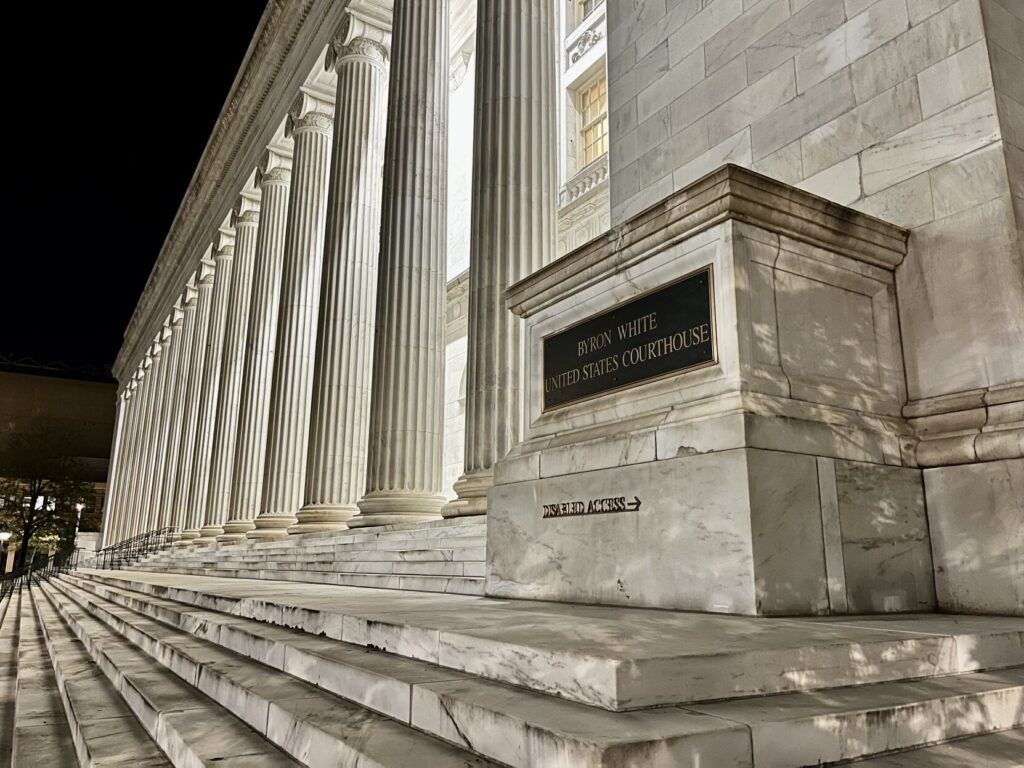
10th Circuit appoints ex-Colorado solicitor general to argue issue after federal government declines
Michael Karlik
michael.karlik@coloradopolitics.com
Updated 8 hours ago
The Denver-based federal appeals court took the unusual step earlier this month of appointing an attorney to independently argue a key issue in a criminal sentencing appeal after the government indicated it would not contest the defendant’s view of the...

Greeley voters halt landmark development project
Hap Fry, Special to The Gazette
hap-fry@gazette.com
Updated 8 hours ago
GREELEY – The landscape-altering Cascadia development project has been put on ice, according to unofficial results of a city referendum on the project Tuesday. The proposed development would have included an 8,600-seat multiuse arena and ice center that would be home to the Colorado Eagles,...

State audit: Rape kit backlog reduced but more work needed to hit goal
Jenny Deam
jenny-deam@coloradopolitics.com
Updated 10 hours ago
In the past year, the Colorado Bureau of Investigation has slashed the time it takes to process DNA collected in sexual assault cases, but the agency still is far short of its turnaround goal, the state auditor reported on Wednesday....
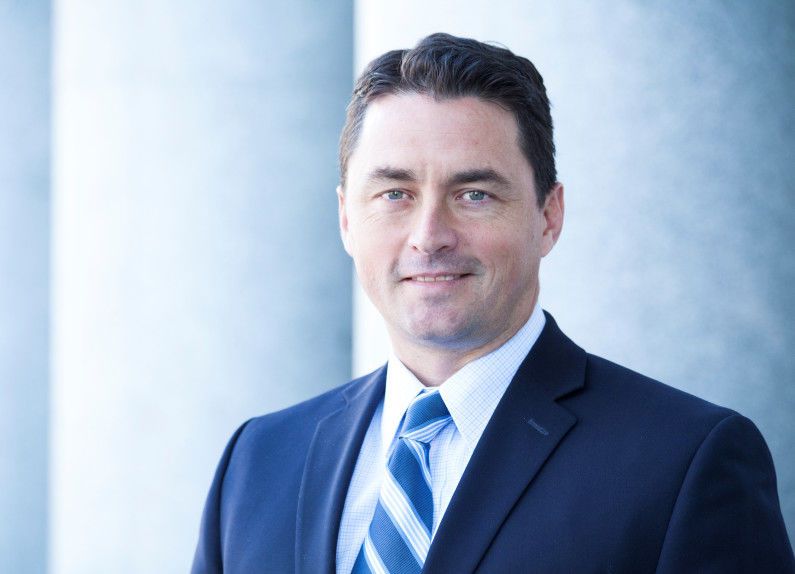
Daniel Domenico to take over as Colorado’s chief federal judge
Michael Karlik
michael.karlik@coloradopolitics.com
Updated 14 hours ago
Daniel D. Domenico will become the new chief judge of Colorado’s federal trial court next week, a role that encompasses the administration of the court as well as a judicial caseload. Under federal law, the chief judge of a U.S....
10th Circuit upholds violations, sanctions against Colorado Springs mental health hospital
Michael Karlik
michael.karlik@coloradopolitics.com
Updated 15 hours ago
The Denver-based federal appeals court agreed earlier this month that the government properly cited and penalized a Colorado Springs psychiatric hospital for failing to protect its staff from known risks posed by patients. The Occupational Safety and Health Administration inspected...

Vance working with DOJ and Treasury after Trump announces ‘war on fraud’
David Zimmermann Washington Examiner
davidzimmermannwashingtonexaminer@wpstage.coloradopolitics.com
Updated 15 hours ago
Vice President JD Vance confirmed on Wednesday that he is working with the Justice and Treasury Departments to root out fraud nationwide. During the State of the Union address Tuesday night, President Donald Trump announced Vance would lead the administration’s “war on...
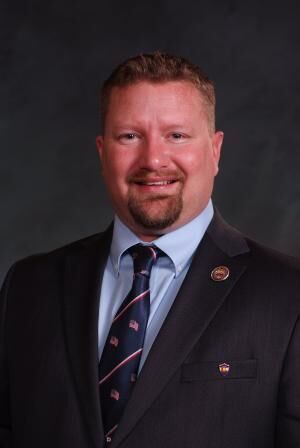
House Ethics Committee dismisses some claims, advances others against Rep. Ron Weinberg
Marianne Goodland
marianne.goodland@coloradopolitics.com
Updated 13 hours ago
The House Ethics Committee voted on Wednesday to accept three allegations filed against Rep. Ron Weinberg, R-Loveland, but combined two into one subject area. The two issues involve inappropriate comments made to female lawmakers in two separate incidents and the...
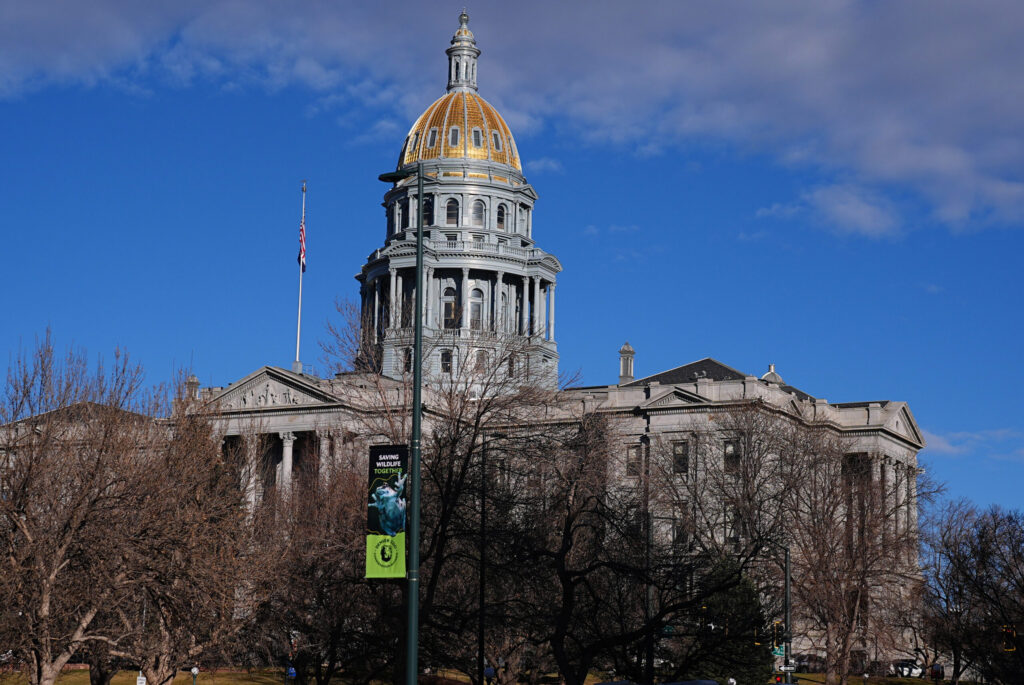
Bipartisan opposition sinks eviction bill in Colorado
Marissa Ventrelli
marissa.ventrelli@coloradopolitics.com
Updated 11 hours ago
Two Democrats sided with Republicans on a legislative panel to reject a proposal that would have made several changes to eviction filings and proceedings, including requiring judges to suppress court records. Sponsored by Rep. Junie Joseph, D-Boulder, House Bill 1047...
Appeals judges tell Boulder students about workload, ‘attack mode’ during school visit
Michael Karlik
michael.karlik@coloradopolitics.com
Updated 16 hours ago
Three judges on Colorado’s second-highest court traveled to Boulder on Tuesday to hear oral arguments in real cases and field questions from students about their professional paths, their workload on the Court of Appeals, and their approach to interacting with...

State of the Union: Here’s what Trump didn’t say
W. James Antle III Washington Examiner
wjamesantleiiiwashingtonexaminer@wpstage.coloradopolitics.com
Updated 17 hours ago
President Donald Trump made the case that happy days are here again in the first State of the Union of his second term, but there was little talk of transition or pain. “The state of our union is strong,” he...