

Battle to ‘defund’ Clean Power Plan launches House budget debate

The first skirmish in the war over the state’s budget Thursday centered on coal and clean air and featured the “defund” politics conservatives have embraced in the Obama era.
Rep. Bob Rankin, R-Carbondale, a member of the Joint Budget Committee, proposed two amendments that would cut funding for the state’s Department of Public Health and Environment. The aim was to prevent the department’s air quality division from working to implement the Obama administration’s carbon-emissions-slashing Clean Power Plan.
Democrats voted down the Rankin amendments. It was the latest chapter in an unfolding story.
Last week, Republicans on the budget committee opposed to the Clean Power Plan voted to slash all of the funding — $8.5 million — for the state’s air quality division. They had been seeking to strip only the money that pays for work on the Clean Power Plan, but they have been frustrated in efforts to determine exactly how much the division is spending on the work of implementing the plan.
Democrats, environmentalists and others decried the move as a bitter overreaction. They pointed out that all kinds of industries in the state depend on the air quality division to conduct business. It’s not just the energy industries, Gov. John Hickenlooper pointed out this week. Gas stations and breweries need to undergo inspections and to receive licenses from the division to operate.
On Tuesday, Democratic majority members on the House appropriations committee voted over Republican objections to add the funding back into the budget. They pointed out as well that the funding comes not directly from taxpayers but from the state cash fund.
During floor debate, Rankin said his first amendment would cut $289,560 from the health and environment department. That was his estimate of the amount the department would spend implementing the Clean Power Plan during the next fiscal year, which begins in July. After Democrats voted down that amendment, Rankin introduced a second that would cut funding for implementing the plan for half the year. That amendment was also voted down.
In a letter to the Joint Budget Committee sent at the beginning of March, the Department of Public Health and Environment explained that the department has received no extra funds from state or federal coffers to work on the Clean Power Plan and has spent an estimated $111,652 so far doing research and gathering input and advice on implementation. Work on the plan “closely aligns with the work of the division,” according to the letter, “thus it is difficult to precisely differentiate exclusively ‘Clean Power Plan’ work from regular, ongoing ‘clean air’ work.”
The U.S. Supreme Court stayed the Clean Power Plan in February.
Citing the stay, the Department wrote to the Joint Budget Committee to explain that it has effectively completed the main work for the year on the Clean Power Plan.
“The Clean Power Plan is currently stayed, so the division is not and will not be specifically working on the clean power plan, per se, in the near term. The division will not be making an initial submittal to the Environmental Protection Agency in September 2016, as called for in the Clean Power Plan. Nor will the division submit any state plan to the EPA for purposes of federal enforceability, unless and until required to so so by federal law.”
Rankin expressed the main fear that has cropped up around the plan in Colorado and in coal states across the country.
“(The Clean Power Plan) is meant to put the coal industry out of business. So I want to know what we’re doing (on the plan),” he said. “My constituents and many of yours are still working in the fossil-fuel industry.”
Rep. Max Tyler, D-Lakewood, said that the slogan “War on Coal” works well on a bumper sticker but that it also covers over a contemporary market reality that has to do with the rise of cheaper and cleaner fuels, a reality that won’t be changed by politics. “Unfortunately, the reality of what’s going on with coal doesn’t have a whole lot to do with the Clean Power Plan,” Tyler said. “The war is between gas and coal. It’s the gas at low prices. The issue is (the market battle) between natural gas and coal.”
Rep. Diane Mitsch-Bush, D-Steamboat Springs, said coal workers live in her district and she sympathizes with the way they have suffered the downturn. but, she added, “the volatile international market for coal has been in flux for more than half a decade. The idea that the Clean Power Plan is what’s hurting the industry just doesn’t add up. The plan has yet to be implemented.”
Tyler said lawmakers should be embracing the reality and shifting focus as a result to consider how best to prepare coal workers to find jobs that will last for decades to come.
With additional reporting by John Tomasic.

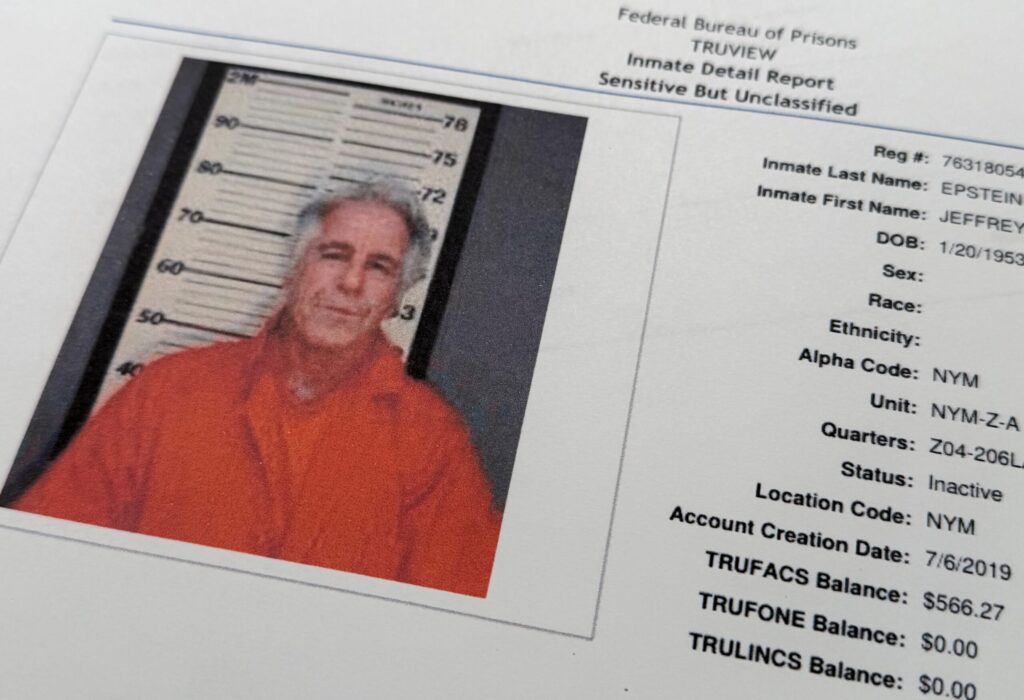
DOJ publishes more Epstein documents mentioning Trump after initial omission
Rena Rowe, Washington Examiner
rena.rowe.washington.examiner@gazetteedit.wpenginepowered.com
Updated 4 hours ago
The Justice Department released additional Epstein files on Thursday, including uncorroborated accusations from a woman claiming she was sexually assaulted by President Donald Trump. Last week, Rep. Robert Garcia (D-CA), the top Democrat on the House Oversight and Government Reform...
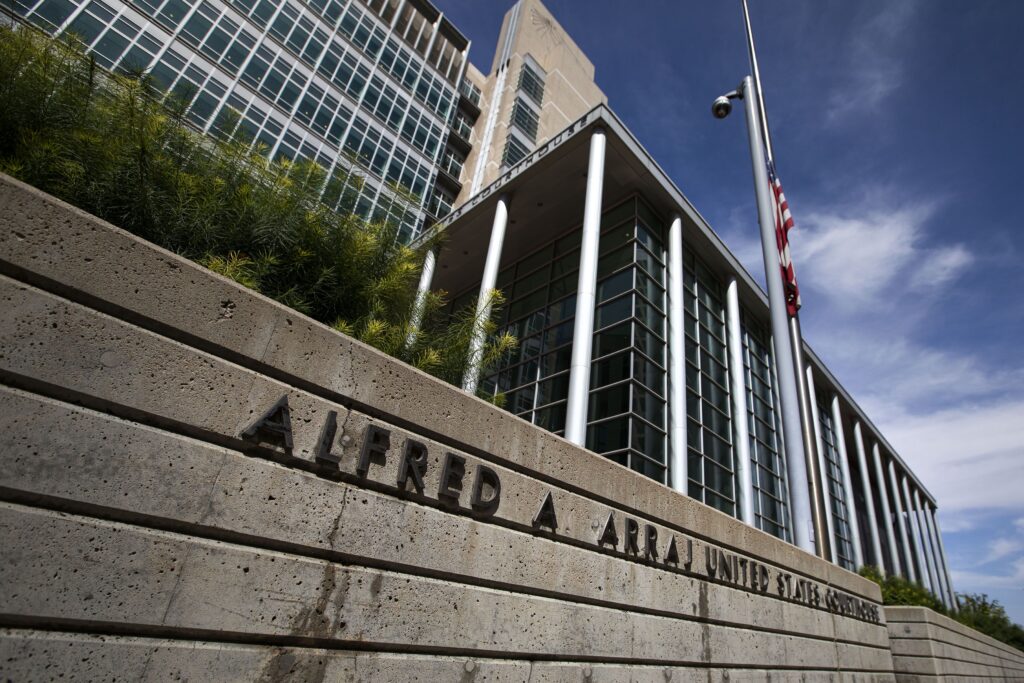
Federal judge dismisses developer’s challenge to Denver affordable housing ordinances
Michael Karlik
michael.karlik@coloradopolitics.com
Updated 5 hours ago
A federal judge dismissed a homebuilder’s constitutional challenge on Tuesday to a pair of Denver ordinances that impose obligations on developers related to the affordable housing demands created by new construction. Two related companies, redT Homes and redT Capital Partners,...

Another TABOR fight: Democrats plan to redirect refunds to Colorado residents
Marianne Goodland
marianne.goodland@coloradopolitics.com
Updated 1 hour ago
Colorado voters could decide this fall whether billions of dollars that would otherwise be returned as refunds under the Taxpayer’s Bill of Rights should instead go to public schools under a ballot measure unveiled Thursday by Democrats. Supporters say the...
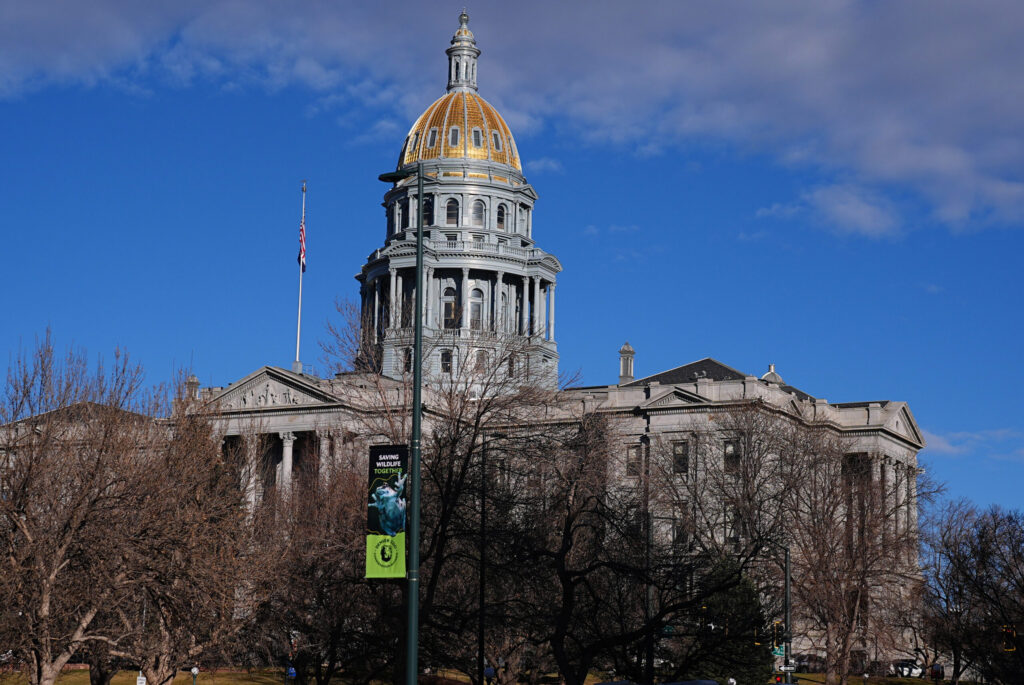
Analysis: Colorado legislators introduce 18 energy bills amid debate over emissions goals
Scott Weiser
scott.weiser@gazette.com
Updated 4 hours ago
Colorado legislators have introduced 18 energy-related bills so far in the 2026 session, with Democrats sponsoring 14 and Republicans four, highlighting the sharp partisan split over how aggressively the state should pursue its greenhouse gas reduction goals while protecting affordability...

Colorado House committee advances bills regulating AI in therapy, insurance decisions
Marissa Ventrelli
marissa.ventrelli@coloradopolitics.com
Updated 5 hours ago
Colorado lawmakers are moving to place guardrails on the growing use of artificial intelligence in mental health care and insurance decisions. The House Health and Human Services Committee on Thursday approved two bills that would limit how therapists and insurers...

Colorado Democrats, Republicans fight over ballot fiscal information
Marissa Ventrelli
marissa.ventrelli@coloradopolitics.com
Updated 2 hours ago
Republicans and Democrats clashed anew over legislation that would require identifying which programs would see a funding reduction if a ballot measure passed, with the former saying it’s yet another way for the government to control the campaign narrative and...
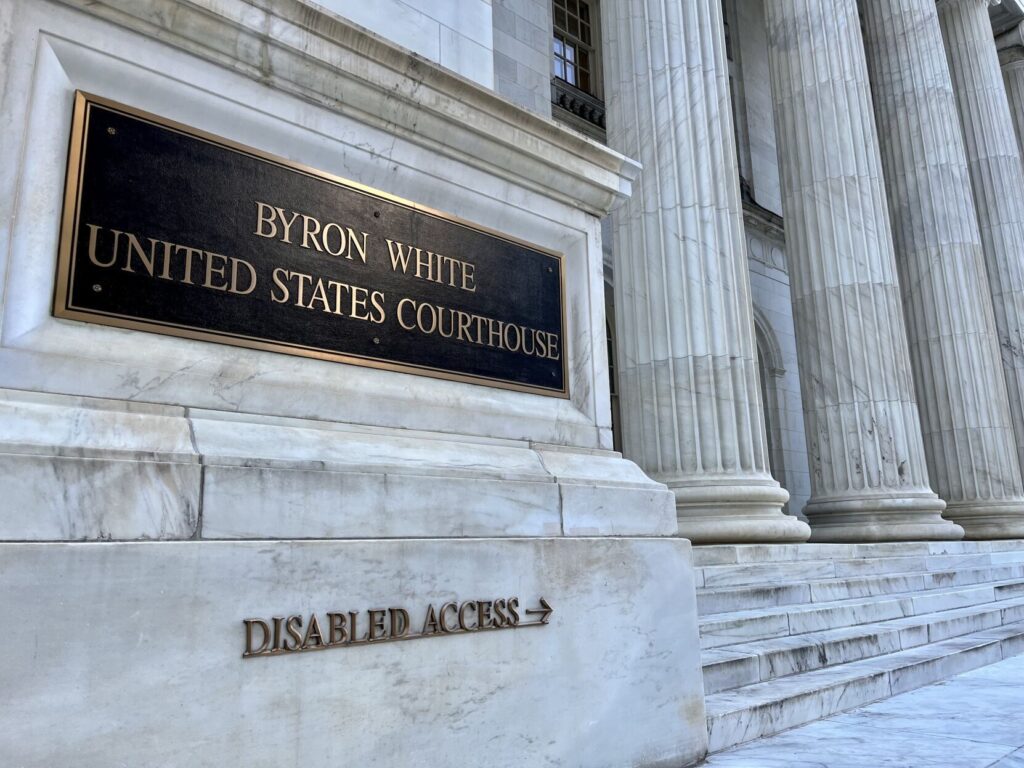
10th Circuit distances itself from prior decision making it easier to toss prisoner lawsuits
Michael Karlik
michael.karlik@coloradopolitics.com
Updated 8 hours ago
The Denver-based federal appeals court distanced itself on Wednesday from its own recent decision that made it easier for prison officials to end civil lawsuits by transferring incarcerated plaintiffs between facilities. A three-judge panel of the U.S. Court of Appeals...

Legal war over Trump tariffs still raging despite Supreme Court ruling
Jack Birle, Washington Examiner
jack.birle.washington.examiner@gazetteedit.wpenginepowered.com
Updated 8 hours ago
The war in the courts over tariff refunds took a key step forward this week as President Donald Trump’s newly implemented tariffs are facing a new legal challenge, less than a month after the Supreme Court struck down Trump’s sweeping...

Democrat Dwayne Romero jumps in primary to challenge Republican Jeff Hurd in Colorado’s 3rd CD
Ernest Luning
ernest.luning@coloradopolitics.com
Updated 10 hours ago
The Democrat who has been running for nearly a year to unseat Republican U.S. Rep. Jeff Hurd in Colorado’s 3rd Congressional District got some company in the primary this week. Dwayne Romero, a Snowmass Village business owner and decorated Army...

Proposed changes to wildfire code would add protections to eastern edge of Colorado Springs
Brennen Kauffman
brennen-kauffman@coloradopolitics.com
Updated 11 hours ago
New construction rules may be coming to the higher-risk wildfire areas around Colorado Springs, including the grassland on the city’s eastern side. Colorado Springs Fire Marshal Kris Cooper presented an early draft of the proposed changes to the city’s wildfire...
PREV
PREVIOUS

Lamm undecided over third term as candidates emerge
Thirty-Five Years Ago this week in The Colorado Statesman … Gov. Dick Lamm hadn’t decided yet whether he planned to run for a third term in 1982, but the Democrat conceded he could be unseated by Colorado Republicans, who had said their major goal in the next year was retaking the governor’s mansion. “Oh, sure,” […]

Keyser turns in petitions for GOP Senate primary
Former state Rep. Jon Keyser, R-Morrison, on Thursday afternoon became the second Republican U.S. Senate candidate to submit petitions to the secretary of state’s office in hopes of winning a spot on the June primary ballot. “Our campaign is dedicated to uniting a new generation of conservative activists with those who have been fighting on […]