

Letter: Natural gas plays central role in reducing CO2 emissions
Dear Dr. Wolk:
On August 3rd, President Obama and EPA announced the Clean Power Plan Rule. The rule requires the U.S. power sector to cut carbon dioxide (CO2) emissions by 32 percent in 2030 from 2005 levels. The only mention of natural gas during the release of this plan established a disappointing false choice between clean-burning natural gas and renewables. However, we believe, and government data supports the fact, that natural gas has played and will continue to play a central role in reducing CO2 emissions quickly, cost-effectively, and safely.If Colorado crafts a state compliance plan, our home state natural gas is the single best tool for achieving CO2 emission goals. Increased natural gas electricity generation is the most significant reason that the United States has reduced greenhouse gas emissions.
Colorado’s assigned 2030 goal of a 40 percent reduction in CO2 emissions is a substantial change from the original EPA proposal. The results of increased use of natural gas continues to demonstrate that Colorado can meet the targeted emission reduction goals without disrupting electric supply while avoiding regressive price impacts to consumers. Natural gas can achieve this in a manner that improves quality of life both environmentally and economically.
The United States has reduced greenhouse gas emissions more than any other industrial nation over the last decade, largely because of natural gas. According to the Energy Information Administration, monthly power sector emissions reached a 27-year low in April at the same time that natural gas became the leading source of American electricity.
Furthermore, consumer-driven investments in natural gas have lowered energy bills for Colorado families. Colorado’s leadership in natural gas production has provided multiple benefits, including school funding, roads, state/federal agencies, and Colorado’s special districts. Across the nation, America’s shale energy is saving billions for local schools districts, as well as state and local taxpayers. School districts in Colorado saved over $11.4 million on energy in 2013, enough to employ over 150 teachers, according to a study by IHS Global Insight. During the same period, state and local taxpayers in Colorado saved another $6.6 million on other government spending. For towns and schools still struggling with the ripple effects of recession, the economic benefits resulting from advances in U.S. energy production are making a huge difference.
America’s oil and natural gas industry invested an estimated $165.4 billion in zero- and low-emissions technologies from 2000 through 2012, according to a study by T2 and Associates. We all have a common goal of ensuring Colorado implements a plan that delivers electricity reliably, affordably and in a way that meets environmental goals. Natural gas meets all of these priorities.
In light of the economic benefits for Coloradans, and proven emissions benefits, we urge you to act to extend the tremendous CO2 emission reductions that natural gas has already afforded the Centennial State, when and if you move forward with implementation of the Clean Power Plan.
Dan Haley, President & CEO, Colorado Oil & Gas AssociationDavid Ludlam, Executive Director, West Slope Colorado Oil & Gas AssociationTraccee Bentley, Executive Director, American Petroleum InstituteStan Dempsey, President, Colorado Petroleum AssociationFrank Macchiarola, Executive Vice President, America’s Natural Gas AllianceChristi Zeller, Executive Director, La Plata County Energy CouncilKathleen Sgamma, Vice President, Western Energy Alliance

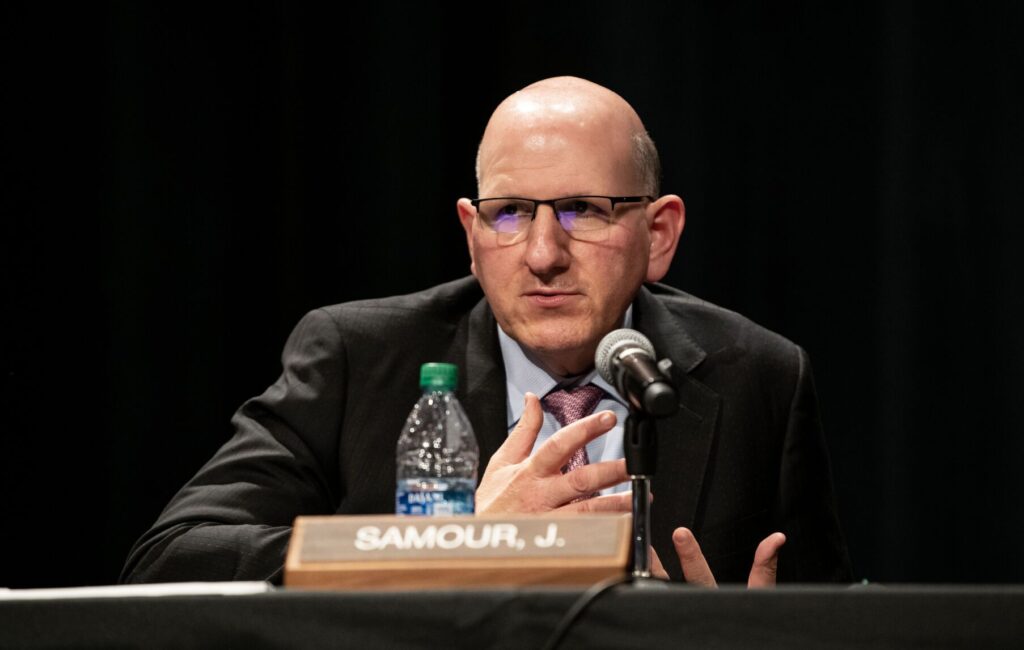
Colorado justices side with news organizations for disclosure of high-level child abuse data
Michael Karlik
michael.karlik@coloradopolitics.com
Updated 54 minutes ago
The Colorado Supreme Court ruled on Monday that the state must disclose the number of child abuse reports at individual group living facilities in response to an open records request, as the addresses are already in the public domain. The...
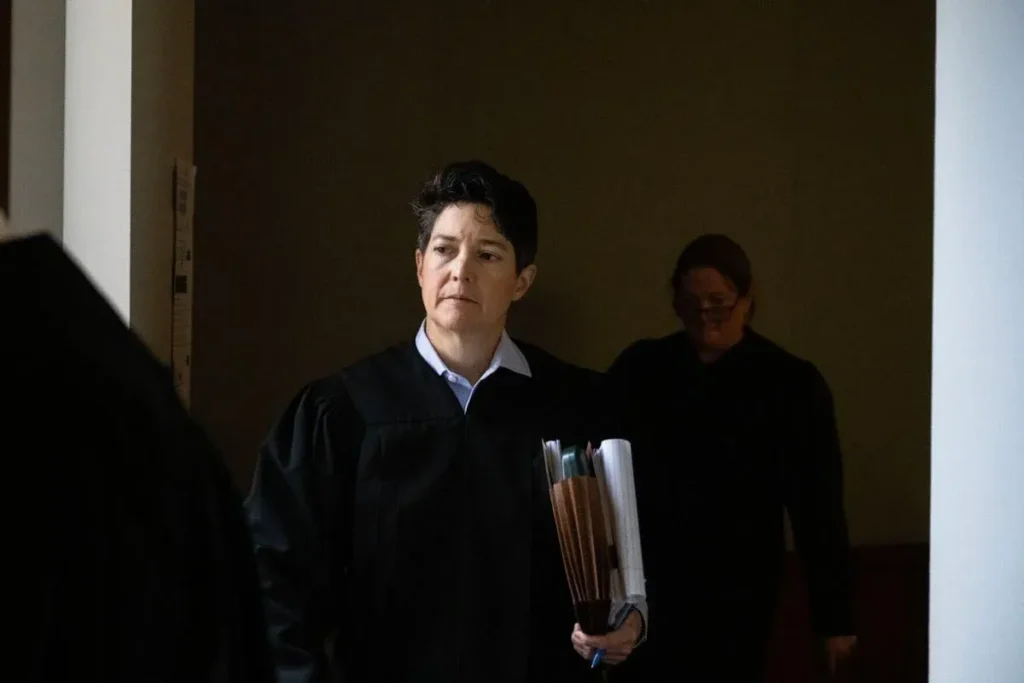
Divided Colorado Supreme Court finds Denver detective did not violate defendant’s Miranda rights
Michael Karlik
michael.karlik@coloradopolitics.com
Updated 2 hours ago
The Colorado Supreme Court determined on Monday that a Denver detective did not improperly resume questioning of a defendant in custody after he invoked his right to counsel. By 4-3, the justices reversed a trial judge’s order that found a...

Colorado Gov. Polis signs social media warrant bill after last year’s veto
Marissa Ventrelli
marissa.ventrelli@coloradopolitics.com
Updated 17 minutes ago
Colorado law enforcement will soon have faster access to digital evidence after Gov. Jared Polis signed a pared‑down bill requiring social media companies to acknowledge and respond to search warrants on a tight timeline, a shift from a broader proposal...
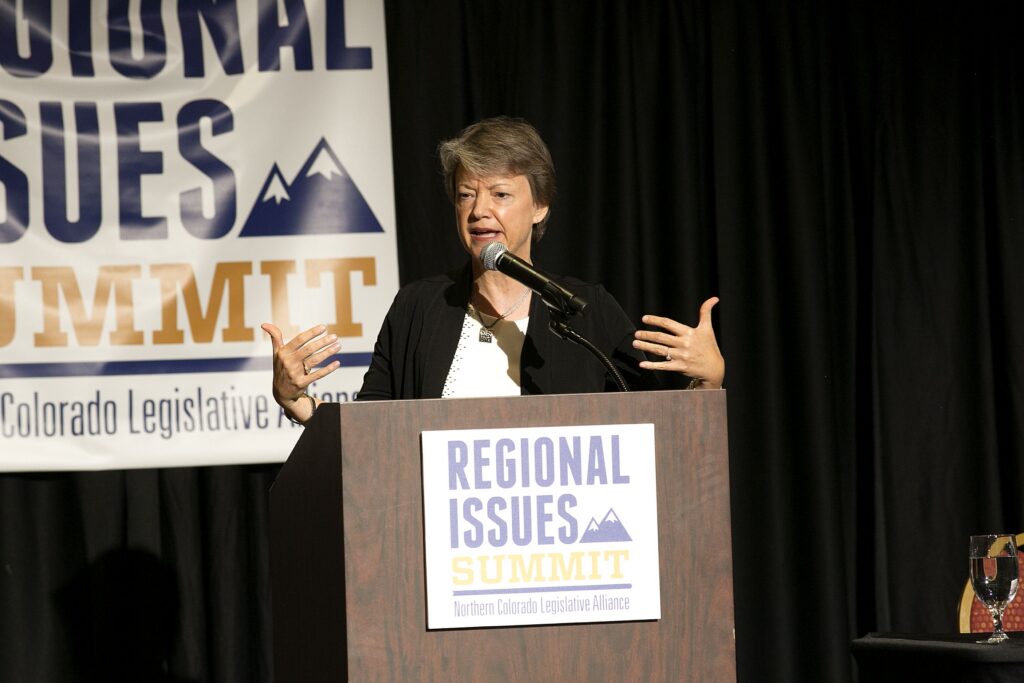
Under fire from legislators and critics, Colorado’s top Medicaid official resigns
Marianne Goodland
marianne.goodland@coloradopolitics.com
Updated 3 hours ago
Kim Bimestefer resigned Monday as Colorado’s top Medicaid official, stepping down just as a bipartisan bloc of state senators prepared to formally urge Gov. Jared Polis to remove her over what they called years of mismanagement, waste and costly errors...

Usha Vance launches story time podcast in latest second lady venture
Asher Notheis, Washington Examiner
asher.notheis.washington.examiner@gazetteedit.wpenginepowered.com
Updated 5 hours ago
Second lady Usha Vance unveiled her new story time podcast of reading children’s stories on Monday. The podcast, Storytime with the Second Lady, features either her reading books or inviting a special guest to read, and is part of her...

Out-of-state judges address ex-discipline director’s lawsuit, Colorado justices accept federal invitation | COURT CRAWL
Michael Karlik
michael.karlik@coloradopolitics.com
Updated 7 hours ago
Welcome to Court Crawl, Colorado Politics’ roundup of news from the third branch of government. A pair of out-of-state judges got down to business in a lawsuit brought by Colorado’s former judicial discipline director, plus the state Supreme Court has...
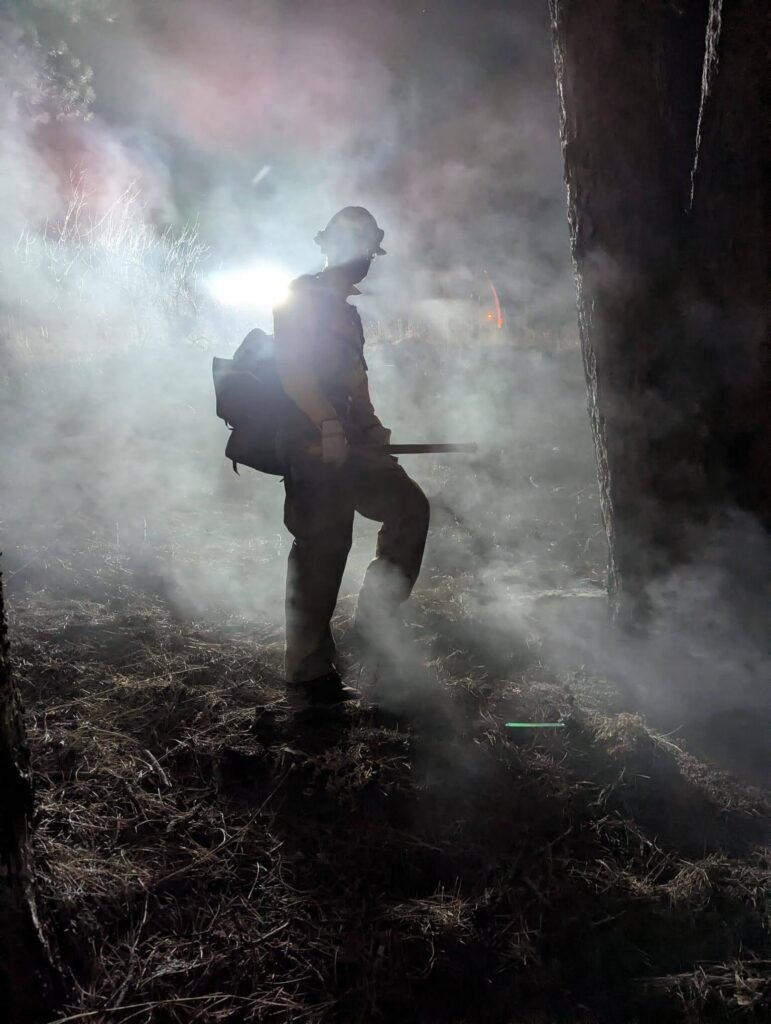
Power grid shutdowns in Colorado bring protection — and problems
Scott Weiser
scott.weiser@gazette.com
Updated 7 hours ago
A downed power line in Sunshine Canyon in the mountains west of Boulder in December posed an electrocution risk to firefighters and bystanders after Xcel Energy re-energized it without repairing it, despite being notified of the break the day before....
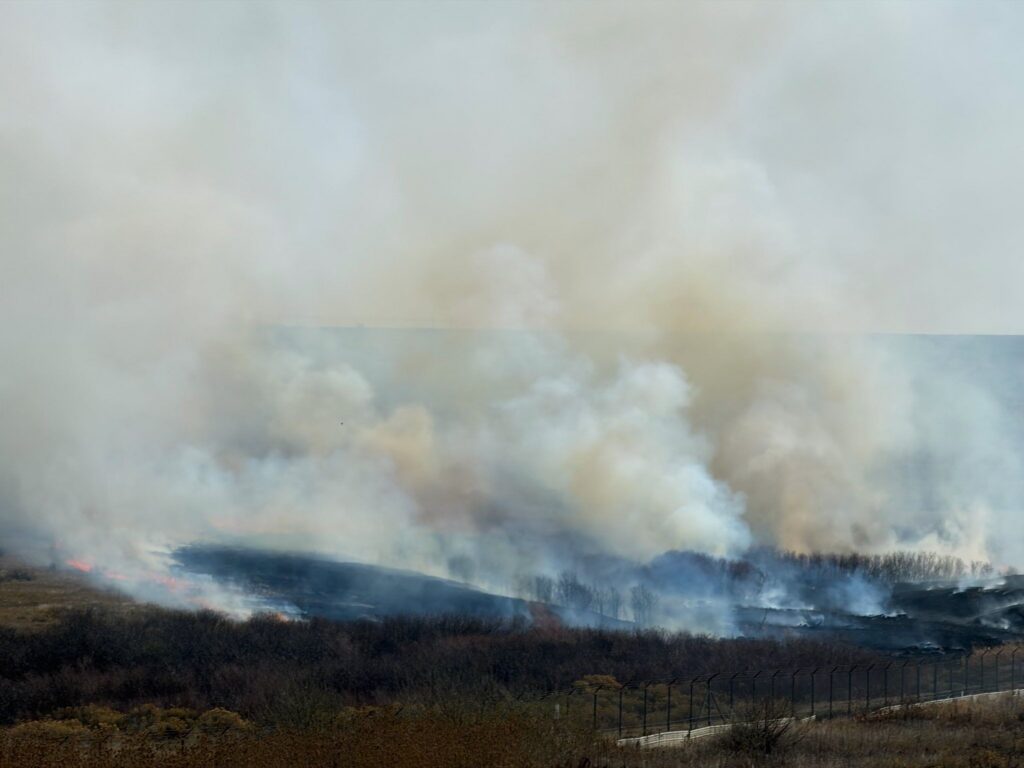
Aurora wildland fire contained at Buckley Space Force Base
Nicholas Fogleman
nicholas.fogleman@denvergazette.com
Updated 7 hours ago
A wildland fire burned Sunday morning on the southwest end of Buckley Space Force Base in Aurora, authorities said. The fire no longer posed a threat and crews were clearing the scene as of 10:53 a.m., according to Aurora Fire...

Unsustainable: How Colorado’s Medicaid spending exploded
Nico Brambila
nico.brambila@denvergazette.com
Updated 8 hours ago
The state’s Medicaid program — which covers about one in four Coloradans — is poised for its largest single-year jump in at least two decades, with officials proposing a $2.3 billion increase, even as lawmakers face a $1.5 billion budget...
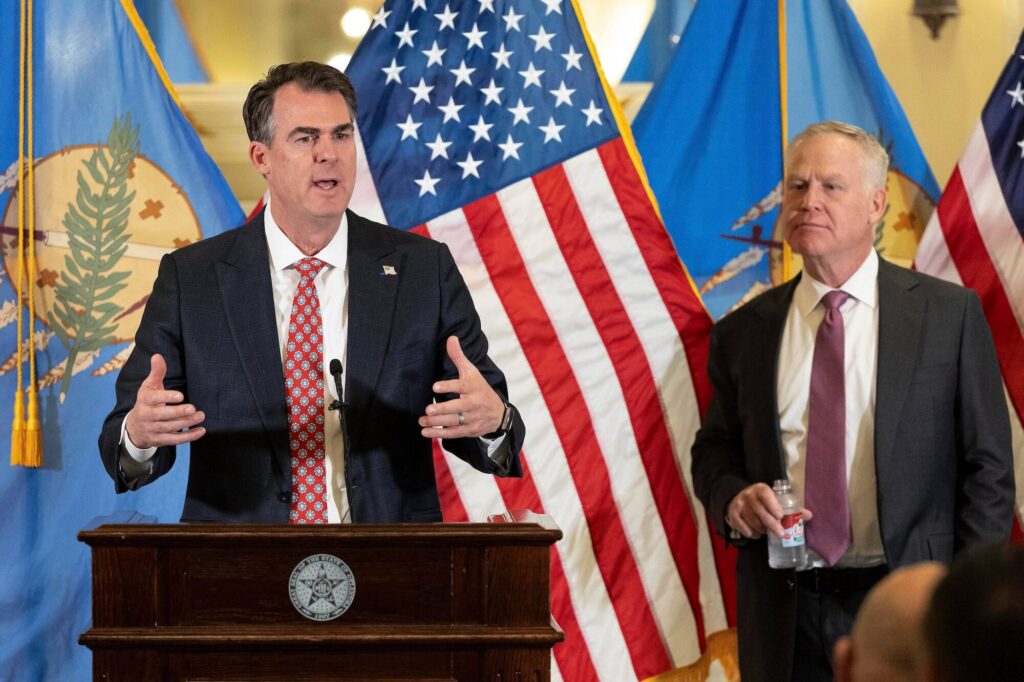
Oklahoma’s governor picks energy executive Alan Armstrong to fill US Senate seat | OUT WEST ROUNDUP
The Associated Press
the-associated-press@coloradopolitics.com
Updated 6 hours ago
OKLAHOMA Governor makes US Senate pick OKLAHOMA CITY — Oklahoma’s governor on March 24 appointed energy executive Alan Armstrong to serve in the U.S. Senate through the end of the year and finish the term of Republican Markwayne Mullin, the...
PREV
PREVIOUS
Colorado Dems back mining reform, GOP focused on Good Samaritan law
Two weeks after the Environmental Protection Agency and contract workers accidentally released 3 million gallons of acid mine waste into the Animas River, federal lawmakers are gearing up for a deluge of debate over how best to solve the problem of thousands of abandoned mines leaching into watersheds all over the West. Experts on mine […]

Activists tweak message, timing in latest anti-fracking ballot fight
Activists will take another crack at passing the Colorado Community Rights Amendment, a proposed ballot initiative designed to give localities a veto over corporate activity, starting with the oil and gas industry. If all that sounds familiar, it’s because a virtually identical measure, also sponsored by Coloradans for Community Rights, failed to collect enough signatures […]