

Medical Homes: More Colorado clinics take a team approach to good health

Coloradans are embracing the “medical home” model for health-care delivery, according to a new report from the Colorado Health Foundation.
In a medical home, the patient is the focus, and doctors – who traditionally play the “starring role” in clinics – become part of a team of professionals, all of whom step in as needed. It’s also known as “coordinated care,” and Jay Brooke, president and chief executive of the High Plains Community Health Center, said meeting all of a patient’s needs is what makes the medical-home approach unique.
“You really serve as the ‘spoke of the wheel’ for the patient, whether they may need some assistance with food stamps or they may qualify for Medicaid,” he said. “Each team has people on that team that knows the community resources.”

Colorado ranks 26th nationally for medical homes serving adults and seniors, according to the report. It found that nearly 200 facilities in the state now are officially recognized as medical homes – up from just 17 three years ago – and they serve almost 40 percent of residents.
The report spotlighted a young patient at a medical home in Thornton who saw a pediatrician, a dentist and a behavioral health specialist, all in the same visit. At a facility in Aurora, the report showed how a teen mother can get treatment at the same time her babies receive care. Brooke said the model also means patients don’t have to wait days or weeks to get an appointment.
“The team concept, and creating access for patients, really leads to the good patient experience,” he said. “We save about 60 percent of our appointments every day for same-day appointments.”

The report found significant challenges remain for medical homes, however. Settling on how coordinated care should be paid for, integrating data, and transitioning into a team culture top the list. Despite the challenges, Brooke said, the findings indicate that the model can save money and help patients with chronic health issues at the same time.
The report is online at http://coloradohealth.org/ReportCard/.
Eric Galatas reports for the Colorado News Connection.


Republican candidates debate how to win the governor’s seat in Colorado — a position the GOP last secured in 2002
Thelma Grimes
thelma.grimes@coloradopolitics.com
Updated 37 minutes ago
Colorado has not elected a Republican governor since 2002. On Thursday night, four candidates offered competing visions for how the party can reverse its 20-plus years of failing to secure the seat. The discussion hosted by the Women of Weld...

Colorado’s charitable gaming board to study Denver Gazette’s findings
David Migoya
david.migoya@gazette.com
Updated 2 hours ago
Colorado’s freshman board overseeing the state’s $110 million charitable gaming industry on Friday created a committee to tackle issues raised in a Denver Gazette investigation that exposed, among other issues, poor supervision and illegal operators. The Colorado Charitable Gaming Board,...
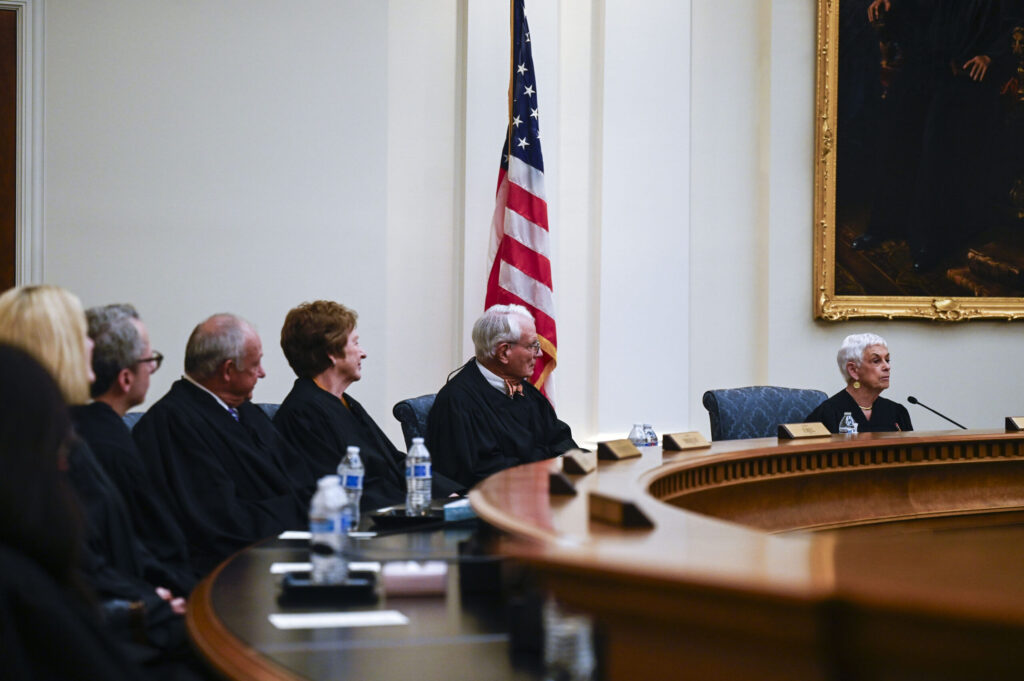
10th Circuit to address resentencing of probation violators in rare all-judges hearing
Michael Karlik
michael.karlik@coloradopolitics.com
Updated 5 hours ago
The Denver-based federal appeals court agreed on Thursday to hold a rare all-judges hearing to determine the proper procedure for resentencing a criminal defendant who has violated the terms of his probation. In the federal appellate courts, the vast majority...

Vape shops challenge Denver’s flavored tobacco ban in court
Deborah Grigsby
deborah.smith@denvergazette.com
Updated 2 hours ago
The smoke has yet to settle in the battle over the city’s flavored tobacco ban as local vape shop owners have sued the City and County of Denver, asking the court to declare the ordinance unconstitutional and stop its enforcement....

US officially leaves the World Health Organization
Washington Examiner Staff, Washington Examiner
washington.examiner.staff.washington.examiner@gazetteedit.wpenginepowered.com
Updated 8 hours ago
The United States officially withdrew from the World Health Organization on Thursday, slightly over a year after President Donald Trump announced his intention to withdraw the U.S. from the WHO via an executive order on the first day of his...

Report: Colorado government has grown beyond TABOR’s limits
Marissa Ventrelli
marissa.ventrelli@coloradopolitics.com
Updated 53 minutes ago
Colorado’s government has grown substantially over the past three decades beyond the limits that voters approved to restrain that expansion, according to a new report from a think tank. The analysis from the Independence Institute, which examines state spending, revenue...
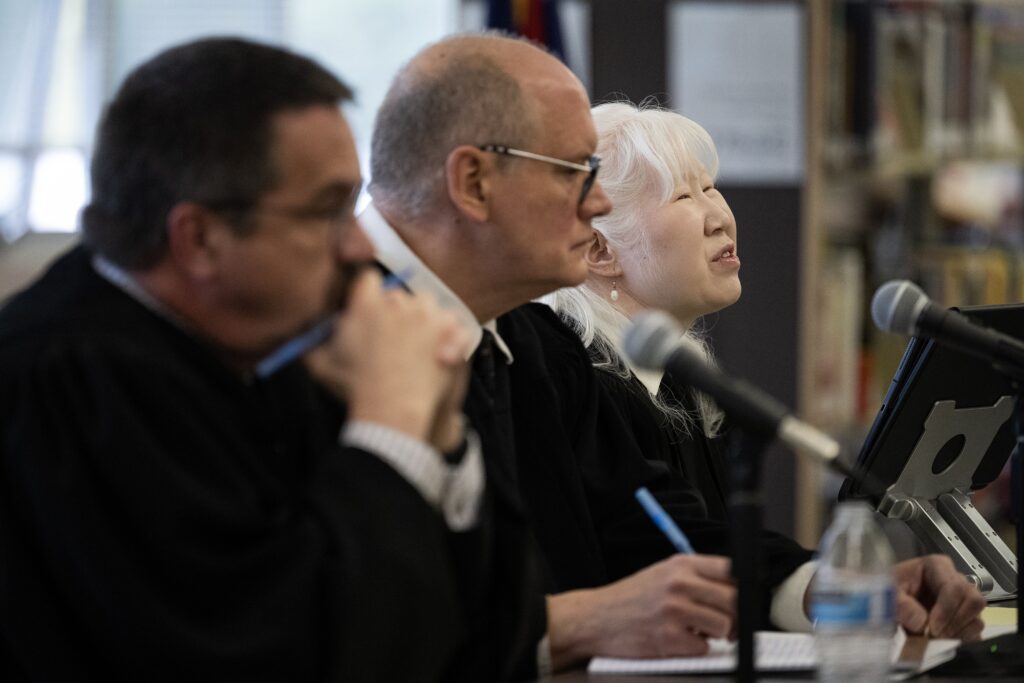
Appeals court overturns Adams County sex offense convictions due to prosecutor’s misconduct
Michael Karlik
michael.karlik@coloradopolitics.com
Updated 9 hours ago
Colorado’s second-highest court reversed multiple child sex assault convictions on Thursday after concluding an Adams County prosecutor committed misconduct while cross-examining the defendant. A three-judge Court of Appeals panel observed the charges against Daniel Michael Boerner depended on the jury...

ACA enrollment in Colorado sees slight dip amid rising costs
Nico Brambila
nico.brambila@denvergazette.com
Updated 1 hour ago
Despite handwringing over enhanced federal subsidies going away for many Coloradans enrolled in health insurance on the state’s marketplace, officials reported Friday just a 2% enrollment dip. More than 277,000 Coloradans enrolled in health insurance through the Affordable Care Act...
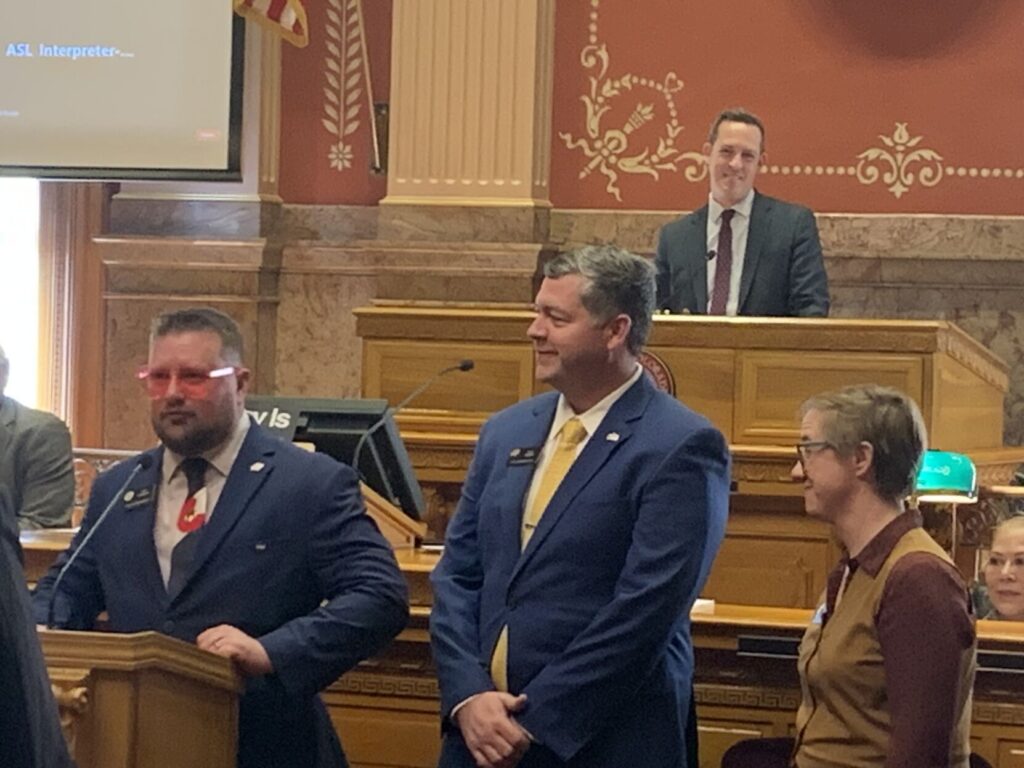
Rep. Ron Weinberg won’t seek reelection
Marianne Goodland
marianne.goodland@coloradopolitics.com
Updated 24 hours ago
Republican Rep. Ron Weinberg of Loveland announced on Thursday evening that he will not seek another term in the Colorado House. “Serving this community has been one of the greatest honors of my life,” the two-term state representative said on...

Colorado title board OKs ballot measures to eliminate flat income tax in favor of graduated brackets
Marianne Goodland
marianne.goodland@coloradopolitics.com
Updated 35 minutes ago
Proponents hoping to change Colorado’s income tax structure from a flat rate to graduated tiers — thereby raising taxes for some brackets — walked away from a Wednesday meeting with eight ballot measures approved by the title board. The coalition...
PREV
PREVIOUS

Strode: Colorado’s future health care system a ‘work in progress’
As a recipient of the State Innovation Model grant, Colorado is playing a leading role determining how the future of health care might look. Focused on integrating care and payment innovations, the grant is one of many projects targeting health care in the state. In an interview with Catherine Strode, attorney Elisabeth Arenales of the […]

Blake: How long before Bustang is put out to pasture?
Privatize the profits, socialize the losses. That’s what the Colorado Department of Transportation does with Bustang, the new state-owned intercity bus operation. Bustang began operating July 13 with routes from downtown Denver north to Fort Collins, south to Colorado Springs and west to Glenwood Springs. The profits go to Ace Express Coaches, which operates the […]