

Forum on race, justice is just the beginning
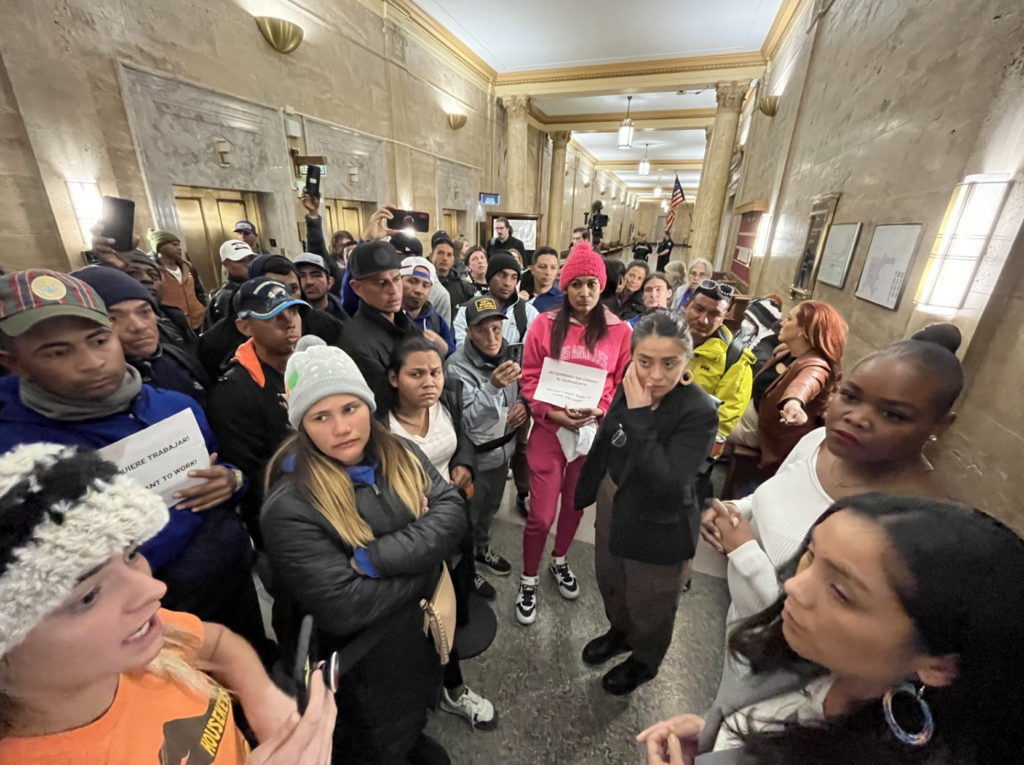
At 3 p.m. on the Friday afternoon before the final weekend leading up to Christmas you couldn’t help but wonder how many Denver residents would be willing to show up for a discussion of race, justice and police brutality. The answer turned out to be that a lot of people found the time to fight traffic, parking and a balky, Internet reservation system to claim 150 seats at the Colorado History Museum. Another 50 or 60 individuals, who either weren’t willing to take “no” for an answer or didn’t realize they had been expected to RSVP, squeezed

into gaps against the rear wall. Mayor Michael Hancock served as facilitator for the bold discussion he envisioned. A panel that included Police Chief Robert White, Latino Initiative Director Lisa Calderon, Pastor Anthony Grimes, a ninth grader from the Denver School for the Arts and several ethnic studies students backed him up.
Dr. Val Flores, recently elected to represent Denver on the state school board, explained to me that this arrangement of a panel of experts responding to questions was the Delphi method. Clearly it doesn’t suit the communication style most comfortable for many participants. Neither does it constitute a genuine conversation. The first statement from the audience contained an objection to the demand that speakers submit their questions on note cards. This requirement was summarily discarded in favor of spoken inquiries. But these questions frequently carried implicit information that left the audience wondering what the full circumstances being referenced might have been. The young African American man who asked the Mayor whether the new Union Station was actually open to the public or was now controlled by the Crawford Hotel got an answer from Hancock that Union Station belonged to all the people of Colorado, but you were left wondering why this question was asked in the first place.
Charlene Porter, a former Denver school teacher, used her turn at the microphone to ask Denver school superintendent Tom Boasberg, who sat in the front row, why she had been unable to arrange a meeting with curriculum staff to discuss inclusion of her award winning novel, which recounts Denver’s racial history, as a resource in Denver public schools. “Boldfaced Lies” examines the period of Klu Klux Klan domination at City Hall. Boasberg immediately began his weasel dance and mumbled that he certainly didn’t select textbooks and explained that the School Board would never consider advising classroom teachers about which resources they should use. To his credit the Mayor advised the Superintendent to meet with Ms. Porter at the conclusion of the event and schedule the meeting that she was seeking. Unfortunately the issues under discussion at any given moment bounced around like the silver balls in a pinball machine, changing with each new question and thereby eroding any coherence to the conversation. Several attendees walked out in apparent disgust.


Nonetheless, there were any number of intriguing comments, including observations that racism was not bigotry, that racism is usually systemic not personal, that cultural competence needs to be learned, that mere inclusion often is not enough, that disdain for the police can prove self-defeating, that a fundamental shift in power structures is required, that our problem is not flawed relationships — it is those crazy enough to think they can change the world who do — each of these alone seemed worthy of an extended exploration. Perhaps the most perceptive was an observation from a woman in the audience who observed that Denver stands only one incident away from its own Ferguson.
The Mayor deserves to be commended for being willing to launch what he promised will be a continuing and extended hard conversation, at least in part motivated by an effort to forestall an explosion of outrage. After the killing of two police officers in New York City over the weekend, it is evident we are all skating on very thin ice while anger, backlash and misunderstandings swirl beneath our feet.
The community discussion the Mayor desires should probably take many forms. One student mentioned a preference for sharing personal stories. Another rose to ask for more educational materials. The high profile panel approach may attract the media, but this format is unsuited for many, perhaps most, who have something other than a question they wish to share. Denver churches could certainly host evenings where individuals could share their experiences, both positive and negative — periodically and with shifting themes. Many universities have organized similar testimonial opportunities for campus victims of sexual assault, to generally well-received effect, as do most twelve-step recovery programs — where the speaker’s time is respected and the content is delivered without interruption. The ethnic studies faculty at our local colleges might best organize forums for those more academically inclined. The social media universe, populated by Twitter, reddit, instagram and Facebook aficionados, has likely already launched their own discussion platforms. The Mayor should coordinate and contribute to these dialogues. It’s impossible to predict when or which chance comment will open the mind of an individual to alter his or her perception of what first appears to be benign neglect and then becomes a recognition of malign neglect. Elected leaders are often the least likely to foster such awareness, forced as they are to hedge and guard their remarks. Denver’s Mayor may be best served in his genuinely noble quest by letting a thousand flowers bloom!
Columnist Miller Hudson is a public affairs consultant in Denver. He can be reached at mnhwriter@msn.com.
Colorado Politics Must-Reads:

Appeals court says jury not obligated to apply discounts to determine value of stolen merch
Michael Karlik
michael.karlik@coloradopolitics.com
Updated 53 seconds ago
Colorado’s second-highest court concluded on Thursday that it was up to a Douglas County jury to determine the value of stolen merchandise at a defendant’s theft trial, after both sides presented different estimates of the items’ value. Under state law,...

Trump switches endorsement back to Jeff Hurd, says Hope Scheppelman is ending run in Colorado’s 3rd CD
Ernest Luning
ernest.luning@coloradopolitics.com
Updated 11 minutes ago
In a surprise twist, President Donald Trump on Friday said he was again endorsing Republican U.S. Rep. Jeff Hurd after pulling his support from the Grand Junction Republican last month and instead backing Hurd’s primary challenger in Colorado’s 3rd Congressional...
Highway 115 fire blows up, road closed south of Colorado Springs
Nick Smith
nick-smith@coloradopolitics.com
Updated 15 hours ago
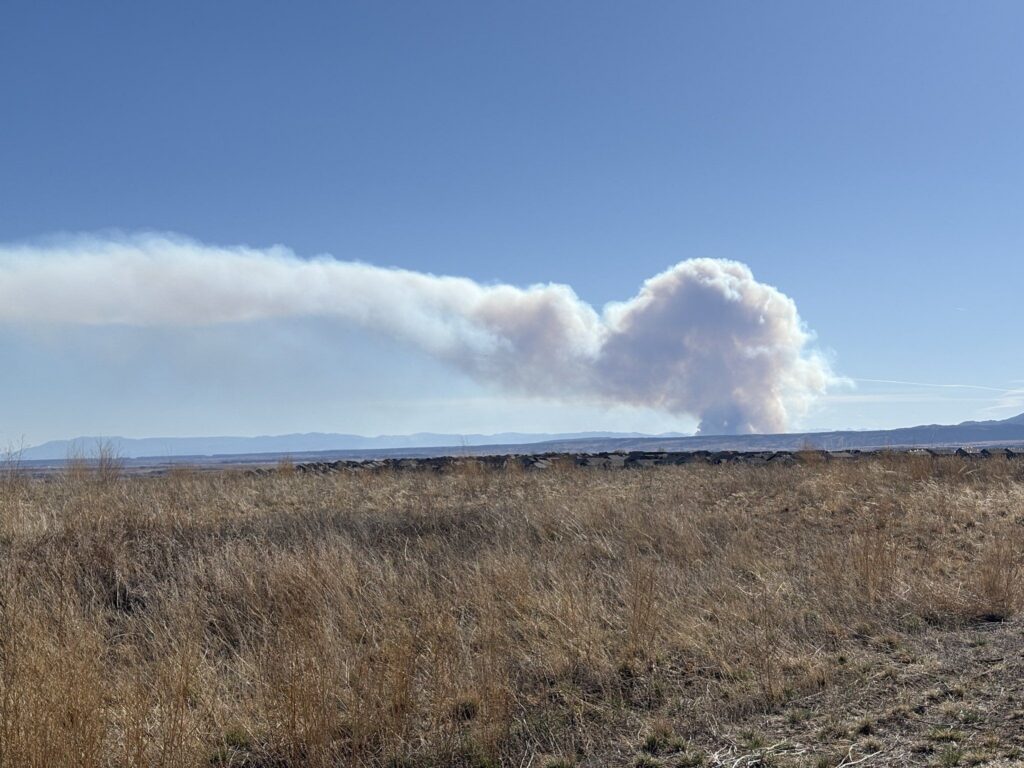
A fast-moving fire burning along Colorado 115 south of Colorado Springs blew the containment line Thursday, spreading farther east onto Fort Carson and scorching nearly 700 acres, officials said. The blaze was fully uncontained as of late Thursday afternoon, officials...
Public figures have limited path to sue over accusations of criminality, says appeals court
Michael Karlik
michael.karlik@coloradopolitics.com
Updated 2 hours ago
Colorado’s second-highest court ruled last week that a public figure cannot sue for defamation solely because a person publicly accuses them of committing a crime, as the statement may be constitutionally protected opinion. A three-judge Court of Appeals panel narrowed...
Proposed data center regulation in Colorado draws critics, backers
Scott Weiser
scott.weiser@gazette.com
Updated 17 hours ago
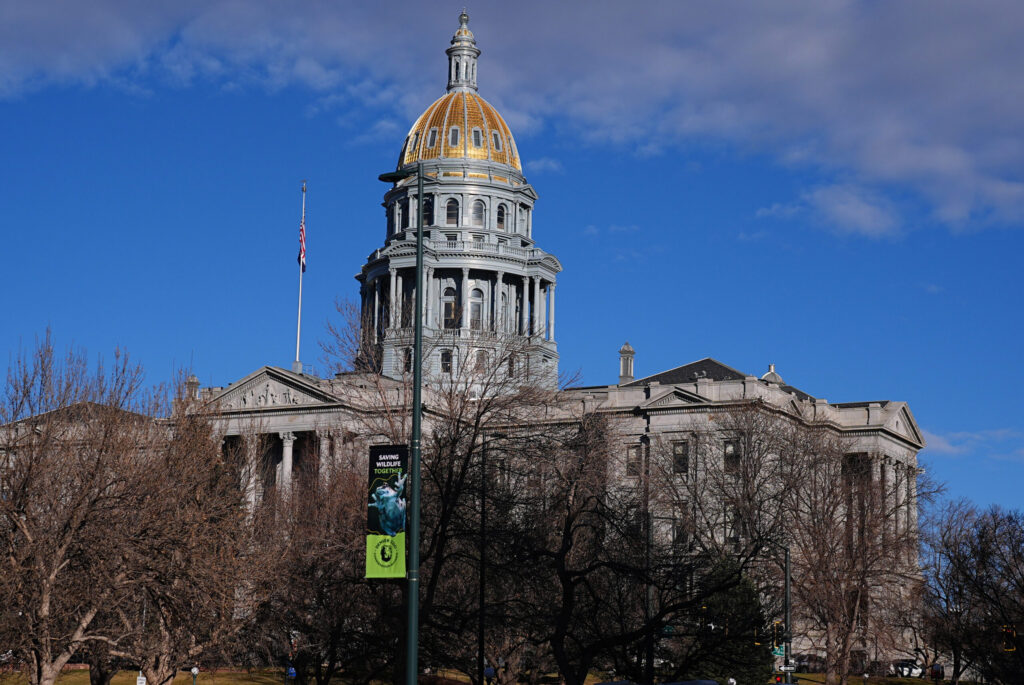
A packed marathon hearing at the state Capitol in Colorado highlighted the sharp divide between two competing approaches to the effects of data centers, one of America’s fastest-growing technology sectors. Data centers are the physical facilities that host the servers,...

Conservation Colorado proposes measures aimed at oil and gas companies
Marissa Ventrelli
marissa.ventrelli@coloradopolitics.com
Updated 19 hours ago
The environmental group Conservation Colorado has introduced four ballot measures it says are in response to an initiative that aims to enshrine Colorado businesses’ and consumers’ right to purchase and sell natural gas in the state’s Constitution. Filed with the...
Colorado revenue forecast worsens, pushing budget shortfall to nearly $1.5B
Marianne Goodland
marianne.goodland@coloradopolitics.com
Updated 48 minutes ago
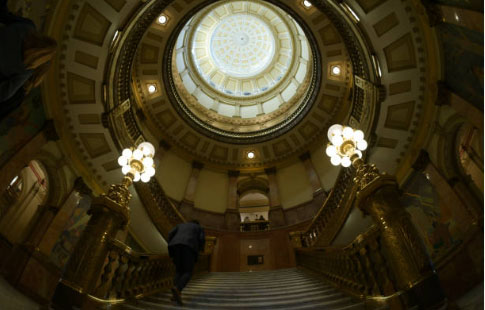
The latest revenue forecasts from economists at the state Capitol show that the state’s budget predicament has worsened — by hundreds of millions of dollars more. That, in turn, means cuts programs and services in next year’s fiscal budget will...
Federal judge to consider sanctioning ex-Colorado judicial discipline director
Michael Karlik
michael.karlik@coloradopolitics.com
Updated 17 hours ago
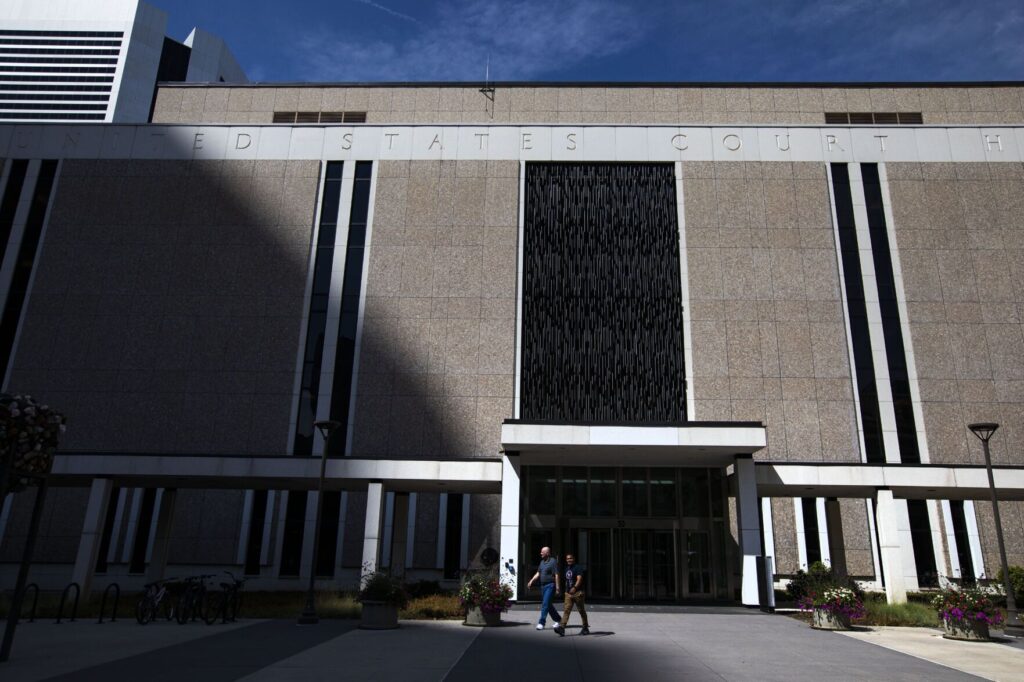
A federal judge ordered Colorado’s former head of judicial discipline on Wednesday to explain why she should not sanction him for making inaccurate statements about the defendants in his lawsuit against the Colorado Supreme Court and related entities. U.S. District...
With jails overcrowding, Gov. Jared Polis asks for new prisons as lawmakers face budget shortfall
Marianne Goodland
marianne.goodland@coloradopolitics.com
Updated 49 minutes ago
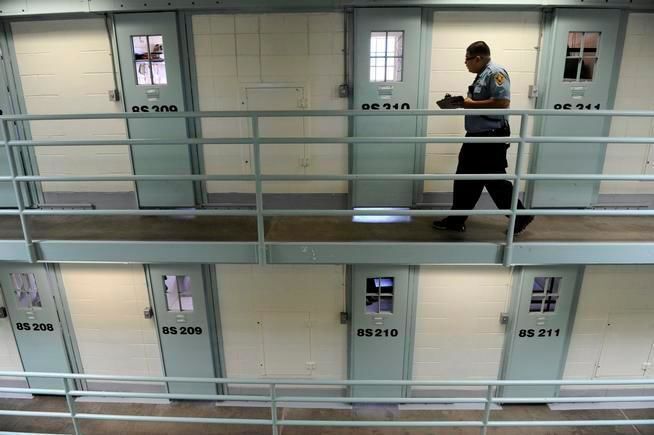
The Polis administration is asking for hundreds of millions of dollars to expand the state’s prison system, just as Colorado’s legislators are bracing for a worsening fiscal outlook. The request sets up a clash over priorities at a time when...
Costs explode for Colorado program covering pregnant women and children living in the U.S. illegally
Marianne Goodland
marianne.goodland@coloradopolitics.com
Updated 1 day ago
A state program providing health care to pregnant women and children living in the country illegally is costing far more than lawmakers expected, with expenses nearly tripling in just a year and threatening to squeeze Colorado’s budget amid a nearly...
PREV
PREVIOUS

End of Cuban embargo is good policy for U.S.
Congratulations to President Obama for being the first president to stand up and reject the counterproductive and long outdated Cuban embargo. And to heck with U.S. Senator Marco Rubio and others for their attacks on him. How can they justify an embargo that was first imposed on October 19, 1960, extended on February 7, 1962 […]
Will Colorado Republicans continue to heed the Call? Or usher in a new House?
A political riddle for all those who followed the 2014 elections here in the state: Would you call Colorado Republicans “winners” for taking the U.S. Senate seat away from a well- entrenched Democratic incumbent; sweeping the statewide offices; taking control of the state senate; and picking up seats in the state house? Or, were Colorado […]