

Security chiefs in Denver talk about transport terror

Transportation experts and officials from across the country gathered at the Denver Art Museum on June 28 to hear Craig Coy, a leading authority on mass transportation security and counterterrorism, speak about the challenges facing their industry. The event, organized by the Counterterrorism Education Learning Lab, better known as The CELL, was part of a national conference on transit security that was held in Denver.
The evening began with a tour of the two-year-old CELL, located kittycorner from the museum, and gave the conference attendees a chance to see the museum’s unique exhibit, Anyone, Anytime, Anywhere: Understanding the Threat of Terrorism. The exhibition, which features artifacts such as a replica of a suicide bomber’s shrapnel vest and interactive touchscreens laying out incidents of terrorism, elicited an emotional reaction from some of those in attendance – most noticeably at a moment in a video presentation where Zainab Al-Suwaji, executive director of the American Muslim Congress, was describing a talk being given by a radical cleric. It was directed at her young daughter in the audience, who she urged to listen closely because she wanted the young girl to one day become a martyr.
After the tour, attendees were ushered to the lower level theater by The CELL’s executive director Melanie Pearlman. A short video highlighted some of The CELL’s work, including a short speech by former New York City mayor and 2008 presidential hopeful Rudy Giuliani. Pearlman introduced Regional Transportation District security chief John Tarbert, who then introduced the featured speaker, former CEO of Massachusetts Port Authority (also known as Massport) and current president and CEO of L-3 Communications Homeland Security Group, Craig P. Coy.
Coy, who also previously served in the administrations of Ronald Reagan and George H. W. Bush, made budget efficiency and accountability a centerpiece of his prepared remarks. “To reverse an organization that is suffering from a loss of revenue, a total lack of morale, a bad reputation – and still needs to serve the public – you need a dramatic event to grab the organization and get everyone’s attention,” Coy said, referring to being brought on at Massport in the six months following the disastrous security breach at Boston’s Logan Airport during the 9/11 terror attacks. “Part of that came with a ten percent reduction in staffing due to the downturn in air travel and revenue, but that’s obviously a very negative event. What I needed was what I call a positive action-forcing event.”
For Coy, this came in the form of a congressional mandate that the country’s airports electronically screen all checked bags by the end of 2003. “When I arrived on the job in April of 2002, a letter from 39 other airport leaders seeking relief from that requirement awaited my signature. I decided to ‘just say no’ and say ‘yes’ to a gamble – we were going to make that deadline,” Coy said about the massive undertaking by Logan’s employees. “Patriotism is not too strong a word to describe the motivation of these citizen[s] who did two years of construction in about six months.”
After the speech, Coy and Pearlman sat together in the center of the stage for what turned out to be a very candid and insightful question and answer session. In a scene somewhat reminiscent of James Lipton’s Inside the Actor’s Studio – complete with canvas director’s chairs – Pearlman fired off questions gathered beforehand from some of the security chiefs in attendance. Noting that revenue streams relate directly to the capacity for tighter security, Coy pointed to the $4.50 Passenger Flight Charge, or PFC, that is added on to every air ticket sold in the United States as a potential tool for improving inspections at ports of entry of shipping containers – of which, he added, only a staggering three percent are actually inspected. Much like the PFC, where funds are transferred directly from individual airlines so the airports themselves can buy bonds for infrastructure and security projects, Coy proposes that a $10 container facility charge be added to every container shipped. After interest is accrued, the funds could then be used to develop capital construction projects to make container inspections more efficient, or to develop new systems for inspecting containers.
When asked by Pearlman about whether there were specific hierarchies of targets for terrorist groups, Coy was quick to point out that “The New York City subway system alone has as many openings as there are gates in every airport in the country.” However, Coy also pointed out that “aviation continues to be a key target for terrorists,” along with targets of historical, ideological, and economic significance.
The balance between customer service and security was another topic the pair returned to during the interview. When Pearlman asked about the potential for doing more thorough bag searches on commuter trains of airports, similar to the way Spanish officials responded to the 2004 bombing of the Madrid Cercanías train system, Coy responded that it was “logistically impossible.” Common sense random bag searches and passenger education was the only way to stay within the boundaries of tolerance for search-weary travelers, Coy stated.
Pearlman also asked Coy to comment on the controversial tactic of disruption of cell phones for commuters due to the risk of their frequent use to detonate explosive devices. “Customers’ cell phones are a way of life,” Coy pointed out, saying he favors allowing their use despite the risk because it “goes into the customer service standpoint.”
The evening concluded with an audience Q&A section. The first question, perhaps unsurprising given the recent nationally publicized story of TSA agents in Florida forcing a 95-year-old woman to remove her adult diaper for a search, was asked by a male audience member who brought up the incident and whether or not profiling, in Coy’s opinion, was effective. “Physical profiling is not the way to do it,” he said, instead pointing to the effectiveness of what he referred to as “behavioral pattern recognition” and added that the incident in Florida didn’t make much sense. But it was ultimately the airport’s federal safety director who held the responsibility for discretion of searches.
Previous events presented by The CELL included an event last May on the recent turmoil in the Middle East that was moderated former Colorado Governor Bill Ritter. The organization will be holding an event marking the tenth anniversary of 9/11 in September in Civic Center Park, co-hosted by Governor John Hickenlooper.


Record snow drought in Western states raises concern for water shortages, wildfires | OUT WEST ROUNDUP
The Associated Press
the-associated-press@coloradopolitics.com
Updated 3 days ago
MONTANA Record snow drought raises concerns A record snow drought with unprecedented heat is hitting most of the American West, depleting future water supplies, making it more vulnerable to wildfires and hurting winter tourism and recreation. Scientists say snow cover...
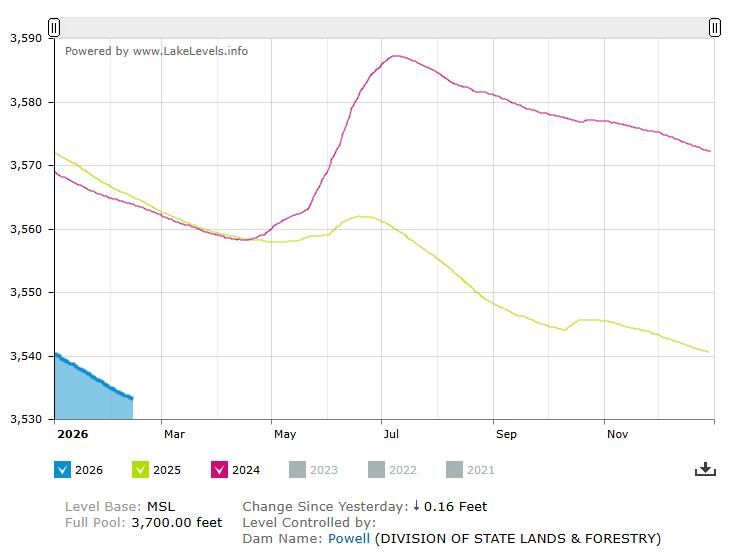
With the deadline missed, Bureau of Reclamation plans to move forward on Colorado River operations
Marianne Goodland
marianne.goodland@coloradopolitics.com
Updated 20 hours ago
Feb. 14 was no Valentine for the seven states of the Colorado River, which failed to come up with an agreement by that deadline on how to manage the river beginning Oct. 1. The Department of the Interior and the...
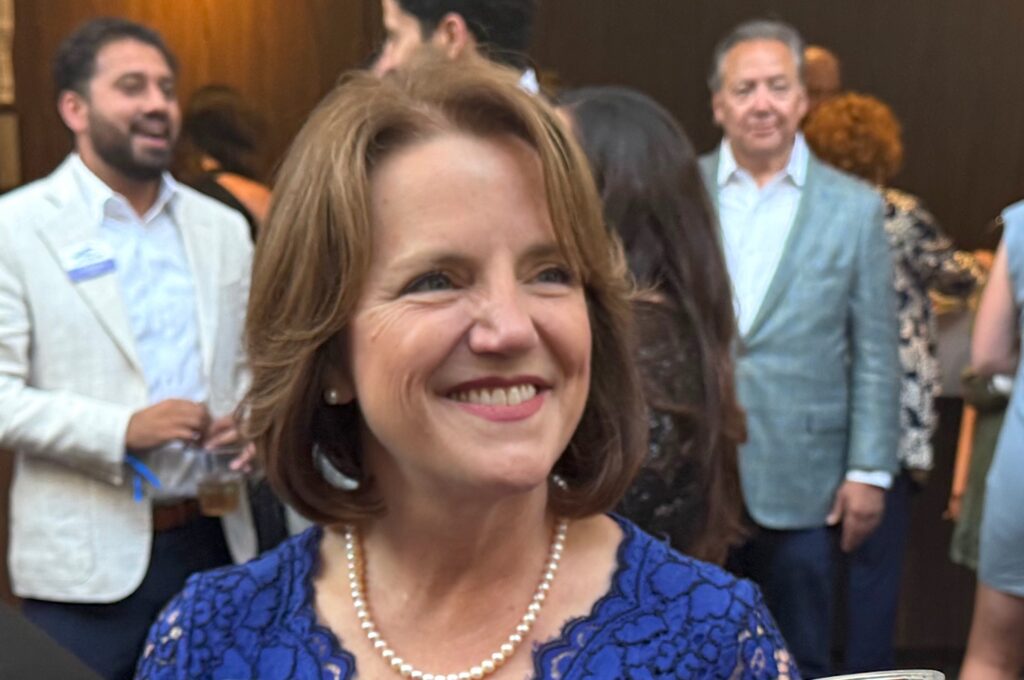
Democrat Shannon Bird qualifies by petition for primary ballot in Colorado’s toss-up 8th CD
Ernest Luning
ernest.luning@coloradopolitics.com
Updated 18 hours ago
Former state Rep. Shannon Bird has qualified for the Democratic primary ballot in Colorado’s hotly contested 8th Congressional District by submitting a sufficient number of petition signatures, state election officials said this week. The winner of the Democrats’ June 30...
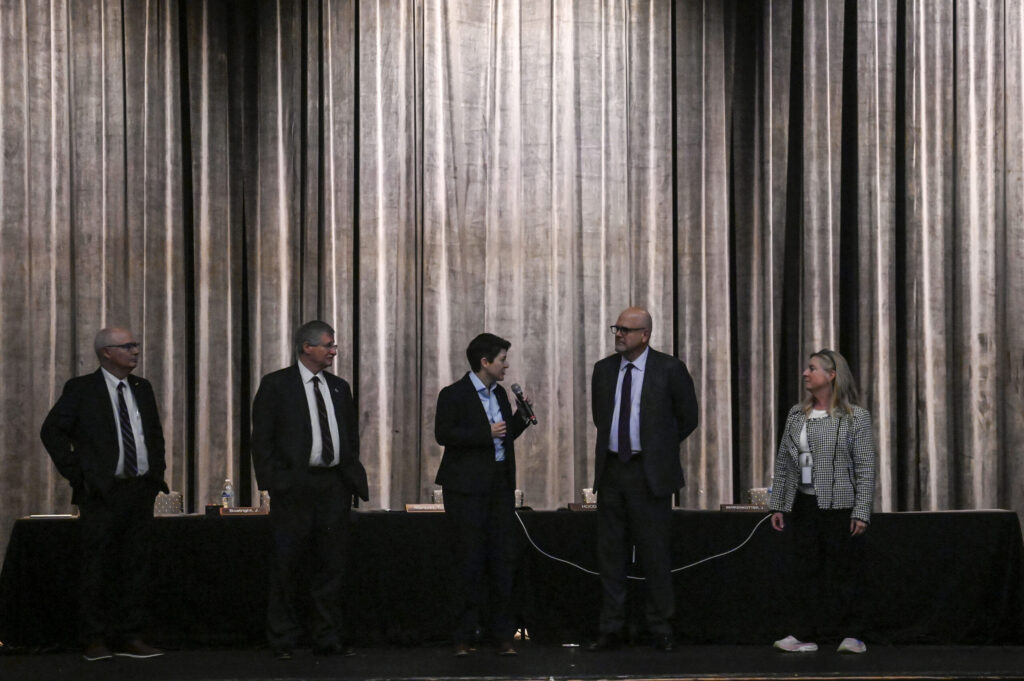
Colorado Supreme Court accepts cases about reliability of gun-to-bullet matching
Michael Karlik
michael.karlik@coloradopolitics.com
Updated 20 hours ago
The Colorado Supreme Court announced on Monday that it will hear two cases questioning the reliability of expert testimony that purports to identify whether a specific bullet was fired from a specific gun. At least three of the court’s seven...
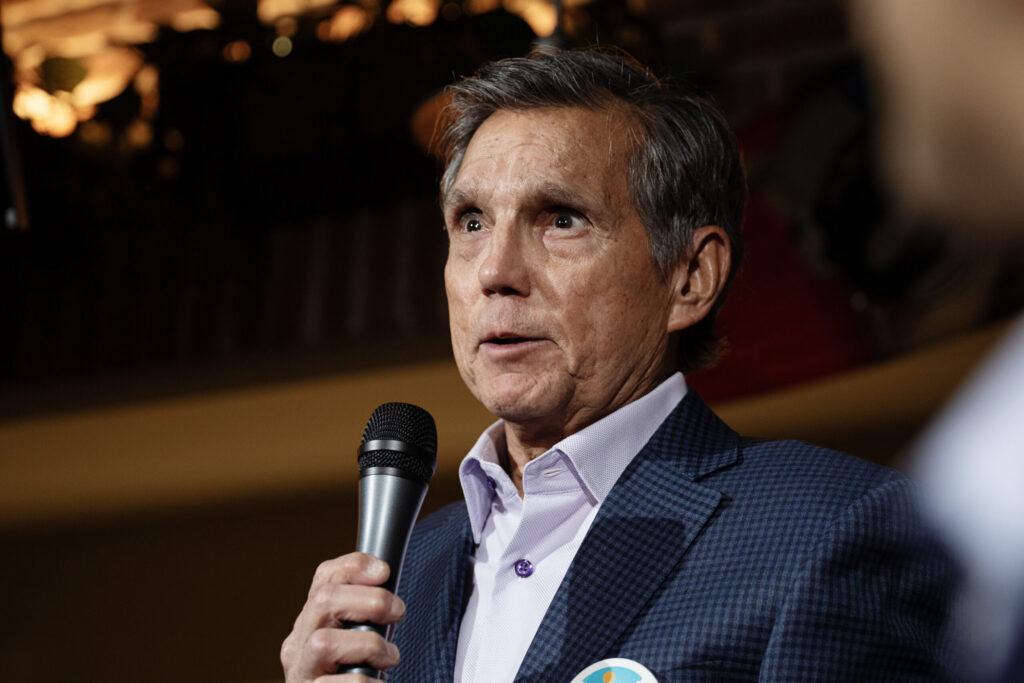
State Rep. Peña outlines significant inequalities in Colorado’s school finance law | A LOOK BACK
Rachael Wright, Special to Colorado Politics
rachael.wright@coloradopolitics.com
Updated 4 days ago
Forty-Five Years Ago This Week: In a guest column published in The Colorado Statesman, House Minority Leader Rep. Federico Peña, D-Denver, wrote that his greatest disappointment with the legislative process was “the inability, or unwillingness, of the General Assembly to...
Colorado Politics Calendar Feb. 16-22
Rachael Wright, Special to Colorado Politics
rachael.wright@coloradopolitics.com
Updated 3 days ago
CoPo’s weekly political calendar will help you find political and public-policy events throughout Colorado. It includes candidate and issue campaign events, public policy meetings, court hearings, state and local party conventions, assemblies, debates, rallies, parades, speaking engagements, traveling dignitary appearances,...
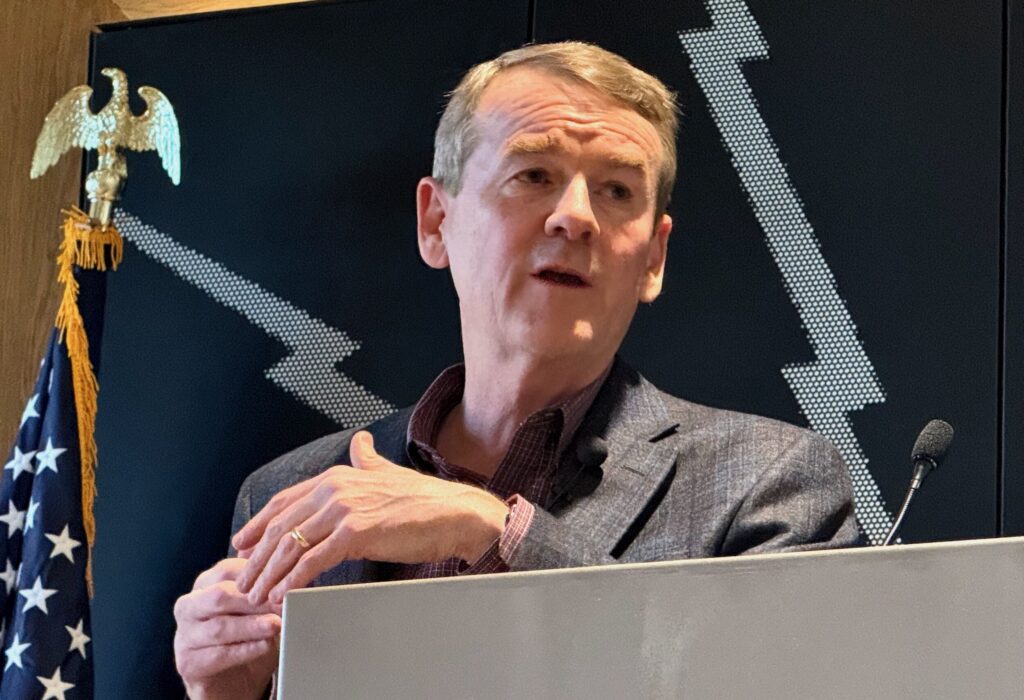
Michael Bennet and ‘the question’ | SONDERMANN
Eric Sondermann
eric-sondermann@coloradopolitics.com
Updated 16 hours ago
The train usually runs only one way. The route goes from the state Capitol to Washington, D.C. State legislators become members of Congress; governors become senators. See Hickenlooper, John. Including our junior senator, no matter his years, a total of...

Colorado District Attorneys unveil 2026 legislative priorities | WHAT’S YOUR AGENDA?
Marissa Ventrelli
marissa.ventrelli@coloradopolitics.com
Updated 3 days ago
Welcome to What’s Your Agenda?: The Colorado Politics’ weekly publication of trade association priorities for the state’s 2026 legislative session. The Colorado District Attorneys’ Council provides training, resources, and legislative support to every prosecutor in the state. In order to...
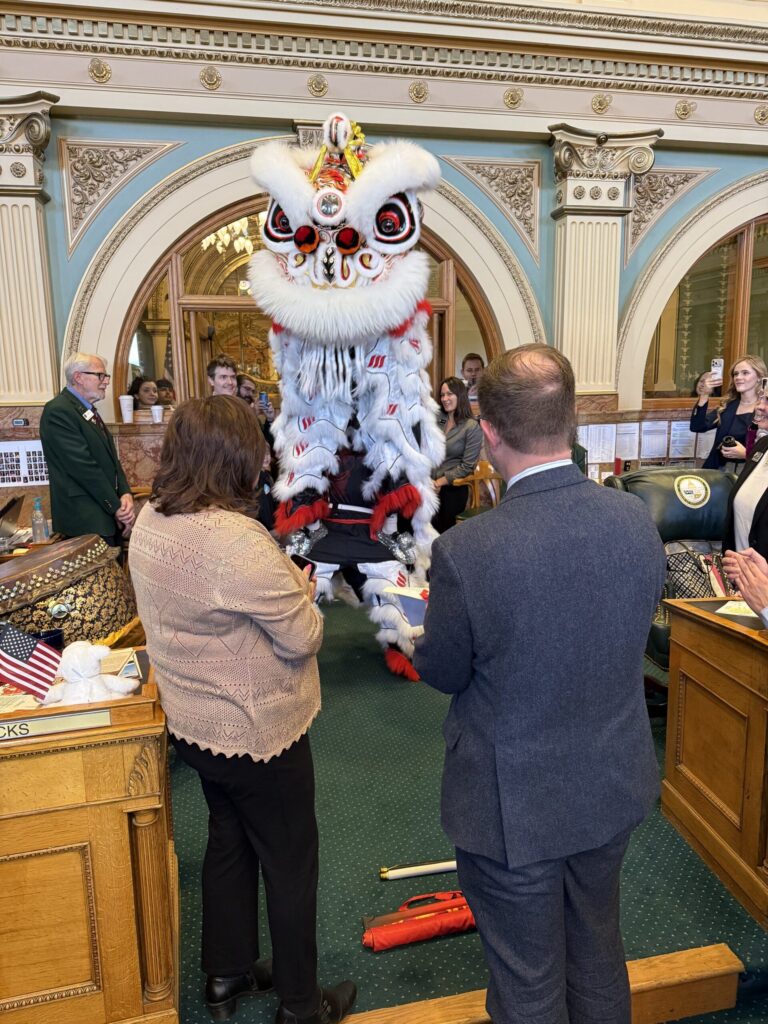
A day in the life of the Capitol: Capitol M | Week of Feb. 14, 2026
Marianne Goodland
marianne.goodland@coloradopolitics.com
Updated 3 days ago
The lighter side of the Capitol, usually. If you were walking around the Capitol on Feb. 12, there was plenty to see and to be amused (or delighted) by. Let’s start with the high school kids from Greeley’s District 6....
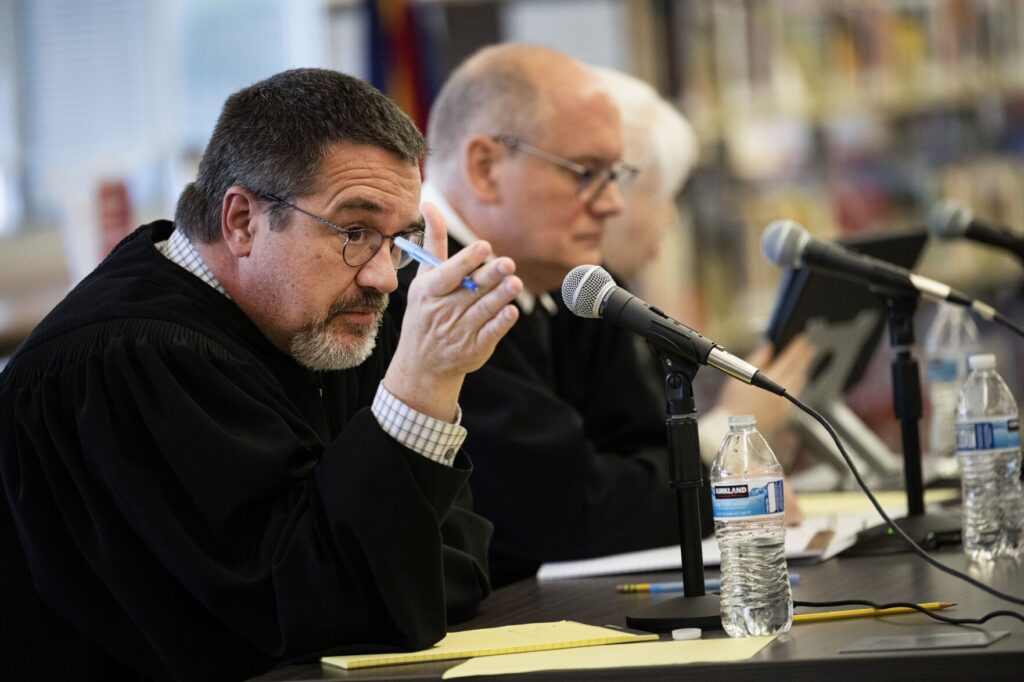
Appeals court clarifies what materials judges may rely on for postconviction decisions
Michael Karlik
michael.karlik@coloradopolitics.com
Updated 2 days ago
Colorado’s second-highest court clarified on Thursday that trial judges who are deciding whether to grant relief to convicted defendants may rely on the materials attached to, or referenced in, the parties’ arguments. In contrast to direct appeals of criminal convictions,...
PREV
PREVIOUS
Mayor-elect Hancock gets down to biz
Denver Mayor-elect Michael Hancock last week returned to the Lower Downtown business where he launched his mayoral campaign to kick off a series of roundtable meetings with small business owners. It’s part of a pledge the city councilman made during his campaign to meet with 100 business leaders as part of his First 100 Days […]

Mayor-elect Hancock names chief of staff
With just under two weeks to go until he takes office, Denver’s Mayor-elect Michael Hancock named Janice Sinden as his chief of staff this week. It’s the first job the incoming mayor has filled in his new administration, and it will be key to filling the remaining more than 60 appointments he will make, he […]