

assault
-
Appeals court clarifies when ‘imminent danger’ applies in prisoner lawsuits
Colorado’s second-highest court addressed for the first time earlier this month how judges should determine if an incarcerated plaintiff has shown he is in “imminent danger,” which would allow him to proceed with his lawsuit without paying the upfront fees typically required. Under state law, prisoners are not prohibited from pursuing civil lawsuits if they…
-
Colorado Supreme Court reinstates $940,000 jury award to man run over during rescue attempt
The Colorado Supreme Court on Tuesday upheld a jury’s finding that a taxicab operator owed $940,000 to a man who intervened in the assault of a driver, only to see the enraged assailant steal the cab and run him over with it. Previously, the state’s second-highest court disagreed that the act of stealing a taxi…
-

Larimer County deputy not liable for jail assault, federal judge rules
A former Larimer County sheriff’s deputy is not liable for a man’s assault at the hands of another jail detainee, a federal judge ruled on Tuesday. Dustin Napier suffered a broken jaw and other wounds after his cellmate attacked him in the county jail. On two prior occasions, Napier had asked Deputy Luke Albrook to…
-
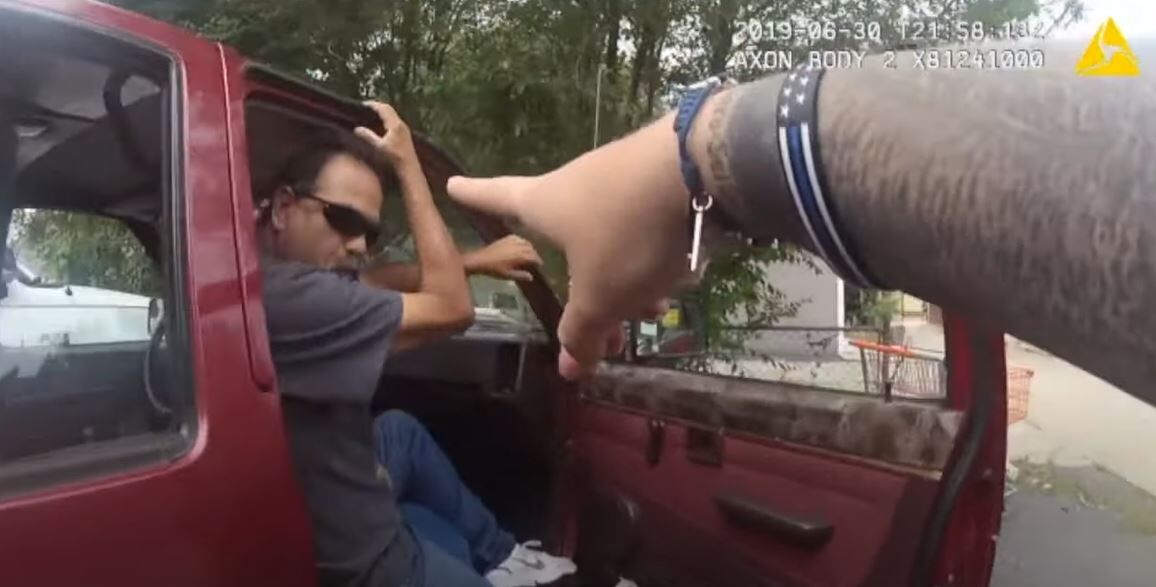
Federal judge sends unlawful arrest, excessive force claims against Denver officers to jury
A jury will decide whether two Denver police officers are liable for unlawful arrest, excessive force and malicious prosecution after a federal judge last month found it possible the defendants arrested a man for an assault that never happened. Aaron Hernandez was sitting in a vehicle with his son in a church parking lot when…
-

Denver judge wrongly barred witness testimony, appeals court rules in reversing 64-year sentence
A Denver judge incorrectly blocked a key witness from testifying at a man’s trial, prompting Colorado’s second-highest court to overturn the defendant’s convictions and 64-year prison sentence last week. Jurors convicted Amos Rogers in 2020 of assaulting a police officer, drug possession and carrying a prohibited large-capacity gun magazine, among other offenses. Rogers did not…
-
Boulder County judge, prosecutor blew past deadline, appeals court finds in voiding restitution
Colorado’s second-highest court on Thursday erased the $3,157 a man convicted of burglary owed to his victims because a Boulder County judge and prosecutor disregarded the deadline in state law for ordering restitution. The same day, the Court of Appeals also overturned another defendant’s obligation to pay $17,360 in restitution, again because a trial judge did…
-
Divided appeals court finds no misconduct from Denver prosecutor’s inflammatory argument
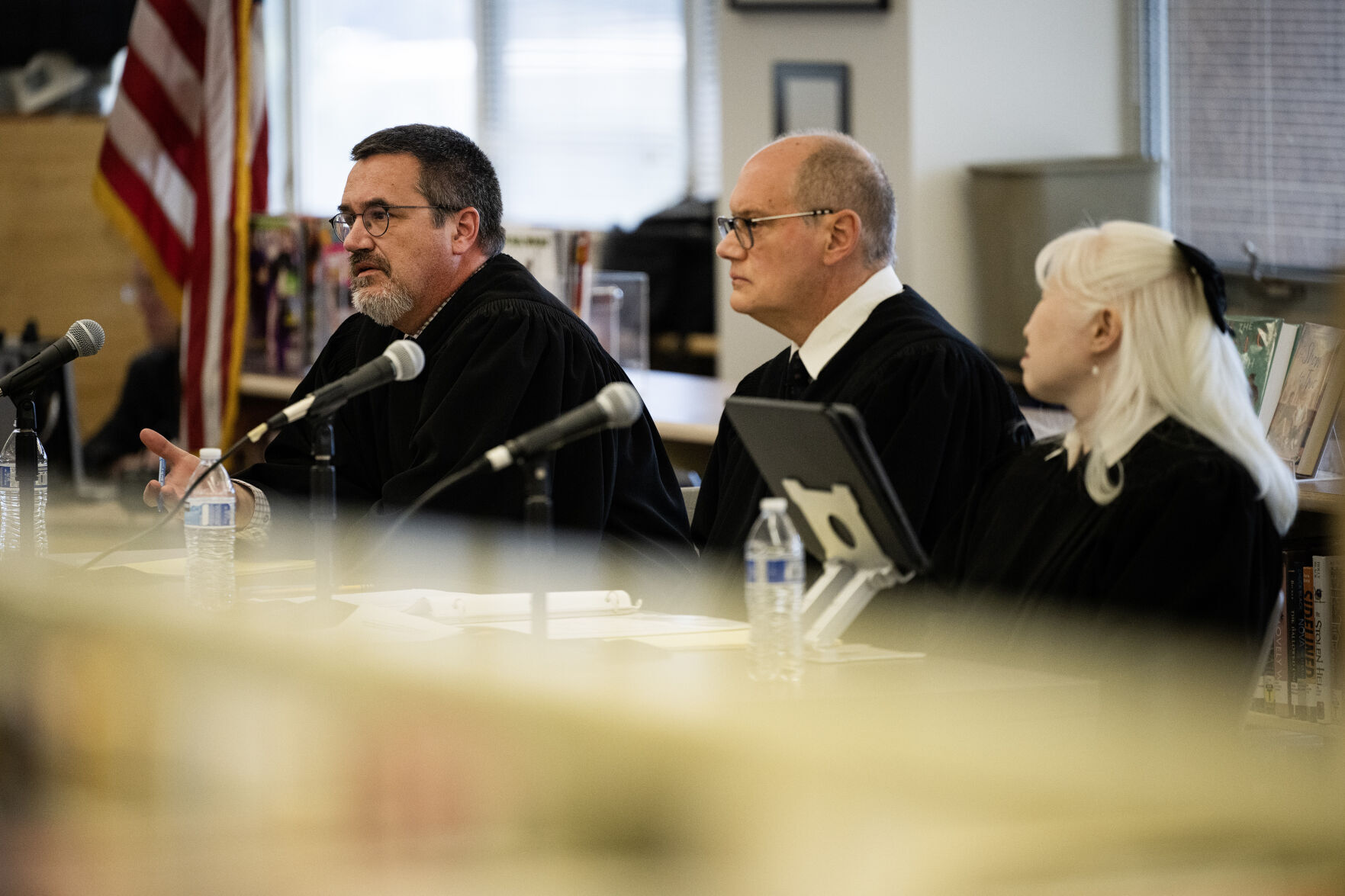
While the Colorado Supreme Court has established that prosecutors may not characterize a witness’s testimony as a “lie,” the state’s second-highest court has decided, by 2-1, a Denver prosecutor did not cross the line by repeatedly using a synonym for “lie.” Jurors convicted Rigoberto E. Fernandez in 2015 for stabbing a man at Montbello Recreation…
-

Denver police failed to provide Miranda warning to suspect, appeals court finds
Colorado’s second-highest court agreed last week that a suspect was both in custody and subject to interrogation, meaning Denver police needed to provide a Miranda warning for his statements to be admissible at trial. However, the three-judge panel for the Court of Appeals simultaneously found Dalani D. Bland’s comments to police about a bar fight…
-
Appeals court overturns convictions of mentally ill man who represented himself
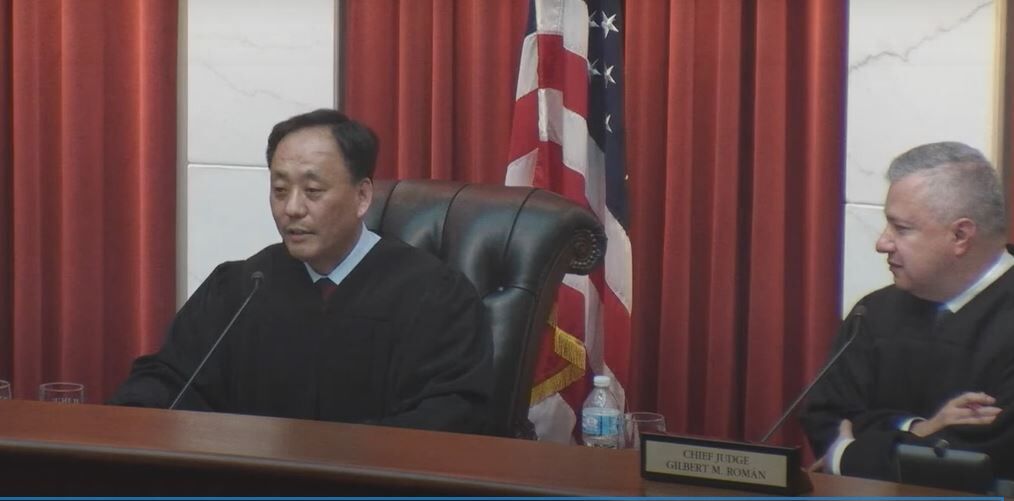
An Arapahoe County judge improperly allowed a mentally ill man to represent himself at trial, stating explicitly that the defendant was “making no sense whatsoever” before letting him proceed alone, Colorado’s second highest court ruled in ordering a new trial. Then-District Court Judge Michael Spear attempted to convince David Antonio Ruffin that he would be…
-
Divided appeals court upholds defendant’s longer sentence for not saying ‘sorry’
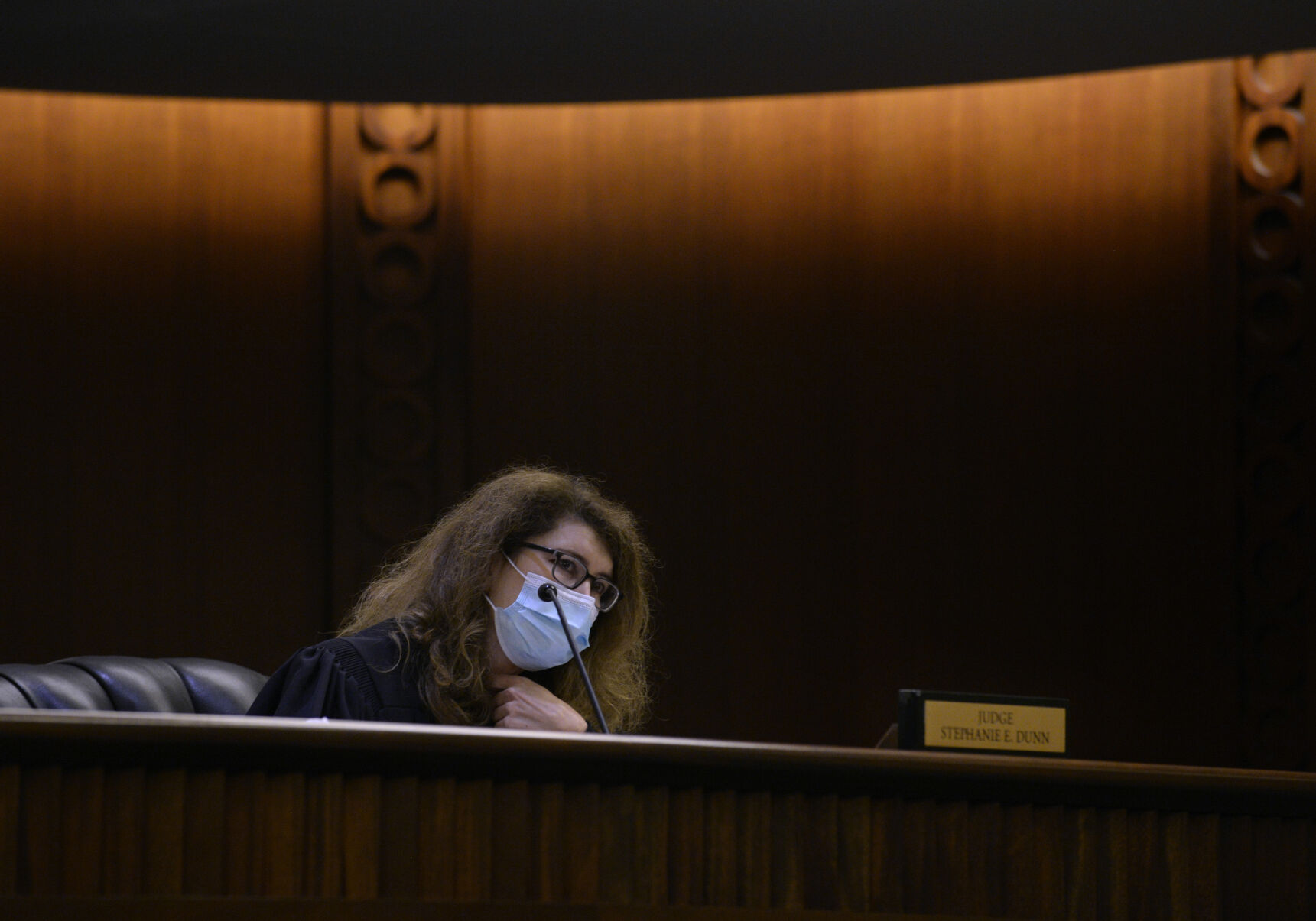
Colorado’s second-highest court on Thursday upheld an Adams County judge’s decision to give a defendant five more years in prison solely because he did not tell the judge he was sorry. By 2-1, a three judge panel for the Court of Appeals agreed that under certain circumstances, a defendant’s silence at sentencing cannot be used…