

Could the military be on a path to fully embracing beards?
After a century of requiring shaven faces, the military could be on a path to embracing beards.
The United Kingdom and Canada have both allowed beards among their troops in recent years. The Canadian government said the change would make grooming standards more inclusive, while the BBC reported the change in the UK was intended to boost recruitment.
A pilot program to allow beards in the Air Force and Space Force was included in a draft version of the 2025 National Defense Authorization Act. The study would have examined the effect of beards on safety, discipline, morale and inclusivity, according to a news release from Rep. Marc Veasey (D-Texas), who sponsored the bill.
While the Senate removed the pilot program from the legislation, lawmakers agreed on language that would require the Air Force to present information on beards to the Armed Service Committees of both houses. The committees want to know if beards could be compatible with gas masks, , among other issues.
The military already grants waivers to services members to grow beards for religious reasons. For example, Sikhs believe beards are an article of faith.
Service members can also get a waiver to have a beard if they have a condition that causes painful bumps in their skin when they shave. A military health survey found more than 1,400 Black service members had the condition in 2022.
Veasey raised concerns about issue at a hearing this year and asked if those waivers can cause resentment among the ranks toward those who qualify for one.
“This is obviously a very serious issue,” he said.
A spokesman for Veasey’s office said this week the congressman would continue to support the proposed pilot program into the future.
The requirement for shaven faces has it roots in a cultural change around World War I, according to Christopher Oldstone-Moore, a Wright State (Ohio) University professor who wrote a book about the history of men’s facial hair called Of Beards and Men.
“The shift away from mustaches in the European and American military during World War I was not a result of the gas mask issues,” he said in an email. “It happened independently because mustaches had become unfashionable by 1914, and European militaries finally canceled the mustache requirement.
Shaving for gas masks was beneficial for fitting into masks, but it was not the primary cause for the ban on facial hair, Oldstone-Moore said. Other institutions like businesses, schools, and police and fire departments banned beards around the same time to promote orderly appearance.
As to the longevity of the requirement, Oldstone-Moore said he thought it was rooted in culture as well.
“The most valued form of masculinity in the 20th and early 21st centuries has been a disciplined, professional, team-player sort of person, in contrast to the individualist, self-reliant or heroic type,” he said.
Beards and mustaches during the Civil War and after fit into a male ideal that emphasized daring, Oldstone-Moore said.
The mustache requirement in European militaries began in the Napoleonic era, when units started imitated the flashy Hungarian Hussar cavalry, with its bear-skin hats, colored ribbons, leopard-pelt saddles and long mustaches, he said.
Oldstone-Moore said he expected the military is headed for a change in regulation, particularly since waivers are already granted for specific reasons. But he expected the military would adopt length and form standards for beards.

Colorado justices accept appeals on Netflix taxation, children pursuing neglect cases
Michael Karlik
michael.karlik@coloradopolitics.com
Updated 1 hour ago
The Colorado Supreme Court announced on Monday that it will decide whether Netflix subscriptions are subject to the state’s sales tax as “tangible personal property.” At least three of the court’s seven members must agree to hear an appeal. The...
Proposal outlines $300M deal separating Pinnacol from Colorado state government
Marianne Goodland
marianne.goodland@coloradopolitics.com
Updated 2 hours ago
Colorado lawmakers are weighing a proposal that would allow Pinnacol Assurance to sever its remaining ties to the state in exchange for a $300 million payment, a long‑debated shift that supporters say could stabilize the insurer’s future and help plug...
Bill requiring employers to grant unpaid leave to Colorado lawmakers heads to governor’s desk
Marissa Ventrelli
marissa.ventrelli@coloradopolitics.com
Updated 50 minutes ago
Colorado lawmakers are one step away from securing guaranteed unpaid leave from their day jobs during the legislative session after the House narrowly approved the proposal Thursday. Senate Bill 087 would require businesses to allow employees who are members of...
Redistricting fight escalates as Colorado Title Board clears competing ballot proposals
Marianne Goodland
marianne.goodland@coloradopolitics.com
Updated 1 hour ago
Colorado’s title board on Wednesday gave final approval to multiple ballot measures related to congressional redistricting, setting up a series of proposals that could alter how the state draws its U.S. House districts for the 2028 and 2030 elections. The...
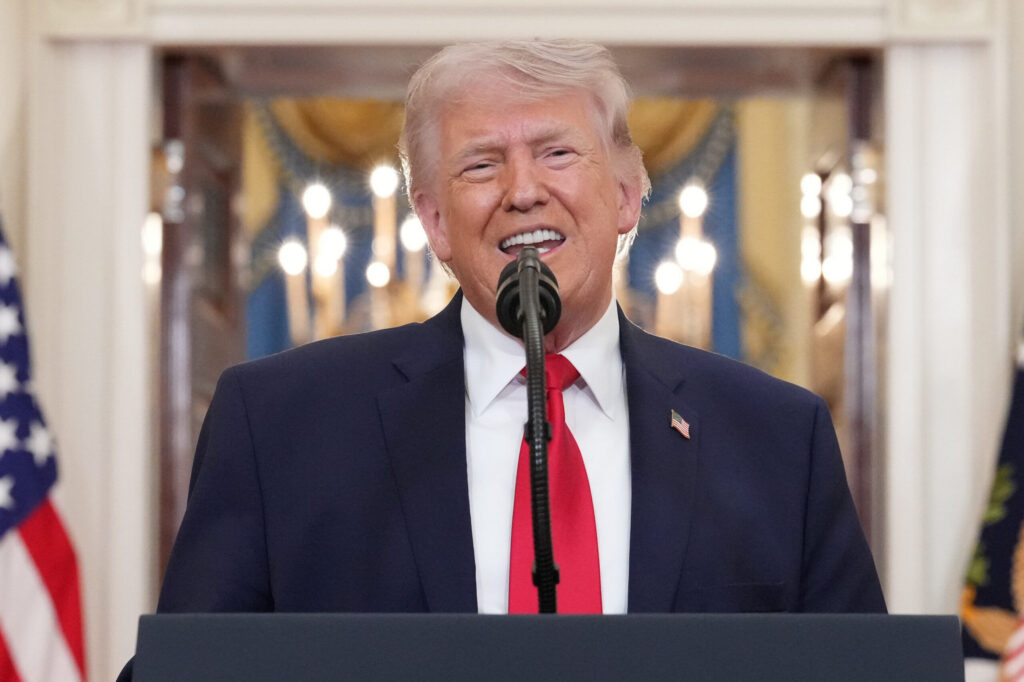
Trump downplays major reform bill and says housing is ‘all about interest rates’
Zach Halaschak, Washington Examiner
zach.halaschak.washington.examiner@gazetteedit.wpenginepowered.com
Updated 4 hours ago
President Donald Trump downplayed the bipartisan housing legislation that many congressional allies hope will ease the affordability worries plaguing voters, saying instead in an exclusive Washington Examiner interview that housing is “all about interest rates.” Trump said on a phone call Thursday morning...
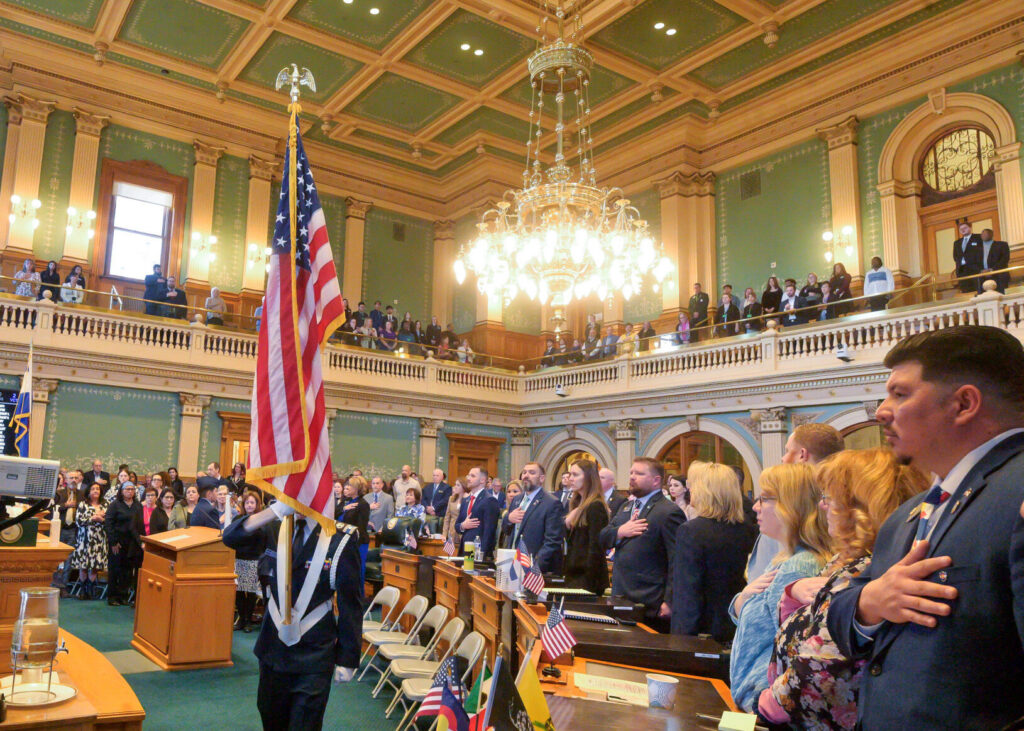
Colorado lawmakers propose deep cuts to close $1.2B budget gap
Marianne Goodland
marianne.goodland@coloradopolitics.com
Updated 14 minutes ago
The panel of Colorado legislators in charge of crafting next year’s budget has finalized the 2026–27 spending plan built on deep cuts and one‑time cash transfers in an attempt to close a shortfall of more than $1.2 billion. The plan...
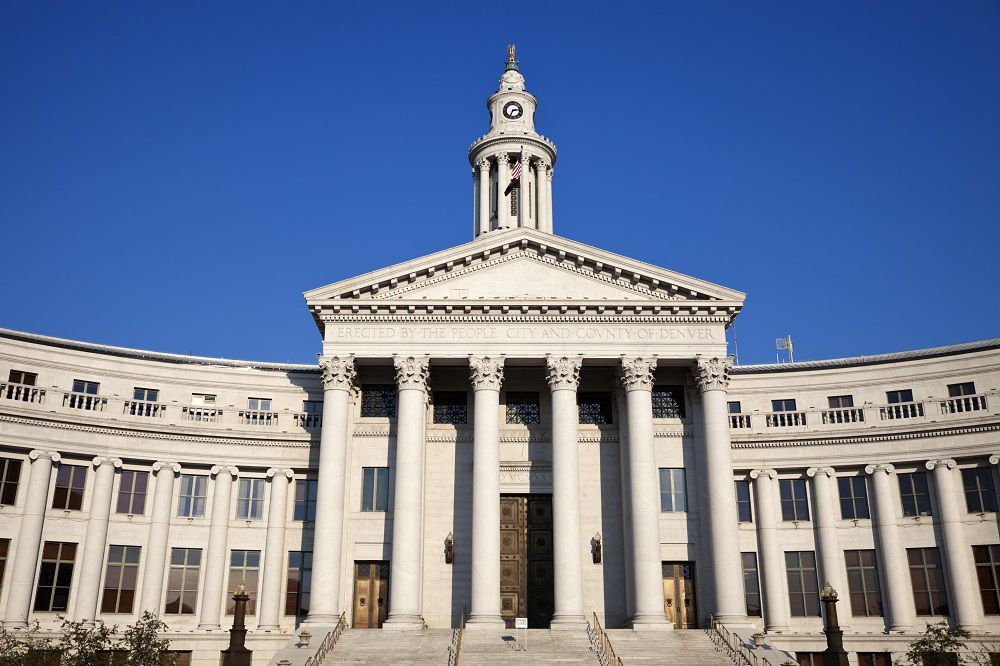
Denver judge denies Gov. Polis request to dismiss ICE-related records case
Marianne Goodland
marianne.goodland@coloradopolitics.com
Updated 4 hours ago
A year after blocking the release of state records to federal immigration agents, a Denver judge has now denied Gov. Jared Polis’ effort to end the lawsuit at the center of the dispute. The lawsuit filed against the governor in...

10th Circuit grants rare all-judges’ review of Colorado banking regulation
Michael Karlik
michael.karlik@coloradopolitics.com
Updated 6 hours ago
The Denver-based federal appeals court announced on Thursday that it will hold a rare all-judges review of a recent decision that permits Colorado to require out-of-state banks to abide by the state’s maximum interest rates when they lend to in-state...
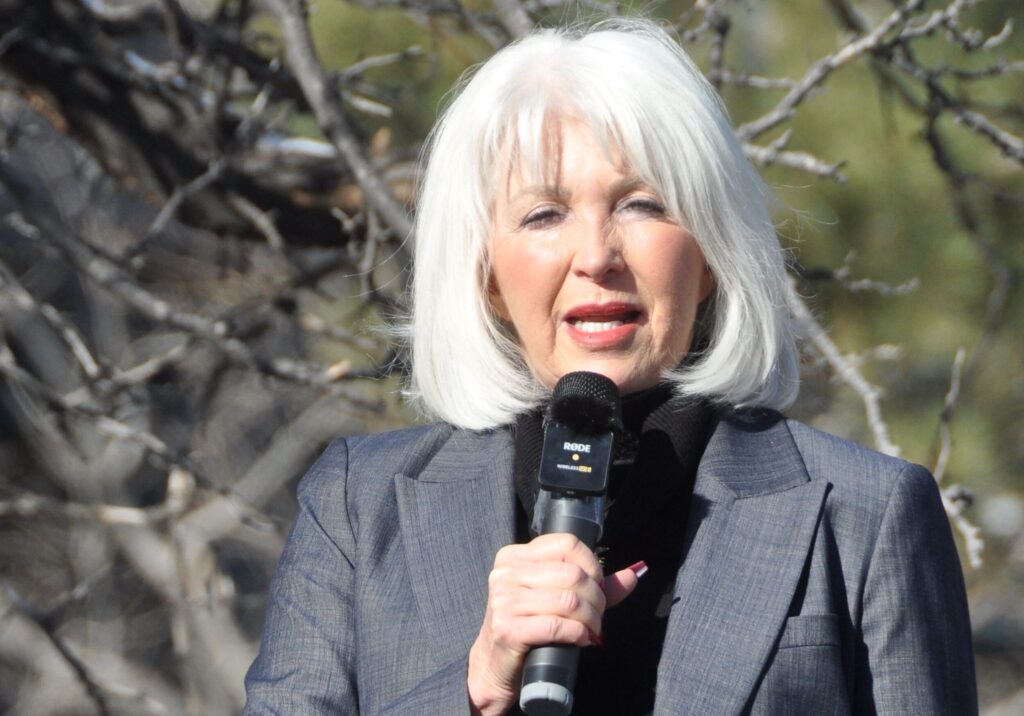
Colorado appeals court orders new sentencing for Tina Peters, upholds convictions
Michael Karlik
michael.karlik@coloradopolitics.com
Updated 13 minutes ago
Colorado’s second-highest court determined on Thursday that a trial judge improperly sentenced former Mesa County clerk Tina Peters based upon her exercise of protected speech, while at the same time upholding her convictions. The three-judge Court of Appeals panel also...

Denver promised every school funding from $1B bond — but campuses later closed received far less | Analysis
Nico Brambila
nico.brambila@denvergazette.com
Updated 5 hours ago
Denver voters overwhelmingly approved the largest bond measure in Denver Public Schools history on the promise that every school — including charter campuses — would receive something. And they did. But the nearly $1 billion bond was not distributed evenly....