

Big GOP names address rumors they want to challenge Gov. Lamm | A LOOK BACK
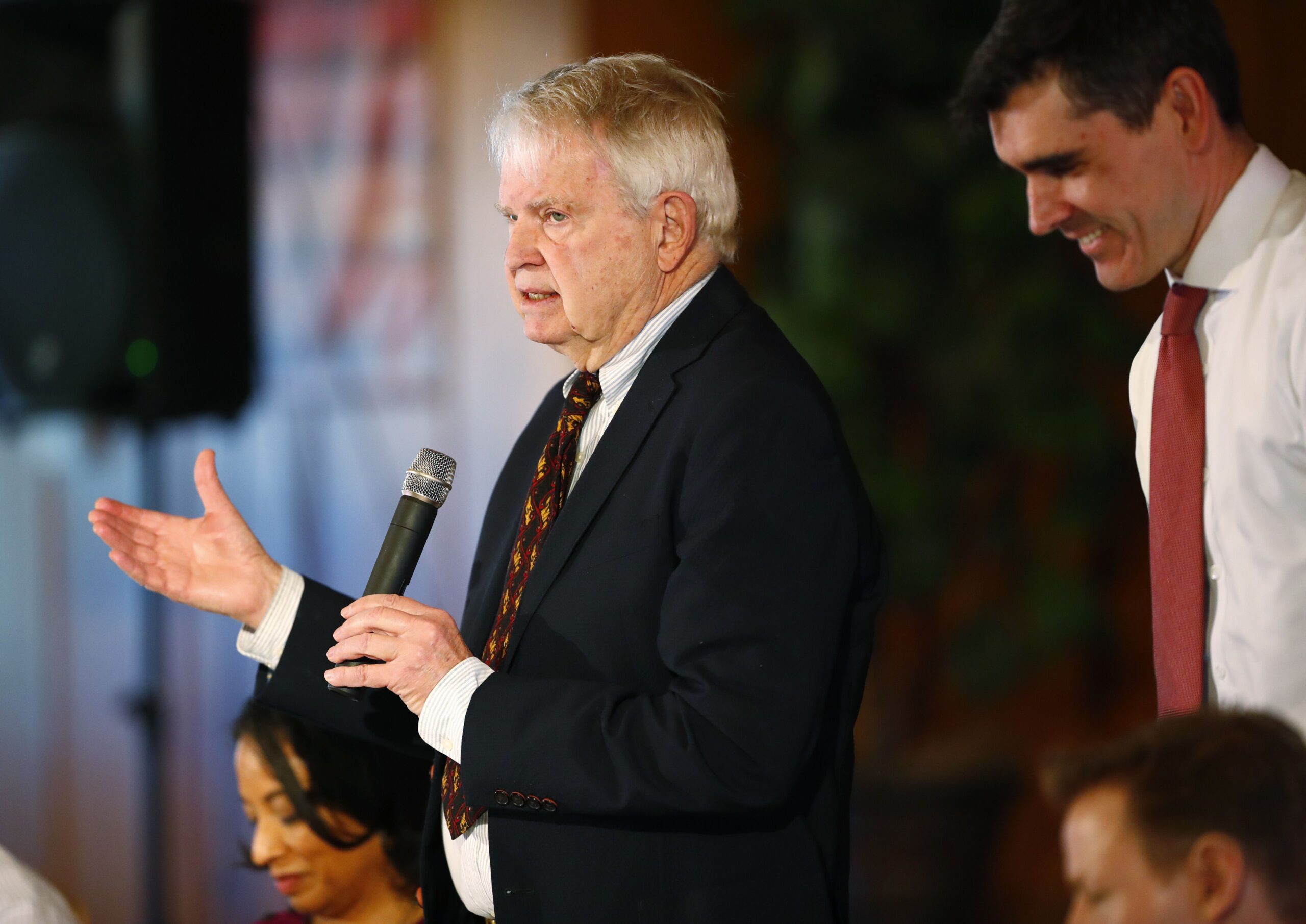
Forty-Five Years Ago This Week: With few Republican candidates announced for the gubernatorial race, the political rumor mill was in full force. Secretary at the Department of Housing and Urban Development Phil Winn, a former Colorado Republican Party chairman, felt compelled to announce that he had no plans to return to Colorado to run against Gov. Dick Lamm.
John Fuller, the GOP’s finance chairman, was rumored to want Winn to run and had allegedly approached several high-profile Republican activists to secure their backing for the idea.
“Winn is ultimately qualified to run against Lamm,” Fuller said. But when pressed about his wrangling of political support for Winn, Fuller equivocated. “I can’t get into that right now. We’ll discuss at an appropriate time, but now isn’t an appropriate time.”
Winn told The Statesman, “I’ve never been coy. I’ve been approached many times, but I’ve made no decision. I talked with John Fuller two weeks ago. He’s talked to me about running many times. It depends on the conditions. Right now it’s not even up for consideration.”
Winn did say that many people had urged him to run for governor but wouldn’t divulge their names.
“There’s no question John wants me to run,” Winn said.
Similar ‘will they, won’t they’ nervous energy was also focused on the lieutenant governor’s race, where former congressional candidate Benjamin R. Loye’s name kept popping up. Loye had just been appointed by Colorado Chief Justice Paul Hodges to the Colorado Reapportionment Commission.
“I’m very pleased to be appointed to the commission,” Loye said. “I think I can contribute quite a bit. I hope the commission will recognize and adhere to the ‘one man, one vote’ concept in redistricting. My goal is to be fair to all citizens of the state.”
Regarding his potential political moves, Loye said he had no idea how the rumor started that he was running for lieutenant governor.
“I’ve made no overtures or statements to that effect,” Loye said. “I’m flattered at the rumor but I haven’t even thought it through. I’m not thinking about 1982, I’m just looking forward to working with the commission now.”
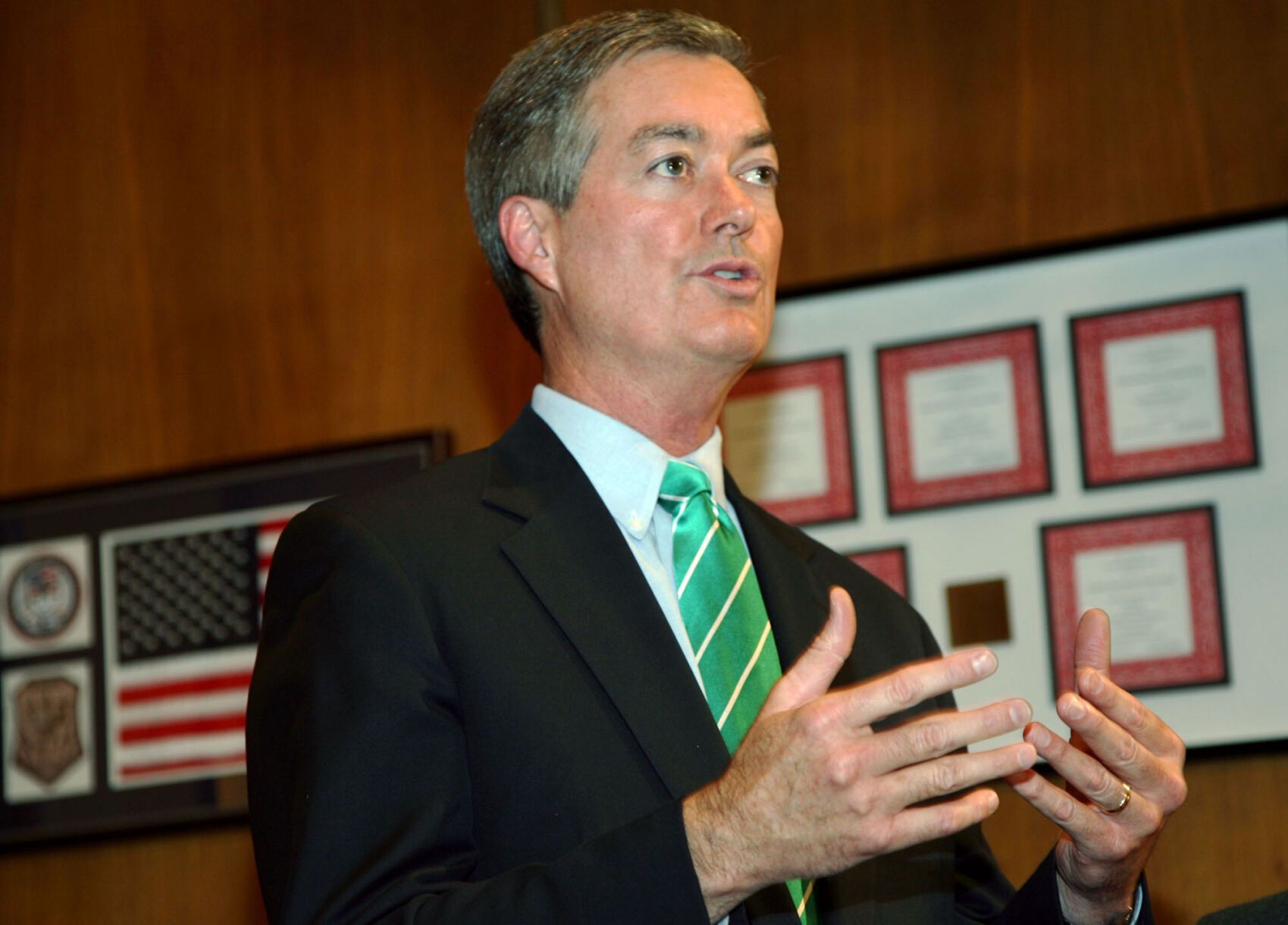
Twenty-Five Years Ago: “It’s wrong to screen women and then turn around and tell them treatment is not available,” said Gov. Bill Owens in a press conference, announcing that a bill to address breast and cervical cancer treatment would be added to the agenda of the legislative session on growth and redistricting.
“The state has a cancer screening program in place for low-income women, but treatment is often difficult because women must either drive long distances or they encounter treatment delays,” said Jane Norton, director of the Colorado Women’s Cancer Control Program.
Senate Bill 63, which had been killed the previous legislative session, would have provided for cancer treatment for low-income women. Owens said the reason it was defeated in House Appropriations was that there was no state money available to match funds for the federal cancer treatment program.
Owens decided to tap into tobacco settlement funds to supply “long-range and reliable funding for his bill. Karen Reinerston, state director of Medicaid, said the treatment program would use 10% of the tobacco settlement funds, $750,000 the first year and $1.6 million by the third year. The monies would be a 35% match to the 65% available from the federal government.
“Every dollar we put in, we’ll get two dollars back from the feds,” said Nancy McCallum, director of the state budget office.
Sen. Norma Anderson, R-Lakewood, and Rep. Lola Spradley, R-Beulah, sponsored the bill at Owen’s request.
“I am confident the legislature will pass the bill I’m about to suggest and will reduce breast and cervical cancer throughout the state,” Owens said.
Rachael Wright is the author of several novels, including The Twins of Strathnaver, with degrees in political science and History from Colorado Mesa University, and is a contributing columnist to Colorado Politics, the Colorado Springs Gazette, and The Denver Gazette.

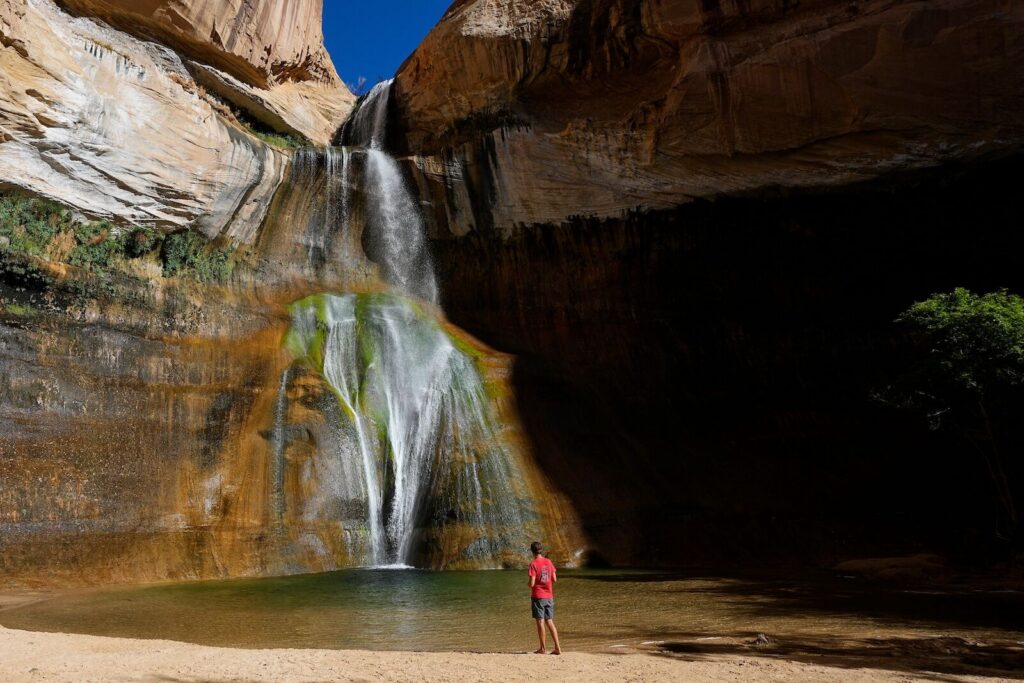
Trump reduces size of 2 national monuments in Utah amid public lands revamp | OUT WEST ROUNDUP
The Associated Press
the-associated-press@coloradopolitics.com
Updated 4 days ago
UTAH Trump shrinks national monuments President Donald Trump on July 13 sharply reduced the size of two national monuments in Utah, undoing protections established by his Democratic predecessors on public lands that are sacred among many Native Americans. Bears Ears...

Democrats and the siren call of socialism | SONDERMANN
Eric Sondermann
eric-sondermann@coloradopolitics.com
Updated 4 days ago
The political pendulum continues to swing, though its arc these days seems far more volatile and exaggerated. While there have always been outliers and more extreme actors on the political spectrum, the pendulum for many years was more of a...
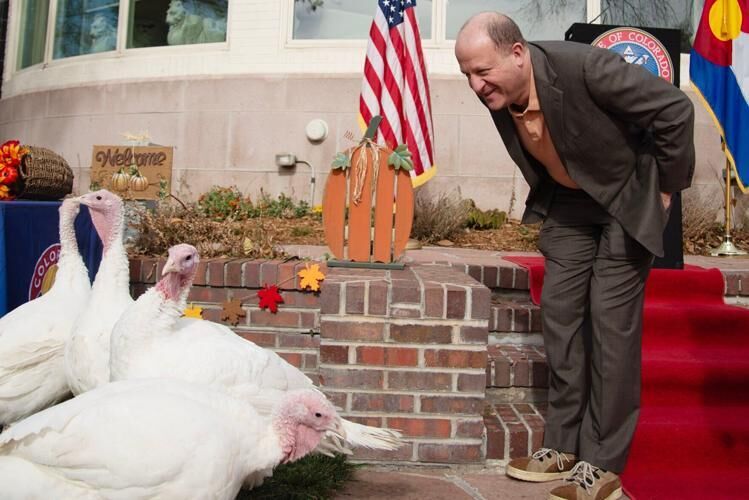
Will Colorado Gov. Jared Polis’ independent streak define his legacy?
Marissa Ventrelli
marissa.ventrelli@coloradopolitics.com
Updated 21 hours ago
Sometimes aligned with his party and at other times apart from it, Colorado Gov. Jared Polis has spent much of his tenure charting his own course. That independent streak carried through fights over labor policy, rural anger over wolf reintroduction...
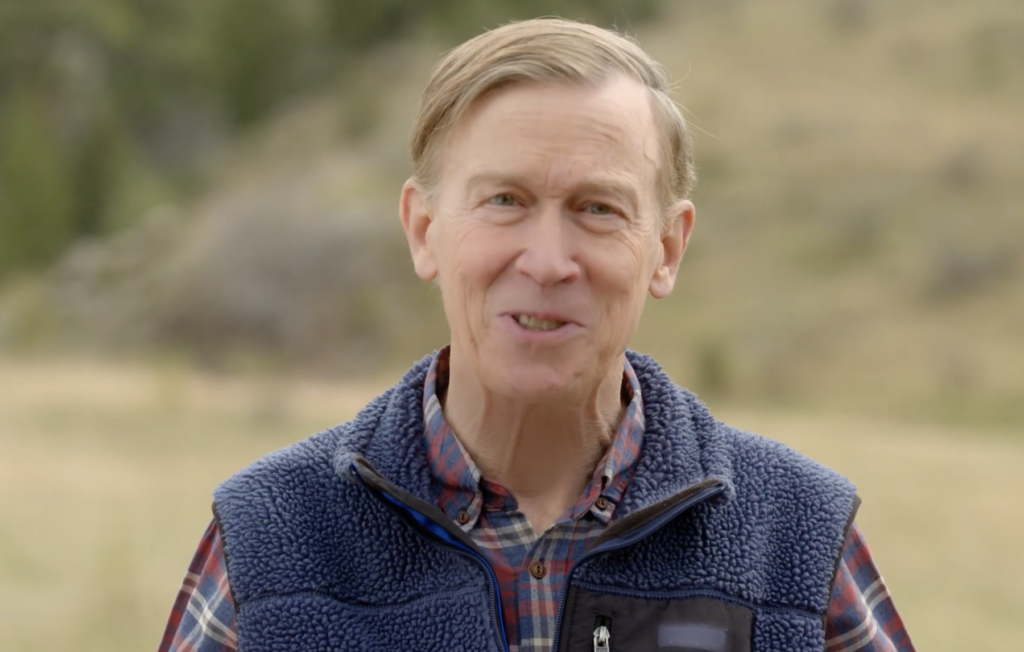
Democrat John Hickenlooper hauls in $1.3 million in 2nd quarter in Colorado’s U.S. Senate race
Ernest Luning
ernest.luning@coloradopolitics.com
Updated 14 hours ago
U.S. Sen. John Hickenlooper’s reelection campaign raised just over $1.3 million in the year’s second quarter and finished the period with $2 million in the bank, leaving the first-term Democrat with nearly 80 times as much cash on hand as...

Finding of no discrimination against former Cherry Creek Schools principal upheld
Michael Karlik
michael.karlik@coloradopolitics.com
Updated 2 days ago
The Denver-based federal appeals court agreed on Friday that a judge properly resolved a former Cherry Creek School District administrator’s claims of discrimination in the district’s favor based on employees’ “loss of confidence” in her leadership. Linda Maccagnan was a...

What to know before Colorado’s new law on semiautomatic firearms goes into effect
Marissa Ventrelli
marissa.ventrelli@coloradopolitics.com
Updated 2 days ago
A Colorado law passed in 2025 established new requirements for individuals planning to purchase semiautomatic weapons. Here’s what residents should know before Senate Bill 003 goes into effect on Aug. 1. From a ban to a training course For decades,...

Campaign launched to redirect $1 billion in TABOR refunds to education
Marissa Ventrelli
marissa.ventrelli@coloradopolitics.com
Updated 12 hours ago
A coalition that includes the state teachers’ union on Tuesday launched a campaign for a ballot proposal that would reduce more than $1 billion in taxpayer refunds and spend the money on education. The measure is among several campaigns taking...
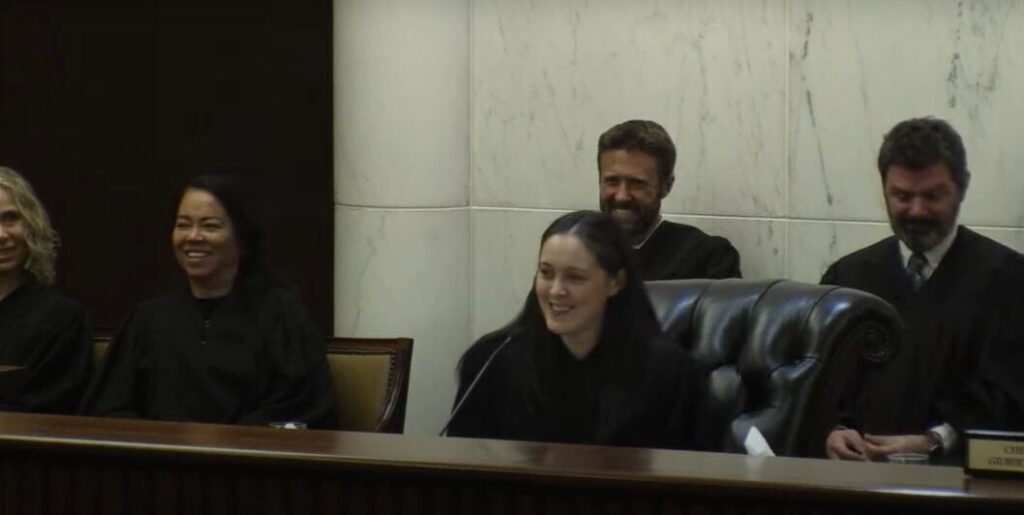
Arapahoe County murder prosecution botched a second time as appeals court reverses for same mistake
Michael Karlik
michael.karlik@coloradopolitics.com
Updated 17 hours ago
Colorado’s second-highest court reversed a man’s felony murder conviction for the second time on Thursday after an Arapahoe County prosecutor made the same mistake that triggered reversal of the defendant’s first conviction years earlier. Although David Alberto Garcia was not...
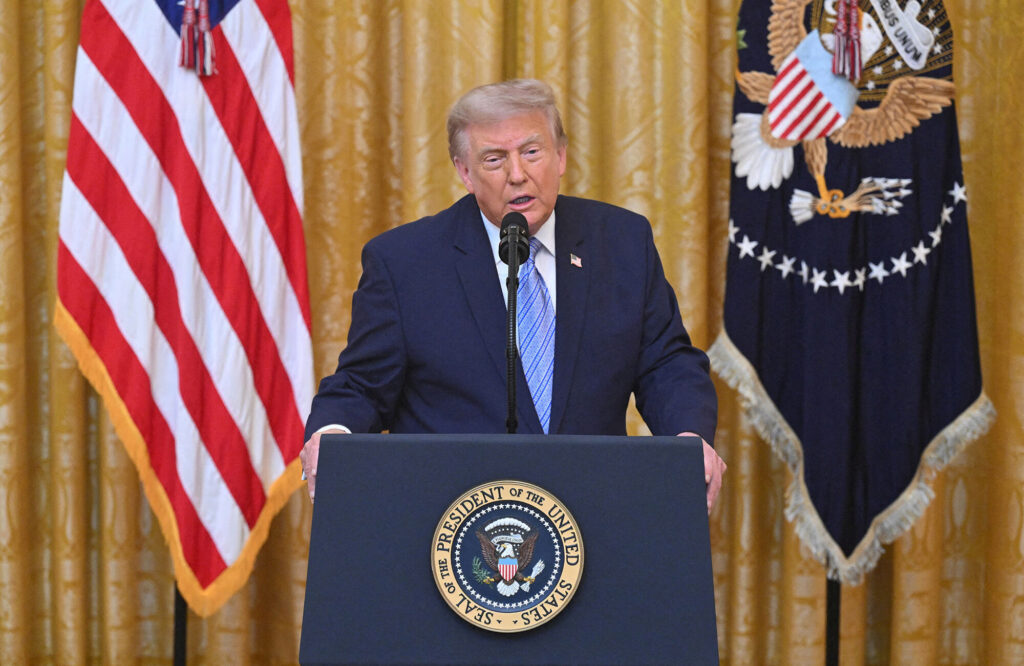
Trump alleges ‘deep state’ suppressed Chinese interference in 2020 election
The Washington Examiner
the-washington-examiner@coloradopolitics.com
Updated 2 days ago
President Donald Trump used a primetime address to allege the “deep state” suppressed Communist Party of China attempts to meddle in the 2020 election. As Trump made the allegations of election interference from the White House’s East Room, he declassified...
WATCH: Trump speaks on elections in primetime address
The Associated Press
the-associated-press@coloradopolitics.com
Updated 3 days ago
WASHINGTON (AP) — President Donald Trump will deliver a primetime address Thursday that he says will include a focus on elections. The speech comes as he’s escalated calls for Republicans to pass tighter federal voting rules for November’s midterm elections....
PREV
PREVIOUS
Democrat John Hickenlooper hauls in $1.3 million in 2nd quarter in Colorado’s U.S. Senate race
U.S. Sen. John Hickenlooper’s reelection campaign raised just over $1.3 million in the year’s second quarter and finished the period with $2 million in the bank, leaving the first-term Democrat with nearly 80 times as much cash on hand as his Republican challenger reported in this week’s campaign finance filings. The latest reports show Hickenlooper […]

Democrats and the siren call of socialism | SONDERMANN
The political pendulum continues to swing, though its arc these days seems far more volatile and exaggerated. While there have always been outliers and more extreme actors on the political spectrum, the pendulum for many years was more of a steady, often predictable metronome. The country would experience periods of ascendancy on the left, followed […]