

DOD budget proposes new $250 million space operations center on Schriever

The expansive $1.5 trillion Department of Defense budget proposal for next year features $250 million for a new space operations center on Schriever Space Force Base.
The center is one of four in the budget, which also proposes a building at Redstone Arsenal in Huntsville, Ala., a building at Kirtland Air Force Base in Albuquerque, N.M., and a building at Grand Forks Air Force Base in N.D., budget documents said. Each building is slated to receive the same construction allocation, bringing the total investment to $1 billion.
The new buildings will support space control, space-based sensing and targeting and data transport, according to Air and Space Magazine, which first reported the story. Schriever is also home to units focused on GPS, satellite communications and missile defense analysis.
In 2021, the military contracted with Hensel Phelps Construction to build a new consolidated space operations facility at Schriever for $132 million. The building is expected to be mission-ready and operational by fiscal year 2028, a Space Base Delta 41 spokesperson said in a statement.
“Continued investment in military space operations reflects the growing importance of the space domain to national defense and daily life, and underscores the need for resilient, responsive capabilities to meet an ever-evolving domain,” the spokesperson said.
Space Delta 8, a unit responsible for satellite communications, has also received investment focused on modernizing its operations floor, he said.
Lt. Gen. Doug Schiess, deputy chief of space operations for operations, touched on the need for more room for guardians to work as the young military branch brings on new programs, during a public appearance in April hosted by the Mitchell Institute for Aerospace Studies.
“We just need to make sure we have more resiliency at where we do operations from and where we go with new programs,” Schiess said.
He said he would also like to see more complete planning for new programs that includes additional staff to operate new technology, the required training staff and simulators, a plan to provide intel and the space to host the programs. This will increase the costs of some programs from the beginning, but it will ensure they can be sustained, he said.
Some existing systems didn’t get this complete support plan and so the Space Force also needs to address that issue, Schiess said.
Such planning seems key, as Congress considers more than doubling the Space Force budget up to $71 billion.
The Space Force is also slated to add 2,800 new guardians in 2027, a news release said. The proposal sets aside 12,795 full-time positions and 405 part-time positions, the budget said.
The Space Force office tasked with buying and testing new technology, Space Systems Command, is already working to hire 100 people a month, across all its locations, including Colorado, to handle the influx of new money, said Lt. Gen. Philip Garrant, who leads the organization.


U.S. Sen. Michael Bennet settles campaign finance complaints, admits violating state law
Marianne Goodland
marianne.goodland@coloradopolitics.com
Updated 1 hour ago
U.S. Sen. Michael Bennet’s gubernatorial campaign has agreed to pay a $7,433 fine for using his U.S. Senate campaign account to pay for gubernatorial travel expenses. The July 31 settlement includes an admission by Bennet and his campaign that they...

Douglas County approves $7.5 million for Gold Crown Field House in Castle Rock
Nicholas Fogleman
nicholas.fogleman@denvergazette.com
Updated 7 hours ago
The Douglas County Board of Commissioners approved a $7.5 million funding agreement Tuesday to help build a new indoor sports facility in Castle Rock. The facility is the result of a partnership between the county, the Town of Castle Rock...

Former Parker police sergeant pleads guilty to unlawful sexual conduct, misconduct charge
Nicholas Fogleman
nicholas.fogleman@denvergazette.com
Updated 1 day ago
Former Parker Police Department Sgt. Troy Brienzo pleaded guilty Monday to a felony charge of unlawful sexual conduct by a police officer and first-degree official misconduct in Douglas County District Court. Brienzo entered the guilty pleas before Judge Ryan Stuart,...

U.S. News names Saint Joseph best hospital in Colorado, ending University of Colorado Hospital’s 13-year streak
Nico Brambila
nico.brambila@denvergazette.com
Updated 1 day ago
University of Colorado Hospital is no longer Colorado’s top-ranked hospital for the first time in more than a decade, with Intermountain Health Saint Joseph Hospital taking the No. 1 spot in U.S. News & World Report’s latest rankings. Located on...
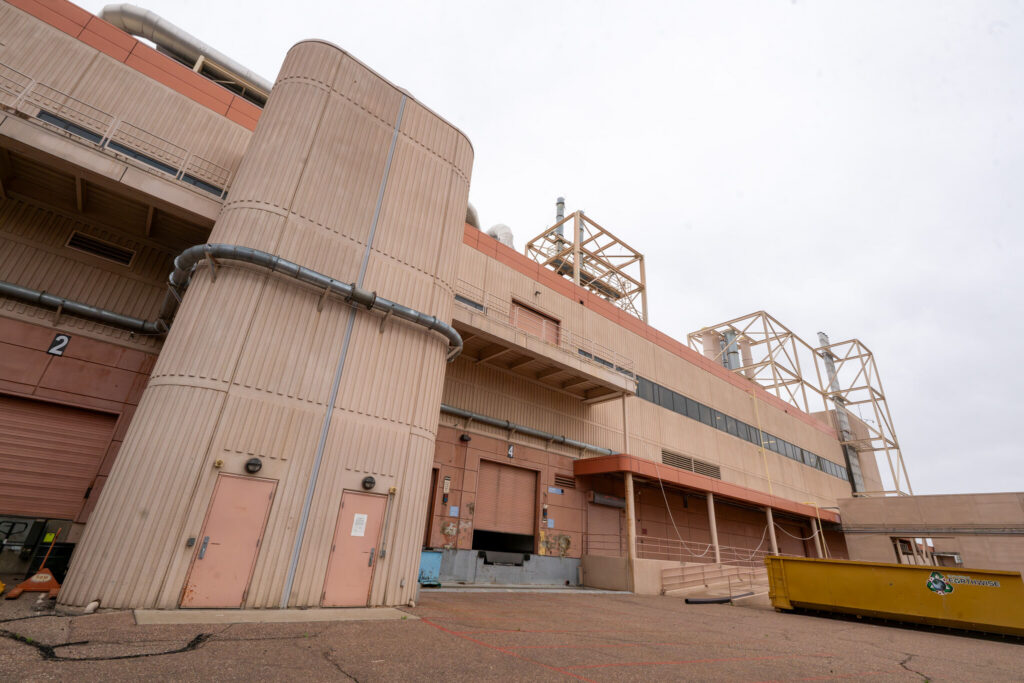
Appeals filed to send Project Taurus decision to the Colorado Springs City Council
Brennen Kauffman
brennen-kauffman@coloradopolitics.com
Updated 1 day ago
At least one appeal has been filed over the proposed large-scale data center in Colorado Springs, sending the final decision to the Colorado Springs City Council. The filing seeks to overturn the Planning Commission’s decision on July 23 to deny...

Denver City Council keeps 2 a.m. nightlife cutoff, approves $18 million for George Floyd protest claims
Deborah Grigsby
deborah.smith@denvergazette.com
Updated 1 day ago
Nightlife establishments will not get a two-hour operating extension after the Denver City Council passed an amended version of a bill that keeps the current 2 a.m. closing time. As originally proposed, venues would have been able to keep music,...

Castle Rock launches Link On Demand rideshare service
Nicholas Fogleman
nicholas.fogleman@denvergazette.com
Updated 1 day ago
Residents in Castle Rock now have access to Douglas County’s app-based rideshare service Link On Demand. Link On Demand officially began serving Castle Rock Friday, expanding the transportation program which already operates in Highlands Ranch, Lone Tree and select areas...
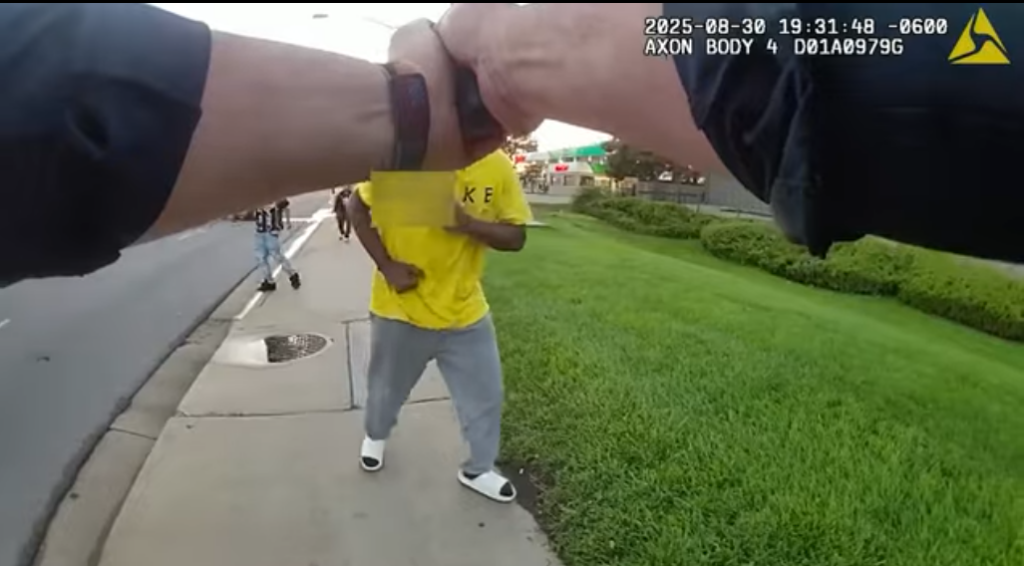
Aurora police officer charged in Belt-Stubblefield shooting
Kyla Pearce
kyla.pearce@gazette.com
Updated 1 day ago
The Aurora police officer who shot and killed Rajon Belt-Stubblefield was charged with murder, the 18th Judicial District Attorney’s Office announced Monday morning. A grand jury returned an indictment charging APD Officer Matthew Neely with one count of second-degree murder,...

Tunnel to Towers brings 9/11 steel to Denver
Nicholas Fogleman
nicholas.fogleman@denvergazette.com
Updated 2 days ago
A nationwide tour commemorating the 25th anniversary of 9/11 brought a piece of the World Trade Center to Denver on Saturday as the Tunnel to Towers Foundation hosted a ceremony at the Wings Over the Rockies Air & Space Museum....
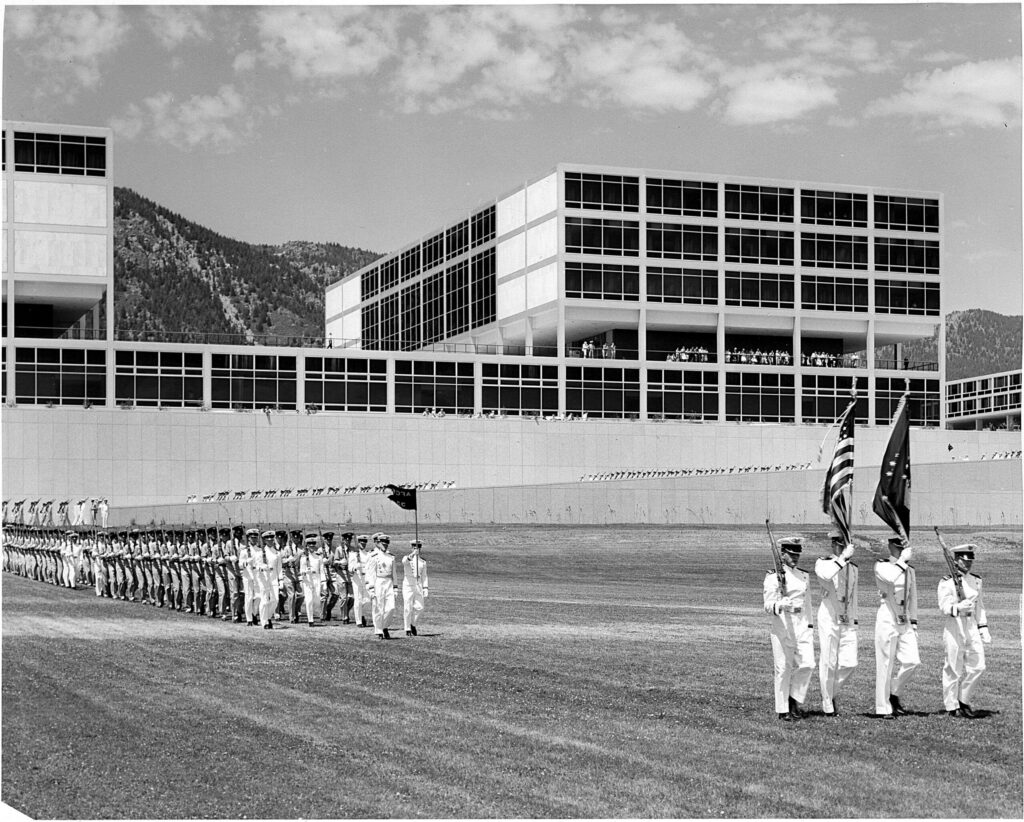
First Air Force Academy class of just 306 cadets started out in WWII barracks, faced high standards
Mary Shinn
mary-shinn@coloradopolitics.com
Updated 2 days ago
When the first class of the Air Force Academy arrived at Lowry Air Force in Denver, they were welcomed with an air show featuring bombers and fighter jets. “Most of us were overwhelmed,” recalled retired Col. Max Miller, the president...
PREV
PREVIOUS

Colorado Supreme Court oral arguments, chief appeals judge to retire | COURT CRAWL
Welcome to Court Crawl, Colorado Politics’ roundup of news from the third branch of government. The state Supreme Court held oral arguments in multiple cases and traveled to the Eastern Plains to visit with students, plus the chief judge of the Court of Appeals is retiring. Supreme Court news • The Colorado Supreme Court decided a […]

Colorado declares April 27 'Denver Summit FC Day'
Gov. Jared Polis signed a proclamation declaring April 27 Denver Summit FC Day in Colorado in celebration of the state’s first professional women’s sports team. “Colorado is a sports state and Denver Summit has hit the field running, breaking NWSL attendance records at the Empower Field home opener,” Polis said. “I am thrilled the Summit […]