

10th Circuit upholds regulator’s methodology for Tri-State exit fees

The Denver-based federal appeals court upheld a regulatory agency’s methodology for calculating the fee owed by entities seeking to withdraw from Tri-State Generation and Transmission Association last week.
Tri-State is a Westminster-based cooperative that provides and transmits electricity to member utilities throughout neighboring states and to other customers. Tri-State enters into long-term service contracts in which members purchase nearly all of their electricity from Tri-State.
Although the bylaws permit members to exit early, they do not specify the financial cost. After Brighton-based United Power moved to withdraw before the 2050 termination date, Tri-State proposed a fee of up to $1.6 billion. An administrative law judge found the methodology unreasonable and adopted a different approach.
The Federal Energy Regulatory Commission eventually approved a modified version, resulting in a $627 million fee for United Power. The purpose of the exit fee, FERC indicated, was to compensate Tri-State for service costs related to the exiting member and to guard against shifting costs to the remaining members.
The question for the U.S. Court of Appeals for the 10th Circuit was whether FERC’s proposal was reasonable.
In a March 24 opinion, a three-judge panel largely found that it was.
Although Tri-State argued FERC’s methodology was unprecedented, “an agency decision isn’t arbitrary and capricious just because it takes a new approach. Agencies can change position or adopt new policies if they provide a reasoned explanation for doing so,” wrote Judge Gregory A. Phillips for himself and Judge Richard E.N. Federico. “And here, FERC acknowledged that it was taking a new approach, then justified using that approach under the case’s specific circumstances.”
Case: Tri-State Generation and Transmission Association v. FERC
Decided: March 24, 2026
Jurisdiction: Federal Energy Regulatory Commission
Ruling: 2-1
Judges: Gregory A. Phillips (author)
Richard E.N. Federico
Carolyn B. McHugh (partial dissent)
Judge Carolyn B. McHugh agreed with all aspects of the majority’s opinion except for one. She found fault with FERC’s decision to credit the exit fee for certain members’ transmission facilities. McHugh was concerned the effect would be to increase costs to other Tri-State members.
Broadly, Tri-State defended its vision for an exit fee using a “lost-revenues approach,” which would have accounted for the reduction in revenue Tri-State would incur through the remainder of the prematurely ended contract. FERC did not support that approach, likening it to a breach-of-contract scenario that did not apply because the bylaws specifically allowed for early exit.
FERC also crafted an approach that would require an upfront payment by the exiting member, with Tri-State crediting back portions over time if that member continues to use Tri-State services. United Power protested, arguing the crediting system transformed it from a regular customer into Tri-State’s “bank.”
During oral arguments before the 10th Circuit panel in January, Tri-State contended that FERC’s methodology was unreasonable and shifted costs to its members.
“They did something with us, with our contracts, that they’ve never done with any other cooperative and any other contract that they can point to,” said attorney Misha Tseytlin.

Meanwhile, FERC defended its work, acknowledging that costs may go up for remaining members if one co-op member withdraws.
“But they’re not paying for the withdrawing member’s ‘share’ of anything because the withdrawing member is not causing those costs going forward. Tri-State’s theory of causation is, ‘If you would’ve been there contributing in that denominator, and now you’re not, that’s cost causation,'” said Deputy Solicitor Carol J. Banta. “Those costs of serving the system a couple years after a member withdraws aren’t caused by that member.”
The panel sided with FERC, rejecting Tri-State’s proposal to peg the exit fee to lost revenues in the future. Phillips noted in the majority opinion that the crediting approach served the purposes of preventing Tri-State from recovering double payments from exiting members, minimizing cost-shifts, and ensuring Tri-State was still compensated for debt costs through the upfront fee.
The case is Tri-State Generation and Transmission Association, Inc. v. Federal Energy Regulatory Commission.

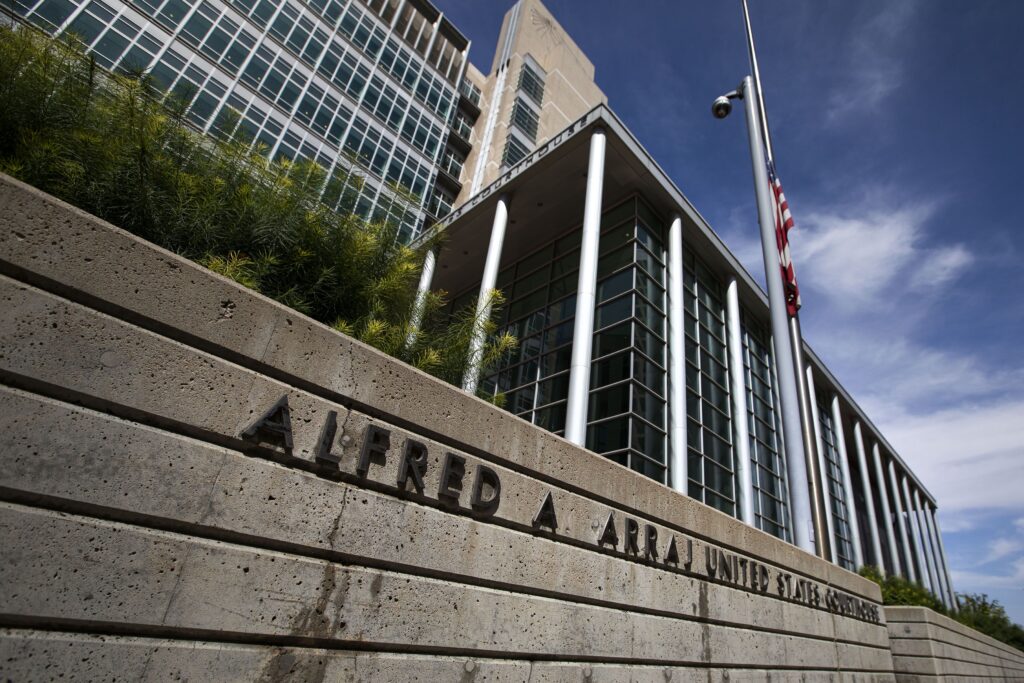
Judge rules that Colorado law makes it too hard for parties to bar unaffiliated voters from primaries
Ernest Luning
ernest.luning@coloradopolitics.com
Updated 7 hours ago
A federal judge ruled in favor of the Colorado Republican Party late Tuesday, saying that a portion of the state law that allows unaffiliated voters to cast ballots in party primaries is unconstitutional because it imposes an unrealistic burden on...
Federal judge proposes sanctions against Mike Lindell’s lawyers for continued fake citations
Michael Karlik
michael.karlik@coloradopolitics.com
Updated 11 hours ago
A federal judge is once again pursuing sanctions against lawyers for MyPillow CEO Mike Lindell for continuing to cite to court cases that do not exist, likely based on the faulty output of artificial intelligence tools. Last year, a jury...
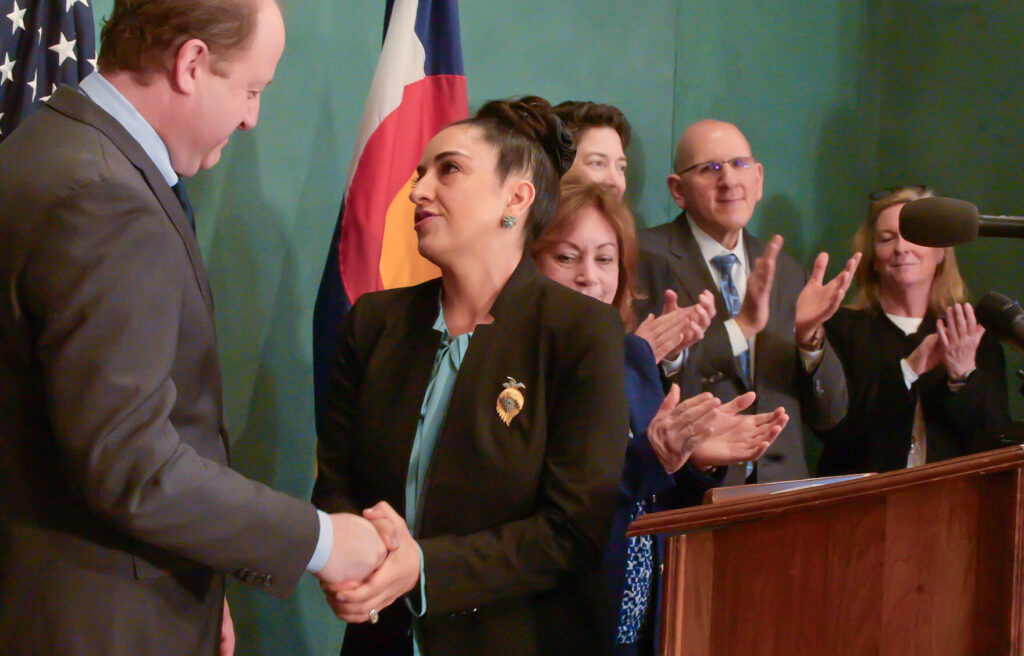
Susan Blanco signals views on role of appellate courts in first opinion as Colorado justice
Michael Karlik
michael.karlik@coloradopolitics.com
Updated 14 hours ago
Justice Susan Blanco’s first solo opinion as a new member of the Colorado Supreme Court made clear her view of the guardrails that keep the state’s highest court tethered to the issues it is asked to decide. On Monday, the...

Colorado leaders weigh next steps after Supreme Court rejects state ban on ‘conversion therapy’
Marissa Ventrelli
marissa.ventrelli@coloradopolitics.com
Updated 1 day ago
Colorado leaders said they are weighing next steps after the U.S. Supreme Court on Tuesday rejected the state’s ban on “conversion therapy” for children, as critics and supporters cheered or lambasted the ruling. The court’s near-unanimous decision called the Colorado...
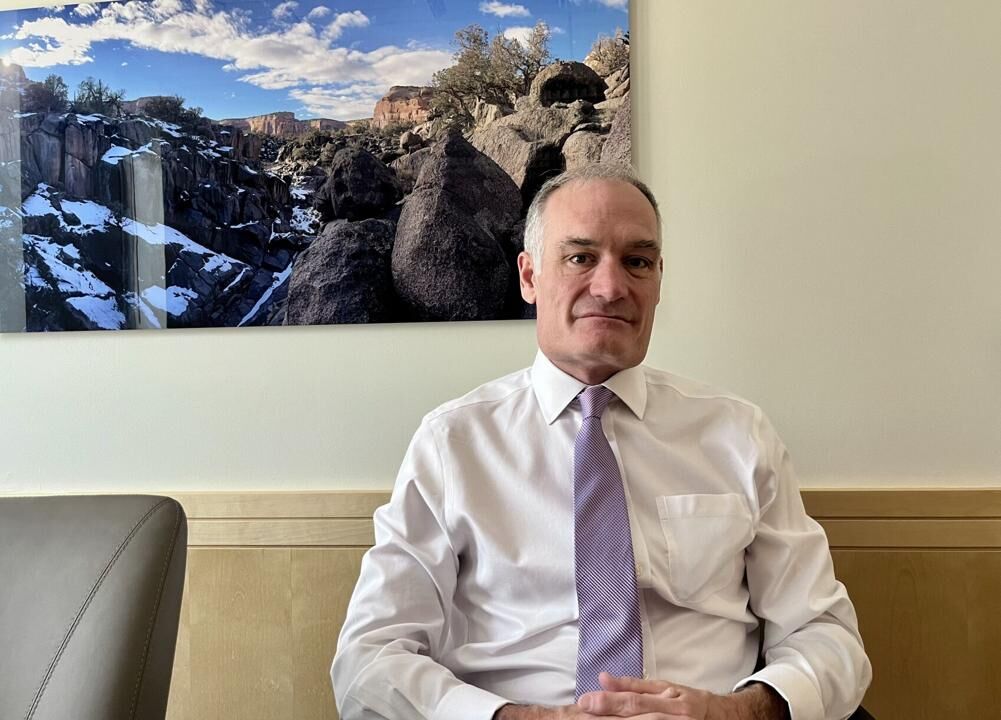
Federal judge dismisses U.S. government lawsuit against Colorado, Denver’s ‘sanctuary’ laws
Michael Karlik
michael.karlik@coloradopolitics.com
Updated 1 day ago
A federal judge dismissed the U.S. government’s lawsuit against Colorado and Denver on Tuesday, which alleged that various local policies impermissibly infringed on federal immigration enforcement. U.S. District Court Judge Gordon P. Gallagher followed the lead of judges in Illinois...
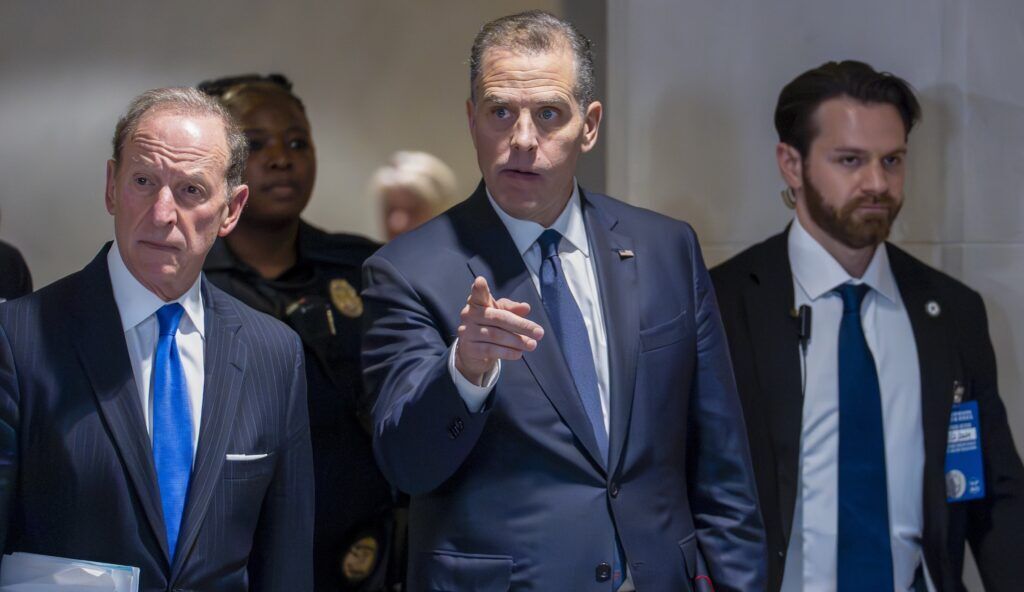
Federal judge finds DOJ adequately searched for, disclosed records related to Bidens
Michael Karlik
michael.karlik@coloradopolitics.com
Updated 1 day ago
A federal judge determined on Friday that the U.S. Department of Justice adequately searched for and disclosed records to a Colorado attorney in response to his request for documents related to former President Joe Biden’s son and brother. In November...
10th Circuit warns lawyers after finding fake case in filing
Michael Karlik
michael.karlik@coloradopolitics.com
Updated 1 day ago
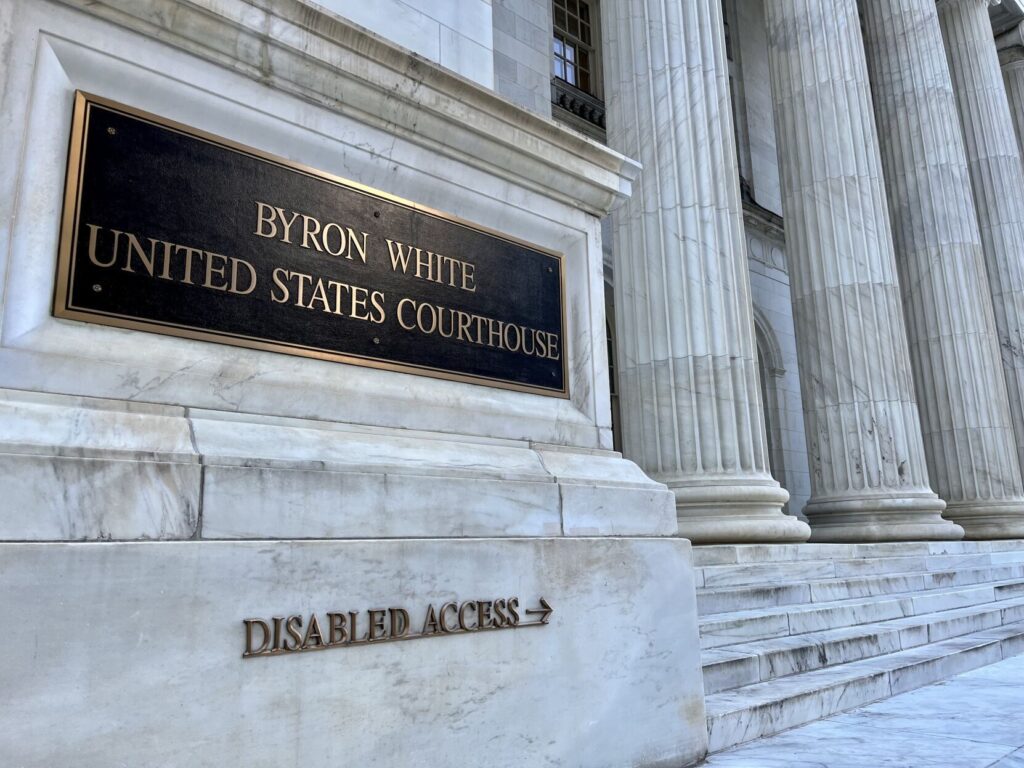
The Denver-based federal appeals court warned attorneys to be more careful last month after discovering one lawyer cited a fake case in his arguments. In recent months, federal and state judges in Colorado have begun cautioning lawyers explicitly about the...

10th Circuit rules cognitively impaired man’s risk of lobotomy, mistreatment in Mexico not ‘torture’
Michael Karlik
michael.karlik@coloradopolitics.com
Updated 2 days ago
The Denver-based federal appeals court concluded last month that a man’s risk of mistreatment or forced lobotomy in his native Mexico did not amount to “torture” that should shield him from deportation. A three-judge panel of the U.S. Court of...
Colorado justices side with news organizations for disclosure of high-level child abuse data
Michael Karlik
michael.karlik@coloradopolitics.com
Updated 1 day ago
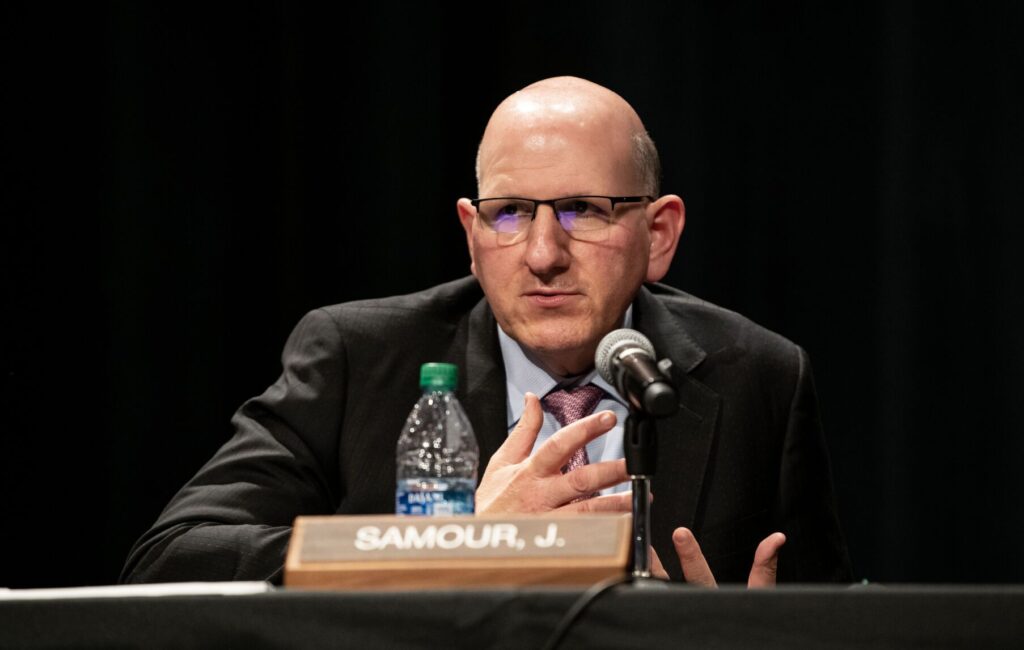
The Colorado Supreme Court ruled on Monday that the state must disclose the number of child abuse reports at individual group living facilities in response to an open records request, as the addresses are already in the public domain. The...
Divided Colorado Supreme Court finds Denver detective did not violate defendant’s Miranda rights
Michael Karlik
michael.karlik@coloradopolitics.com
Updated 2 days ago
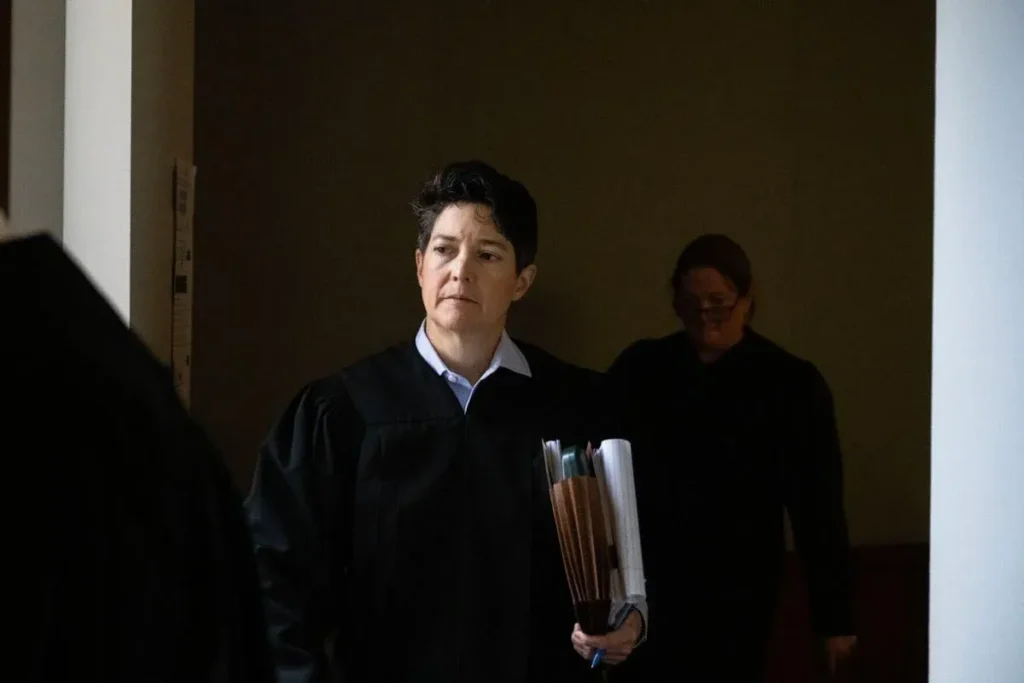
The Colorado Supreme Court determined on Monday that a Denver detective did not improperly resume questioning of a defendant in custody after he invoked his right to counsel. By 4-3, the justices reversed a trial judge’s order that found a...
PREV
PREVIOUS
Federal judge proposes sanctions against Mike Lindell's lawyers for continued fake citations
A federal judge is once again pursuing sanctions against lawyers for MyPillow CEO Mike Lindell for continuing to cite to court cases that do not exist, likely based on the faulty output of artificial intelligence tools. Last year, a jury in Colorado awarded plaintiff Eric Coomer $2.3 million in damages against the defendants, Lindell and […]
Judge rules that Colorado law makes it too hard for parties to bar unaffiliated voters from primaries
A federal judge ruled in favor of the Colorado Republican Party late Tuesday, saying that a portion of the state law that allows unaffiliated voters to cast ballots in party primaries is unconstitutional because it imposes an unrealistic burden on political parties seeking to restrict the nominating process to their own members. U.S. District Court […]