

Colorado justices skeptical of appellate court’s limitation on prosecution’s appeal
The Colorado Supreme Court seemed skeptical on Tuesday that Denver prosecutors should be barred from appealing a trial judge’s permanent dismissal of a criminal case, based upon the sequence of events after the original ruling.
Prosecutors charged Quinn M. Jebe with offenses relating to drug distribution and sexual assault on a child. In July 2023, shortly before trial, the district attorney’s office announced the alleged victim was unable to testify. It asked for the case to be dismissed without prejudice, meaning prosecutors could later refile the charges.
Instead, District Court Judge Nikea T. Bland dismissed the case with prejudice, precluding the refiling of charges. The prosecution immediately asked for reconsideration and, 39 days later, Bland denied the motion. Twenty-three days after that, the prosecution moved to appeal the dismissal.
The Court of Appeals was then confronted with the question of whether it could even hear the district attorney’s appeal. Did the prosecution have to abide by the 49-day appeal deadline, starting from the date of the original dismissal order? Or did the motion for reconsideration push back the deadline?
“We first conclude that a prosecutorial motion for reconsideration of a final judgment does not extend the time for filing an appeal,” wrote Judge Neeti V. Pawar in the three-judge appellate panel’s opinion.
She elaborated that exceptions to the 49-day deadline apply to defendants, but the same caveats do not apply when the prosecution is appealing. Finally, the panel believed the prosecution’s “misinterpretation of the law” was not grounds to waive the deadline.
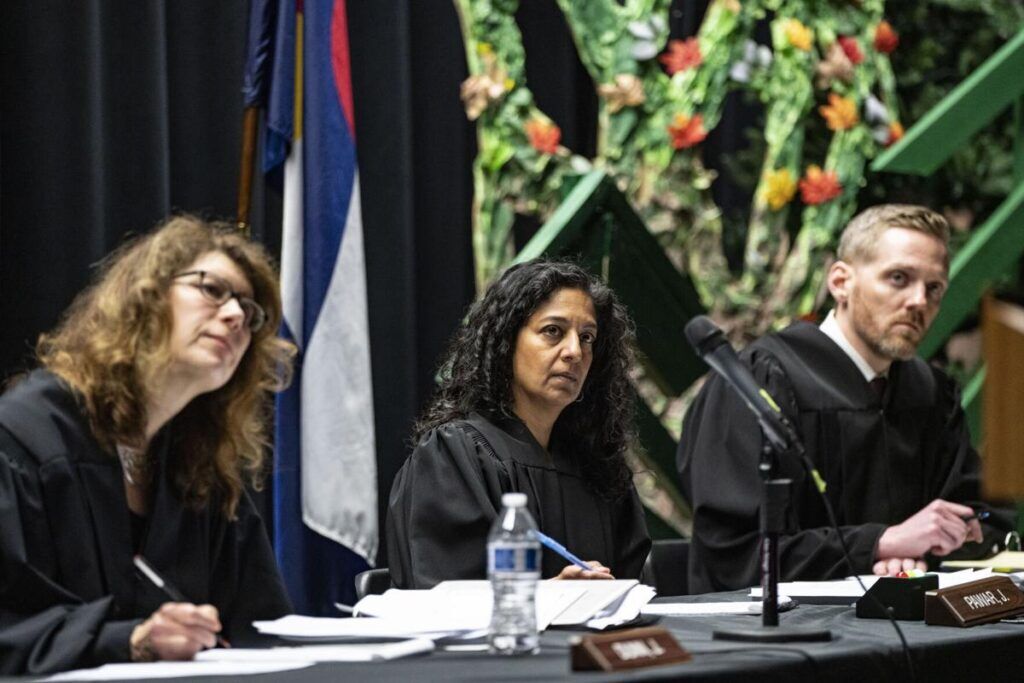
Turning to the Supreme Court, the district attorney’s office argued that the Court of Appeals’ “unnecessarily rigid” interpretation of the rules could undermine trial judges’ ability to correct their mistakes, possibly eliminating the need for an appeal in the first place.
Adrienne Teodorovic, representing Jebe, argued that the prosecution did, in fact, have 10 days from the existing deadline to file an appeal after Bland issued her order on reconsideration.
“The argument that Mr. Jebe is making is not that we can’t have a motion to reconsider,” said Teodorovic. “What I don’t hear an answer to from the prosecution, though, is: Why do we need to extend the timeframe within which to file an appeal?”
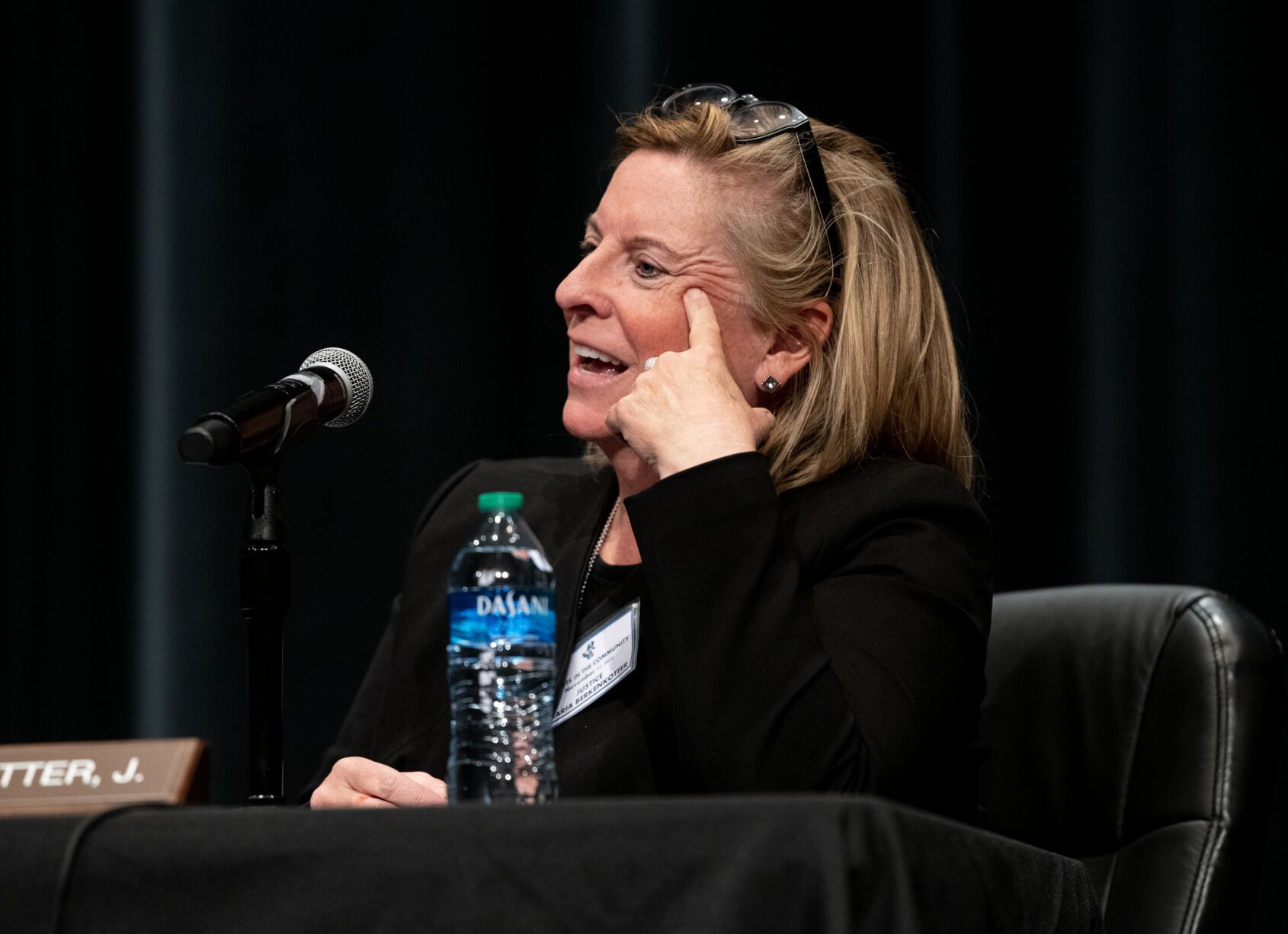
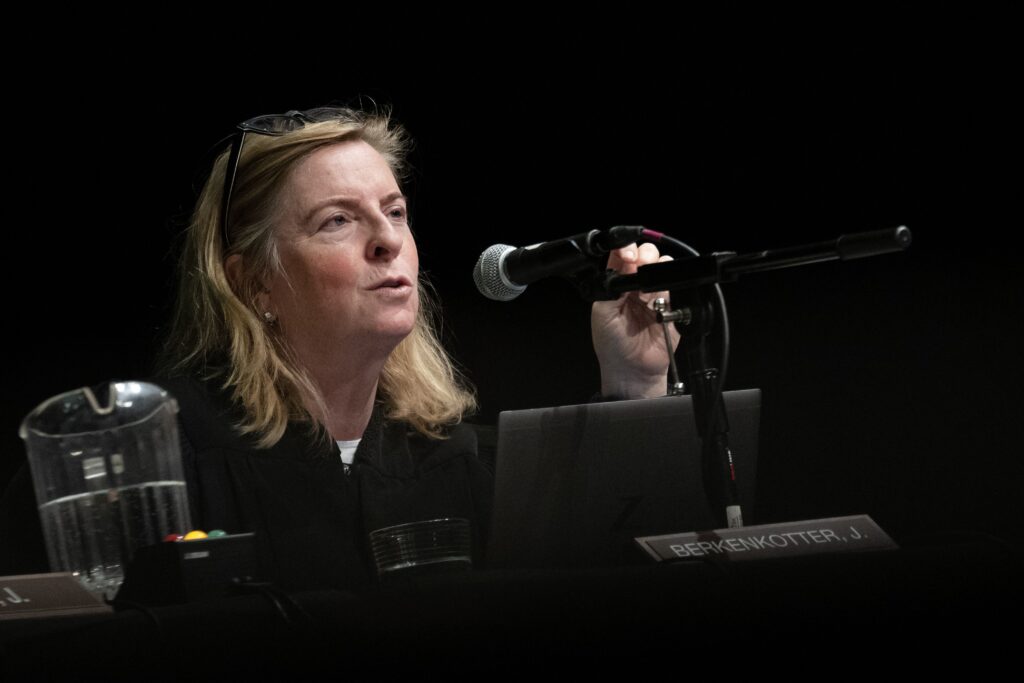
“Part of what doesn’t make sense to me is under the way you’re interpreting the law, the prosecution would have to file a notice of appeal with respect to the first ruling,” said Justice Maria E. Berkenkotter, “and then I think under your theory, they’d also have to file a notice of appeal with respect to the second.”
Teodorovic explained that the prosecution would only appeal the original order to put everyone on notice of the challenge. Then, it could seek a “limited remand” from the Court of Appeals, allowing the trial judge to proceed promptly with reconsideration.
“You involve the Court of Appeals. They can dictate that the district court get the job done,” she said, “so we can move on with this appeal.”
Justice William W. Hood III proposed a potential resolution that would allow the Denver District Attorney’s Office to prevail in Jebe’s case on one of the grounds the Court of Appeals rejected: That the prosecution’s failure to appeal in time was “excusable neglect” that should not be held against it.
“It seems to me, stepping back from all the nuances that we’ve been talking about, that maybe the appropriate outcome is just to say excusable neglect in this instance because there are reasonable arguments on both sides,” he said. “And then give it to the rule-making committee to sort out.”
Senior Deputy District Attorney Alison Suthers argued that the court should provide some guidance in its opinion. She also asked the justices to reiterate “the simple and elegant rule” that “the time to appeal begins when the motion to reconsider is denied.”
The case is People v. Jebe.

Colorado justices weigh fairness concerns after defendant prevailed despite ghosting case
Michael Karlik
michael.karlik@coloradopolitics.com
Updated 21 hours ago
Members of the Colorado Supreme Court struggled on Tuesday to balance the need for one defendant to shield itself against a plaintiff’s claim that its employee sexually assaulted her child, and the fact that the employee legally admitted the allegations...

Federal judge: Government violated order shielding man from deportation in ‘one-off mistake’
Michael Karlik
michael.karlik@coloradopolitics.com
Updated 21 hours ago
A federal judge acknowledged on Thursday that the government violated his order by deporting a man in immigration detention during his pending court case, but it “serves nobody’s interests” to require the government to return him. On Feb. 18, Tesfami...
Colorado Supreme Court lifts curtain on decision-making at legal event
Michael Karlik
michael.karlik@coloradopolitics.com
Updated 3 days ago
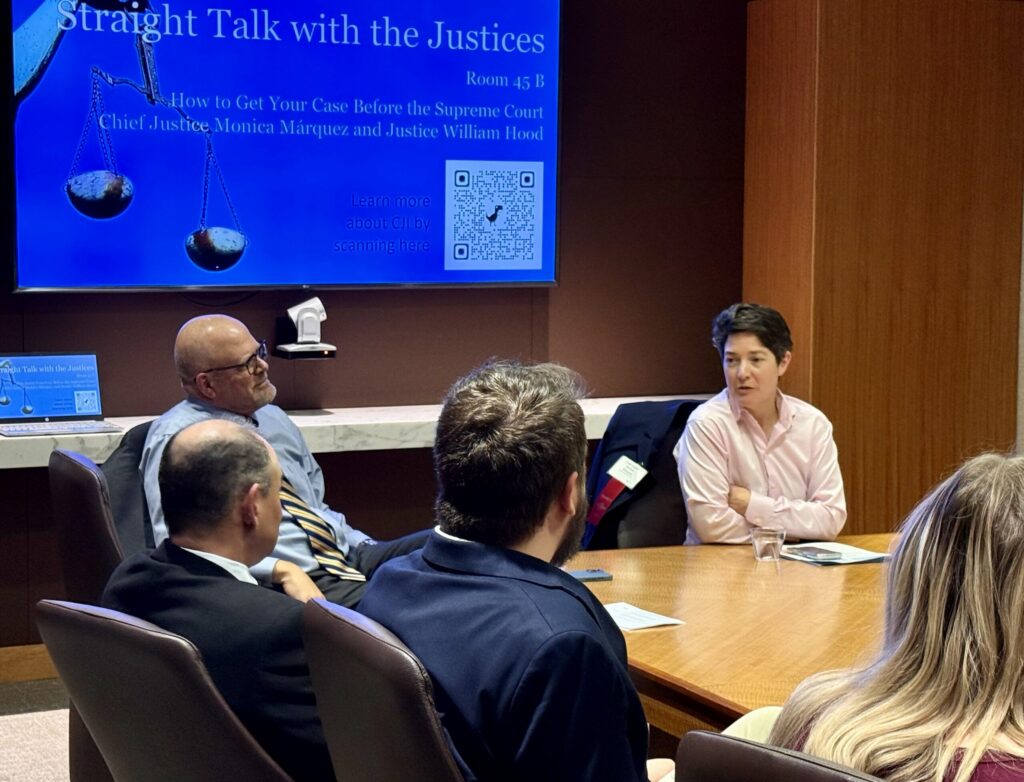
Members of the Colorado Supreme Court sat down with lawyers on Wednesday to answer questions about behind-the-scenes topics, including what happens immediately after an appeal is argued, why they might intervene in an ongoing case, and the consequence of a...
Colorado’s newest federal judge speaks about techniques for advancing cases
Michael Karlik
michael.karlik@coloradopolitics.com
Updated 4 days ago
U.S. Magistrate Judge Cyrus Y. Chung described on Wednesday the various tactics he employs to resolve court cases, summing up his role with a laxative-based metaphor. “Someone told a group of us federal magistrate judges that magistrate judges are the...

Federal judge hears ICE agents’ confusion about law, injunction on warrantless arrests
Michael Karlik
michael.karlik@coloradopolitics.com
Updated 5 days ago
A federal judge heard testimony on Tuesday from U.S. Customs and Immigration Enforcement agents in Colorado, who had trouble describing the requirements of his recent injunction and the training they received on making warrantless arrests pursuant to the law. On...

10th Circuit dismisses challenge to Colorado legislature’s decorum rules
Michael Karlik
michael.karlik@coloradopolitics.com
Updated 1 day ago
The Denver-based federal appeals court concluded on Tuesday that Colorado lawmakers cannot be sued for creating and enforcing rules of decorum that circumscribe the public commentary allowed at legislative committee hearings. A three-judge panel of the U.S. Court of Appeals...
Colorado Supreme Court blocks ballot initiative defining ‘fees’
Michael Karlik
michael.karlik@coloradopolitics.com
Updated 6 days ago
The Colorado Supreme Court blocked a proposed ballot initiative on Monday that would have required voter approval for new fees above a certain threshold, while also enshrining a definition of “fee” into the state constitution for the first time. Chief...
Colorado justices, by 5-2, say Longmont detective did not violate suspect’s Miranda rights
Michael Karlik
michael.karlik@coloradopolitics.com
Updated 2 days ago
The Colorado Supreme Court’s majority ruled on Monday that a Longmont detective did not coerce a suspect into talking by making references to how a judge would look at his character, and by suggesting he may get out of prison...
Colorado justices find Fort Collins police lacked probable cause to arrest suspect in park
Michael Karlik
michael.karlik@coloradopolitics.com
Updated 6 days ago
The Colorado Supreme Court agreed on Monday that Fort Collins police lacked probable cause to arrest a man for a child sex offense based on his presence in a public park around the time they intended to meet with their...

Supreme Court to hold oral arguments, discipline commission releases report | COURT CRAWL
Michael Karlik
michael.karlik@coloradopolitics.com
Updated 6 days ago
Welcome to Court Crawl, Colorado Politics’ roundup of news from the third branch of government. The state Supreme Court is holding oral arguments this week, plus Colorado’s judicial discipline commission released its annual report. Colorado Supreme Court news • The Supreme...
PREV
PREVIOUS

Senate committee moves forward with Colorado ballot measure to redirect TABOR refunds to schools
A Senate panel on Thursday voted along party lines to move forward with a bill that would ask voters for permission to eliminate Taxpayer’s Bill of Rights refunds and redirect those dollars to K-12 public education. The 6-3 vote in the Senate Finance Committee sends Senate Bill 135 to the Senate Appropriations Committee for further […]

Colorado GOP chair Brita Horn says she’ll resign next month, points to ‘divide within our party’
Colorado Republican Party Chair Brita Horn said Thursday that she will resign her position next month following the GOP’s state assembly, citing what she described as an “enduring divide” within the party “marked by vitriol and hostility.” Horn’s announcement came just over a week after the Republicans’ state central committee voted overwhelmingly to approve a […]