

New venue, same nonsense with proposed fur ban | OPINION
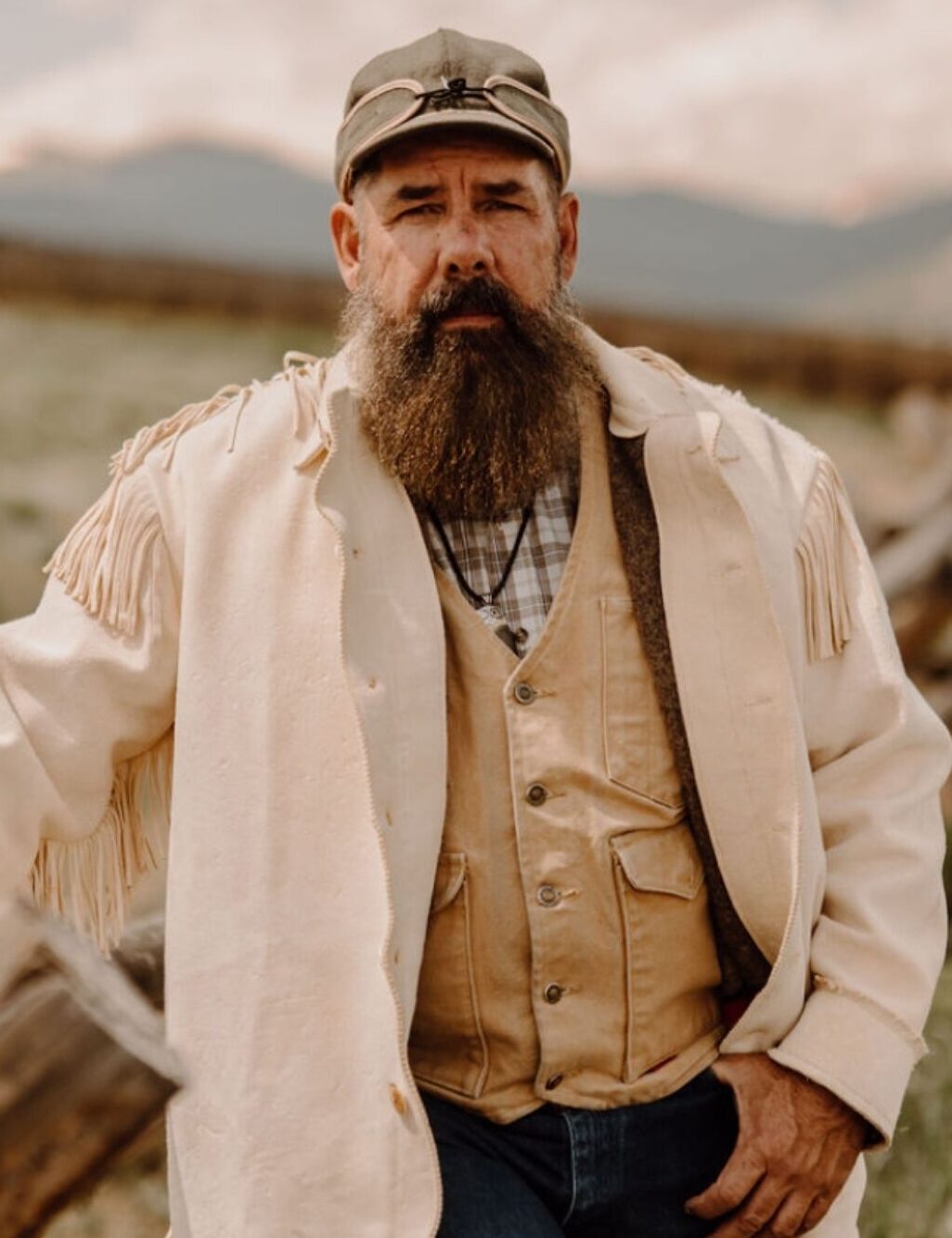
By Dan Gates
Animal rights activists have introduced a new petition to the Colorado Parks and Wildlife Commission to ban the sale of fur in Colorado. Regardless of when commissioners take a formal vote on the petition — either at their March 4 & 5 Denver meetings or their May 6 & 7 Grand Junction meetings — it’s clear that science-based wildlife management and the North American Model of Wildlife Conservation (NAM) are once again under attack.
After the results of the last election cycle, one might have thought reckless wildlife proposals were in Colorado’s rearview mirror. The 2024 General Election saw citizens reject Proposition 127, a proposed ban on big cat hunting, by a ten-point margin. Even at the municipal level, about 60% of Denver voters denied Initiated Ordinance 308, which was materially the same as this new fur ban before the CPW Commission, with the only major difference being in scope.
Like many Coloradans, the resounding defeats of Proposition 127 and Ordinance 308 — both of which were severely lacking in scientific evidence — made me optimistic that our state had turned over a new leaf when it came to wildlife management. In rejecting these two proposals, voters made it abundantly clear that science-based management practices should be the guiding voice in Colorado’s conservation efforts. While the animal rights groups backing these proposals incessantly argued that wildlife management issues should be decided by the will of the people, the people respectfully chose to abide by the NAM’s foundational principle of upholding science to inform wildlife-management decisions. One might hope these activists would finally take the hint and stop trying to impose radical wildlife policies that our communities don’t want.
Unfortunately, animal rights activists only seem to care about the will of the people when it’s convenient for them. Instead of letting the results of Proposition 127 and Ordinance 308 stand, they have made the calculated decision to subvert the will of voters by sneaking a fur ban through the Colorado Parks and Wildlife Commission unbeknownst to a vast majority of Colorado’s electorate.
It’s important to note that members of the CPW Commission are not the experts who are on the ground applying the best available science to effectively manage the state’s 961 wildlife species. Rather, they are a collective of politically appointed officials that are handpicked by the Governor. This is not to say that CPW Commissioners are fundamentally biased or should not have any oversight on wildlife policies; however, it is to say there are times when it may be inappropriate for the commission to take a vote on state wildlife policy.
This latest fur ban is one such instance, as the petition relies exclusively on appeals to emotion and poorly constructed reasoning to support the ban. For example, the petition implies that a lack of available comprehensive data for furbearer populations indicates these animals are being threatened by harvest for their pelts. This argument completely ignores the fact that it has always been difficult to extrapolate exact data on these species by virtue of their reclusive nature. Simply having a lack of precise data is not evidence that these species are in danger, especially when qualitative observations from CPW suggest otherwise.
Other pieces of “evidence” that petitioners use to support the fur ban include an unsubstantiated allusion to climate change negatively impacting furbearers, as well as an argument that the current sale of furbearer parts violates the NAM. This latter piece of support is particularly suspect when you consider the petition also acknowledges that the NAM historically provides an exemption for the sale of furbearer parts. In short, petitioners provide no real evidence that furbearer populations are in danger, instead relying on leaps in logic and full-blown contradictions to support the fur ban.
The 2024 General Election made it clear that Coloradans want their wildlife managed through the best available science. Inciting statewide policy through a bureaucratic vote on a petition lacking substantial scientific evidence would be a slap in the face to Colorado voters, experts at Colorado Parks and Wildlife, and Colorado’s wildlife populations. I strongly encourage members of the CPW Commission to reject this proposed attack on science-based wildlife management and encourage readers to attend the commission’s hearings to speak out against this dangerous proposal.
Dan Gates is executive director of Coloradans for Responsible Wildlife Management. He is the current chair of the Colorado Sportspersons Roundtable and vice chair of the Colorado Wildlife Conservation Project. Gates was previously appointed to the Colorado Wildlife Habitat Stamp Committee by Gov. Jared Polis and Gov. John Hickenlooper, eventually serving as chair to the committee. Gates also served as chair to the Colorado Wildlife Council and was campaign spokesman for Colorado’s Wildlife Deserve Better, the issue committee that successfully defeated Proposition 127 in 2024.


Colorado is turning its back on agriculture | PODIUM
Byron Pelton
byron-pelton@coloradopolitics.com
Updated 2 hours ago
Colorado’s farmers and ranchers already face significant challenges, including volatile commodity prices, rising input costs, labor shortages and unpredictable weather. They should not also have to contend with a state legislature that increasingly seeks to regulate how they protect crops...

Housing, building depend on natural gas in Colorado | OPINION
Colorado Politics
colorado-politics@coloradopolitics.com
Updated 3 hours ago
By Tyrone Adams and Stephen Shepard Across Colorado, the organizations and industries that develop, sell, and manage homes and commercial buildings want pragmatic energy policies and a strong future. However, recent moves to speed up electrification mandates under the state’s...

Affordable housing requires real reform, not more regulation | OPINION
Colorado Politics
colorado-politics@coloradopolitics.com
Updated 3 hours ago
By Ryan Gonzalez Time and time again, we hear calls for “affordable housing” across party lines. Yet Colorado has failed to deliver meaningful reform that addresses the ever-rising cost of housing. Instead, the legislative majority has passed laws and policies...
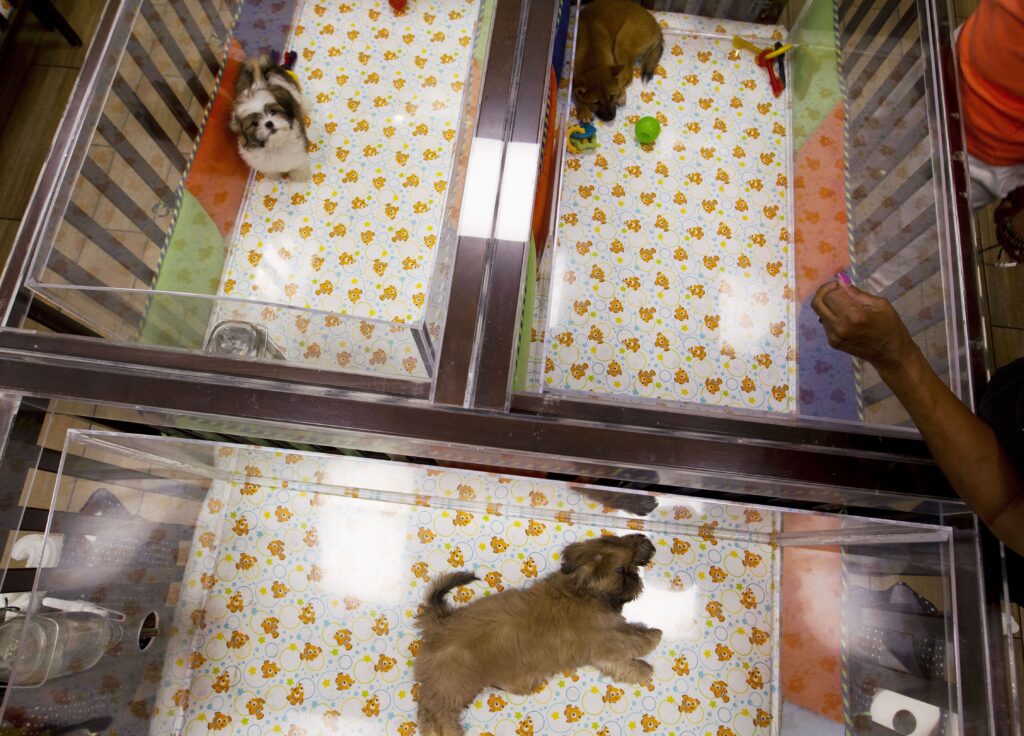
Colorado House advances bill to ban pet stores from selling dogs as cats, as opponents warn of black market surge
Marissa Ventrelli
marissa.ventrelli@coloradopolitics.com
Updated 12 hours ago
Colorado lawmakers advanced legislation Monday that would prohibit pet stores from selling dogs and cats sourced from large-scale commercial breeders, a move sponsors say will shut down the “puppy mill pipeline.” Critics, however, warn that the bill will instead push...

Laura Clellan officially named director of Colorado Parks and Wildlife
Marianne Goodland
marianne.goodland@coloradopolitics.com
Updated 9 hours ago
Laura Clellan, who has been acting director of Colorado Parks and Wildlife since Nov. 25, was named the agency’s permanent director Monday by the Colorado Parks and Wildlife Commission. She replaced Jeff Davis, who resigned in lieu of termination weeks...

Colorado group files 6 ballot measures to counter redistricting proposals backed by Democrats
Marianne Goodland
marianne.goodland@coloradopolitics.com
Updated 7 hours ago
A half-dozen congressional redistricting ballot measures were filed Friday by a Colorado advocacy group in response to proposals filed last week from a group seeking to flip three Republican-held U.S. House seats in two years. “The gist of it is...

How much liberty do you really believe in? | Hal Bidlack
Hal Bidlack
hal-bidlack@coloradopolitics.com
Updated 1 day ago
I’m guessing my regular readers, if asked which Colorado Politics story I would choose to write about this week, would guess the Out West Roundup, which I admit is a personal favorite. The notion New Mexico would launch a “Truth...

When the snow doesn’t fall — securing Colorado’s water future through storage | OPINION
Colorado Politics
colorado-politics@coloradopolitics.com
Updated 7 hours ago
By Ron Redd This winter has delivered sobering news for Colorado. Snowpack levels across much of the state are at record lows in 2026, and this is a stark reminder that, in Colorado, water security begins in the mountains. At...
Support Colorado’s SEED Act to rein in pesticides | OPINION
Colorado Politics
colorado-politics@coloradopolitics.com
Updated 1 day ago
By Brad Kuhn Colorado has an opportunity to take a smart, science-based step forward by passing the SEED Act, SB26-065. This legislation does not ban tools farmers rely on. It simply ensures that highly mobile, systemic pesticides are used when...

Sound science should drive Colorado’s pesticide policy | OPINION
Colorado Politics
colorado-politics@coloradopolitics.com
Updated 1 day ago
By Paul Schlagel As a Coloradan and fourth-generation sugar beet farmer, my relationship with the land and my livelihood depend on balancing healthy soil, vibrant crops, and clean water. Achieving this balance — and providing food to my neighbors here...
PREV
PREVIOUS

Colorado House advances bill to ban pet stores from selling dogs as cats, as opponents warn of black market surge
Colorado lawmakers advanced legislation Monday that would prohibit pet stores from selling dogs and cats sourced from large-scale commercial breeders, a move sponsors say will shut down the “puppy mill pipeline.” Critics, however, warn that the bill will instead push sales into unregulated online and out-of-state markets. House Bill 1011, sponsored by House Majority Leader […]

Housing, building depend on natural gas in Colorado | OPINION
By Tyrone Adams and Stephen Shepard Across Colorado, the organizations and industries that develop, sell, and manage homes and commercial buildings want pragmatic energy policies and a strong future. However, recent moves to speed up electrification mandates under the state’s Clean Heat Plan may miss an important reality: energy policy and housing affordability are connected. […]