

With deadline looming, Colorado House Ethics Committee narrows case against Rep. Ron Weinberg
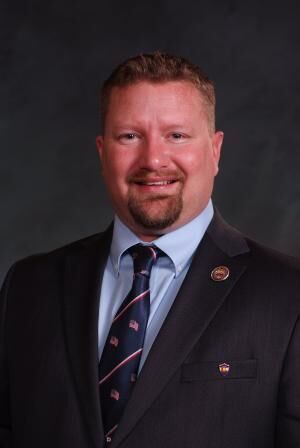
With a Wednesday deadline to vote on seven ethics allegations against Rep. Ron Weinberg, R-Loveland, the Colorado House Ethics Committee signaled that it is poised to dismiss most of the claims, including campaign finance, conduct and firearm-related accusations, while focusing its scrutiny on allegations tied to a 2025 incident at the Brown Palace and questions surrounding access to Capitol offices.
The committee signaled Monday that it is likely to dismiss several of the allegations in the complaint Rep. Brandi Bradley, R-Roxborough Park, filed last July.
The first likely to go away: the campaign finance allegation. Bradley alleged Weinberg spent campaign money on personal items, such as clothing, cigars, haircuts and a donation to an Israeli soccer club.
But that is also the basis for an identical complaint Bradley filed with the elections division of the Secretary of State, less than two weeks after she submitted the ethics complaint to the House Speaker.
The complaint with the elections division was scheduled to be heard by an administrative law judge on Feb. 27, but the hearing is likely to be postponed due to Weinberg’s attorney’s unavailability for a medical procedure.
Rep. Javier Mabry, D-Denver, raised the question of whether the campaign finance issue is within the jurisdiction of the ethics committee. Candidates are subject to regulations on campaign finance enforced by the Secretary of State, he said. The process would continue whether someone was a member of the House or only a candidate, he explained.
That was supported by fellow committee member Rep. Matt Soper, R-Delta, who raised concerns about equal protection and whether a member of the House would be subjected twice to a campaign finance complaint by both the ethics committee and the elections division, when a candidate would not face the same process.
Committee Chair Rep. Karen McCormick, D-Longmont, didn’t quite see it the same way, pointing out that members can use campaign funds to pay for things in their elected capacity, which she called a gray area.
While Rep. Steven Woodrow, D-Denver, raised the possibility of using campaign funds inappropriately, which is not necessarily the case here, he indicated, the timeline the ethics committee is on – with votes on Wednesday – means they don’t have the time to do the kind of investigation the elections division can conduct. He suggested leaving the campaign finance issue to the Secretary of State’s office.
The second issue – Weinberg’s behavior toward Bradley – is also likely to go by the wayside.
Bradley alleged Weinberg, who she said “smelled of alcohol,” was abusive to her during the 2023 session, including an incident in which he “screamed at me over a disagreement on a bill.” Bradley said she ran to an office and reported the incident to her legislative aide, Jeff Patty.
The committee noted that Weinberg’s wife, Carolyn, who is also his legislative aide, claimed Patty was the aggressor and that Weinberg did not consume any alcohol that day.
They also noted the behavior did not appear to violate any ethical or statutory law, that Bradley did not file a workplace harassment complaint, and that Bradley did not provide any dates for the incident.
The third allegation, also likely to be dismissed, was on an allegation by Bradley that Weinberg said he carried a gun into the Capitol, in violation of a law passed in 2024, and that he was intoxicated at the time of the statement.
His aide at the time said Weinberg did not drink at the Capitol during the 2024 or 2025 sessions. Weinberg said in his response that he stopped carrying a firearm after the 2024 law was passed.
Bradley did not provide a date for the incident, and the committee noted there wasn’t enough circumstantial or direct evidence showing Weinberg carried a firearm, other than his own statements.
The fourth allegation was on alleged statements Weinberg made to Bradley that she said were inappropriate and of a sexual nature.
That also could be covered under the legislature’s workplace harassment policy. But the committee noted that no complaint was filed by Bradley regarding those alleged statements.
Weinberg has said the accusations are “categorically false.” In addition, Carolyn Weinberg, who said she’s with him most of the time and has never witnessed any such behavior, was noted by the committee.
The committee had asked for evidence to support the allegation, but received none, according to McCormick.
Woodrow noted that this allegation, combined with another related to an incident at the Brown Palace at the end of the 2025 session, could constitute a trend and that neither allegation should be dismissed. He said he sees probable cause in this allegation.
The fifth allegation relates to a 2025 hearing in the House State, Veterans and Military Affairs Committee. Bradley alleged Weinberg was belligerent toward Rep. Stephanie Luck, R-Penrose, to the point that Bradley feared for Luck’s safety.
McCormick and Soper said they listened to the hearing. McCormick said there wasn’t a specific ethics violation they could cite in response to that allegation.
She and Soper said that the hearing provided no evidence of any untoward behavior by Weinberg or any contentious comments.
“Those meetings sounded relatively tame to me,” McCormick said.
The sixth allegation is on the incident at the Brown Palace. Bradley alleged Weinberg made inappropriate sexual comments to two female House members. That would be an ethics complaint that falls under the legislature’s workplace harassment policy, the members noted.
The legislature’s human resources official conducted an investigation into the incident, an investigation sought by Weinberg, who claimed Bradley made the whole thing up.
The HR conclusion was that it was less likely than not that the witnesses’ statements were filed falsely to damage Weinberg’s reputation. The committee obtained a notarized statement from Bradley’s aide on the incident.
McCormick noted there were letters and emails from other witnesses from that evening, including several lawmakers, who said the comments didn’t happen, as well as a photo showing Weinberg sitting across the table from Bradley.
“There’s quite a bit of evidence on this one from a variety of sources,” McCormick said, and enough to lead her to believe there’s something there that could be considered sexual in nature and fit within the definition of sexual harassment.
While there is no evidence for the fourth allegation, the sixth appears to relate to it and could be tied together as part of the same recurring theme, Mabry added.
The final allegation concerns the use of an alleged master key taken by Weinberg and potentially copied, which was used to turn on lights in his office, where the light switch was in Luck’s office. A separate incident took place on New Year’s Eve 2023, when Weinberg accessed the Capitol dome for a group of visitors. Photos taken by Weinberg that night showed them in the dome and in an office with a vault that wasn’t Weinberg’s.
While Bradley alleged Weinberg made a copy of the master key, Weinberg denied it, and the committee noted there’s no evidence to suggest otherwise from the Colorado State Patrol, which had access to cameras in the building that night.
Woodrow noted Bradley claimed Weinberg committed theft when he took the master key, but he said he struggled with the theft claim, explaining it might be more of a trespass issue.
As to the key to the dome, there’s a key that’s made available to lawmakers for that purpose, Mabry said, adding that the act of a lawmaker coming to the Capitol on New Year’s Eve is not problematic for him.
What stood out for him, however, was the office with the vault.
There are a number of offices in the state Capitol that have old vaults, many of which house lawmakers. Woodrow said he believed the office in question was the caucus room for House Republicans.
That issue rose to the level of probable cause, the committee indicated.
The committee will meet again on Wednesday to vote on motions regarding the allegations.

Colorado Senate Democrats choose Sen. Cathy Kipp as president pro tempore
Marianne Goodland
marianne.goodland@coloradopolitics.com
Updated 45 minutes ago
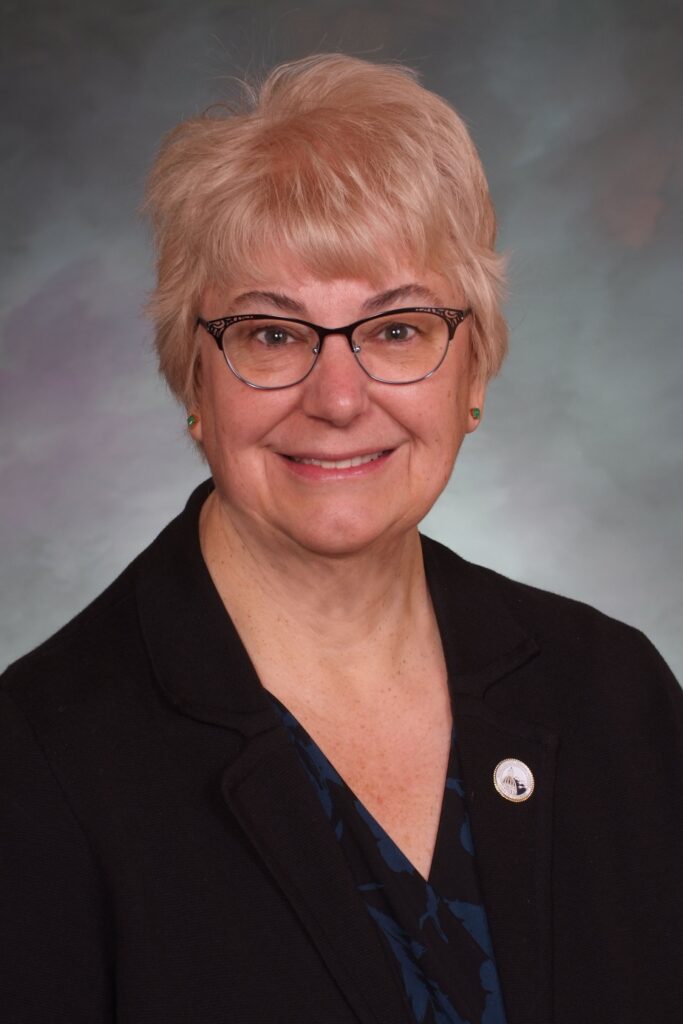
Senate Democrats on Monday elected Sen. Cathy Kipp, D-Fort Collins, as the next president pro tempore. She replaces former Sen. Dafna Michaelson Jenet, D-Commerce City, who resigned her seat earlier this month. Kipp faced off against Sen. Tony Exum, D-Colorado...
Democratic lawmakers propose changes to landlord-tenant laws in Colorado | Bills in Brief
Marissa Ventrelli
marissa.ventrelli@coloradopolitics.com
Updated 2 hours ago
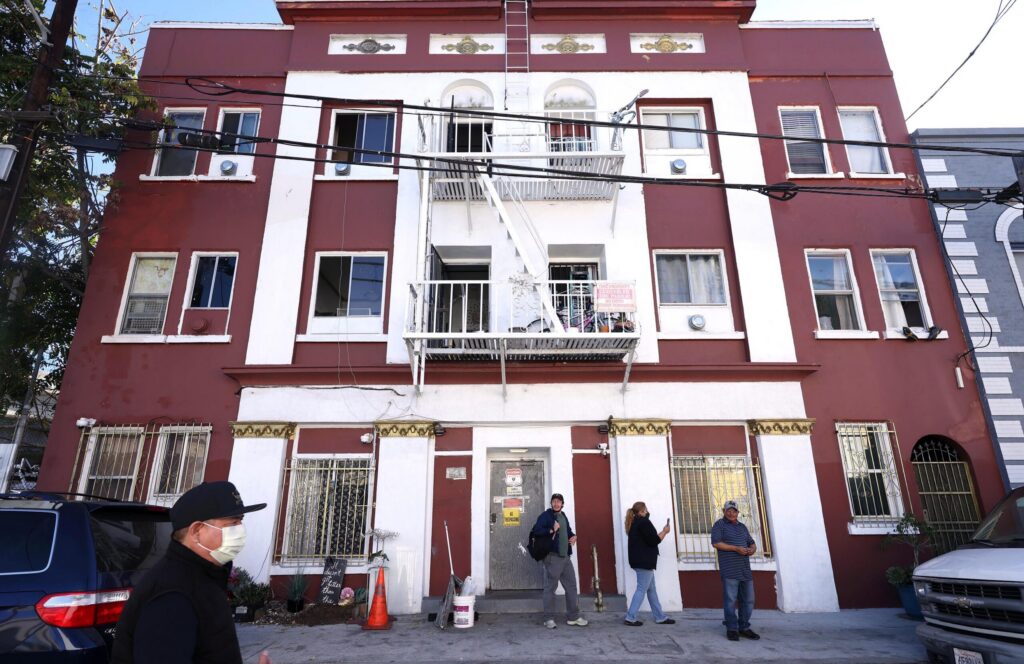
Colorado lawmakers introduce hundreds of bills each year. Bills in brief cuts through the noise by explaining which proposals matter, what’s at stake, and how decisions at the Capitol could affect everyday life across the state. House Bill 1013, sponsored by Reps....

Bipartisan Colorado measure targets delays in missing person cases
Marissa Ventrelli
marissa.ventrelli@coloradopolitics.com
Updated 2 hours ago
Spurred by the deaths of two young adults last year, a bipartisan group of Colorado lawmakers is advancing legislation that would require colleges to conduct wellness checks within six hours of a missing student report and mandate statewide law enforcement...
At least 6 candidates vying to replace former Sen. Dafna Michaelson Jenet
Marianne Goodland
marianne.goodland@coloradopolitics.com
Updated 4 hours ago
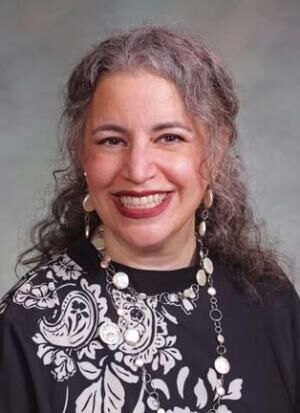
Sometime in the next 24 days, a vacancy committee for Senate District 21 will hold an election to choose a successor to former Sen. Dafna Michaelson Jenet, D-Commerce City. Michaelson Jenet resigned on Feb. 13 to take a job as...
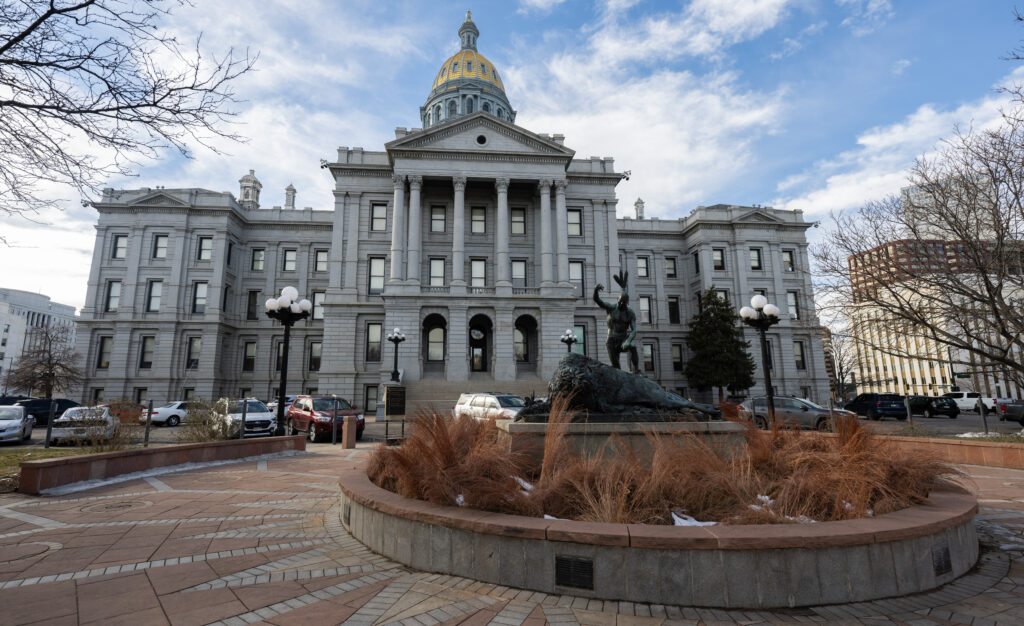
Battle lines drawn as Colorado considers decriminalizing prostitution
Marissa Ventrelli
marissa.ventrelli@coloradopolitics.com
Updated 20 hours ago
Battle lines have begun to form at the Colorado state Capitol, where legislators are preparing to tackle a proposal to decriminalize prostitution statewide. Proponents said the proposal — which would eliminate the offense of soliciting for prostitution and the prohibition...
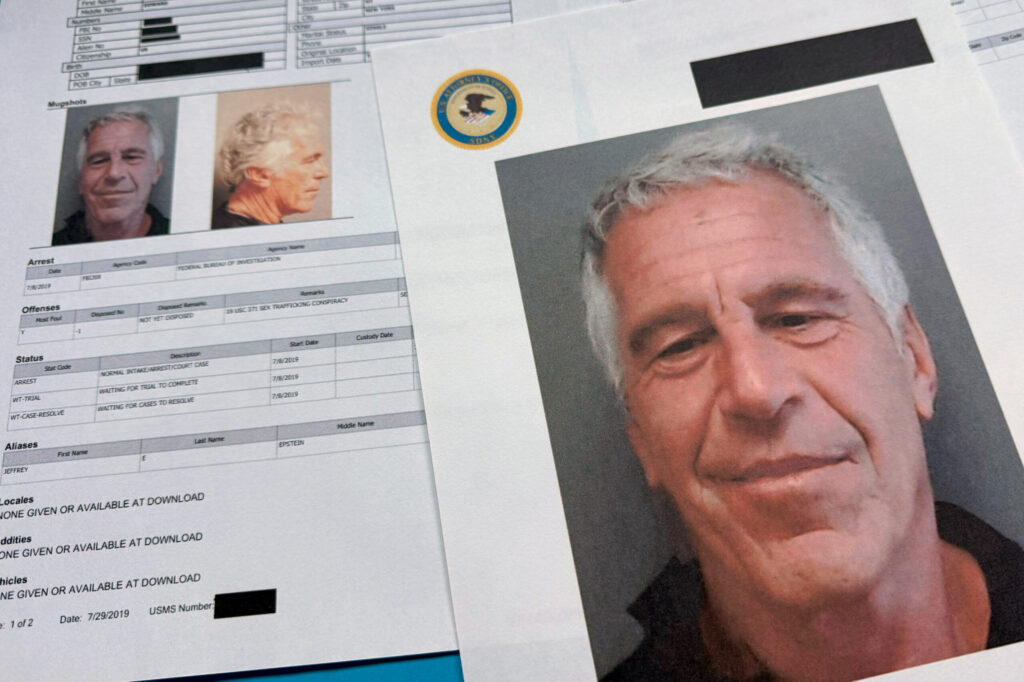
Colorado, some Coloradans make appearances in the Epstein Files
RACHAEL WRIGHT Special to The Gazette
rachael-wright-special-to-the-gazette@coloradopolitics.com
Updated 10 hours ago
With the U.S. Department of Justice’s release of 3 million more files pertaining to convicted sex felon Jeffrey Epstein, multiple written mentions of alleged connections to Colorado towns and business owners have come to light. A word search of the documents for “Colorado” generates 1,485 hits, with inquiries for cities including Denver and Aspen generating several thousands more. Chad...
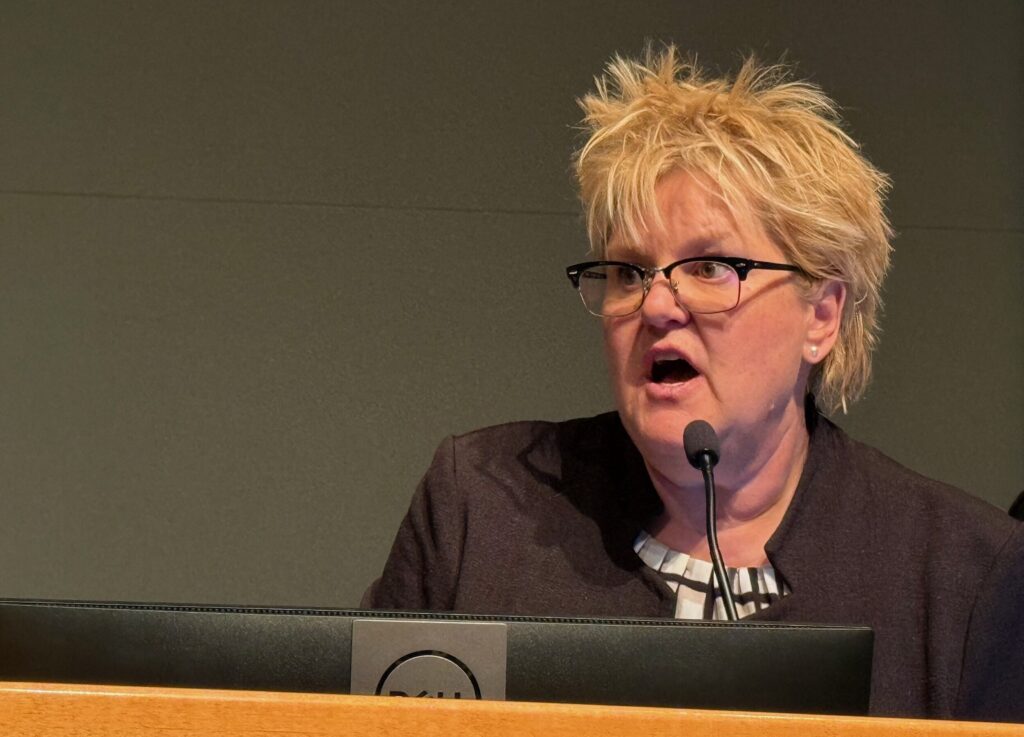
In a meeting Colorado GOP chair Brita Horn calls ‘illegal,’ Republicans vote to demand her resignation
Ernest Luning
ernest.luning@coloradopolitics.com
Updated 2 days ago
Roughly half the membership of the Colorado Republican Party’s state central committee on Saturday voted overwhelmingly to approve a resolution expressing “no confidence” in state GOP Chairman Brita Horn’s leadership and calling for her immediate resignation in an online meeting...

Colorado Medicaid probe uncovers millions of dollars in alleged transport fraud ring
Nico Brambila
nico.brambila@denvergazette.com
Updated 2 days ago
Colorado Medicaid officials detected $25 million in abnormal billing over just four months two years ago — a surge that prompted a new state law and the suspension of dozens of providers in what authorities now describe as an organized...

Greeley voters to decide fate of project that includes minor league hockey arena
Hap Fry, Special to The Gazette
hap-fry@gazette.com
Updated 1 day ago
GREELEY • The fate of the Cascadia development — and quite possibly the future direction of the city — is in the hands of Greeley voters this Tuesday during a special city election on whether the landscape-altering project should be...

Colorado Politics Calendar Feb. 23-Mar. 1
Rachael Wright, Special to Colorado Politics
rachael.wright@coloradopolitics.com
Updated 5 days ago
CoPo’s weekly political calendar helps you find political and public policy events throughout Colorado. It includes candidate and issue campaign events, public policy meetings, court hearings, state and local party conventions, assemblies, debates, rallies, parades, speaking engagements, traveling dignitary appearances,...
PREV
PREVIOUS

Democratic lawmakers propose changes to landlord-tenant laws in Colorado | Bills in Brief
Colorado lawmakers introduce hundreds of bills each year. Bills in brief cuts through the noise by explaining which proposals matter, what’s at stake, and how decisions at the Capitol could affect everyday life across the state. House Bill 1013, sponsored by Reps. Emily Sirota, D-Denver, and Javier Mabrey, D-Denver, and Sens. Lisa Cutter, D-Evergreen, and Mike Weissman, […]
Divided appeals court reverses murder convictions due to faulty self-defense instruction
Colorado’s second-highest court concluded last week that an incomplete self-defense instruction required the reversal of an El Paso County defendant’s murder convictions. Demetrius Montez Martin was among those present late at night at a club in Colorado Springs. An argument ensued and Martin got in his vehicle and drove off. Someone fired multiple gunshots in […]