

Denver advances face covering ban for law enforcement

A Denver City Council committee on Wednesday advanced a proposed ordinance banning law enforcement officers, including federal immigration agents, from covering their faces during an arrest or detainment or inside a city facility.
The proposed ordinance also establishes a minimum standard for visible identification during law enforcement actions in Denver and would require officers to provide their name and badge number when asked.
It is among a slew of measures that Democrats are considering at the local and state levels in response to stepped-up enforcement action by the Trump administration, though the operations in Colorado have so far been limited in comparison to Minnesota and other American cities.
Broadly speaking, some Democrats have begun to position the state and jurisdictions they dominate in a more confrontational stance. The attorney general, for example, wants residents to report alleged misconduct by federal agents via an online tool.
At the state Capitol, Colorado legislators are considering a proposal to allow a “cause of action” by individuals injured in an immigration enforcement activity.
The proposed ordinance in Denver now moves to the full City Council for consideration.
Officers who violate the ordinance would face penalties of up to $99 or 300 days in jail, with discretion for citations.
The bill will not restrict law enforcement from carrying out undercover operations, SWAT duties, tactical operations or emergency response, such as those undertaken by the Sheriff’s Emergency Response Unit, Councilmember Flor Advidrez told members of the Health and Safety Committee.
Additionally, law enforcement officers would not be prevented from wearing helmets, transparent face guards, medical masks, protective gear or religious head coverings, such as a hijab.
City officials in favor of the proposal argued it would address public safety fears and increase transparency. Meanwhile, some earlier raised the complications arising from local police confronting federal agents while conducting operations here.
“Our main concern with the proposed ordinance is enforcement, and how that’s going to affect the Denver police officers if they do have to take an enforcement action against a federal agent. The concern is also possible conflict with other federal agents,” Brian Pacelko, president of the Denver Police Protective Association, said during Wednesday’s hearing.
He added, “As you know, we do not work actively with ICE in any fashion, but we do assist with task forces with the FBI, ATF and DEA, and we don’t want to see these partnerships get diminished.”
Both the Colorado government and the city of Denver have adopted laws barring cooperation with immigration authorities, though political leaders insist neither state nor municipality is a “sanctuary” jurisdiction.
Although committee members agreed some minor details with the bill’s language need to be ironed out, they indicated urgency in moving the proposal forward.
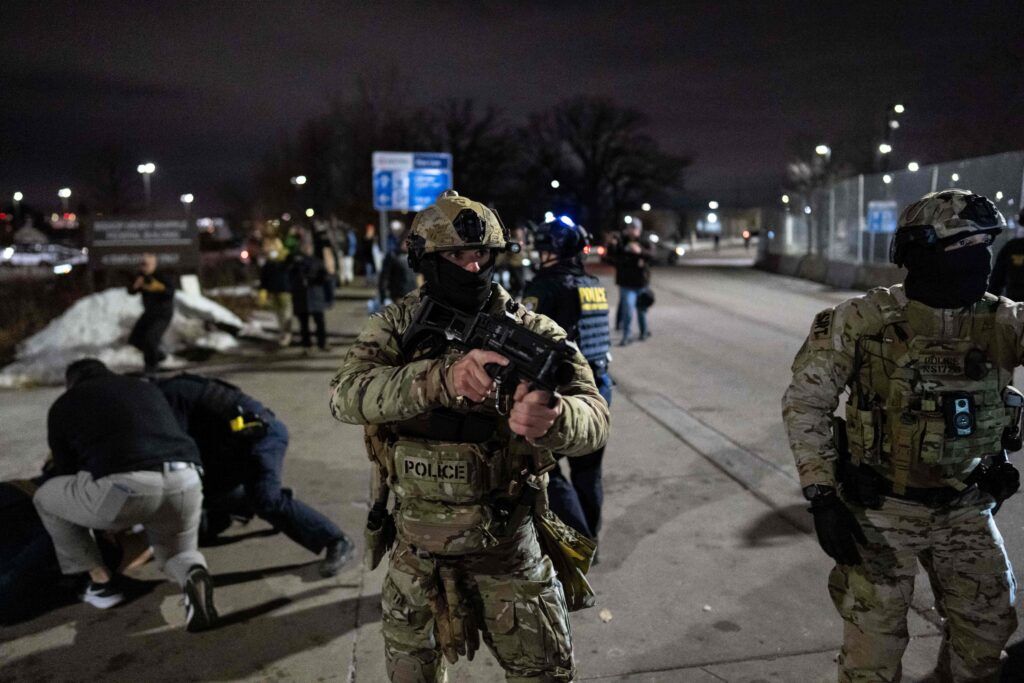
“ICE is already here, routinely breaking the law through constitutional rights violations, and we know it’s only a matter of time until they attempt to search here on the scale of Minnesota,” said Nate Stone, a volunteer with the Colorado Rapid Response Network, a group that monitors ICE activity and documents arrest incidents.
“What is in front of you today is the smallest of asks — accountability,” Stone told the committee. “I’m asking the council to take the steps necessary that if I’m shot in the process of trying to defend my community, my family deserves to know who pulled the trigger.”
“This ordinance provides clarity, not conflict, and enforcement of this law should not be taken as a defiance to public authority, but rather an expression of local leadership here in Denver,” Uriel Espinoza, another speaker, said during the meeting’s public comment period. “It ensures that the responsibility should rest with the city, so that local officers are not left navigating legal uncertainty on their own.”
The devil is in the details, city legal officials said.
Jon Griffin, the city’s deputy legislative counsel, previously said Denver police would be responsible for enforcing the ban against federal or other agents who may violate it.
Denver is not the first to consider such measures in light of recent high-profile federal immigration enforcement operations.
California became the first state to ban most law enforcement officers, including federal immigration agents, from covering their faces while conducting official business, under a bill signed in September by Gov. Gavin Newsom and criticized by Trump administration officials.
A federal judge on Monday struck down the California law, saying it does not apply equally to all law enforcement officers and “unlawfully discriminates against federal officers.”
The ban is a direct response to recent immigration raids in Los Angeles, where federal agents wore masks while making mass arrests. The raids prompted days of protest and led President Donald Trump to deploy National Guard troops and Marines to the area.
In Houston, City Councilmember Edward Pollard asked the city’s U.S. Immigration and Customs Enforcement field office to adopt a policy prohibiting agents from wearing face coverings, The Houston Chronicle reported on Jan. 5.
Last year, in Louisville, Kentucky, its City Council narrowly rejected a similar ban on face coverings.
Denver’s legal officials said the proposed ordinance must be able to withstand federal scrutiny if challenged.
“Law enforcement at any level of government should be held accountable to the public they serve,” Jon Ewing, a spokesperson for Denver Mayor Mike Johnston, told The Denver Gazette in an email. “At bare minimum, that means residents have a right to know who is detaining them and why they are doing so. The City Attorney’s Office will work with (the City) Council to ensure the bill meets all constitutional requirements and at that time it will receive Mayor Johnston’s full support.”
Trump administration officials have defended the use of masks, saying immigration agents face strident and increasing harassment in public and online as they carry out federal deportation operations. Obscuring their identities is necessary for the safety of the agents and their families, officials contend.

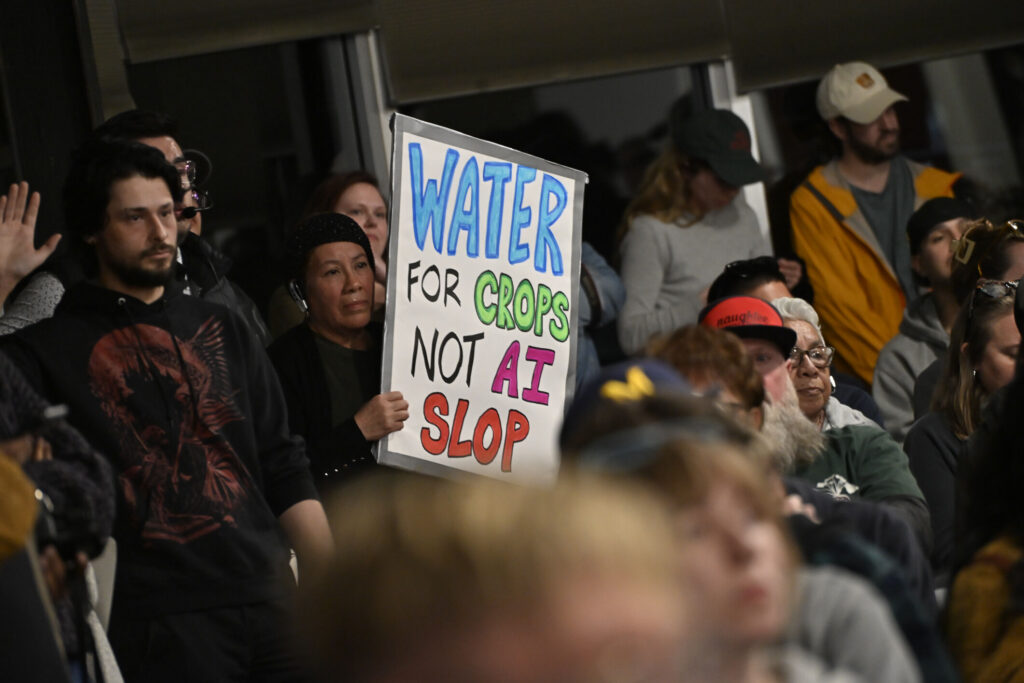
Denver proposes yearlong moratorium on new data centers
Deborah Grigsby
deborah.smith@denvergazette.com
Updated 12 hours ago
As Denver Water calls for a 20% reduction in water use during Stage 1 drought conditions, City Council members advanced a bill to rein in one of the largest water users — data centers — by proposing a yearlong moratorium...
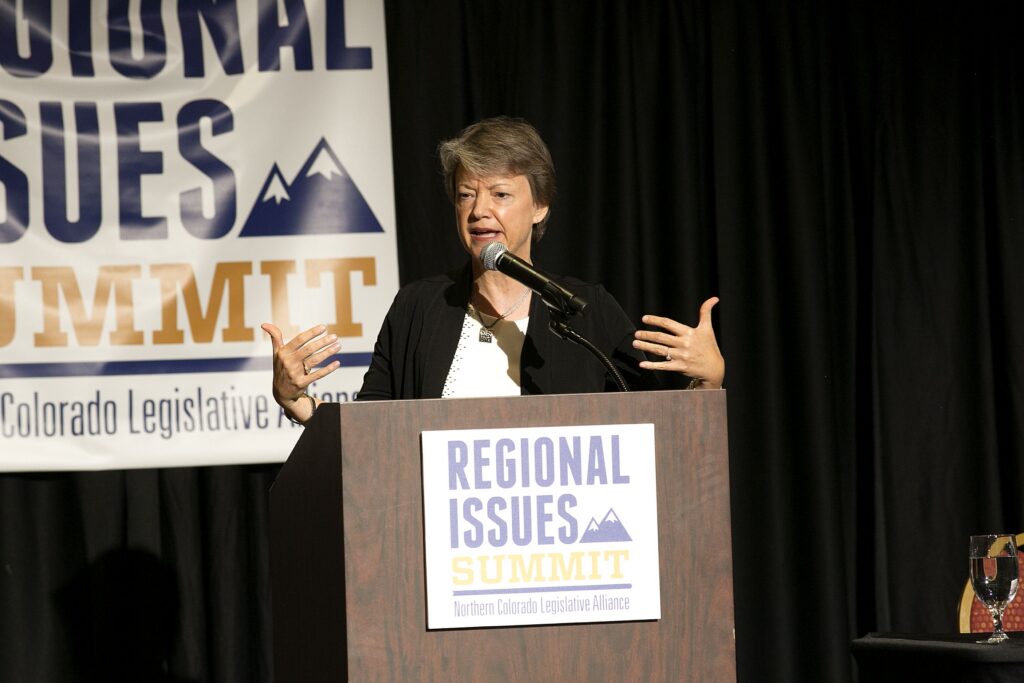
Under fire from legislators and critics, Colorado’s top Medicaid official resigns
Marianne Goodland
marianne.goodland@coloradopolitics.com
Updated 1 day ago
Colorado’s top Medicaid official stepped down on Monday, just as a bipartisan bloc of state senators prepared to formally urge Gov. Jared Polis to remove her over what they called years of mismanagement, waste and costly errors inside the state’s...
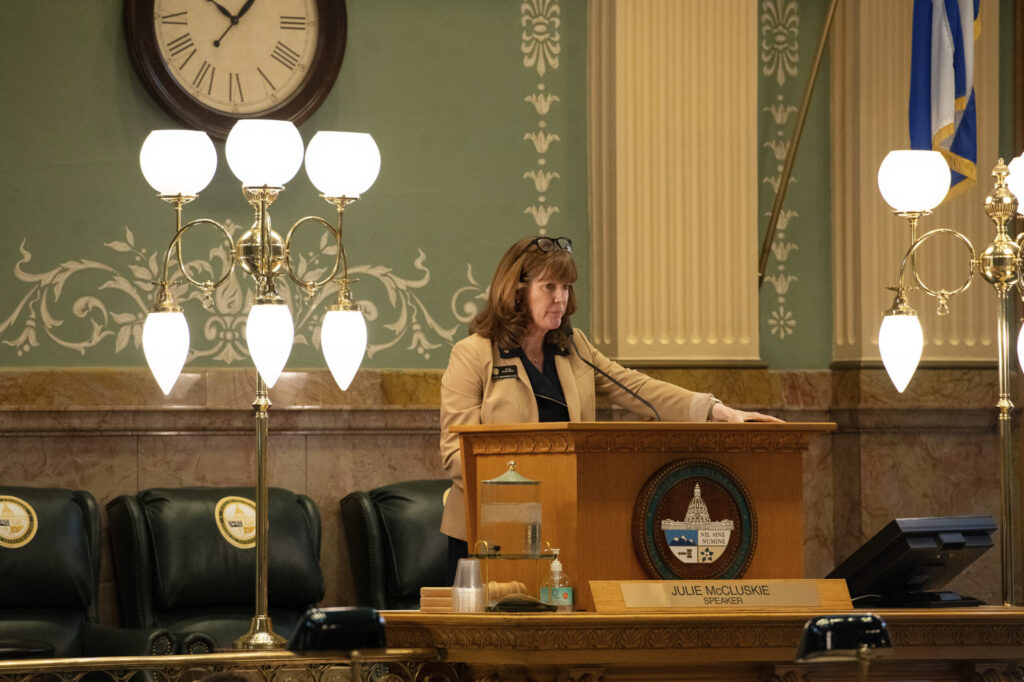
Pinnacol separation bill delayed as Colorado budget remains in flux due to $1.5B deficit
Marianne Goodland
marianne.goodland@coloradopolitics.com
Updated 5 days ago
A bill that would allow Pinnacol Assurance to formally sever its remaining ties with the state appears unlikely to emerge anytime soon, as House leaders juggle a massive budget shortfall, unresolved negotiations with key stakeholders, and growing doubts about whether...
Colorado legislators consider $500 million in general fund cuts amid $1.5 billion deficit
Marianne Goodland
marianne.goodland@coloradopolitics.com
Updated 6 days ago
The legislature’s Joint Budget Committee is working through a list Wednesday of about 150 suggestions to cut as much as $1.5 billion in general fund dollars out of next year’s budget. The largest on the list prepared by JBC staff...

Colorado farmers begin spring planting season with soaring fertilizer costs and price-gouging fears
Marianne Goodland
marianne.goodland@coloradopolitics.com
Updated 4 days ago
As Colorado farmers prepare their fields for spring planting, many are sounding the alarm over fertilizer prices that have surged far beyond what they say global supply disruptions can explain. With nitrogen costs up 30% in a matter of days,...
Colorado Democrats want large corporations to pay fee if employees are on Medicaid
Marianne Goodland
marianne.goodland@coloradopolitics.com
Updated 6 days ago
Democrats are seeking to require Colorado’s largest corporations to pay thousands of dollars for each employee that relies on the Medicaid program for health insurance. They don’t have to pay the fee if they can demonstrate offering an “affordable health...
CDOT pivots from snowplowing to wildfire mitigation along highways
Scott Weiser
scott.weiser@gazette.com
Updated 5 days ago
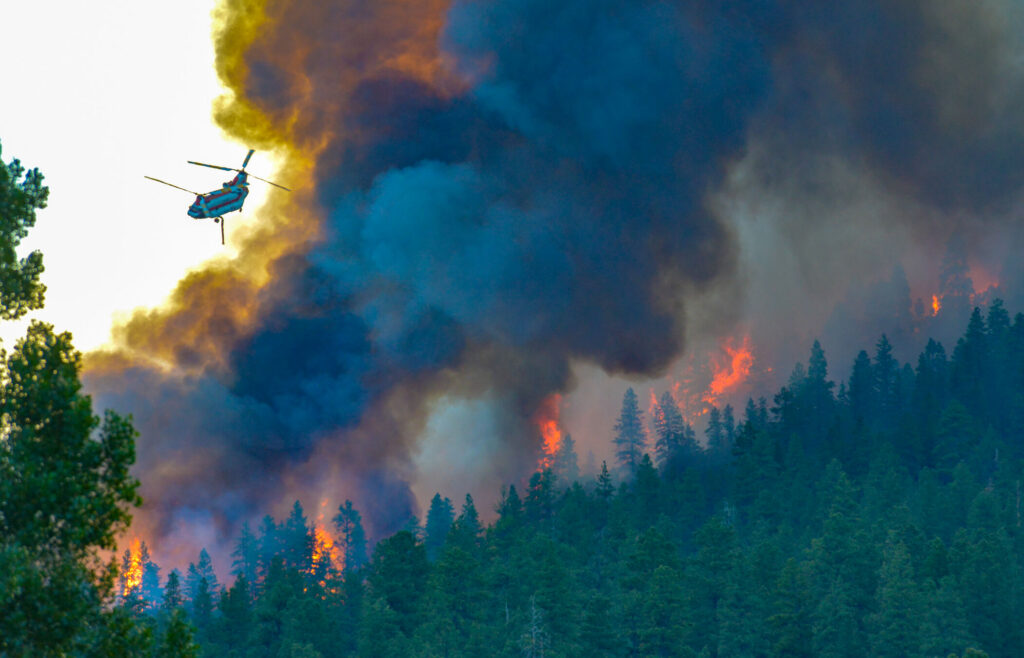
Colorado Department of Transportation maintenance crews have launched an early push to clear dry vegetation along highways to reduce the chance that sparks or cigarette butts from passing vehicles might ignite fast-moving fires this summer. With CDOT meteorologists forecasting above-normal...

Farmworker overtime bill advances after lengthy debate in Colorado Senate
Marianne Goodland
marianne.goodland@coloradopolitics.com
Updated 1 week ago
The Colorado Senate on Tuesday narrowly advanced a bill to raise the overtime threshold for agricultural workers, defeating more than a dozen amendments from its leading opponent aimed at rewriting the measure. As introduced, Senate Bill 121 would raise the threshold for...

Colorado Agriculture Day: A feast for the ears, eyes and stomachs
Marianne Goodland
marianne.goodland@coloradopolitics.com
Updated 1 week ago
Gov. Jared Polis, legislators and friends of agriculture gathered at the state Capitol on Tuesday to celebrate Colorado Agriculture Day. The annual recognition of the contributions of Colorado farmers, ranchers and agribusiness drew hundreds to the Capitol’s west foyer, where...

Pueblo man held in Afghanistan for more than a year released, Taliban says
The Associated Press
the-associated-press@coloradopolitics.com
Updated 1 week ago
KABUL, Afghanistan — Afghanistan’s Taliban authorities on Tuesday released American academic Dennis Coyle after holding him for over a year, with the foreign ministry saying the release came on the occasion of Eid al-Fitr, the Muslim holiday that marks the end of the...
PREV
PREVIOUS

Colorado Supreme Court blocks 'child-to-parent violence' testimony in Boulder County case
The Colorado Supreme Court concluded on Friday that a Boulder County judge incorrectly green-lit a psychologist’s expert testimony when the defendant had not laid the necessary groundwork for the evidence. State law requires criminal defendants to provide notice and undergo a court-ordered examination if they want to introduce expert evidence of their mental condition at […]

Hail drives up to 54% of homeowners’ insurance premiums in parts of Colorado
Hail is the largest cost driver of homeowners’ insurance spikes in many parts of the state, according to data collected by the Colorado Division of Insurance. The department requested data from 20 homeowners’ insurance carriers to calculate average premiums and the percentage of those premiums attributable to hail and wildfire risks. “We know that homeowners’ […]