

Colorado Supreme Court blocks ‘child-to-parent violence’ testimony in Boulder County case

The Colorado Supreme Court concluded on Friday that a Boulder County judge incorrectly green-lit a psychologist’s expert testimony when the defendant had not laid the necessary groundwork for the evidence.
State law requires criminal defendants to provide notice and undergo a court-ordered examination if they want to introduce expert evidence of their mental condition at trial.
Prosecutors charged Juli Ann Culver with one count of assault on an at-risk person, alleging she hit a teenager with cerebral palsy. Shortly before her scheduled trial in October, the defense announced it would introduce testimony from Jane Cleveland, an expert in “child-to-parent violence” and “abuse of caretakers.”
Specifically, Cleveland would provide context about what it means for parents “when a threat from their child occurs (and) the escalation of the limbic system causes a shutdown in frontal lobe processing, which means decision making gets impaired for a brief period,” her report indicated. “It is during these moments that parents can unintentionally make mistakes and overcompensate with their own physical reaction.”
The prosecution objected, arguing Culver had not followed the procedure for introducing mental condition evidence. The defense countered that Cleveland would not be opining about Culver’s mental state. Instead, she would help jurors understand the behaviors inherent to caregiving.
“The Court finds that Dr. Cleveland is qualified,” wrote District Court Judge Dea M. Lindsey, “and that she may discuss generally what can happen physiologically to parents in these types of relationships without opining that Ms. Culver specifically experienced this reaction herself.”
The district attorney’s office immediately appealed to the Supreme Court, contending the only purpose of Cleveland’s testimony would be to suggest Culver “suffered from a mental condition, and implying that this condition prevented her from forming the culpable state of mind” to be guilty.
In an unsigned Feb. 6 order, the Supreme Court agreed with the prosecution and reversed Lindsey’s decision.
“We now conclude that the proposed testimony by Dr. Cleveland is mental condition testimony subject to the requirements” in state law, the court wrote. “Because the defendant failed to comply with those requirements, the defendant may not present the proposed expert mental condition testimony by Dr. Cleveland.”
The case is People v. Culver.

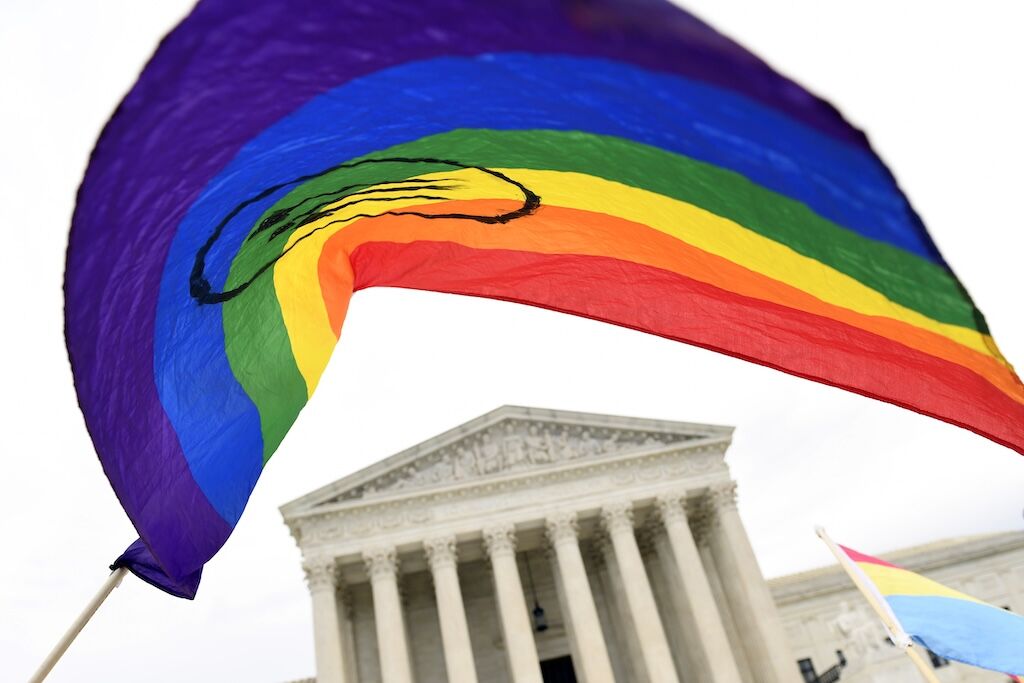
Colorado leaders weigh next steps after Supreme Court rejects state ban on ‘conversion therapy’
Marissa Ventrelli
marissa.ventrelli@coloradopolitics.com
Updated 8 hours ago
Colorado leaders said they are weighing next steps after the U.S. Supreme Court on Tuesday rejected the state’s ban on “conversion therapy” for children, as critics and supporters cheered or lambasted the ruling. The court’s near-unanimous decision called the Colorado...
Federal judge dismisses U.S. government lawsuit against Colorado, Denver’s ‘sanctuary’ laws
Michael Karlik
michael.karlik@coloradopolitics.com
Updated 7 hours ago
A federal judge dismissed the U.S. government’s lawsuit against Colorado and Denver on Tuesday, which alleged that various local policies impermissibly infringed on federal immigration enforcement. U.S. District Court Judge Gordon P. Gallagher followed the lead of judges in Illinois...
Federal judge finds DOJ adequately searched for, disclosed records related to Bidens
Michael Karlik
michael.karlik@coloradopolitics.com
Updated 12 hours ago
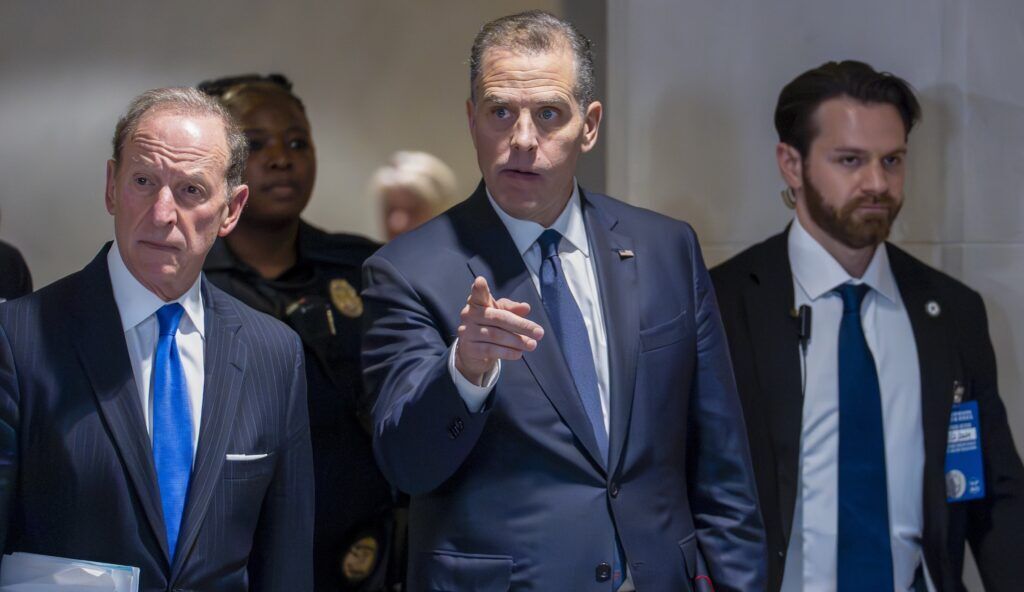
A federal judge determined on Friday that the U.S. Department of Justice adequately searched for and disclosed records to a Colorado attorney in response to his request for documents related to former President Joe Biden’s son and brother. In November...

10th Circuit warns lawyers after finding fake case in filing
Michael Karlik
michael.karlik@coloradopolitics.com
Updated 5 hours ago
The Denver-based federal appeals court warned attorneys to be more careful last month after discovering one lawyer cited a fake case in his arguments. In recent months, federal and state judges in Colorado have begun cautioning lawyers explicitly about the...

10th Circuit rules cognitively impaired man’s risk of lobotomy, mistreatment in Mexico not ‘torture’
Michael Karlik
michael.karlik@coloradopolitics.com
Updated 1 day ago
The Denver-based federal appeals court concluded last month that a man’s risk of mistreatment or forced lobotomy in his native Mexico did not amount to “torture” that should shield him from deportation. A three-judge panel of the U.S. Court of...
Colorado justices side with news organizations for disclosure of high-level child abuse data
Michael Karlik
michael.karlik@coloradopolitics.com
Updated 8 hours ago
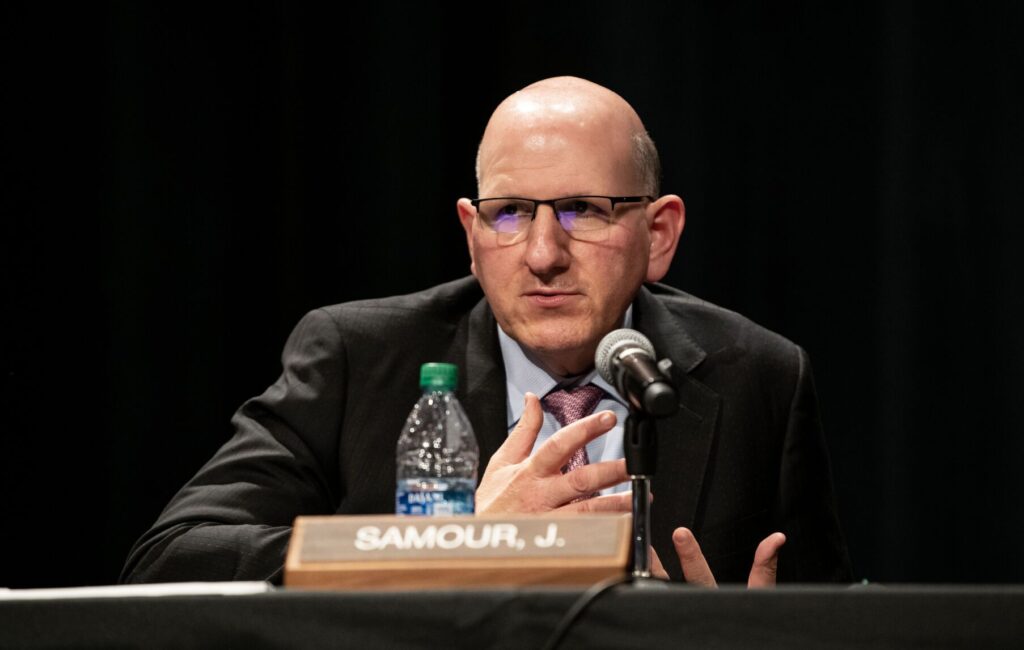
The Colorado Supreme Court ruled on Monday that the state must disclose the number of child abuse reports at individual group living facilities in response to an open records request, as the addresses are already in the public domain. The...
Divided Colorado Supreme Court finds Denver detective did not violate defendant’s Miranda rights
Michael Karlik
michael.karlik@coloradopolitics.com
Updated 1 day ago
The Colorado Supreme Court determined on Monday that a Denver detective did not improperly resume questioning of a defendant in custody after he invoked his right to counsel. By 4-3, the justices reversed a trial judge’s order that found a...

Out-of-state judges address ex-discipline director’s lawsuit, Colorado justices accept federal invitation | COURT CRAWL
Michael Karlik
michael.karlik@coloradopolitics.com
Updated 2 days ago
Welcome to Court Crawl, Colorado Politics’ roundup of news from the third branch of government. A pair of out-of-state judges got down to business in a lawsuit brought by Colorado’s former judicial discipline director, plus the state Supreme Court has...
Federal judge upholds constitutionality of Colorado campaign contribution limits
Michael Karlik
michael.karlik@coloradopolitics.com
Updated 4 days ago
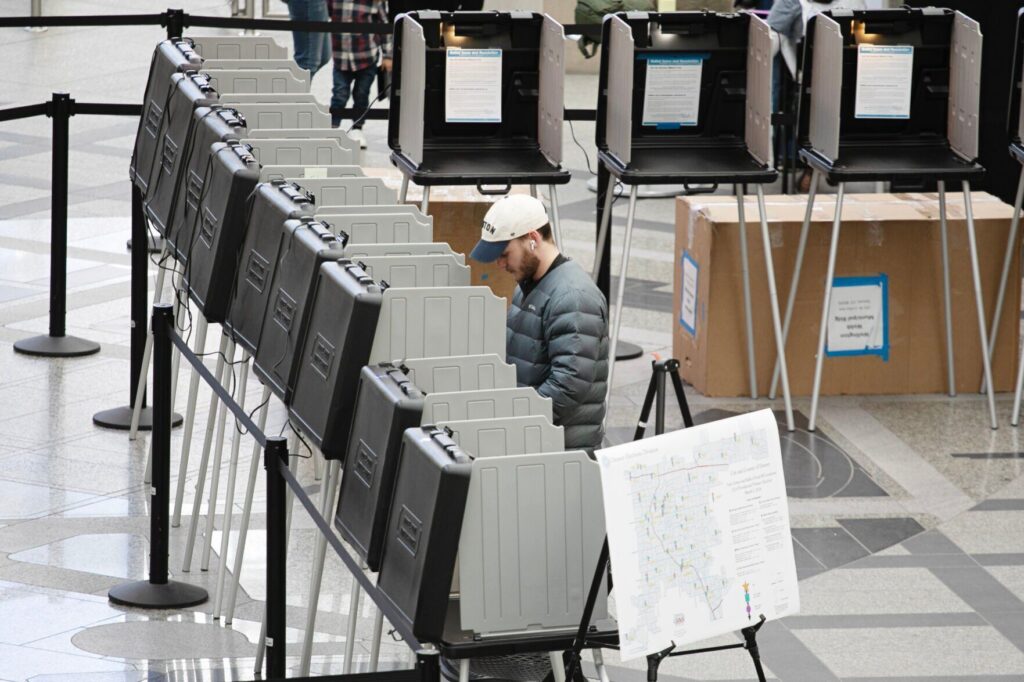
A federal judge upheld Colorado’s individual campaign contribution limits as constitutional on Thursday, finding that three Republican plaintiffs failed to prove the campaign finance framework violates their First Amendment rights. U.S. District Court Senior Judge John L. Kane recognized that...

Appeals court rejects theory that existing tax revenue undermines need for new fees
Michael Karlik
michael.karlik@coloradopolitics.com
Updated 4 days ago
Colorado’s second-highest court rejected a plaintiff’s claim on Thursday that the tax revenue generated by an existing activity should prevent local governments from imposing new fees aimed at regulating the activity. The question stemmed from Colorado’s unique constraints on taxation...
PREV
PREVIOUS
CU Boulder, state launch economic research in coal-transition areas
Communities in northwest Colorado built on coal mining and power plants are losing hundreds of high-paying jobs and a major share of their tax revenue as operations wind down. In a yearlong effort, the University of Colorado Boulder is teaming up with the state’s Office of Economic Development and International Trade to help these areas […]

Denver advances face covering ban for law enforcement
A Denver City Council committee on Wednesday advanced a proposed ordinance banning law enforcement officers, including federal immigration agents, from covering their faces during an arrest or detainment or inside a city facility. The proposed ordinance also establishes a minimum standard for visible identification during law enforcement actions in Denver and would require officers to […]