

SB 26-066 will make patient care harder, not safer | OPINION
By Kristen Youngdahl
As a pharmacist in Colorado, I am proud of the opportunity I have to work with patients consulting them on their specific medical situation and serving as a valuable partner to their overall health. As a trusted partner, I recognize every patient’s needs are uniquely their own. This is why I am concerned to see the Colorado state legislature considering legislation, SB 26-066, which creates severe restrictions for weight loss medications including GLP-1s, and sets a dangerous precedent for medications in general.
Compounding is a critical part of meeting patient needs for the proper medications, helping address unique medical challenges when mass-produced medications do not work. Whether it’s allergies or intolerance to specific ingredients, compounding provides a critical lifeline. Across health care, pharmacists regularly work with prescribers to individualize medications when one-size-fits-all products do not work.
As members of the communities we serve, we know above all else safety is our top priority. That is why our team works so carefully with the patients, their doctors, local hospitals and other providers to ensure we operate at the highest standards.
SB 26-066 constrains the medical judgment of a prescriber, in the name of safety. It claims to provide safety enhancements, but in reality it sets one-size-fits-all requirements for an industry created specifically to solve problems when one size does not fit all. The bill adds layers of reporting and requirements in the name of safety, but they are designed by big drug manufacturers to create more roadblocks to patient care. This is why SB 26-066, and any legislation like it that limits access to specific, necessary medications needs to be rejected.
Though this bill focuses on weight loss medications, its effect could be much further reaching. SB 26-066 contains technical requirements that are impossible to meet, creating barriers and restrictions that will hurt every corner of our medical community.
The most damaging part of the bill requires some ingredients used in a compounded medication come from a facility that has passed an FDA inspection within the last two years. On paper, this might look like a standard safety measure, but in the real world, it is a catch-22. The reality is the FDA does not guarantee an inspection cycle every two years. They often face significant backlogs and prioritize their limited resources based on their own internal schedules.
If this bill becomes law, perfectly safe, pharmaceutical-grade ingredients will effectively become illegal in Colorado by default because a federal agency’s schedule did not align with a state deadline. This will not just affect weight loss drugs. It will attack the entire infrastructure of medical compounding. Take drug shortages as an example. When an FDA-approved medication goes into shortage, the medical need for that drug does not pause. Patients do not get healthier while waiting.
In those moments, physicians and pharmacists make patient-specific decisions to preserve continuity of care when the commercial supply chain fails. Compounding pharmacies support that care by preparing medications a prescriber has determined are medically appropriate for an individual patient. That is how compounding pharmacies became involved with therapies for weight loss management in the first place: to carry out physician-directed treatment when standardized options were unavailable.
Proponents may suggest this is a narrow focus applying only to GLP-1s. What they are not telling you is they are creating precedents that take decisions away from patients, physicians and pharmacists and put them in the hands of global drug makers and government officials. They also claim the need for compounded medications for weight loss are no longer needed, because supply is now able to meet demand, but that too is unrealistic. Even after shortages are declared “resolved,” pharmacies continue to experience local disruptions. When patients are forced to stop and restart any therapy, the effects are real. In the case of weight loss medications, blood sugar control worsens. Weight rebounds. Long-term health suffers.
Compounding pharmacies help prevent those interruptions under existing federal law, state licensure and board oversight. When violations occur, regulators already have the authority to act.
I urge Colorado legislators to oppose SB26-066 and preserve what’s in the best interest for the residents of Colorado.
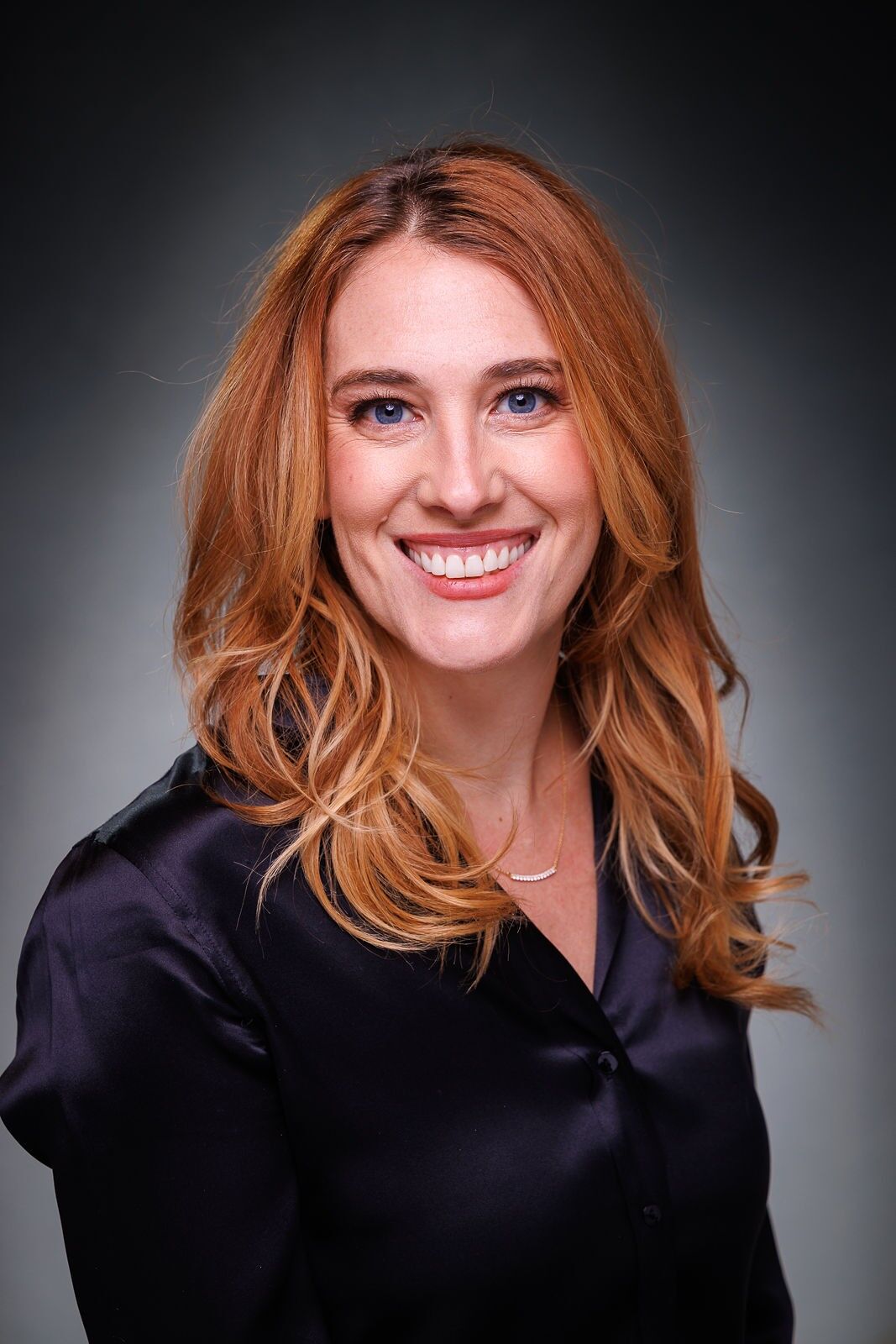
Dr. Kristen Youngdahl, PharmD, is chief operating officer of Colorado-based Belmar Pharma Solutions. Dr. Youngdahl has been a licensed compounding pharmacist in Colorado since 2015. As Belmar’s COO, she helps manage the 250 staff members working in Colorado.

Freight rail is Pueblo County’s competitive advantage | PODIUM
Colorado Politics
colorado-politics@coloradopolitics.com
Updated 5 hours ago
By Miles Lucero Pueblo County is helping drive Colorado’s next era of economic expansion. From clean energy to steel production to advanced manufacturing, our region is earning recognition for the kind of long-term industrial investment that creates durable, future-ready communities. Rail access is central to...

San Miguel County’s mining regs threaten Colorado’s uranium revival | OPINION
Colorado Politics
colorado-politics@coloradopolitics.com
Updated 4 hours ago
By Marjorie Haun In southwestern Colorado’s historic mining town of Telluride — now a haven for the uber-rich, the San Miguel County Commission recently approved mining regulations that will effectively halt new uranium exploration and mining in the county’s mineral...
Farmers know a bad investment when we see one — forced coal is one of them | OPINION
Colorado Politics
colorado-politics@coloradopolitics.com
Updated 5 hours ago
By Jan Kochis If you work in agriculture long enough, you learn to judge things by how they perform over time. Not by promises. Not by nostalgia. But by whether they keep working, keep costs predictable, and don’t create more...
Trump administration plans to hold back grant money from Colorado, 3 other states
Thelma Grimes
thelma.grimes@coloradopolitics.com
Updated 8 hours ago
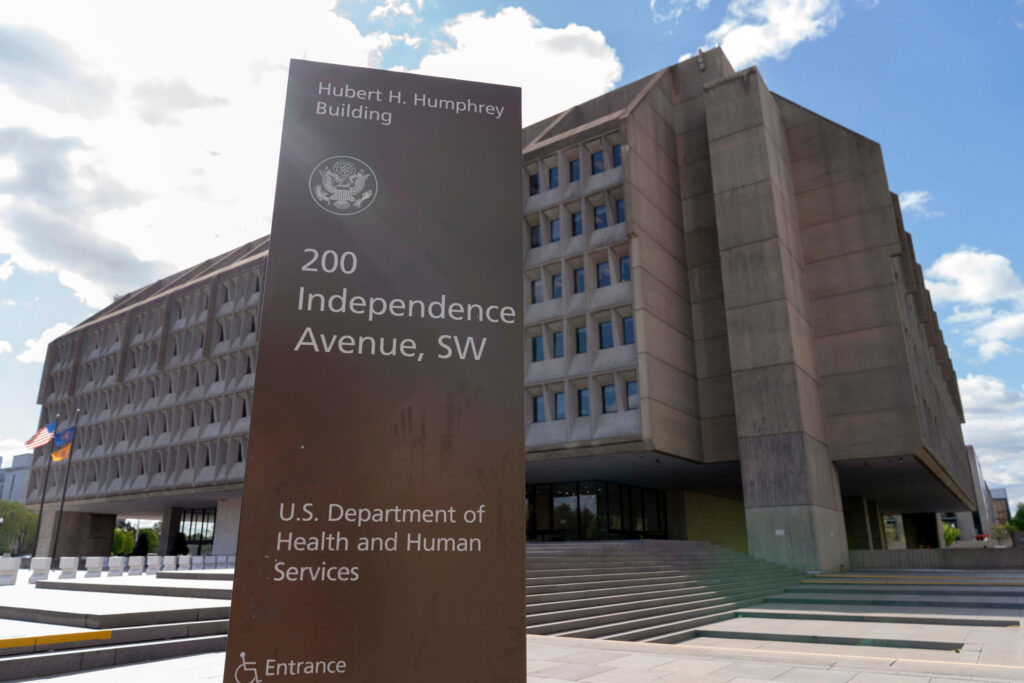
The Trump’s administration is planning to withhold some public health and transportation money from a group of Democratic-led states, including Colorado. The other states are California, Illinois and Minnesota. Full details have not been released, including whether the states could...
National Democrats add Republican Jeff Crank in Colorado’s 5th CD to list of targeted GOP-held seats
Ernest Luning
ernest.luning@coloradopolitics.com
Updated 9 hours ago
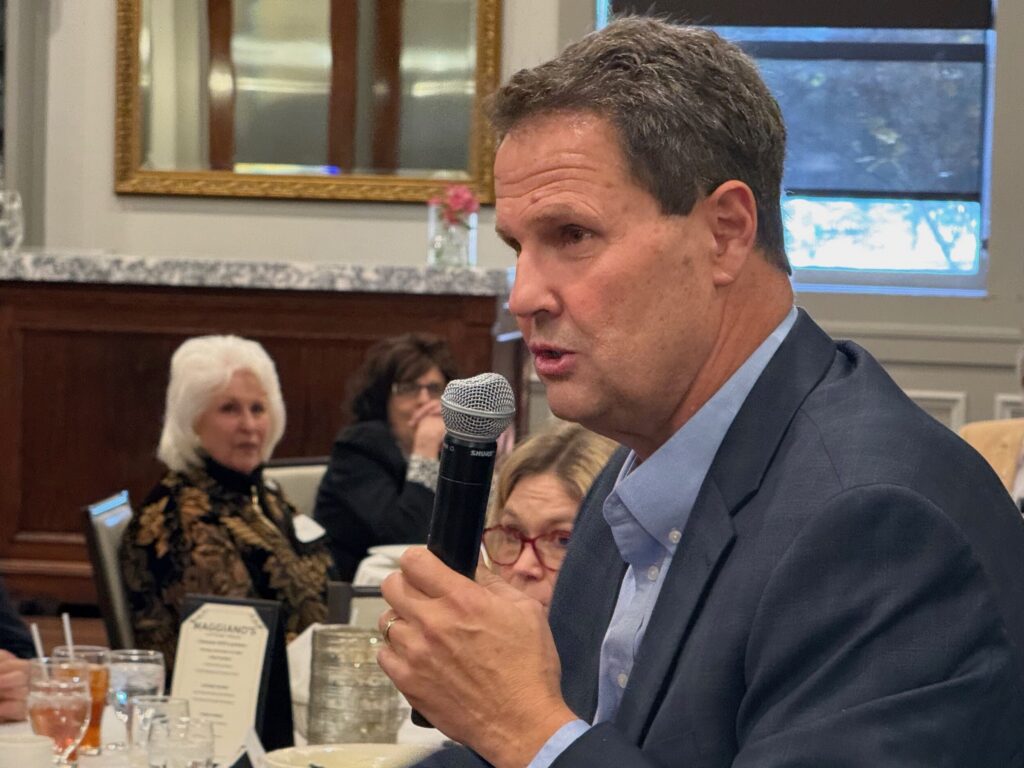
The House Democrats’ campaign arm on Tuesday added U.S. Rep. Jeff Crank in Colorado’s 5th Congressional District to its list of targeted seats held by Republicans as the party aims to flip control of the chamber in this year’s midterm...

Colorado Title Board rejects challenges to graduated income tax ballot measure
Marianne Goodland
marianne.goodland@coloradopolitics.com
Updated 8 hours ago
The state body that determines whether a ballot measure contains a single subject has rejected challenges to eight versions of the push to change Colorado’s flat rate to a graduated income tax, thereby increasing the taxes on higher income earners....

President Pro Tem Sen. Dafna Michaelson Jenet to resign from Colorado Senate
Marianne Goodland
marianne.goodland@coloradopolitics.com
Updated 8 hours ago
A top Democrat in the Colorado General Assembly is resigning to take a new job. President Pro Tem Sen. Dafna Michaelson Jenet of Commerce City, who has served in the General Assembly since 2017, will become the director of the...

JBS strike could trip up Greeley’s economic surge
Hap Fry, Special to The Gazette
hap-fry@gazette.com
Updated 9 hours ago
GREELEY – The upward trajectory of Greeley has been hard to match by other Colorado communities in the here and now. The city is on the verge of experiencing dramatic growth and change. Greeley is in the midst of developing a...
‘I am shocked — shocked — about the cost of insurance!’ | OPINION
Colorado Politics
colorado-politics@coloradopolitics.com
Updated 1 day ago
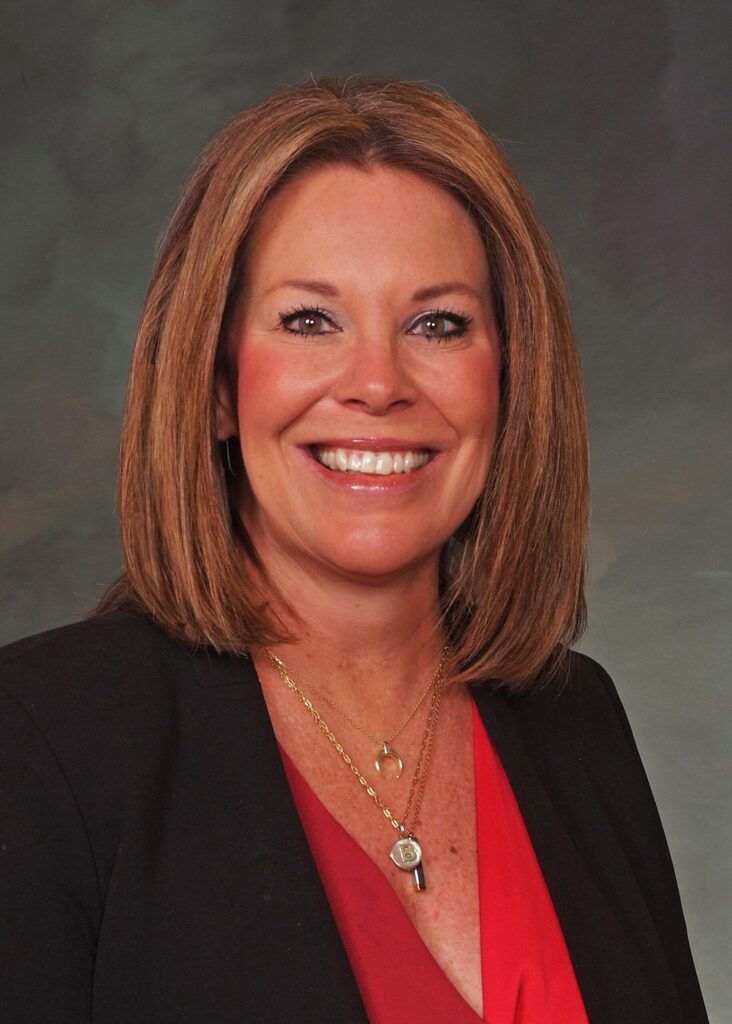
By Brandi Bradley In a famous scene from the classic movie “Casablanca”, the police captain defends the closure of Rick’s Café by remarking to Humphrey Bogart‘s character, “I’m shocked, shocked to find there’s gambling going on here.” Thereupon the Bogart...

Puppy-mill pipeline plagues Colorado consumers | OPINION
Colorado Politics
colorado-politics@coloradopolitics.com
Updated 1 day ago
By Roland Halpern We can shut down the puppy-mill pipeline plaguing Colorado consumers. According to Florida’s Attorney General, deceptive pet sales tied to commercial breeding operations cost Florida consumers more than $25 million annually in avoidable veterinary bills, medications and...
PREV
PREVIOUS

Puppy-mill pipeline plagues Colorado consumers | OPINION
By Roland Halpern We can shut down the puppy-mill pipeline plaguing Colorado consumers. According to Florida’s Attorney General, deceptive pet sales tied to commercial breeding operations cost Florida consumers more than $25 million annually in avoidable veterinary bills, medications and heartbreak. Colorado has no reason to believe we are immune from the same costly system […]
'I am shocked — shocked — about the cost of insurance!' | OPINION
By Brandi Bradley In a famous scene from the classic movie “Casablanca”, the police captain defends the closure of Rick’s Café by remarking to Humphrey Bogart‘s character, “I’m shocked, shocked to find there’s gambling going on here.” Thereupon the Bogart character hands the chief his gambling winnings, revealing both the hypocrisy of the captain and […]