

‘I am shocked — shocked — about the cost of insurance!’ | OPINION
By Brandi Bradley
In a famous scene from the classic movie “Casablanca”, the police captain defends the closure of Rick’s Café by remarking to Humphrey Bogart‘s character, “I’m shocked, shocked to find there’s gambling going on here.” Thereupon the Bogart character hands the chief his gambling winnings, revealing both the hypocrisy of the captain and the ludicrous pretext he used to close the café.
The concerns we have heard from Colorado Democrats (and will hear again in the upcoming legislative session) about increases in health care premiums in Colorado contain the same level of hypocrisy — the fact of the matter is during the past seven years, Colorado progressives have mandated dozens of new coverages along with onerous regulations, actions we Republicans warned at the time would hurt Colorado residents. The chickens are coming home to roost in the form of higher premiums, but many people don’t understand why. We’ll get to that.
Though there are debates in Washington, D.C. about the future of Medicaid, much of the concern about health care in Colorado is focused on health care premiums not funded by the government. The commissioner of insurance, for example, has warned premium price increases could reach over 28% in 2026.
That wouldn’t be surprising given the amount of inflation that ravaged the country under the leadership of Democrats and President Joe Biden from 2021 thru 2024 (about 20%). But there are additional and more fundamental reasons for the price increases coming our way in Colorado.
An abbreviated list of the mandates imposed since 2019 includes coverage for sex-change operations (HB25-1309; SB23-189), abortions (SB23-189; SB25-183), infertility treatments (HB20-1158; HB22-1008), mental health and substance abuse screenings and treatments (HB19-1269; SB20-007), and added fees or requirements to provide private health insurance for people in the country illegally (SB20-215; SB22-1289). Democrats have imposed these mandates on insurance companies, and it’s small wonder these companies have to raise prices in order to stay in business and realize a return on their investments.
But for many people, the insurance companies are the enemy, the money-grubbing enemy of the people. That’s why we must look at the data. According to latest figures from the Colorado Division of Insurance, Coloradans pay more than $5.7 billion in premiums per year for health insurance. That’s a lot of money, yet these same insurance companies pay out ~86% of premium income to health care providers, while 16.7% of their revenues go toward administrative costs. That doesn’t leave much margin for profit; in fact, most recently the average provision for profit and contingencies amounted to -2.8% — that’s right, insurance companies lost money.
To be sure, a lot of us who have insurance think premium costs might be too high. Having said that, insurance companies have created co-pays and annual deductibles to keep premium prices from being even higher. But were a government to ban the imposition of co-pays and annual deductibles, particularly for expensive medical procedures that companies would be forced to cover, insurance companies would have little choice but to increase premiums. That is precisely what has happened in Colorado.
Last year’s House Bill 1309 was passed on a party-line vote and signed into law by the governor. The bill is a sop to the transgender community in that it calls mind and body altering ‘treatments’ like hormonal therapy and a dozen plastic surgery procedures “medically necessary”, then demands insurance companies pay for them with no co-pays, annual deductibles, or lifetime maximums — and no questions asked even when the patient is a minor. Ultimately, Colorado residents and taxpayers are forced to underwrite a mental illness (as the former head of Psychiatry at Johns-Hopkins Hospital characterized it. Prescriptions for treatment, under the terms of the bill, come from a “physical or behavioral health care provider”. So, a behavioral health provider can prescribe this “treatment” to a minor? Yep.
Hormonal treatments are not wildly expensive, but plastic surgery is, often running to the tens of thousands of dollars for various procedures, and there’s no limit on how many procedures a patient can undergo — all without paying a cent. Of course, those disfigured by cancer treatments that require plastic surgery receive no such care — it only goes to men that claim to be women (and vice-versa) in Colorado.
The same no co-pay, no deductible approach is also applied to a wider variety of medical procedures — including abortion — under the terms of Senate Bill 189 (passed in 2023). Under the circumstances, is it any wonder health care premiums in Colorado are going up?
Adding insult to injury, Senate Bill 215 (passed into law in 2020) assesses a fee on insurance providers and hospitals; the income from these fees (amounting to hundreds of dollars per policy and hundreds of millions of dollars over the past three years is then used by the state government to purchase private health insurance for people in the country illegally. When businesses like insurance companies are forced to pay new fees, what is the likelihood they turn around and add their costs to the premiums the public pays?
The Colorado legislature is back in session; no doubt we’ll talk about health care prices. But though businesses and individuals are forced to fork over more money for health care coverage this year, Democrats won’t be shocked — after all, they planned it. As for you the customer, you shouldn’t just be shocked — you should be outraged. And now you know whom to blame.
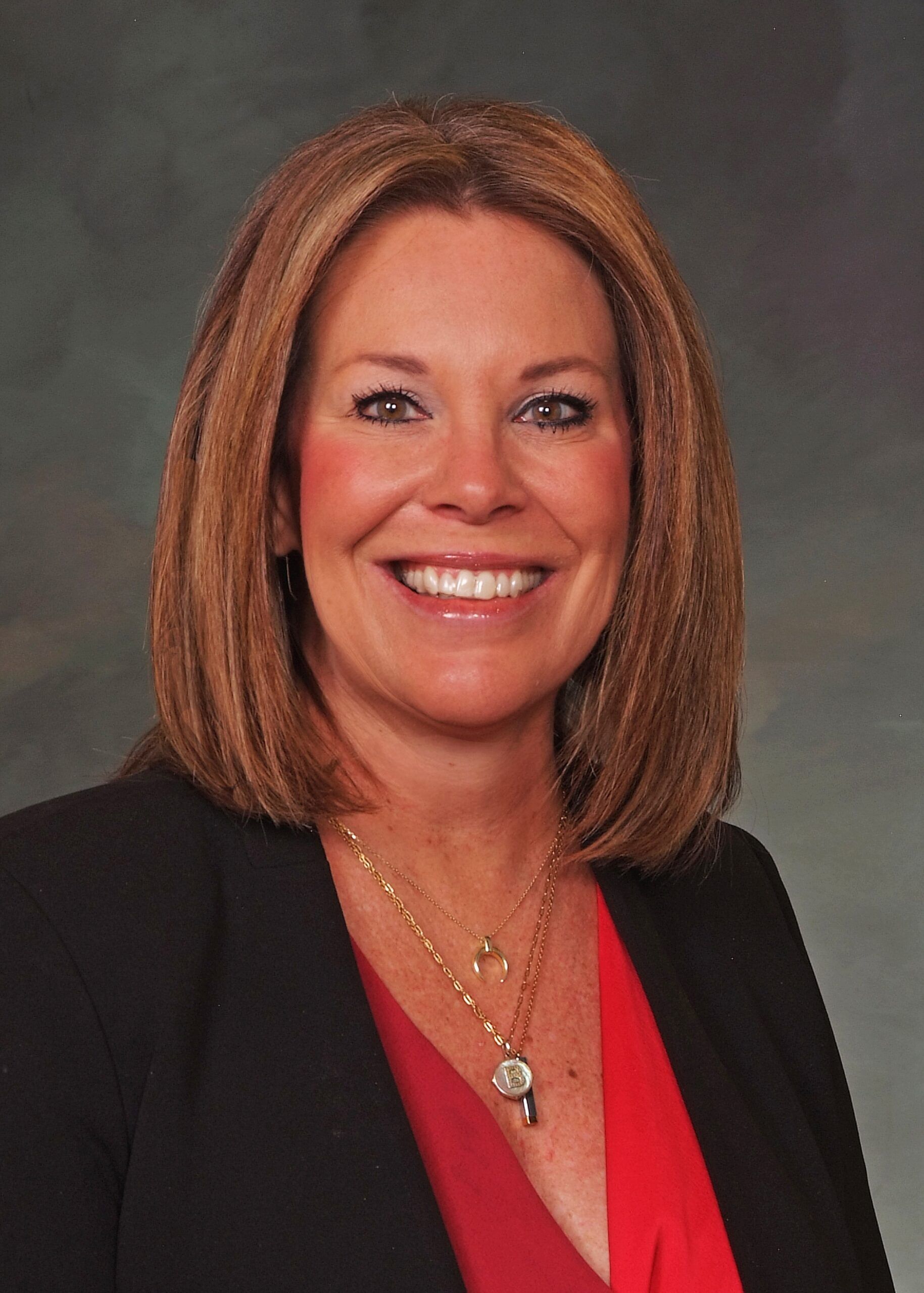
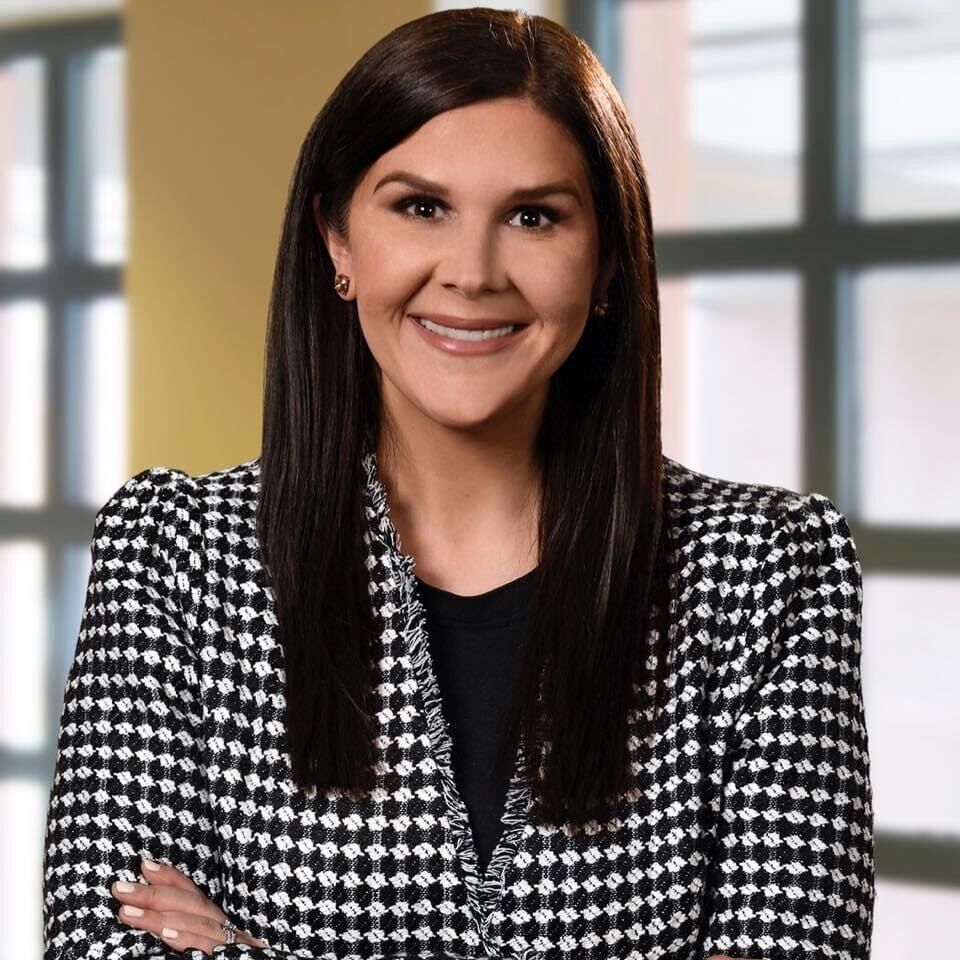
Brandi Bradley (R) represents House District 39. She lives in Lone Tree (Douglas County).


Killing off the Regional Transportation District | Miller Hudson
Miller Hudson
miller-hudson@coloradopolitics.com
Updated 2 hours ago
This column is appearing the same day state Sen. Matt Ball (D) of Denver and his legislative co-sponsors unveil legislation implementing many of the recommendations advanced by last summer’s Regional Transportation District Accountability Committee. Although it isn’t readily apparent, they...

Green energy shouldn’t come at expense of Colorado farmers, ranchers feeding us | Rachel Gabel
Rachel Gabel
rachel-gabel@coloradopolitics.com
Updated 2 hours ago
In 2023, the Department of Energy released the National Interest Electric Transmission Corridors (NIETC) study identifying areas they speculate would experience transmission capacity constraints of congestion. The map identified more than 2 million acres or 24% of the state of...

Bill in state legislature would put large apartment projects in single-family neighborhoods | Cronin & Loevy
Tom Cronin Bob Loevy
tom-cronin-bob-loevy@coloradopolitics.com
Updated 2 hours ago
There is an old joke that goes something like this: “When the state legislature is in session, no person and their property are safe.” That is not a joke in the older, more traditional neighborhoods that surround the downtown regions...

Colorado hates its disabled citizens | Jon Caldara
Jon Caldara
jon-caldara@coloradopolitics.com
Updated 3 days ago
This is a selfish column. The legislature is about to hurt my disabled son. My son, Chance, has Down syndrome and a few years ago would have been labeled “retarded.” Then “developmentally delayed.” Now the hypersensitive prefer “intellectually disabled.” Whatever...

Phil Weiser wins top spot in Colorado’s Democratic gubernatorial primary at party’s state assembly
Ernest Luning
ernest.luning@coloradopolitics.com
Updated 1 day ago
Attorney General Phil Weiser’s name will appear first on Colorado’s Democratic gubernatorial primary ballot after his overwhelming win Saturday at the party’s state assembly in Pueblo. Weiser joins U.S. Sen. Michael Bennet in the June 30 primary for the office...
Denver Democrat Diana DeGette trails challenger Melat Kiros at assembly as both qualify for primary
Ernest Luning
ernest.luning@coloradopolitics.com
Updated 2 days ago
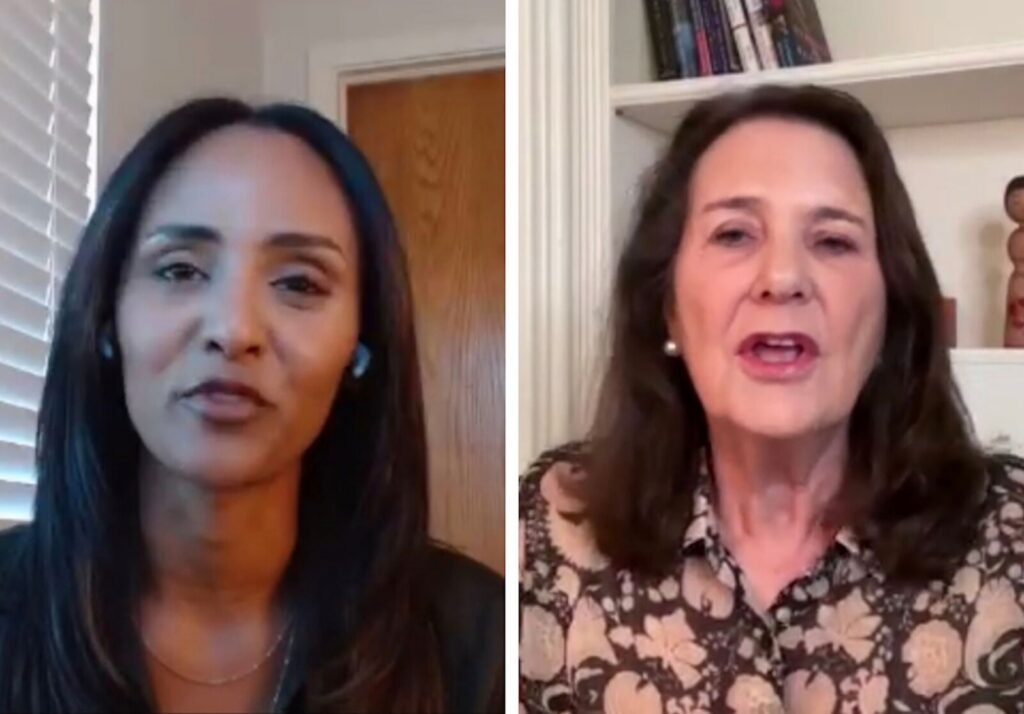
U.S. Rep Diana DeGette, a Denver Democrat, qualified for Colorado’s June primary by the skin of her teeth Friday at the party’s district assembly, where the 15-term incumbent received fewer than half as many delegate votes as her challenger, 28-year-old...

Federal judge upholds constitutionality of Colorado campaign contribution limits
Michael Karlik
michael.karlik@coloradopolitics.com
Updated 2 days ago
A federal judge upheld Colorado’s individual campaign contribution limits as constitutional on Thursday, finding that three Republican plaintiffs failed to prove the campaign finance framework violates their First Amendment rights. U.S. District Court Senior Judge John L. Kane recognized that...
Seligman, Bridges, Gonzales lead downballot races heading into Colorado Democrats’ state assembly
Ernest Luning
ernest.luning@coloradopolitics.com
Updated 2 days ago
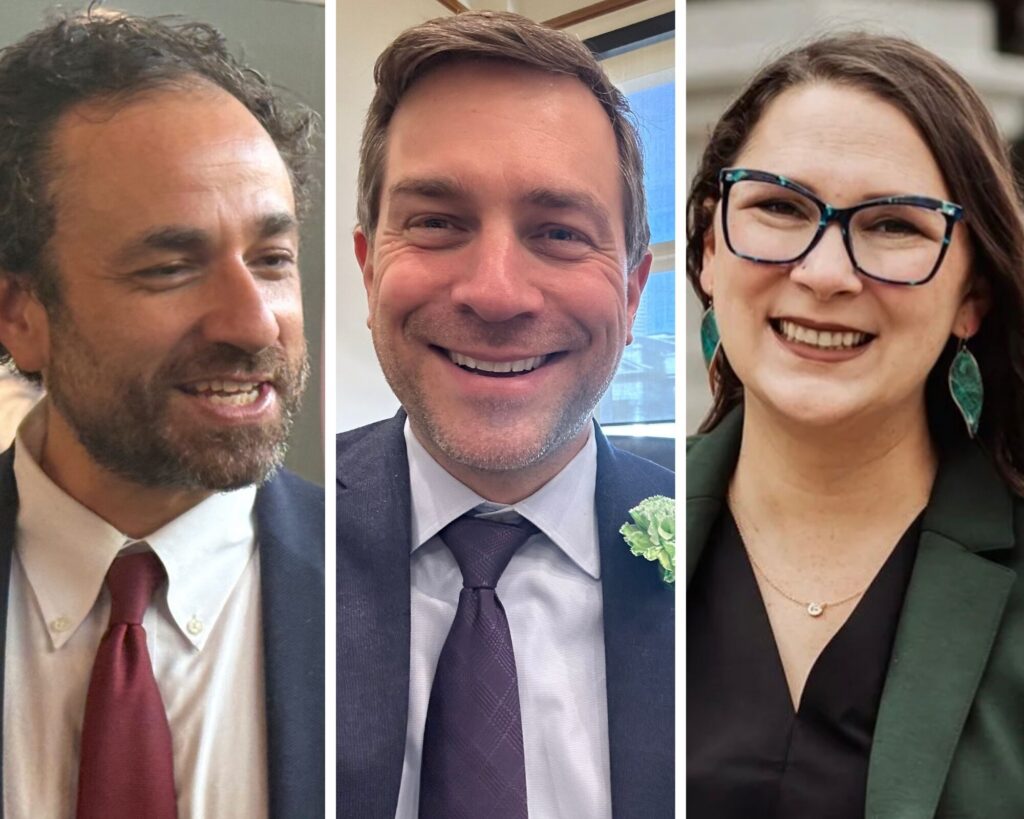
As Colorado Democrats prepare to designate candidates to the June primary ballot at the party’s state assembly in Pueblo on Saturday, three candidates appear poised to win top-line designation in downballot statewide races, according to data compiled by the state...
Planned Parenthood, groups launch campaign against transgender ballot measures in Colorado
Marissa Ventrelli
marissa.ventrelli@coloradopolitics.com
Updated 2 days ago
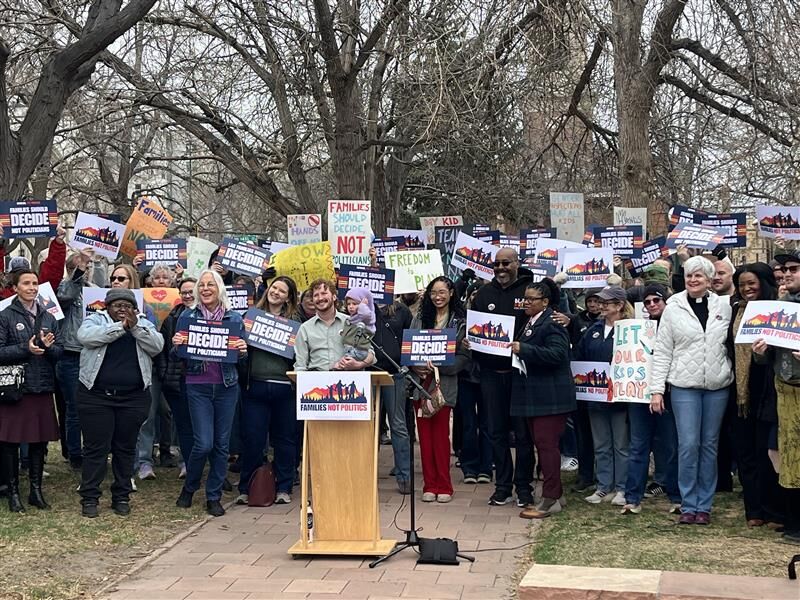
Planned Parenthood and other groups have launched a coalition to oppose two ballot measures that would ban transgender surgeries among children and require student athletes to only join sports teams that correspond to their biological sex. The two measures will...
From pause to progress — a better path on AI policy | OPINION
Colorado Politics
colorado-politics@coloradopolitics.com
Updated 3 days ago
By Brittany Morris Saunders and Loren Furman Last year, following the Special Legislative Session, we wrote in Colorado Politics that delaying Colorado’s AI Act was not a setback. It was an opportunity. We asked state leaders to pause, bring more...
PREV
PREVIOUS

Puppy-mill pipeline plagues Colorado consumers | OPINION
By Roland Halpern We can shut down the puppy-mill pipeline plaguing Colorado consumers. According to Florida’s Attorney General, deceptive pet sales tied to commercial breeding operations cost Florida consumers more than $25 million annually in avoidable veterinary bills, medications and heartbreak. Colorado has no reason to believe we are immune from the same costly system […]

JBS strike could trip up Greeley's economic surge
GREELEY – The upward trajectory of Greeley has been hard to match by other Colorado communities in the here and now. The city is on the verge of experiencing dramatic growth and change. Greeley is in the midst of developing a state-of-the-art $1.1 billion entertainment district dubbed Catalyst, which will feature an 8,600-seat, multi-use arena and […]