

Denver moves to codify quarterly financial updates to the City Council

The Denver City Council unanimously advanced a proposed ordinance on Tuesday that aims to codify quarterly general fund reporting to the council from the city’s Department of Finance.
The council currently does not receive regular budget updates, relying instead on “ad hoc” information from the administration rather than standardized data.
“What we are trying to solve with this ordinance is about transparency and good governance,” City Council President Amanda Sandoval said. “(The) council is responsible for approving the budget, and we should have regular, standardized insight into how it’s performing throughout the year. This (the ordinance) isn’t about mistrust. It’s about building a shared understanding of our financial health.”
The proposed measure, put forth by Sandoval and District 5 Councilmember Amanda Sawyer, would require the quarterly reports to be added to the City Council agenda and read into the public record.
“It requires quarterly reporting from agencies on all on-call contracts, use and spending, and ensures reports are clear, readable and accessible to both (the council) and the public,” Sandoval said. “And (it) allows (the) council to track trends over time and reduce surprises, and creates a structured way for (the) council to flag issues early.”
The proposed ordinance, according to Sandoval, aligns Denver with best practices used in other major metro areas such as Kansas City and Dallas.
“This is really just a good governance tool that we believe will give us trending,” Sandoval said. “We can see a trend over our general fund over time to understand how we are spending the money, since we’re the body that approves it.”
“I just think this is so needed,” District 9 Councilmember Darrell Watson told the committee. “It is an application, a change, within (the) ordinance that’s not exploding an entire process, but it’s targeting where we see the gaps.”
District 6 Councilmember Paul Kashmann said he is “amazed” it has taken so long for such a measure to come to the table.
“I think it’s important, and just increases our ability to be the shepherds that we’re supposed to be of public dollars,” Kashmann said, thanking Sandoval and Sawyer for the initiative. “I had, for quite some time, thought it would be great if the City Council had a member of the Department of Finance assigned to the council the way we have members of the city attorney’s office. This is not that, but it’s a long way in that direction.”
Denver’s recent struggles with a $250 million budget deficit and layoffs have placed the city’s finances in an additional spotlight, with more focus on the process and transparency.
The proposed ordinance is expected to come before the full council on Feb. 23 for a first reading, and March 2 for a second reading and final vote.
This isn’t the first proposed change to the city’s budget and finance workflow.
Members of the council’s Budget and Policy Committee proposed that the city consider moving to a two-year budget cycle, with the option to revert to a one-year cycle during “economic uncertainty.”
The proposed measure, according to sponsors, would simplify the budget process timeline, increase transparency and financial reporting, free up financial staff, and require community feedback.
Adopting a biennial budget process would mean that the city would plan, present and approve a 24-month budget, rather than a 12-month budget, but would still be able to make necessary adjustments to the second year as needed.

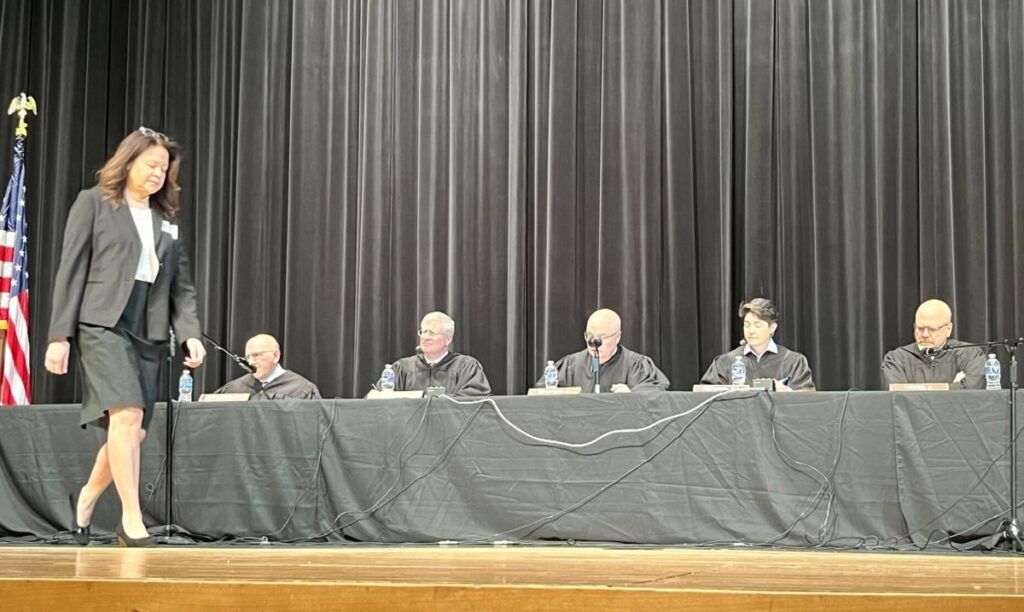
Colorado justices accept appeals on Netflix taxation, children pursuing neglect cases
Michael Karlik
michael.karlik@coloradopolitics.com
Updated 4 hours ago
The Colorado Supreme Court announced on Monday that it will decide whether Netflix subscriptions are subject to the state’s sales tax as “tangible personal property.” At least three of the court’s seven members must agree to hear an appeal. The...

Proposal outlines $300M deal separating Pinnacol from Colorado state government
Marianne Goodland
marianne.goodland@coloradopolitics.com
Updated 5 hours ago
Colorado lawmakers are weighing a proposal that would allow Pinnacol Assurance to sever its remaining ties to the state in exchange for a $300 million payment, a long‑debated shift that supporters say could stabilize the insurer’s future and help plug...
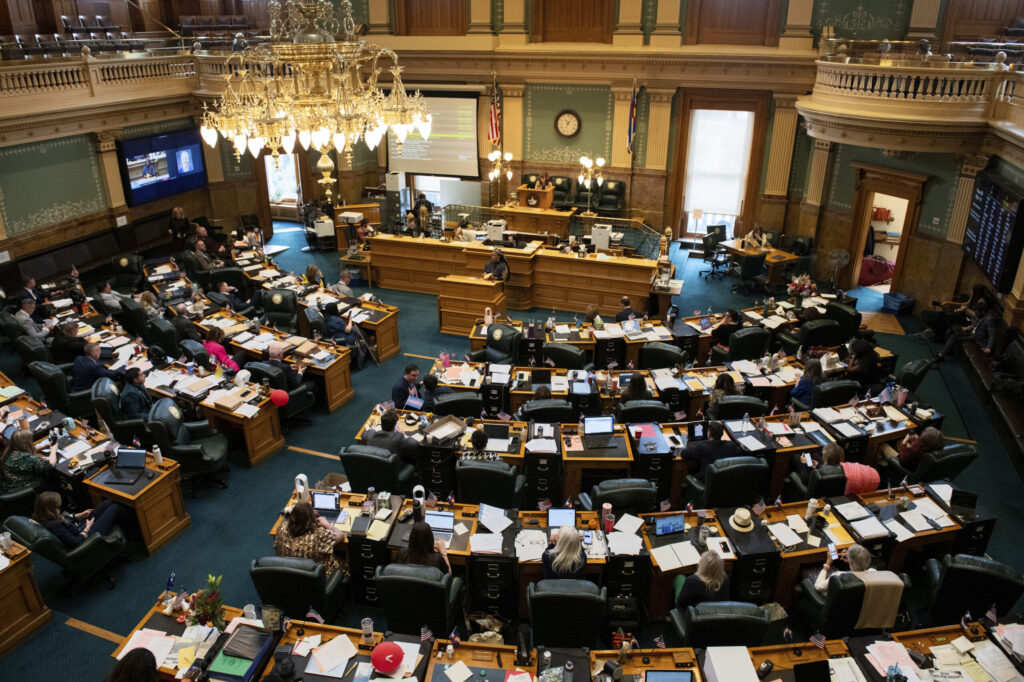
Bill requiring employers to grant unpaid leave to Colorado lawmakers heads to governor’s desk
Marissa Ventrelli
marissa.ventrelli@coloradopolitics.com
Updated 4 hours ago
Colorado lawmakers are one step away from securing guaranteed unpaid leave from their day jobs during the legislative session after the House narrowly approved the proposal Thursday. Senate Bill 087 would require businesses to allow employees who are members of...
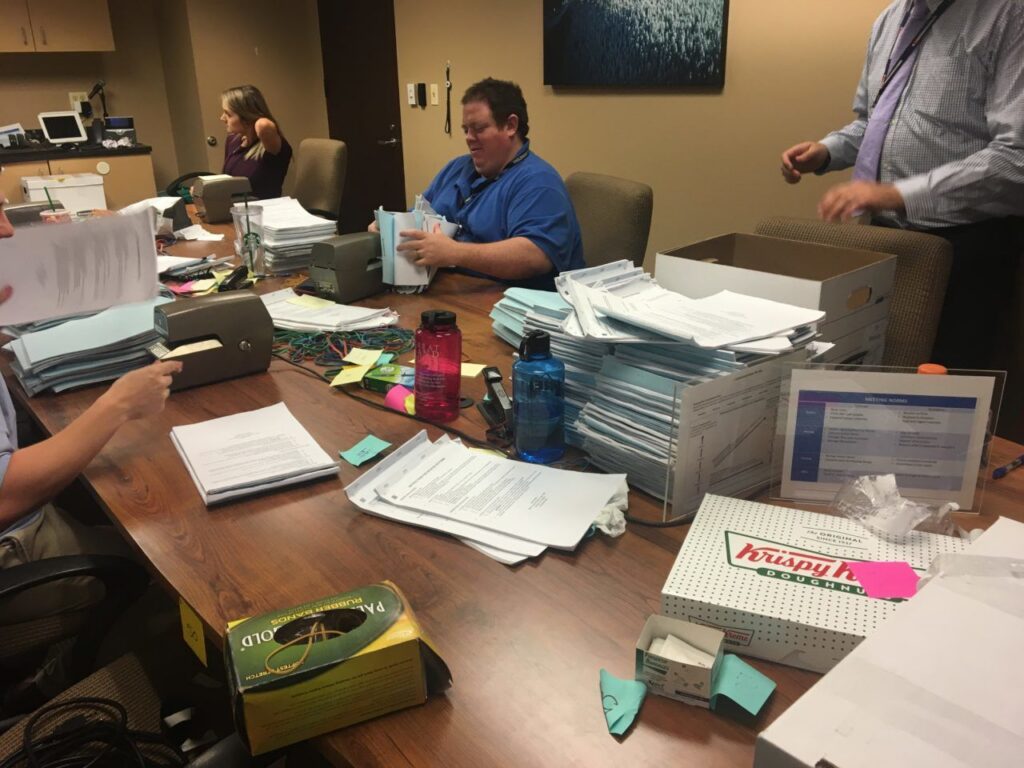
Redistricting fight escalates as Colorado Title Board clears competing ballot proposals
Marianne Goodland
marianne.goodland@coloradopolitics.com
Updated 4 hours ago
Colorado’s title board on Wednesday gave final approval to multiple ballot measures related to congressional redistricting, setting up a series of proposals that could alter how the state draws its U.S. House districts for the 2028 and 2030 elections. The...

Trump downplays major reform bill and says housing is ‘all about interest rates’
Zach Halaschak, Washington Examiner
zach.halaschak.washington.examiner@gazetteedit.wpenginepowered.com
Updated 7 hours ago
President Donald Trump downplayed the bipartisan housing legislation that many congressional allies hope will ease the affordability worries plaguing voters, saying instead in an exclusive Washington Examiner interview that housing is “all about interest rates.” Trump said on a phone call Thursday morning...

Colorado lawmakers propose deep cuts to close $1.2B budget gap
Marianne Goodland
marianne.goodland@coloradopolitics.com
Updated 3 hours ago
The panel of Colorado legislators in charge of crafting next year’s budget has finalized the 2026–27 spending plan built on deep cuts and one‑time cash transfers in an attempt to close a shortfall of more than $1.2 billion. The plan...

Denver judge denies Gov. Polis request to dismiss ICE-related records case
Marianne Goodland
marianne.goodland@coloradopolitics.com
Updated 7 hours ago
A year after blocking the release of state records to federal immigration agents, a Denver judge has now denied Gov. Jared Polis’ effort to end the lawsuit at the center of the dispute. The lawsuit filed against the governor in...

10th Circuit grants rare all-judges’ review of Colorado banking regulation
Michael Karlik
michael.karlik@coloradopolitics.com
Updated 9 hours ago
The Denver-based federal appeals court announced on Thursday that it will hold a rare all-judges review of a recent decision that permits Colorado to require out-of-state banks to abide by the state’s maximum interest rates when they lend to in-state...

Trump says Pam Bondi, a loyalist who oversaw Justice Department upheaval, is out as attorney general
Eric Tucker
eric.tucker@associatedpress.com
Updated 10 hours ago
WASHINGTON (AP) — President Donald Trump said Thursday that Pam Bondi is out as his attorney general, ending the contentious tenure of a loyalist who upended the Justice Department’s culture of independence from the White House, oversaw large-scale firings of...
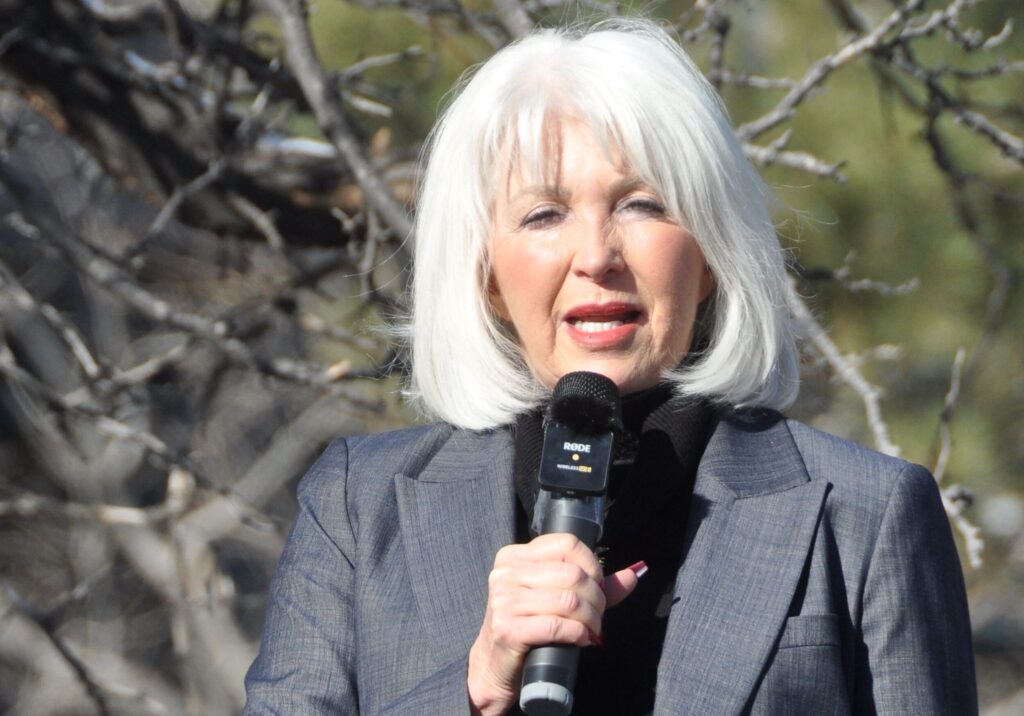
Colorado appeals court orders new sentencing for Tina Peters, upholds convictions
Michael Karlik
michael.karlik@coloradopolitics.com
Updated 3 hours ago
Colorado’s second-highest court determined on Thursday that a trial judge improperly sentenced former Mesa County clerk Tina Peters based upon her exercise of protected speech, while at the same time upholding her convictions. The three-judge Court of Appeals panel also...