

Q&A with Taxpayers Protection Alliance’s Ross Marchand

The Taxpayers Protection Alliance describes itself as a nonpartisan group “dedicated to educating the public through the research, analysis and dissemination of information on the government’s effects on the economy.”
Colorado Politics spoke with TPA’s senior fellow and attorney, Ross Marchand, about the organization’s work investigating Colorado’s Medicaid spending increase.
CP: Can you tell me a little bit about your organization?
Ross Marchand: Taxpayers Protection Alliance is a nonpartisan, nonprofit taxpayer and customer watchdog group dedicated to keeping the government honest and holding them accountable for wasteful policies. We spend a lot of time focusing on Medicaid because of the sheer size and complexity of the program, and we noticed that in Colorado, as is the case with many other states, spending on the program is large and growing even, (even) as enrollment is declining. And that is something we very much want to get to the bottom of.
CP: How are you working to get to the bottom of it?
Marchand: TPA’s 501(c)(3)-affiliated organization, the Taxpayers Protection Alliance Foundation, is sending information requests tomorrow to the Colorado state government to get greater insight as to why spending is ballooning, even as enrollment is going down. It seems that there are some big cost drivers that have to do with the remaining populations covered by Medicaid, and there is also some fraud in the mix. It was reported recently that there was a Medicaid fraud scheme targeting a free transportation program that is supposed to shuttle patients to medical appointments, and this fraud scheme costs taxpayers an estimated $25 million. You can’t make this up — people would pack their cars with patients and drive them hundreds of miles just to maximize taxpayer payouts.
CP: Do you know of any other examples or specific areas where fraud has taken place within the Department of Health Care Policy and Financing or other state agencies?
Marchand: One big focus of TPAF’s information request efforts is to gain greater insight as to why these spending figures are so high and why they’re increasing and why they’re such a big part of the state’s budget problem.
CP: HCPF’s budget has grown significantly in the past several years, correct?
Marchand: Their budget has increased by 83% since 2018, and the full-time staff has increased by 81%, even as Medicaid enrollment has declined. There are a variety of factors, some more apparent than others, but it is very important to understand all of these factors, ranging from increases in long-term care support services to general medical cost inflation to waste, fraud and abuse, and everything in between.
CP: Colorado’s 65-plus population is also growing at a rapid pace. Do you think that has anything to do with the increase in Medicaid spending?
Marchand: Yes, the 65-plus population is projected to grow by 48% by 2050, so that is definitely a big factor, but there are also implications from how the state determines eligibility for long-term care. When the state is trying to determine if you’re eligible for long-term care, they’ll examine your income and assets, and that’s the same in every state. But Colorado tends to be very lax in the process, and they exempt home values up to around $1.1 million, while the vast majority of states set that limit around $750,000. I believe 11 states have this $1.1 million limit that Colorado has, and California has no limit, but all of the other states set it around $750,000. So, Colorado is very much an outlier, even if it’s not quite as radical as California.
CP: What policy changes do you think the state should implement to resolve this issue?
Marchand: We have two suggested reforms right off the bat. One is regular monitoring and auditing for fraud and improper payments, and No. 2 is tightening long-term care service eligibility to ensure that millionaires are not on Medicaid.
CP: Is there a required schedule for audits, or are they currently only conducted as needed?
Marchand: It appears to be as needed, but they should be on a regular basis. If there is an annual reporting for Medicare and Medicaid at the federal level, it should absolutely be the case at the state level, as well. It makes the most sense for it to be passed legislatively so all of the parameters can be defined and all of the expectations for the agency could be clear.
CP: Has TPA been in talks with any state lawmakers in Colorado about legislation related to this issue?
Marchand: This is something where we are developing relationships with lawmakers to call attention to these issues, and we are very much watching out for the release of reform proposals and also ensuring that Colorado continues to look out for its taxpayers and is honest about the full extent of program costs.


Unsustainable: How Colorado’s Medicaid spending exploded
Nico Brambila
nico.brambila@denvergazette.com
Updated 12 hours ago
The state’s Medicaid program — which covers about one in four Coloradans — is poised for its largest single-year jump in at least two decades, with officials proposing a $2.3 billion increase, even as lawmakers face a $1.5 billion budget...

Phil Weiser wins top spot in Colorado’s Democratic gubernatorial primary at party’s state assembly
Ernest Luning
ernest.luning@coloradopolitics.com
Updated 2 days ago
Attorney General Phil Weiser’s name will appear first on Colorado’s Democratic gubernatorial primary ballot after his overwhelming win Saturday at the party’s state assembly in Pueblo. Weiser joins U.S. Sen. Michael Bennet in the June 30 primary for the office...

‘No Kings’ protest draws tens of thousands to Colorado state Capitol
Matt Kyle
matt.kyle@denvergazette.com
Updated 2 days ago
The third round of the national No Kings Day protests hit Denver Saturday, when tens of thousands gathered near the Colorado state Capitol to criticize the Trump administration. Organizers addressing the crowd estimated there were 30,000 present for the Saturday...

Denver Democrat Diana DeGette trails challenger Melat Kiros at assembly as both qualify for primary
Ernest Luning
ernest.luning@coloradopolitics.com
Updated 2 days ago
U.S. Rep Diana DeGette, a Denver Democrat, qualified for Colorado’s June primary by the skin of her teeth Friday at the party’s district assembly, where the 15-term incumbent received fewer than half as many delegate votes as her challenger, 28-year-old...

Colorado ski resorts announce early closures amid historic snowpack lows, high temperatures
Kyla Pearce
kyla.pearce@gazette.com
Updated 3 days ago
As Colorado’s historically low snowpack year comes to a close and spring conditions take over the mountains, the state’s major ski resorts are announcing closing dates — some of which are weeks before historic closing dates. Most of Colorado’s ski...

Boulder police investigate sexual assault, ‘drugging’ at bar near CU
Matt Kyle
matt.kyle@denvergazette.com
Updated 3 days ago
The Boulder Police Department is investigating reports of sexual assault and “suspected drugging” involving underage girls at a bar. There may be additional victims who have not yet come forward, the department said in a news release. The bar, Scrooge...

Democratic US Sen. John Hickenlooper qualifies for Colorado primary by petition, will skip assembly
Ernest Luning
ernest.luning@coloradopolitics.com
Updated 3 days ago
U.S. Sen. John Hickenlooper has qualified for Colorado’s Democratic primary after the first-term incumbent submitted enough valid petition signatures to make the ballot, state officials said. Hickenlooper is facing primary challenges from state Sen. Julie Gonzales, D-Denver, and university professor...
‘Civility in the City’ event with two national experts to be held Monday at UCCS
DEBBIE KELLEY
debbie-kelley@coloradopolitics.com
Updated 3 days ago
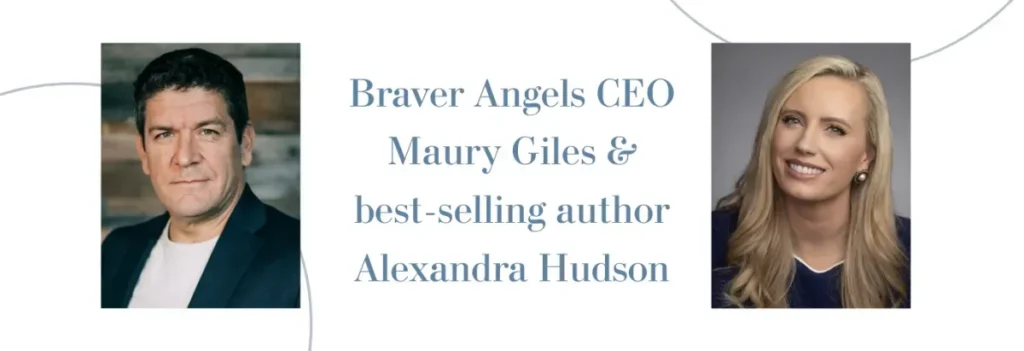
Two notables working on the front lines of civic and cultural repair will discuss “Civility in the City” on Monday at the University of Colorado’s Colorado Springs campus. The event will feature Maury Giles, CEO of Braver Angels, and Alexandra...

Pinnacol separation bill delayed as Colorado budget remains in flux due to $1.5B deficit
Marianne Goodland
marianne.goodland@coloradopolitics.com
Updated 3 days ago
A bill that would allow Pinnacol Assurance to formally sever its remaining ties with the state appears unlikely to emerge anytime soon, as House leaders juggle a massive budget shortfall, unresolved negotiations with key stakeholders, and growing doubts about whether...

U.S. Sen. Michael Bennet qualifies by petition for Colorado’s Democratic gubernatorial primary
Ernest Luning
ernest.luning@coloradopolitics.com
Updated 4 days ago
U.S. Sen. Michael Bennet on Tuesday became the first gubernatorial candidate to qualify for Colorado’s June primary ballot after state election officials determined the three-term Democrat’s campaign submitted enough valid petition signatures. Bennet is running against Attorney General Phil Weiser...
PREV
PREVIOUS

Lisa Calderón launches bid for Denver mayor
The 2027 race for Denver mayor is officially underway as longtime progressive candidate Lisa Calderón on Tuesday announced her bid for the city’s top executive seat. This is her third time running for mayor. Calderón ran against Mayor Mike Johnston in the 2023 Denver municipal election but finished third, receiving 18.21% of the vote — two […]

Colorado Supreme Court to review child custody decision
The Colorado Supreme Court announced on Monday that it will review whether the state’s second-highest court described the correct framework for deciding whether to terminate a parent’s legal rights over a child. At least three of the court’s seven members must agree to hear a case on appeal. Currently, there is one vacancy that will […]