

Colorado Supreme Court to review child custody decision
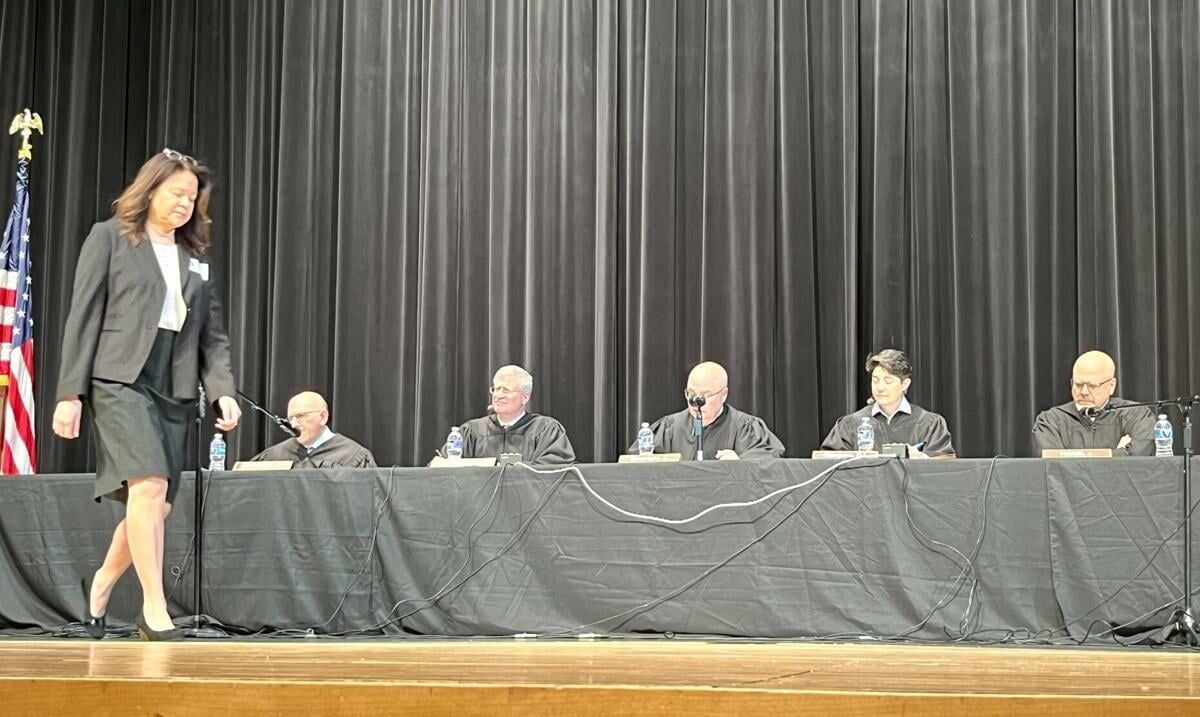
The Colorado Supreme Court announced on Monday that it will review whether the state’s second-highest court described the correct framework for deciding whether to terminate a parent’s legal rights over a child.
At least three of the court’s seven members must agree to hear a case on appeal. Currently, there is one vacancy that will be filled later this month.
The justices also signaled they may intervene in an ongoing murder prosecution in La Plata County in a case that questions whether trial judges have the discretion to keep defendants in juvenile detention if they turn 18 while awaiting trial.
AVAILABILITY OF CUSTODY
Mesa County sought to terminate the parental rights of a mother, identified as A.S. At the time, her child resided with the maternal grandparents, and the child’s grandmother was reluctant to accept permanent custody because dealing with A.S. was “difficult.”
The county argued that terminating A.S.’s rights was proper because custody was not currently available as a less-drastic alternative. However, a trial judge denied the motion to terminate, finding a custody arrangement was a less drastic alternative to severing A.S.’s parental rights.
Mesa County and the child’s legal representative appealed, arguing the absence of a willing custodian at that moment should have led to termination, rather than an open-ended custody question.
A three-judge Court of Appeals panel concluded that there does not need to be a specific custodian identified for a judge to find that giving custody to a non-parent is a superior option to outright termination.
“Indeed, when a court concludes that termination is in a child’s best interests because that child’s needs are best met by the permanency that only termination and adoption can provide,” wrote Judge Sueanna P. Johnson, “the child does not need to be in a potentially adoptive home, nor do we require that a specific adoptive placement be identified or known to the court at the time of termination.”
The Supreme Court will examine whether the appellate panel’s understanding of the case law was correct.
The case is People in the Interest of H.L.B.
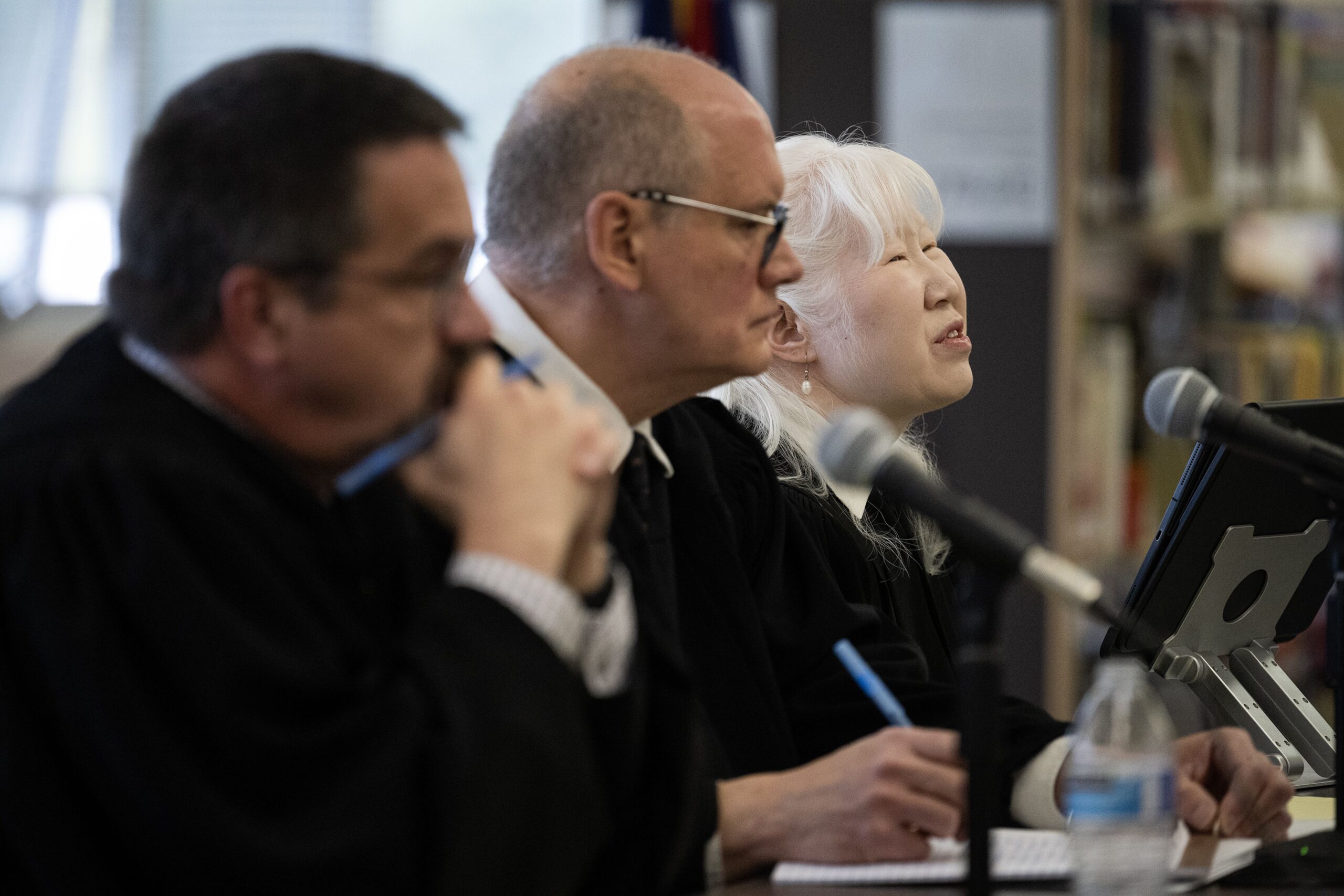
JUVENILE IN CUSTODY
Prosecutors have accused Issac James Lawrence of killing a younger boy and attempting to kill his mother in 2024. Lawrence is being tried as an adult but was initially held in the Division of Youth Services while he awaited trial.
When he turned 18, authorities transferred Lawrence to jail. The defense objected, arguing trial judges have the discretion to keep defendants like Lawrence in pretrial youth custody.
At a November hearing, Chief Judge Kim S. Shropshire acknowledged she previously declined to transfer a juvenile defendant, who was serving a sentence, to the county jail once they turned 18. However, she believed she was obligated to allow Lawrence’s transfer, absent “a different opinion from a higher court.”
The public defender’s office turned to the Supreme Court, arguing there is no automatic transfer for a juvenile defendant who is “developmentally close to childhood and is already embedded in (Division of Youth Services) programming.” The office also pointed to Shropshire’s differential treatment of Lawrence, who was in custody pretrial, and the other juvenile defendant, who was serving a sentence.
“The youth with a more recent (criminal) history that resulted in a commitment sentence remains in DYS; a youth with no such history is pulled out and put in an adult jail, with every risk and harm that comes therewith. Timing becomes destiny,” wrote Lawrence’s attorneys.
They asked that, if the Supreme Court finds state law to require a transfer for defendants like Lawrence, the justices declare the law unconstitutional.
The Supreme Court has ordered a response to Lawrence’s petition.
The case is People v. Lawrence.

Federal judge upholds constitutionality of Colorado campaign contribution limits
Michael Karlik
michael.karlik@coloradopolitics.com
Updated 1 day ago
A federal judge upheld Colorado’s individual campaign contribution limits as constitutional on Thursday, finding that three Republican plaintiffs failed to prove the campaign finance framework violates their First Amendment rights. U.S. District Court Senior Judge John L. Kane recognized that...

Appeals court rejects theory that existing tax revenue undermines need for new fees
Michael Karlik
michael.karlik@coloradopolitics.com
Updated 2 days ago
Colorado’s second-highest court rejected a plaintiff’s claim on Thursday that the tax revenue generated by an existing activity should prevent local governments from imposing new fees aimed at regulating the activity. The question stemmed from Colorado’s unique constraints on taxation...
Appeals court finds no illegal sentence when defendants forfeit time-served credit
Michael Karlik
michael.karlik@coloradopolitics.com
Updated 13 hours ago
Colorado’s second-highest court ruled on Thursday that criminal defendants may agree to relinquish the credits they earned while incarcerated pending trial, despite a state law guaranteeing that such time “shall be deducted” from a person’s sentence. Kerry Ellis Endsley pleaded...
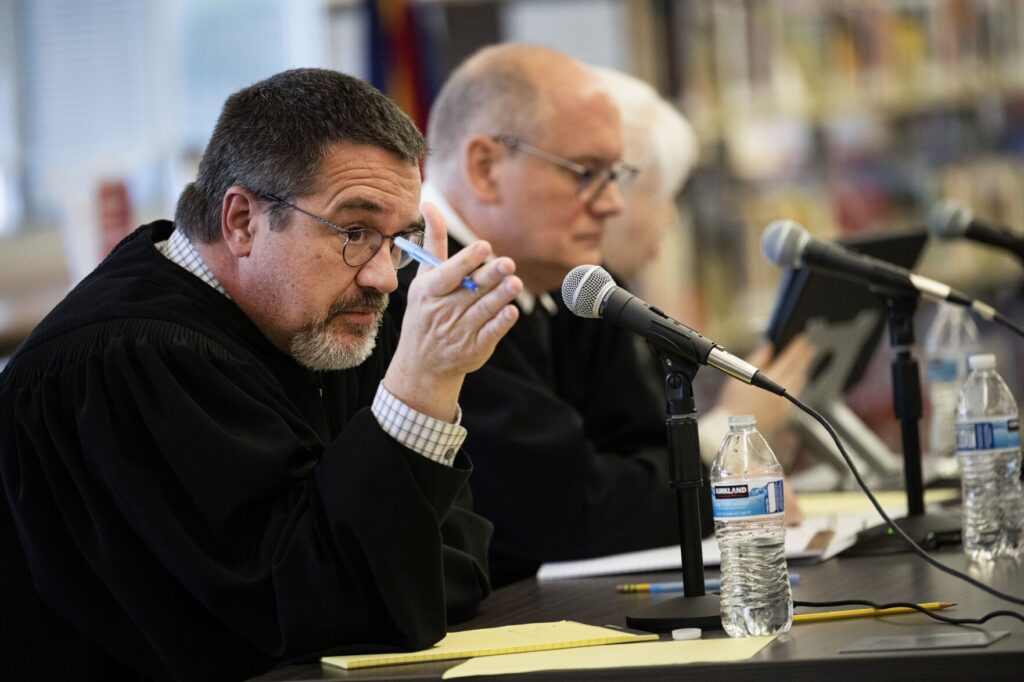
Appeals court reinstates Garfield County arson charge
Michael Karlik
michael.karlik@coloradopolitics.com
Updated 3 days ago
Colorado’s second-highest court reinstated a Garfield County defendant’s arson charge on Thursday, concluding a trial judge improperly credited a witness’s claim that she alone was responsible for starting the fire. A sheriff’s deputy responded to a brush fire near Parachute...
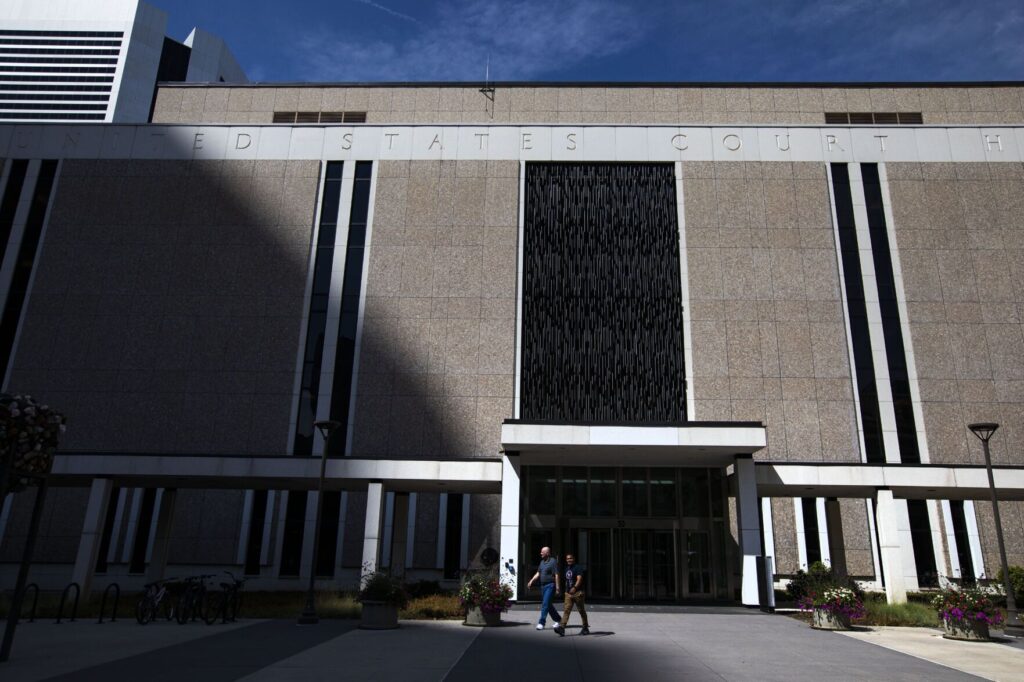
Federal judges rebuke ex-Colorado judicial discipline director for conduct in lawsuit
Michael Karlik
michael.karlik@coloradopolitics.com
Updated 3 days ago
A pair of federal judges expressed a desire on Thursday to break the logjam on a lawsuit by Colorado’s former judicial discipline director against the state Supreme Court and related entities, while simultaneously showing little tolerance for the plaintiff’s scorched-earth...

Democratic bill would let recipients of ‘conversion therapy’ sue Colorado providers with no statute of limitations
Marissa Ventrelli
marissa.ventrelli@coloradopolitics.com
Updated 3 days ago
Colorado lawmakers have advanced a proposal that would allow people who underwent conversion therapy to sue licensed providers for damages, moving the measure forward on a party-line vote in the House Judiciary Committee. House Bill 1322, proposed by Democratic Reps....
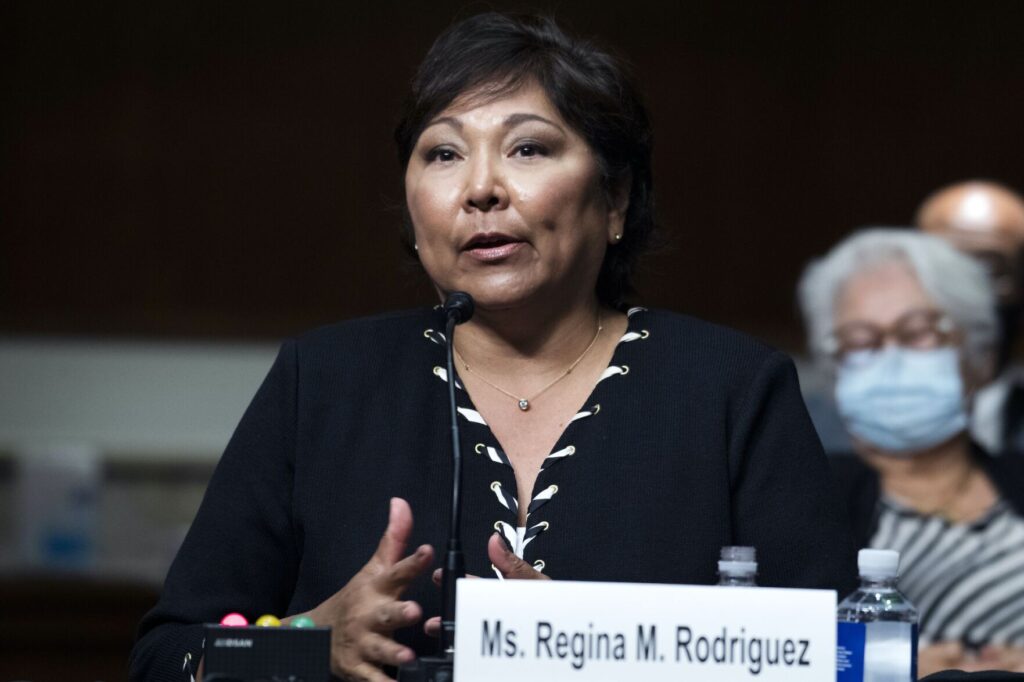
Federal judge refuses to authorize immediate appeal in World Cup trafficking lawsuit
Michael Karlik
michael.karlik@coloradopolitics.com
Updated 4 days ago
A federal judge declined to authorize an immediate appeal last week of a prior decision allowing companies operating out of Colorado to be sued for allegedly participating in a human trafficking venture involving Filipino laborers who constructed facilities for the...
Federal judge considers second round of sanctions against ex-Colorado judicial discipline director
Michael Karlik
michael.karlik@coloradopolitics.com
Updated 4 days ago
A federal judge ordered Colorado’s former judicial discipline director on Tuesday to explain why she should not sanction him a second time for filing documents for improper purposes, such as harassment or delay. U.S. District Court Senior Judge Kathryn H....

Colorado justices agree to review insurance question that has divided federal judges
Michael Karlik
michael.karlik@coloradopolitics.com
Updated 4 days ago
The Colorado Supreme Court granted a federal judge’s request on Friday to address an issue that has produced conflicting answers in policyholders’ lawsuits against insurance companies over unpaid benefits. “Parties (and judges) regularly spend undue time and money fighting in...

Federal judge dismisses background screeners’ challenge to Colorado law
Michael Karlik
michael.karlik@coloradopolitics.com
Updated 18 hours ago
A federal judge dismissed a challenge on Friday to a portion of Colorado law that prohibits certain information from being included in consumer reports, in what seemed to be a conflict with federal law. Congress originally enacted the Fair Credit...
PREV
PREVIOUS

Q&A with Taxpayers Protection Alliance's Ross Marchand
The Taxpayers Protection Alliance describes itself as a nonpartisan group “dedicated to educating the public through the research, analysis and dissemination of information on the government’s effects on the economy.” Colorado Politics spoke with TPA’s senior fellow and attorney, Ross Marchand, about the organization’s work investigating Colorado’s Medicaid spending increase. CP: Can you tell me […]

Immigration resolution ignites hours of debate in Colorado House
A joint resolution affirming lawmakers’ “commitment to Coloradans navigating the complex United States immigration system” sparked more than three hours of debate on the House Floor on Tuesday morning, reflecting the tension rising between Colorado and the Trump administration, which has traded barbs and lawsuits, underpinned by the former’s campaign to crackdown on illegal immigration […]