

Tax bill shock: Colorado homeowners could see property taxes jump by as much as 40%
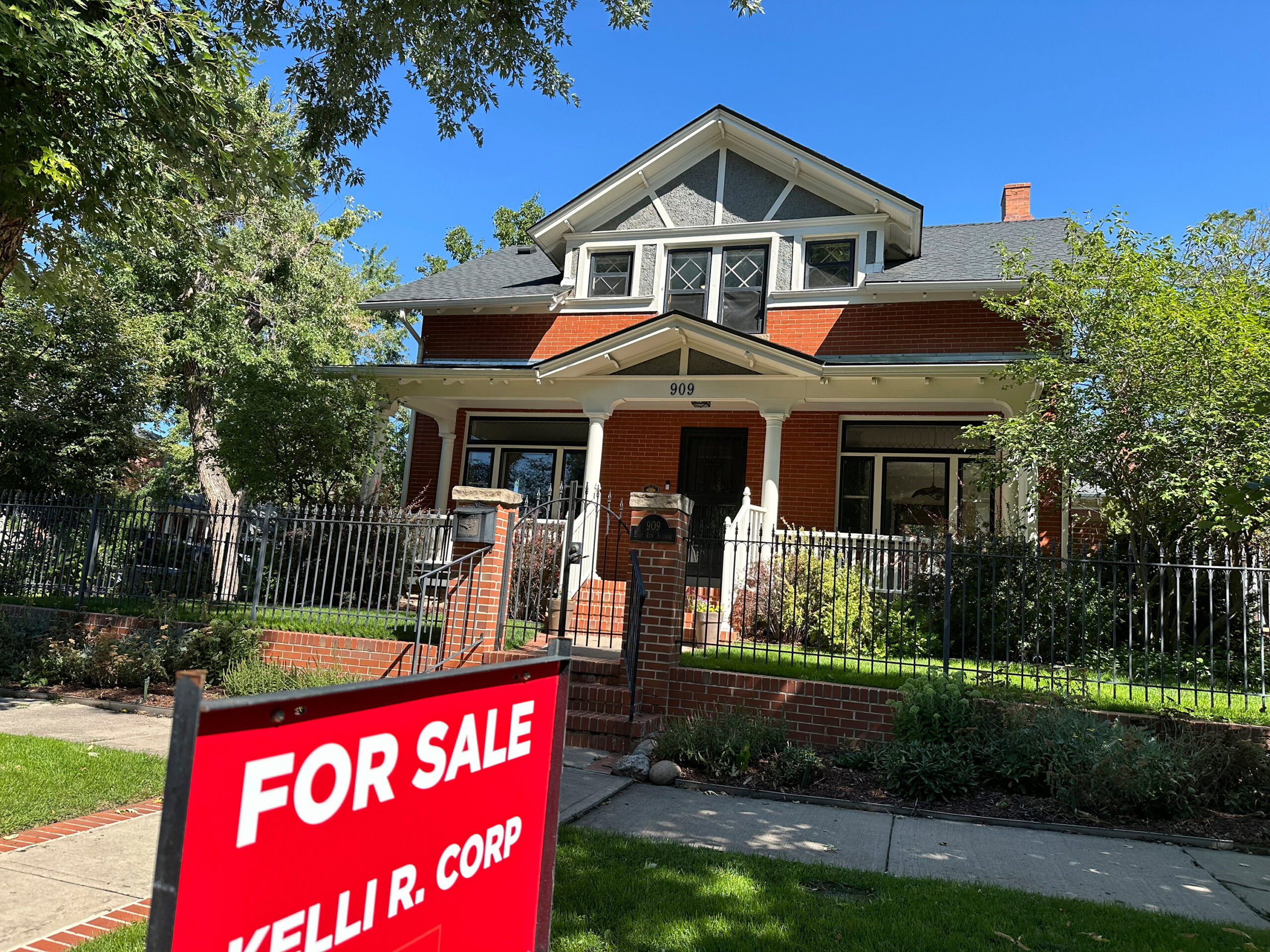
Mike Fitz, 76, who lives in Centennial in a single-family home he has owned since 2001, paid $3,876.98 in property taxes to Arapahoe County two years ago.
Fitz just learned after checking the website of the Arapahoe County Assessor’s Office that his 2026 tax bill has shot up to $5,435.47, and that already factors in a discount of $750 for the senior homestead exemption.
That translates to an increase of nearly 30% or more than $1,500 over two years for the Colorado resident on a fixed income from a combination of Social Security payments and a pension from Gates Rubber.
Indeed, the new year is bringing sticker shock to many Colorado homeowners like Fitz — property taxes are rising and some will see increases ranging from 20% to more than 40%.
For some homeowners, that can translate to more than $1,000 in tax increases over the last two years.
Fitz and thousands of residents like him are caught in changes to the property tax law that came out of the 2022 and 2024 legislative sessions.
In 2022, lawmakers passed Senate Bill 22-238, which reduced property tax assessment rates and taxable valuations on residential properties by $15,000 in the 2023 and 2024 tax years.
The state picked up most of the tab for the lowered property tax payments, which go to counties and special districts, including fire districts, police, hospitals, fire, water, and libraries, to pay for services, and to school districts to pay for K-12 education.
In 2024, lawmakers, hoping to finally resolve what Gov. Jared Polis called the “property tax wars,” passed Senate Bill 24-233, which increased the valuation discount to $55,000.
But both bills were only intended as a short-term relief.
Those discounts expired on Jan. 1 for property taxes assessed in 2025, leading to the sharp jump in property tax bills for just about everyone.
Boulder County Assessor Cindy Braddock told Colorado Politics she hasn’t yet heard from Boulder County residents, but the tax bills are just now going out.
“They’re coming,” she said of the calls.
A statement from Boulder County noted that some people may have higher tax bills, even if their home value didn’t change much.
Among those who will feel the pinch hardest are manufactured home owners, Braddock said.
Braddock said the $55,000 adjustment from SB 24-233 all but eliminated the property taxes for manufactured homes valued at or below the $55,000 threshold. The law allowed for a $1,000 base valuation when the adjustment could have wiped out the property taxes in their entirety.
A one-bedroom manufactured home can easily be around $60,000. One manufacturer is currently listing one-bedroom homes at $59,000. Existing manufactured homes can be even less.
A manufactured home valued at $100,000 would have a tax bill of around $275 in 2024, but it would jump to $550 in 2025, payable this year, Braddock’s office said.
The loss of the $55,000 adjustment will mean everyone will feel it, Braddock said. For those in manufactured homes, “many of them had nominal tax values,” their tax bills are going to go back to what they paid a couple of years ago, she said.
“Property taxes can feel complicated. Our goal is to make this as clear and stress-free as possible,” Braddock added. “We are here to help you understand your information and your options.”
There are options for relief, Braddock told Colorado Politics.
One is to contact the county treasurer about a tax deferral program offered by the state treasurer. It’s a low-interest loan and should be considered carefully, she said, but it allows the homeowner to take a loan to pay the tax bill on a year-by-year basis. A 2025 bill changed the way the program works, with applications now available from county treasurers. Applications are due no later than mid-March.
The other avenue is an appeal of the home’s appraised value, Braddock said.
And the pain may only be temporary, she noted.
The property taxes for 2026, paid in 2027, could drop when HB 24-1001’s provisions are applied, notably given the decrease by 10% on the first $700,000 of appraised value, she noted.
Still, that depends on how much increase in valuation a home could see, as well as any new mill levies or increases applied to the property.
That’s the result of House Bill 24B-1001, passed in the special session of 2024, which modified Senate Bill 24-233 to add the 10% reduction.
As to the jump in property tax bills, lawmakers at the state Capitol have not yet taken notice.
Colorado Politics asked legislative leaders whether anyone is working on a property tax bill, and the only two measures currently in the mix don’t address residential property tax rates.
Fitz, of Arapahoe County, said based on conversations, he believes he has the highest property tax increase of anyone on his street. He hasn’t yet seen the official paperwork. What he learned was based on what’s available on the Arapahoe County Assessor’s website.
He also owns a townhome in Vail, where his tax bill will increase by about $600.
He said he understands the premise of “taxing the rich,” but what concerns him is paying taxes on real estate.
“I’ve owned this property for a long time, bought it at about $240,000 (back in 2001),” he said.
Back then, he thought it was pricey.
“I’m not a wealthy person with a valuable home, and because of appreciation, it makes me look like a wealthy person. I’m not,” he said.
“I was shocked and mad about the whole thing,” he said of learning about his tax bill.
His tax obligation seems to just keep going up without any valid justification, he said.
He plans to appeal.
As of 2025, Colorado still had some of the lowest property tax rates in the country, according to Rocket Mortgage, but the high home values — Rocket estimates the median at $502,200 — mean the property taxes themselves aren’t as low as they are in other states, even with their higher rates.


It’s time to let unaffiliated voters caucus | Vince Bzdek
Vince Bzdek
vince.bzdek@gazette.com
Updated 18 hours ago
There’s no getting around it: Colorado’s 3,000 county caucuses, which just wrapped up recently, left half the electorate out in the cold. Since unaffiliated voters now make up 51% of all Colorado voters, a majority of Colorado electors are barred...
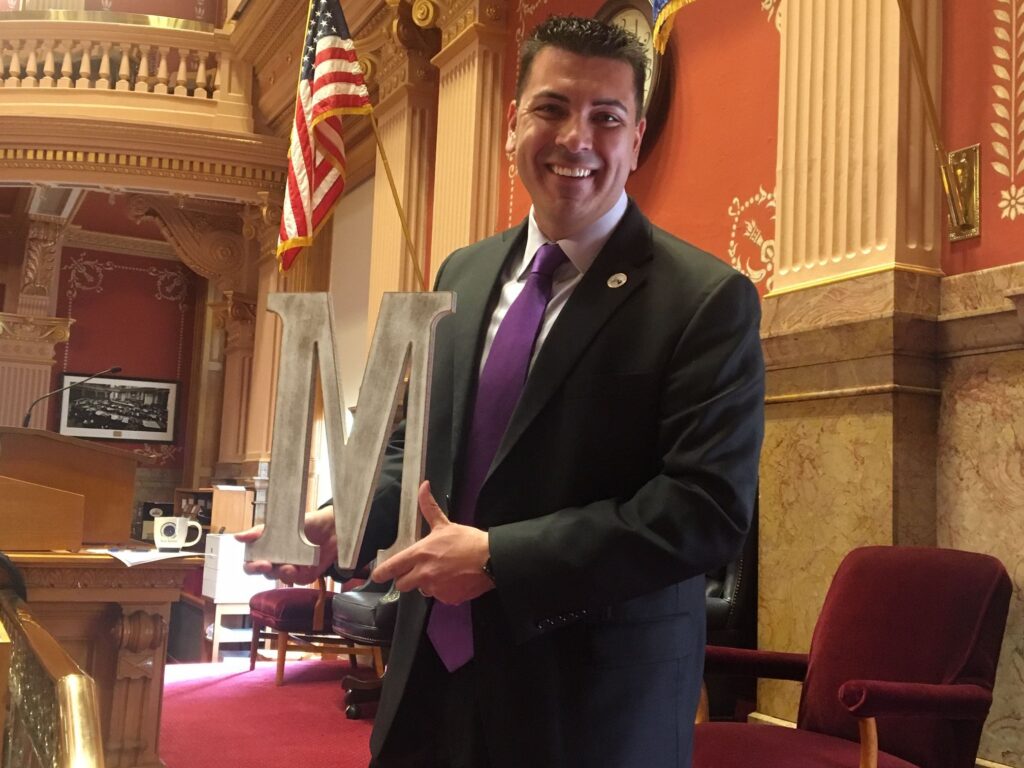
A Mile High, again: Capitol M | Week of March 21, 2026
Marianne Goodland
marianne.goodland@coloradopolitics.com
Updated 4 days ago
The lighter side of the Capitol, usually…. Local Journalism Day, except they forgot their very own local journalists. The state Senate on Thursday, March 19, passed a resolution recognizing Local Journalism Day. Everyone voted for it, which is good, because...

Colorado Senate committee advances bill increasing overtime threshold for farmworkers
Marianne Goodland
marianne.goodland@coloradopolitics.com
Updated 11 hours ago
The struggle to balance farmworker protections with the survival of Colorado’s family farms took center stage Thursday as senators debated two competing overtime bills. The Senate Business, Labor and Technology Committee held a rare double-bill hearing that led to a...

Colorado bill to fund mental health by raising alcohol taxes defeated in House committee
Marissa Ventrelli
marissa.ventrelli@coloradopolitics.com
Updated 14 hours ago
Colorado legislators on Wednesday narrowly rejected a second measure that would raised taxes on alcohol products in order to fund mental health care treatment in the state. Proponents said the new revenue is necessary to help pay for mental health...

Trump switches endorsement back to Jeff Hurd, says Hope Scheppelman is ending run in Colorado’s 3rd CD
Ernest Luning
ernest.luning@coloradopolitics.com
Updated 1 day ago
In a surprise twist, President Donald Trump on Friday said he was again endorsing Republican U.S. Rep. Jeff Hurd after pulling his support from the Grand Junction Republican last month and instead backing Hurd’s primary challenger in Colorado’s 3rd Congressional...
Highway 115 fire blows up, road closed south of Colorado Springs
Nick Smith
nick-smith@coloradopolitics.com
Updated 2 days ago
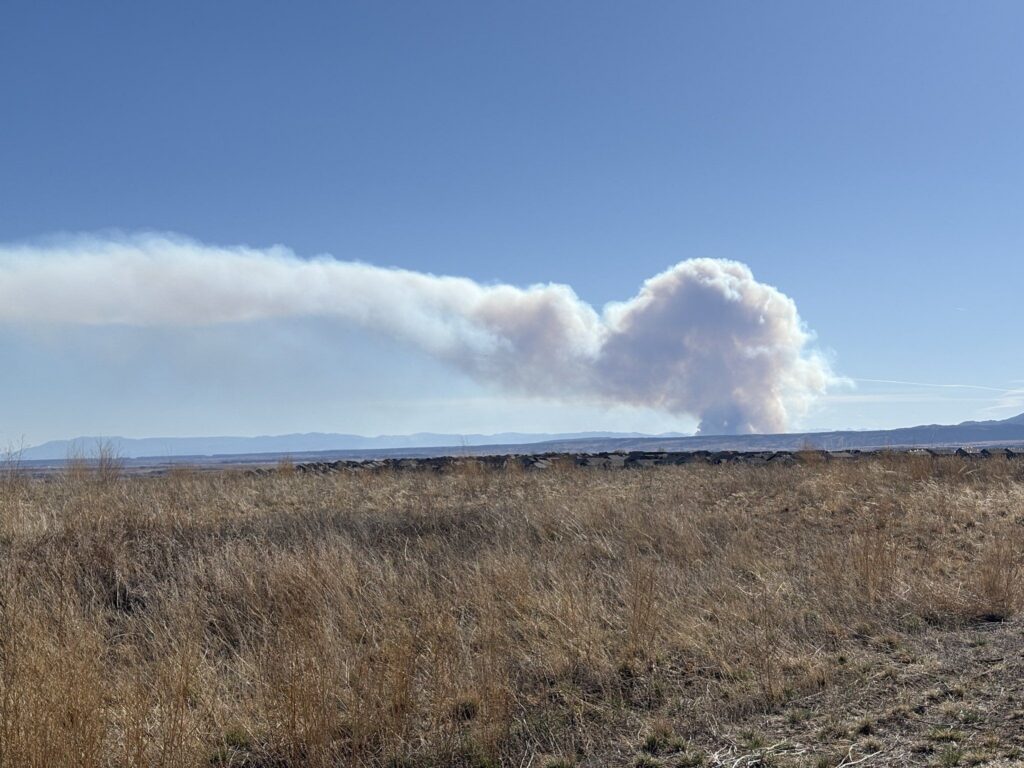
A fast-moving fire burning along Colorado 115 south of Colorado Springs blew the containment line Thursday, spreading farther east onto Fort Carson and scorching nearly 700 acres, officials said. The blaze, known as the 24 fire, was fully uncontained as...
Proposed data center regulation in Colorado draws critics, backers
Scott Weiser
scott.weiser@gazette.com
Updated 2 days ago
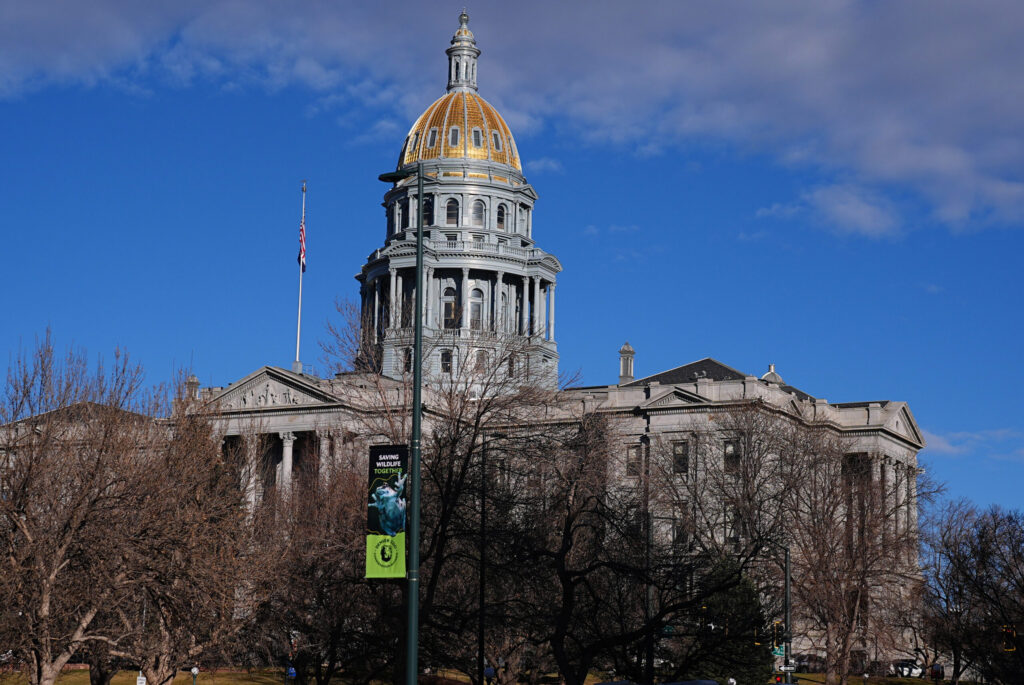
A packed marathon hearing at the state Capitol in Colorado highlighted the sharp divide between two competing approaches to the effects of data centers, one of America’s fastest-growing technology sectors. Data centers are the physical facilities that host the servers,...

Colorado revenue forecast worsens, pushing budget shortfall to nearly $1.5B
Marianne Goodland
marianne.goodland@coloradopolitics.com
Updated 2 days ago
The latest revenue forecasts from economists at the state Capitol show that the state’s budget predicament has worsened — by hundreds of millions of dollars more. That, in turn, means cuts programs and services in next year’s fiscal budget will...

With jails overcrowding, Gov. Jared Polis asks for new prisons as lawmakers face budget shortfall
Marianne Goodland
marianne.goodland@coloradopolitics.com
Updated 2 days ago
The Polis administration is asking for hundreds of millions of dollars to expand the state’s prison system, just as Colorado’s legislators are bracing for a worsening fiscal outlook. The request sets up a clash over priorities at a time when...
Costs explode for Colorado program covering pregnant women and children living in the U.S. illegally
Marianne Goodland
marianne.goodland@coloradopolitics.com
Updated 3 days ago
A state program providing health care to pregnant women and children living in the country illegally is costing far more than lawmakers expected, with expenses nearly tripling in just a year and threatening to squeeze Colorado’s budget amid a nearly...
PREV
PREVIOUS

Aurora files Petition for Rehearing in court ruling on crime punishment, seeking 'clarity'
The city of Aurora filed a Petition for Rehearing with the Colorado Supreme Court on Monday, seeking clarity on a court decision in Aurora v. Simons. The court determined that municipal criminal penalties cannot exceed state sentencing caps for similar offenses under state law, according to a city news release Tuesday. City officials said Tuesday […]

Taxpayer money squandered in conservative school districts defending selves from lawsuits | Paula Noonan
Elizabeth School District, with 2,666 students, has refined the art of wasting dollars on faulty lawsuits. Last year, the district lost an open meetings case when it imprudently failed to properly notify the public of agenda items. That suit ran up an $80,000 bill that could have been settled for much less. This month, the […]