

Lower prices sound great, but deflation would spur economic headaches
Republicans have good reason to worry about their prospects in the 2026 midterm elections after a string of recent defeats.
GOP losses in the recent New Jersey and Virginia gubernatorial races, Miami’s mayoral election, and the contest for a previously Republican-held Georgia state House seat that went Democratic made for tough election nights as 2025 wound down. Plus a closer-than-expected contest in a red-leaning congressional district in Tennessee, among others.
Such electoral results threaten the political viability of President Donald Trump’s final two years in office — particularly if Democrats can win a House majority next Nov. 3. The economy has much to do with Trump’s political peril in his second term.
Trump persistently claims the economy is in excellent shape, even giving himself a grade of “A+++++” in a recent interview. It’s a dubious political approach, as former President Joe Biden and his 2024 stand-in as the Democratic nominee, then-Vice President Kamala Harris, found out. The Democratic pair never boasted of the economy on their watch to the degree Trump does now. But they repeatedly — and unconvincingly — argued the sputtering U.S. economy was solid.
Yes, the macroeconomic data at the time showed inflation subsiding, good jobs reports, and low unemployment. However, voters still felt the economy was doing poorly due to persistent inflation and higher prices.
Trump himself capitalized on that during his campaign. While many people think the “Kamala is for they/them, Trump is for you” ads were all about transgender issues, it was an overall theme that played into the campaign Trump ran. According to Trump, Harris only cared about the select few, not concerning herself with the struggles of everyday people.
The strategy worked: Trump won back all the states he lost in 2020, added Nevada to the list, and captured the popular vote.
The problem for Trump now is that he made specific promises to lower prices when he got into office. In August 2024, during a campaign stop in Montana, he said, “Starting on Day One, we will end inflation and make America affordable again, to bring down the prices of all goods.” A week later in North Carolina, he said, “Prices will come down. You just watch: They’ll come down, and they’ll come down fast, not only with insurance, with everything.”
Trump continued to make those promises throughout the remainder of the campaign, and while it became a useful political rallying cry, voters wanted results and thus far, have not gotten them. As a result, Trump’s job approval languishes in the low 40s according to the latest averages at RealClearPolitics.
Price paradox doesn’t bode well for the Trump administration
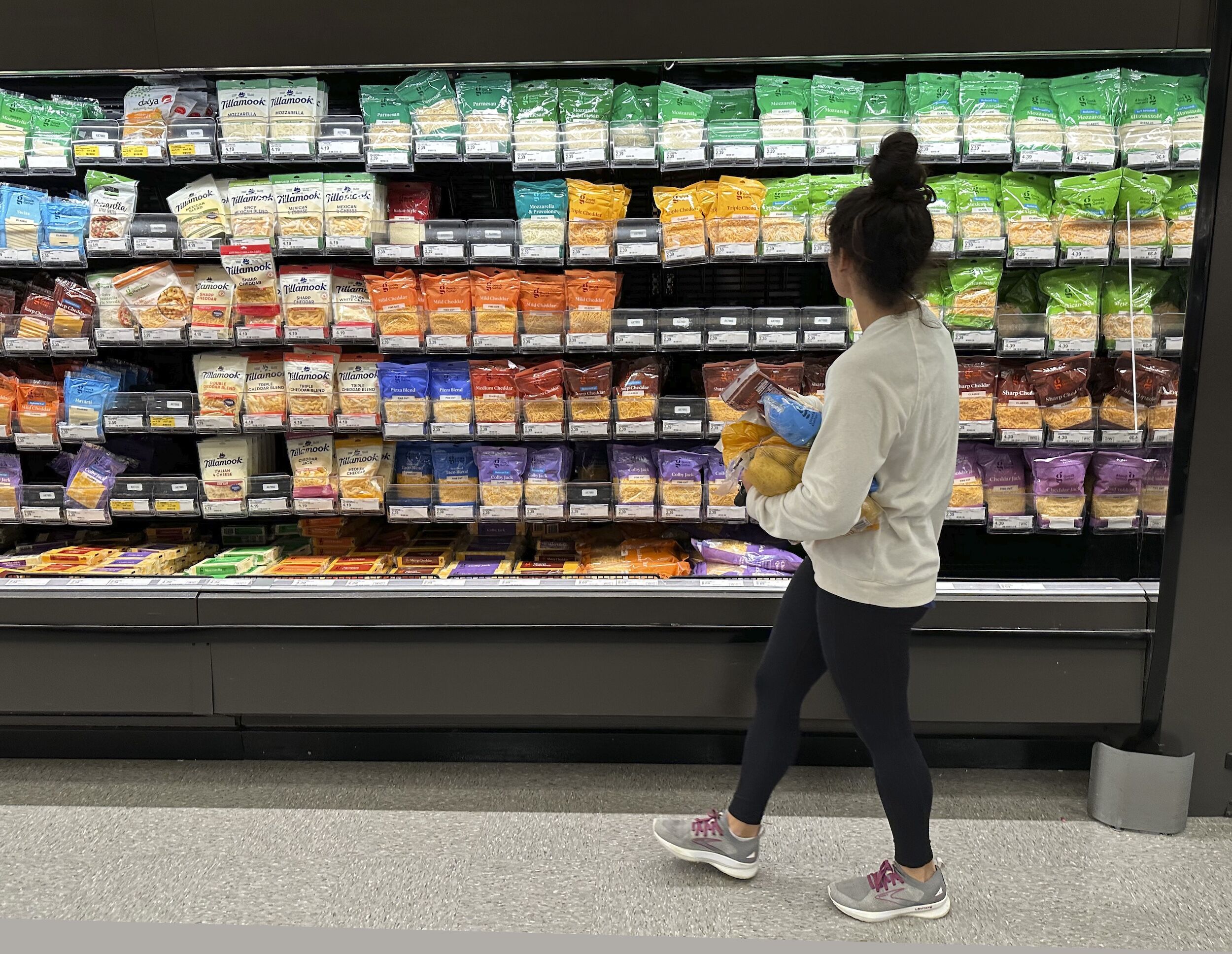
Voters shouldn’t expect much change in prices the next year or beyond. While commodities such as beef, eggs (prices skyrocketed due to Avian flu), and oil (which affects gasoline prices) are subject to much greater volatility due to external factors, overall grocery and retail prices will not come down. If they do, it will spell trouble for Trump because it would signal a weak economy rather than any policy that gets businesses to lower prices.
Although nominal wages (raw wage growth) increased with inflation after the COVID-19 pandemic, real wages (purchasing power) declined until 2023, when nominal wage growth surpassed inflation, restoring real wages to inflation levels. The result? Little to no incentive to lower prices, since people are still spending money.
Consumer spending, known as Personal Consumption Expenditures, accounts for 70% of U.S. Gross Domestic Product. People drive our economy by making purchases.
If retailers suddenly began reducing prices to pre-pandemic levels, would that make people spend more? Not necessarily. However, lower prices are what consumers say they want. That is deflation. And that is not necessarily a good thing.
Lisa Cook, a member of the Federal Reserve Board of Governors (who Trump tried to dismiss but still works while the legal process plays out), said in a November speech, “If the economy is doing better, if this disinflationary process that we keep talking about is actually in process, then why are people so upset? Most Americans are not just looking for disinflation. You and I, as macroeconomists, are looking for disinflation. They’re looking for deflation. They want these prices to be back where they were before the pandemic.”
Wouldn’t that be a good thing? Not according to Raphael Bostic, president and CEO of the Federal Reserve Bank of Atlanta, who in 2023 wrote, “Deflation might sound appealing. After all, who wouldn’t want to pay less for groceries next week? But it can be economically destructive. Consumers may delay purchases because they expect prices will keep falling. That can curtail overall consumption, which can prompt businesses to cut production, which in turn can mean lower profits, cost-cutting, and layoffs.”
And which retailer will signal lower prices? If Ford announced it would cut the price of 2027 F-150s by $15,000 compared to 2026 models, why would anyone buy now? They would merely wait until the 2027 models are available. Even if retailers didn’t signal lower prices, should they begin to fall, it is natural for people to wait and hope prices continue to drop.
It creates a serious dilemma for Trump and congressional Republicans, especially those in the House aiming to keep their slim majority. Currently, Trump is pushing back on Democrats’ claims of the affordability issue as a “hoax,” and insists prices are coming down.
The “reality distortion field” originally described Steve Jobs’s ability to persuade others that the impossible was possible, thanks to his charismatic and persuasive powers. It also applies to Trump, who believes that simply stating something like “prices are coming down” makes it true. The real issue is that those around him are expected to go along with the illusion, no matter how far it is from reality.
People have a much more pessimistic outlook. A recent Politico poll shows nearly 30% of people are delaying medical checkups to save money. Nearly 40% are not attending any professional sports events, and almost 50% say they cannot afford a vacation that involves flying. Only 22% believe Trump’s tariffs, which he claimed would boost economic growth, have positively impacted the economy.
That signals a major problem for Trump and congressional Republicans as they head into 2026. They are in control, and Trump has made promises. Prices won’t drop unless the economy falls, and such a downturn could worsen the GOP’s situation. Either scenario could lead to a crushing midterm election defeat.
Jay Caruso is a writer living in West Virginia.

These members of Congress will leave their jobs (mostly) voluntarily
David Mark, Washington Examiner
david.mark.washington.examiner@gazetteedit.wpenginepowered.com
Updated 2 hours ago
Former House Speaker Nancy Pelosi (D-CA) and President Donald Trump do not agree on much. In fact, they hate each other. But Pelosi, 85, and Trump, 79, do share one professional characteristic. They each regained jobs at the pinnacles of...
GOP alternative to Obamacare subsidy extension could cut health insurance prices by 11%
Tiana Lowe Doescher Washington Examiner
tianalowedoescherwashingtonexaminer@wpstage.coloradopolitics.com
Updated 2 hours ago
After 15 years of Republican railing against the Affordable Care Act, GOP lawmakers have it on the ropes. But four House Republicans are trying to help prop it up. The Republican quartet joined Democrats Dec. 17 to force a House...
Trump touts victories at border, in economy in prime-time address to the nation
The Associated Press
the-associated-press@coloradopolitics.com
Updated 1 day ago
WASHINGTON — In a rare evening address from the White House, President Donald Trump boasted on Wednesday of his accomplishments and blamed his Democratic predecessor for soaring consumer prices as his party braces for a tough midterm election next year....
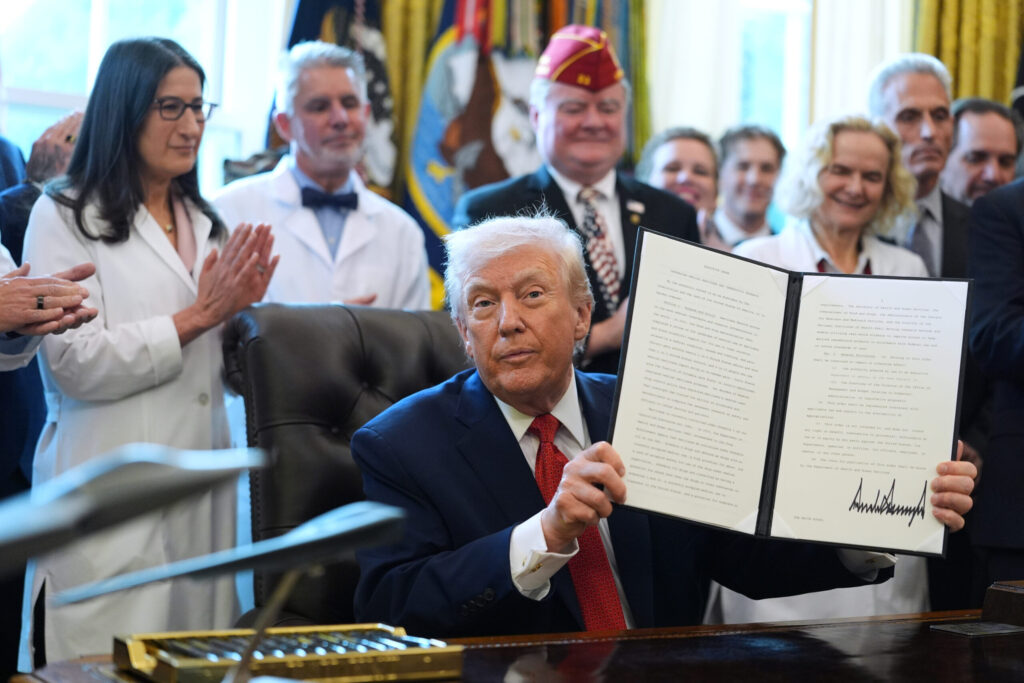
Trump signs executive order that could reclassify marijuana as a less dangerous drug
Lindsay Whitehurst
lindsay.whitehurst@associatedpress.com
Updated 1 day ago
WASHINGTON (AP) — President Donald Trump signed an executive order Thursday that could reclassify marijuana as a less dangerous drug and open new avenues for medical research, a major shift in federal drug policy that inches closer to what many...

House passes GOP healthcare bill amid centrist Obamacare revolt
Rachel Schilke, Washington Examiner
rachel.schilke.washington.examiner@gazetteedit.wpenginepowered.com
Updated 18 hours ago
The House passed a sweeping healthcare bill on Wednesday, a vote that largely split along party lines, as Democrats and some Republicans expressed concern that the legislation allows enhanced Obamacare subsidies to expire at the end of the year. House...

Trump administration moves to dissolve national climate research lab in Colorado
Matthew Daly
matthew.daly@associatedpress.com
Updated 2 days ago
WASHINGTON (AP) — The Trump administration is dismantling the National Center for Atmospheric Research in Colorado, moving to dissolve a research lab that a top White House official described as “one of the largest sources of climate alarmism in the...
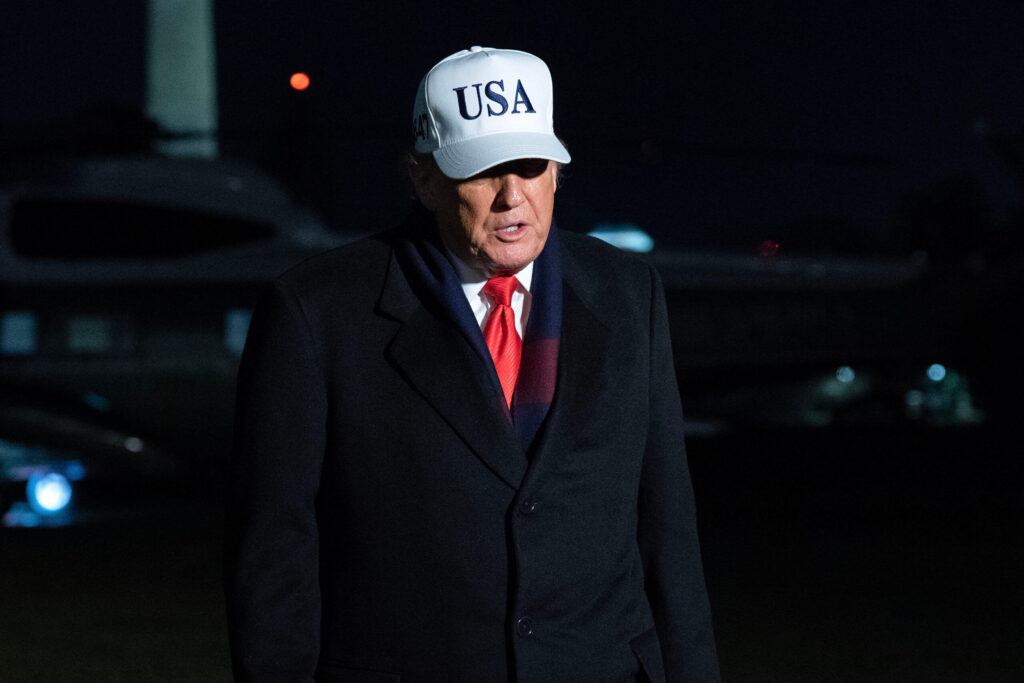
Trump on thin ice with breadwinners and MAGA over lackluster economy
Paul Bedard, Washington Examiner
paul.bedard.washington.examiner@gazetteedit.wpenginepowered.com
Updated 2 days ago
With just hours before he hosts a rare prime-time address to brag on his first year achievements, new polling shows that America’s breadwinners are losing confidence in President Donald Trump‘s economy — including his MAGA base. Facing stubbornly elevated retail...
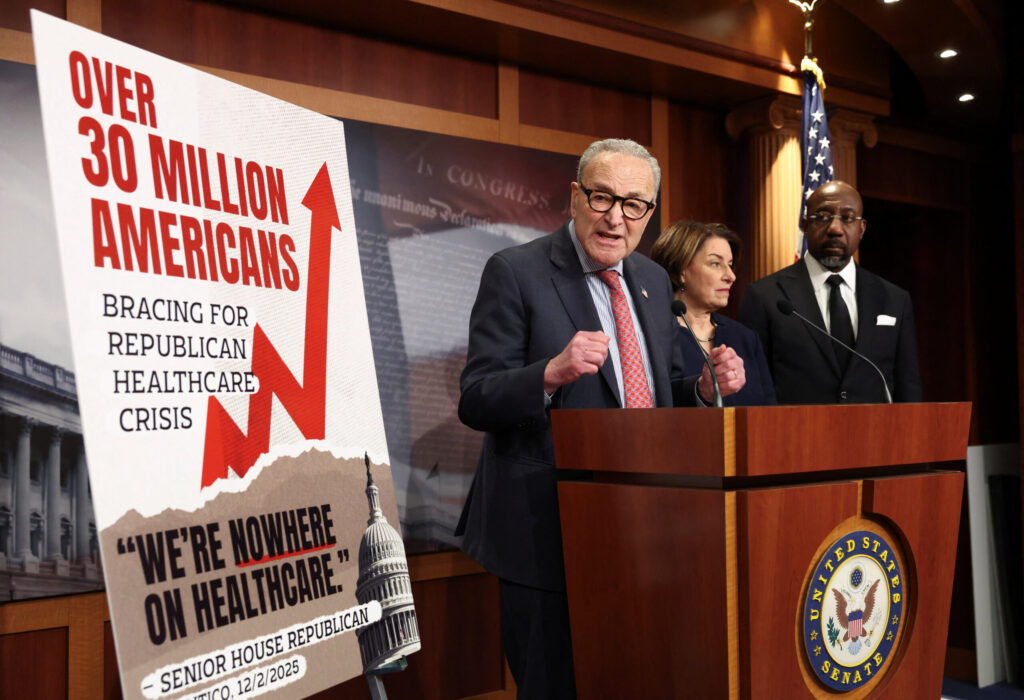
Republican frustration on healthcare hits boiling point
Lauren Green and Rachel Schilke, Washington Examiner
lauren.green.and.rachel.schilke.washington.examiner@gazetteedit.wpenginepowered.com
Updated 2 days ago
House Republicans have found themselves once again staring down the barrel of an 11th-hour vote ahead of the holidays that risks fracturing the party. The item before the House this time around is their healthcare plan, the Lower Health Care...
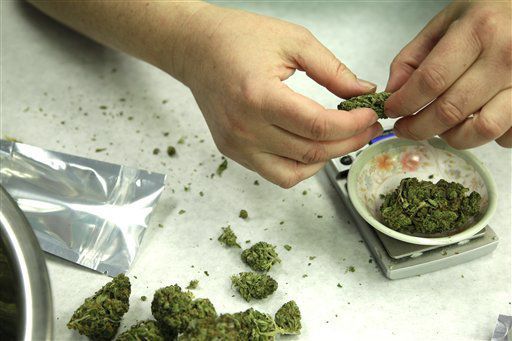
Trump expected to sign order reclassifying marijuana to Schedule III drug
Brady Knox, Washington Examiner
brady.knox.washington.examiner@gazetteedit.wpenginepowered.com
Updated 2 days ago
President Donald Trump is expected to sign an executive order reclassifying marijuana as a less dangerous drug on Thursday, a move set to have major effects on the availability of the drug. Trump is slated to sign an executive order...
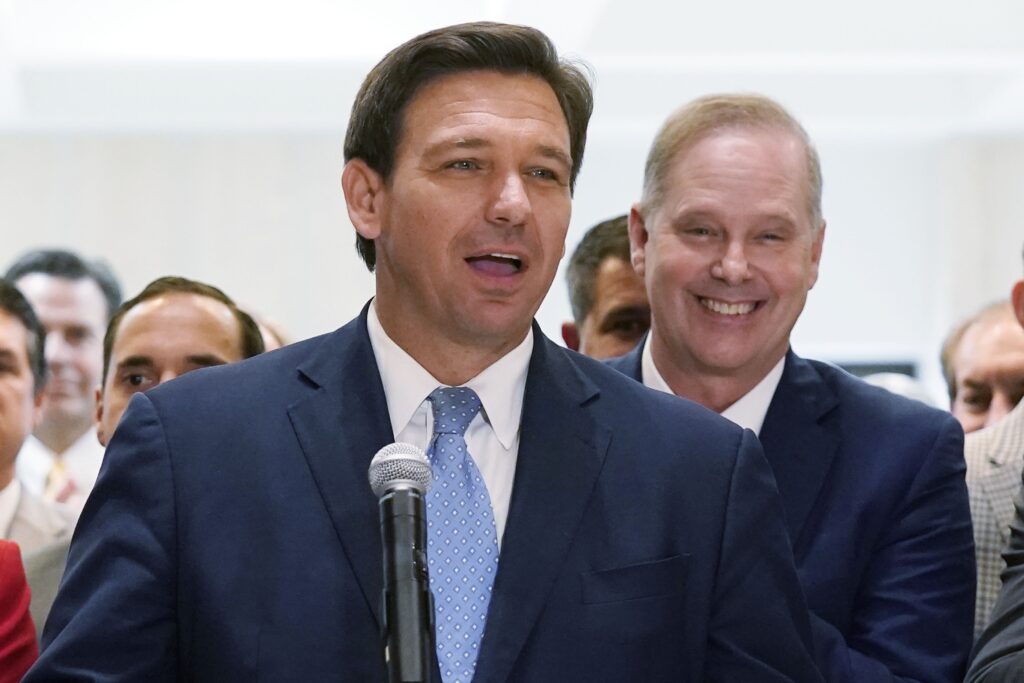
DeSantis’s Florida moves lay groundwork for possible 2028 presidential return
NAOMI LIM Washington Examiner
naomi-lim-washington-examiner@coloradopolitics.com
Updated 4 days ago
As 2025 comes to an end, political eyes are not only turning toward next year’s midterm elections, but also toward the 2028 Republican presidential primary, as possible candidates start posturing, including Gov. Ron DeSantis (R-FL). DeSantis, 47, who, along with...
PREV
PREVIOUS

Trump touts victories at border, in economy in prime-time address to the nation
WASHINGTON — In a rare evening address from the White House, President Donald Trump boasted on Wednesday of his accomplishments and blamed his Democratic predecessor for soaring consumer prices as his party braces for a tough midterm election next year. “Eleven months ago, I inherited a mess, and I’m fixing it,” Trump said in a […]

GOP alternative to Obamacare subsidy extension could cut health insurance prices by 11%
After 15 years of Republican railing against the Affordable Care Act, GOP lawmakers have it on the ropes. But four House Republicans are trying to help prop it up. The Republican quartet joined Democrats Dec. 17 to force a House vote on a straight three-year extension of the enhanced Obamacare tax credits, which will expire […]