

Colowyo coal mine near Craig lays off 133 workers as mine closes
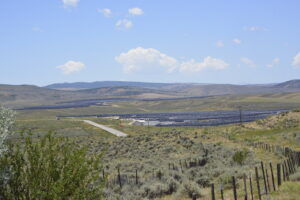
Neil McCandless sat in a Craig coffee shop, reminiscing on his 94 years in a town that has gone from sheep ranching to coal mining to power production but which is now moving toward an uncertain future.
Coal mining is ending in Craig, and the closure of power plants is in sight.
And the latest tranche of coal mine layoffs is on its way.
Colowyo Coal Co. filed the required federal paperwork on Nov. 4, announcing permanent closure of the surface mine and 133 layoffs effective Jan. 6.
That’s according to a WARN notice filed with the Colorado Secretary of State’s Office, in compliance with the Worker Adjustment and Retraining Notification Act.
The company halts coal production by December 2025 and transitions to reclamation under Kiewit Mining Group.
Settlers had scraped coal from outcrops in the region for heating and blacksmithing in the 1880s, according to a U.S. Geological Survey report. Geologists found large deposits northwest of Craig by 1906, spanning 520 square miles with seams up to 20 feet thick, the report said.
Commercial underground mining started at Colowyo in 1908, accelerating after Moffat County formed in 1911 to meet railroad and homesteader needs, according to the Colorado Encyclopedia. Surface mining launched at Colowyo in 1978. Tri-State, the current owner, eventually purchased the mine.
Production crested in the early 2000s, and the mine earned safety and reclamation honors, according to press reports at the time. In 2013, the mine’s 259 employees drew $28.2 million in wages, with 75% living in Craig, according to the Craig Daily Press.
Coal mining declined over the decades, with five area mines closing since 1951. None of those closures was tied to the imminent closures of the Hayden and Craig power plants mandated by Gov. Jared Polis’ greenhouse gas reduction road map and regulations advancing “net zero” energy by 2040 — until now.
Craig had flourished early on in its agricultural heritage, with sheep ranching dominating the economy. In May 1956, the Craig Wool Warehouse handled 3.5 million pounds of wool shipments, according to the Northwest Colorado Cultural Heritage Tourism Project.
McCandless, the local veterinarian in Craig for more than 50 years, said sheep men grew wealthy from shearing and lamb sales, buying wide swaths of grazing land at 50 cents per acre.
McCandless, born in 1931, described the Craig of his youth as a quiet agricultural center with 2,000 people, unpaved roads and scant traffic.
“When I was a boy — my dad ran a newspaper — I could walk down there in the evenings and not see a car except parked along the road,” the lifetime resident told The Gazette. “Nothing driving, no streets were paved — a little sleepy town. They figured there were 2,000 or 2,500 people maybe in those days.”
Today, more than 9,000 people live in Craig and the surrounding area.
The shift from sheep ranching to mining occurred after World War II, when coal moved from occasional local use to large-scale operation, in part thanks to the railhead in Craig, built initially to ship wool to market.
McCandless recalled trucks hauling loads of coal from the Axial Basin and Gilsonite mined in Utah to Craig for shipment. Oil from Rangely followed the same path. Uranium boomed in the 1950s near Maybell, where McCandless’s brother worked.
Today, that rail line is in Polis’ sights for tourism from Denver to the Steamboat–Craig area.
Moffat County forecasts 437 job losses and a 43% decline in property tax revenue from the closure. County officials demanded $118 million from Tri-State in June 2024 as compensation for the mine closure and inevitable loss of property and sales tax income.


Applications open for Social Impact Artist Award | NONPROFIT REGISTER
Joanne Davidson Special to Colorado Politics
joanne-davidson-special-to-colorado-politics@coloradopolitics.com
Updated 4 days ago
BONFILS-STANTON FOUNDATION Denver News: Applications are now being accepted for the Bonfils-Stanton Foundation’s 2026 Social Impact Artist Award. Now in its second year, the award will go to two Denver-based artists or artist collectives, each of whom will receive $50,000 — a $35,000...

Greeley voters halt landmark development project
Hap Fry, Special to The Gazette
hap-fry@gazette.com
Updated 3 days ago
GREELEY – The landscape-altering Cascadia development project has been put on ice, according to unofficial results of a city referendum on the project Tuesday. The proposed development would have included an 8,600-seat multiuse arena and ice center that would be home to the Colorado Eagles,...

Protecting satellites in space, on the ground a priority for Colorado companies
Alexander Edwards
alexander-edwards@coloradopolitics.com
Updated 5 days ago
As the Department of Defense moves toward utilizing more commercial partnerships, building a resilient space-based commercial field is contingent on several factors, according to industry leaders at the annual Warfare Symposium in Aurora. The symposium features businesses of all sizes...
Bipartisan opposition sinks eviction bill in Colorado
Marissa Ventrelli
marissa.ventrelli@coloradopolitics.com
Updated 5 days ago
Two Democrats sided with Republicans on a legislative panel to reject a proposal that would have made several changes to eviction filings and proceedings, including requiring judges to suppress court records. Sponsored by Rep. Junie Joseph, D-Boulder, House Bill 1047...

Gala-goers usher in the lunar Year of the Fire Horse in grand style | NONPROFIT REGISTER
Joanne Davidson Special to Colorado Politics
joanne-davidson-special-to-colorado-politics@coloradopolitics.com
Updated 3 days ago
NATHAN YIP FOUNDATION Greenwood Village News: If predictions for the lunar Year of the Fire Horse hold true, 2026 will be a time of intense energy filled with big changes, fresh starts, and new opportunities, so long as one maintains a steady hand and a sense of clear direction to avoid whatever chaos may result. At...
Democratic lawmakers propose changes to landlord-tenant laws in Colorado | Bills in Brief
Marissa Ventrelli
marissa.ventrelli@coloradopolitics.com
Updated 6 days ago
Colorado lawmakers introduce hundreds of bills each year. Bills in brief cuts through the noise by explaining which proposals matter, what’s at stake, and how decisions at the Capitol could affect everyday life across the state. House Bill 1013, sponsored by Reps....
Colorado lawmakers mull competing bills on data centers
Scott Weiser
scott.weiser@gazette.com
Updated 7 days ago
A Colorado coalition of data center developers and operators is urging lawmakers to pass a proposal that offers tax breaks to attract large facilities, while calling a competing bill a major obstacle to new investment. Meanwhile, proponents of the latter...

U.S. Supreme Court to hear bid by oil companies to toss climate suits in Boulder case
Reuters
reuters@gazette.com
Updated 1 week ago
WASHINGTON • The U.S. Supreme Court has agreed to hear a bid by ExxonMobil and Suncor Energy to scuttle a lawsuit brought by officials in Boulder that seeks to hold the oil companies liable for allegedly helping to fuel climate...

Denver plans moratorium on new data centers
Deborah Grigsby
deborah.smith@denvergazette.com
Updated 7 days ago
As artificial intelligence drives the data center construction boom, building one in Denver is poised to get more complicated after Mayor Mike Johnston and members of the Denver City Council announced plans to impose a moratorium on new facilities. Under...
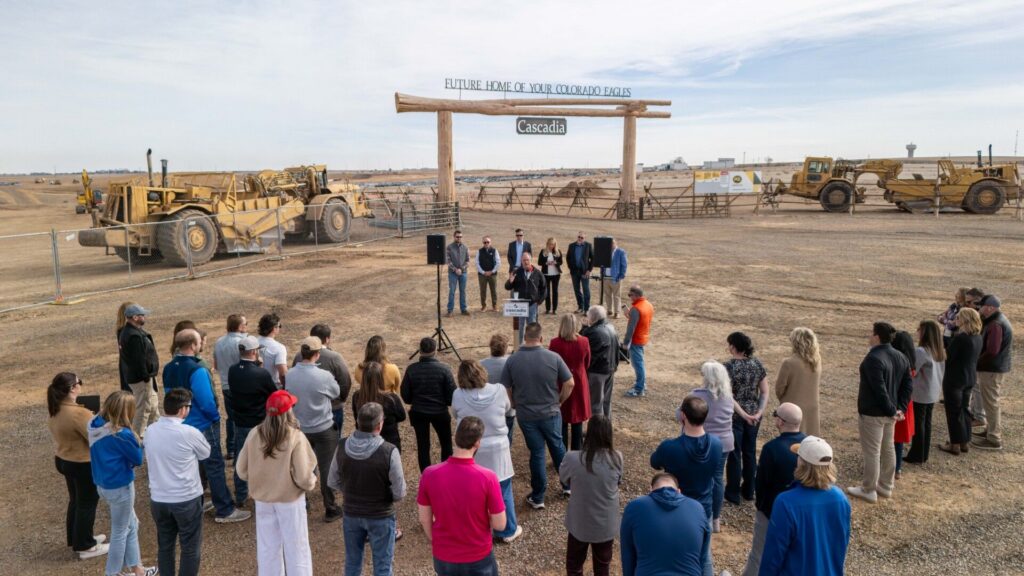
Greeley voters to decide fate of project that includes minor league hockey arena
Hap Fry, Special to The Gazette
hap-fry@gazette.com
Updated 1 week ago
GREELEY • The fate of the Cascadia development — and quite possibly the future direction of the city — is in the hands of Greeley voters this Tuesday during a special city election on whether the landscape-altering project should be...
PREV
PREVIOUS

Colorado Springs D-11 board member running for state House seat
A Colorado Springs District 11 board member has thrown their hat into the ring for a seat in the state House of Representatives. A candidate affidavit and committee registration form for Jill Haffley, vice president of D-11’s Board of Education, in House District 16 were filed with the Colorado Secretary of State’s Office on Nov. […]

Salvation Army's Harbor Light Center helps addicts get back on their feet
Dustin French walked through the doors of The Salvation Army’s Harbor Light Center in downtown Denver in July after 16 years as an addict. It had taken him more than half a year to muster the courage to do so, but he was determined to make a change in his life. It was during the […]