

Colorado’s motorcycle lane filtering law — boon or bane?

Colorado’s lane-filtering law for motorcyclists has been in effect for more than a year, but it’s still too soon to know if it has helped prevent motorcycle crashes and injuries, as the law was intended to do.
The new law allows motorcyclists to pass stopped vehicles while going 15 mph or less, if the lane is wide enough for them to pass safely on the left of the stopped vehicle while staying in the same traffic lane as the overtaken car – and without entering the oncoming lane or on the right shoulder.
Riding between lanes of stopped traffic on the lane marker line is not permitted, even if all traffic is stopped.
“The purpose of the law was to try to reduce car accidents,” said Jerry Bowman of Bowman Law of Denver, which has specialized in Colorado motorcycle law for more than 13 years. “The idea being that a motorcyclist is kind of in a vulnerable position behind a vehicle and an approaching vehicle, whether they’re paying attention or not. Sometimes, there’s these incidences when they don’t have time to stop and when there’s a motorcyclist there, that’s an issue. So, allowing filtering allows the rider to move out of that area.”
The law could potentially lower the number of motorcyclist deaths in Colorado, he said.
But a lot of motorcycle riders are still unclear about the difference between lane filtering, and lane splitting — which is still not legal here.
Going into effect Aug. 7, 2024, the lane-filtering law differs from California’s lane-splitting law, which allows motorcyclists to navigate between moving lanes of traffic at higher speeds. Colorado’s version limits the practice to congestion or stoplights, aiming to reduce rear-end collision risks without encouraging aggressive maneuvering.
Proponents of lane filtering have cited California studies for support. A 2015 UC Berkeley report on nearly 6,000 crashes found that lane-splitting riders were 43% less likely to be rear-ended and had lower injury severity when the speed difference was under 15 mph. Another study on CHP safety guidelines showed a 30% drop in fatalities.
Critics, including some law enforcement officials, expressed worries about driver confusion or the risk of side-swipes.
Colorado became the fifth state to legalize lane filtering for motorcycles under Senate Bill 24-079.
“There’s often liability disputes when we’re talking about a motorcyclist who filters a lane or who tries to split a lane, for instance,” Bowman said. “The question is, who is ultimately responsible?”
The chief of the Colorado State Patrol said the blame for a crash falls on the motorcycle rider — if the cars are moving, however slowly.
“Based on our law, if vehicles are moving, even slowly or for a short distance, the motorcyclist would be at fault,” said Col. Matthew Packard, the head of the Colorado State Patrol. “Riders are responsible for ensuring that all conditions are met to safely and legally filter.”
He noted that the law specifically states that, in order to pass, traffic in the same direction as the motorcycle rider must be stopped entirely. Here are the specifications from the Colorado State Patrol:
•To pass, traffic in the rider’s lane and adjacent lanes going the same direction must be at a complete stop.
•The lane must be wide enough to fit the vehicle and motorcycle while passing
•The motorcycle must go 15 mph or less
•The rider must pass safely and control the motorcycle
•The rider must pass on the left and not enter the oncoming traffic lane
Bowman said a big part of the problem is that “not all motorcyclists understand the law” and the difference between splitting and filtering.
“Motorcycle accidents can be more severe, more likely when riders attempt to maneuver something too fast, when they try to do lane splitting, as opposed to lane filtering with moving traffic, or when drivers do not really expect it,” he said.
Supporters hope the new law would decrease rear-end collisions of motorcyclists, crashes that typically result in serious bodily injury or death.
The law requires the Colorado Department of Transportation to collect data on the safety and effectiveness of the new law and report to the Colorado General Assembly in 2027.
Dennis Huspeni and Abbey Soukup contributed to this article.

Denver Council narrowly approves deal with Axon
Deborah Grigsby
deborah.smith@denvergazette.com
Updated 3 hours ago
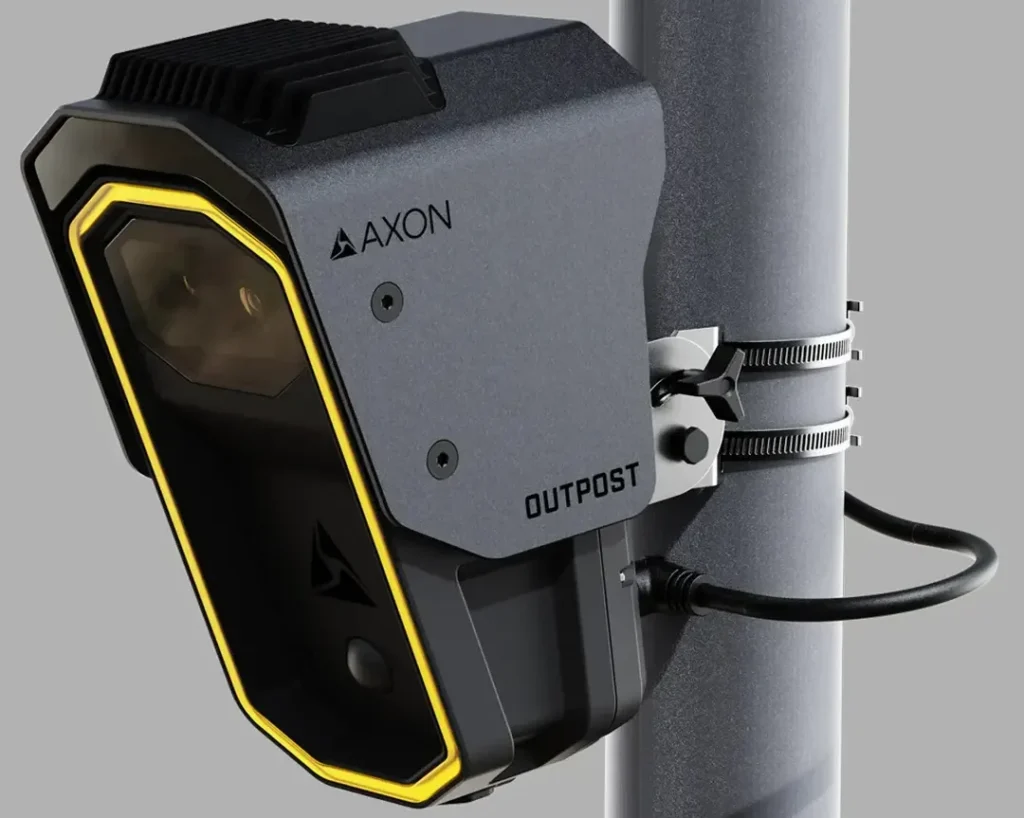
After weeks of delay, the Denver City Council narrowly approved a one-year $150,000 contract with Axon for 50 automated license plate-reading cameras and the necessary system hardware, replacing the city’s former vendor, Flock. The 7-6 vote came during Tuesday’s regular...

Aurora homeless shelter opened too early, CEO says, as mold and plumbing issues emerge
Kyla Pearce
kyla.pearce@gazette.com
Updated 3 hours ago
Aurora’s largest homeless services project launched “way too early,” its CEO told city leaders Tuesday, saying the rushed opening left residents living amid mold, plumbing failures, and other issues inside the former hotel. During Tuesday’s Housing, Neighborhood Services and Redevelopment...

Hegseth features Fort Carson soldiers after returning from Middle East, gives warning on Iran war
Reuters
reuters@gazette.com
Updated 2 hours ago
Defense Secretary Pete Hegseth said on Tuesday the next few days in the war against Iran would be decisive and warned Tehran that the conflict would intensify if it did not make a deal. Hegseth also highlighted his trip to the Middle...
Gov. Polis declares April ‘dig safely month’ to mark 40th anniversary of Colorado 811
Scott Weiser
scott.weiser@gazette.com
Updated 2 hours ago
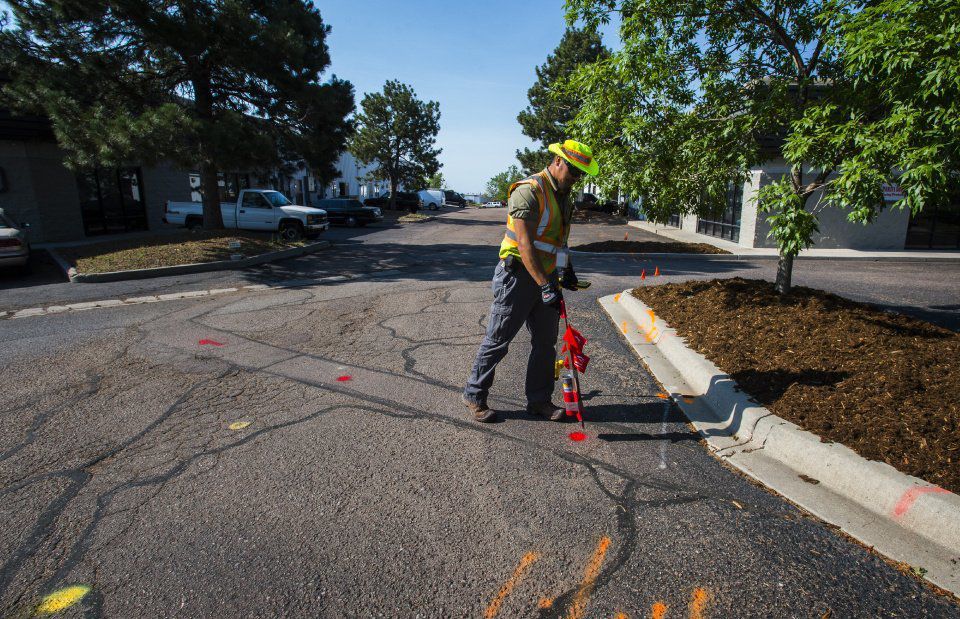
Gov. Jared Polis declared April 2026 as “Dig Safely Month” in Colorado, an annual observance that this year highlights the 40th anniversary of Colorado 811, the state’s One-Call Notification System. “Before everyone starts their warm weather projects around the house,...

Federal judge dismisses U.S. government lawsuit against Colorado, Denver’s ‘sanctuary’ laws
Michael Karlik
michael.karlik@coloradopolitics.com
Updated 15 hours ago
A federal judge dismissed the U.S. government’s lawsuit against Colorado and Denver on Tuesday, which alleged that various local policies impermissibly infringed on federal immigration enforcement. U.S. District Court Judge Gordon P. Gallagher followed the lead of judges in Illinois...
Lakewood zoning canvasser accused of stealing opposition material
Sage Kelley
sage.kelley@denvergazette.com
Updated 2 hours ago
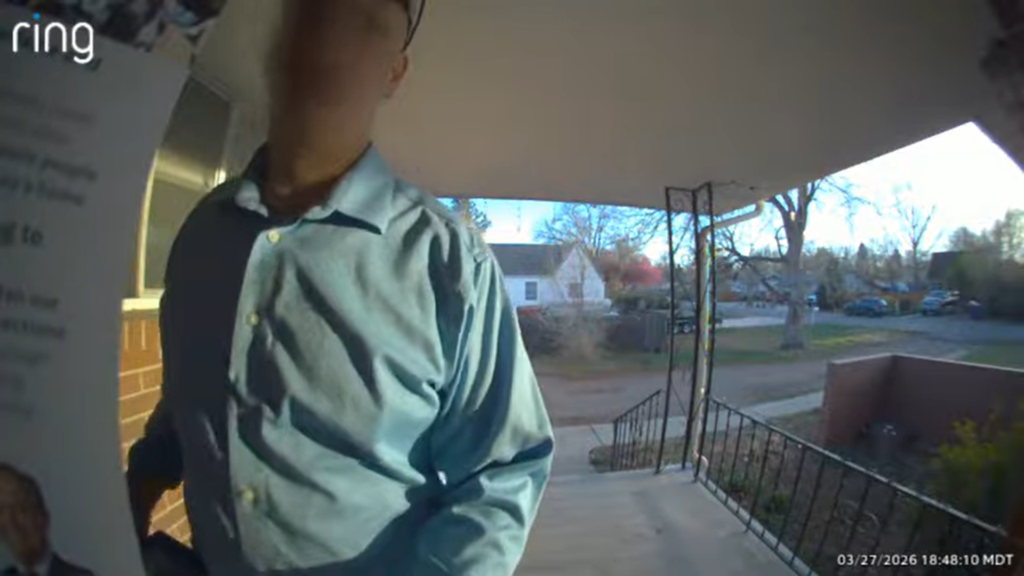
Controversies surrounding the Lakewood special election continue, with the latest including allegations of sign-stealing. The city’s special election regarding already approved zoning changes is occurring on April 7 and — along with more than a year of contention between opponents...

Colorado legislators drove up cost of Medicaid program
Marissa Ventrelli
marissa.ventrelli@coloradopolitics.com
Updated 22 hours ago
Some of Colorado’s spending woes in Medicaid can be traced to lawmakers who had approved new or expanded programs in the last few years, driving up state costs to the tune of tens of millions of dollars. Just three measures...

A perfect storm: Pine beetles thriving following warm, dry winter in Colorado
O'Dell Isaac
odell.isaac@gazette.com
Updated 23 hours ago
The warmest winter in Colorado history could lead to record-breaking proliferation of a tiny insect, about the size of a grain of rice, that has killed millions of acres of trees across the Centennial State and contributed to the rapid...
Newly formed PAC promises a stronger voice for southern Colorado businesses
Breeanna Jent
breeanna-jent@coloradopolitics.com
Updated 1 day ago
A new political action committee has launched in southern Colorado, aiming to strengthen and elevate the voices of local businesses and their regional influence on state-level policy. Over the last two years, the Colorado Legislature has enacted more than 1,000...

Colorado auto thefts drop 56% from 2021 levels
Scott Weiser
scott.weiser@gazette.com
Updated 1 day ago
Colorado once ranked as the worst state in the nation for motor vehicle thefts per capita in 2021. The state has since seen a dramatic improvement, with auto thefts dropping 56% from 2021 levels. The state reported 16,291 motor vehicle...
PREV
PREVIOUS

City Council barely approves new Municipal Court fee to help fund police technology
Colorado Springs took a big step to implement a new municipal court fee to help cover a portion of the Colorado Springs Police Department’s technology costs. The police technology surcharge was barely passed 5-4 by the Colorado Springs City Council at the Monday morning meeting. Some of the Council’s fiscally conservative leaders opposed the fee […]
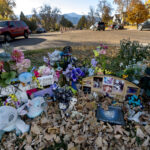
Surging motorcycle deaths in Colorado bring tragedy and tears
Chelsie Willing died on April 17, 2025, 10 days before her 21st birthday, when a car pulled out in front of her as she was riding her Yamaha R7 motorcycle on Platte Avenue in Colorado Springs. Motorcycling had been her passion, and she was happiest when she was riding, said her aunt, Windy McKay. The […]