

10th Circuit hears Denver, officer’s request to overturn $14M jury verdict after 2020 protests
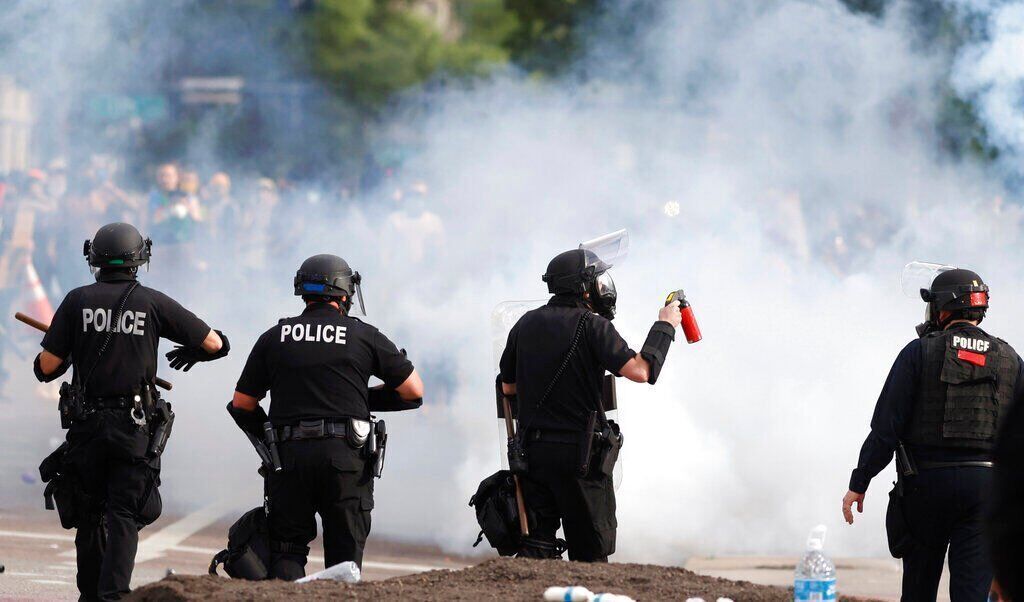
Members of the Colorado-based federal appeals court considered on Wednesday whether a judge committed errors in the 2022 civil trial where jurors found Denver liable for $14 million for violating the constitutional rights of protesters.
In the first lawsuit of many to culminate in a jury trial, 12 plaintiffs largely succeeded in arguing Denver’s own actions violated their First Amendment rights, Fourth Amendment rights or both during the demonstrations that began in May 2020. Protesters in Denver and across the world reacted to the police killing of George Floyd in Minneapolis. Law enforcement used chemicals, projectiles and other force against them.
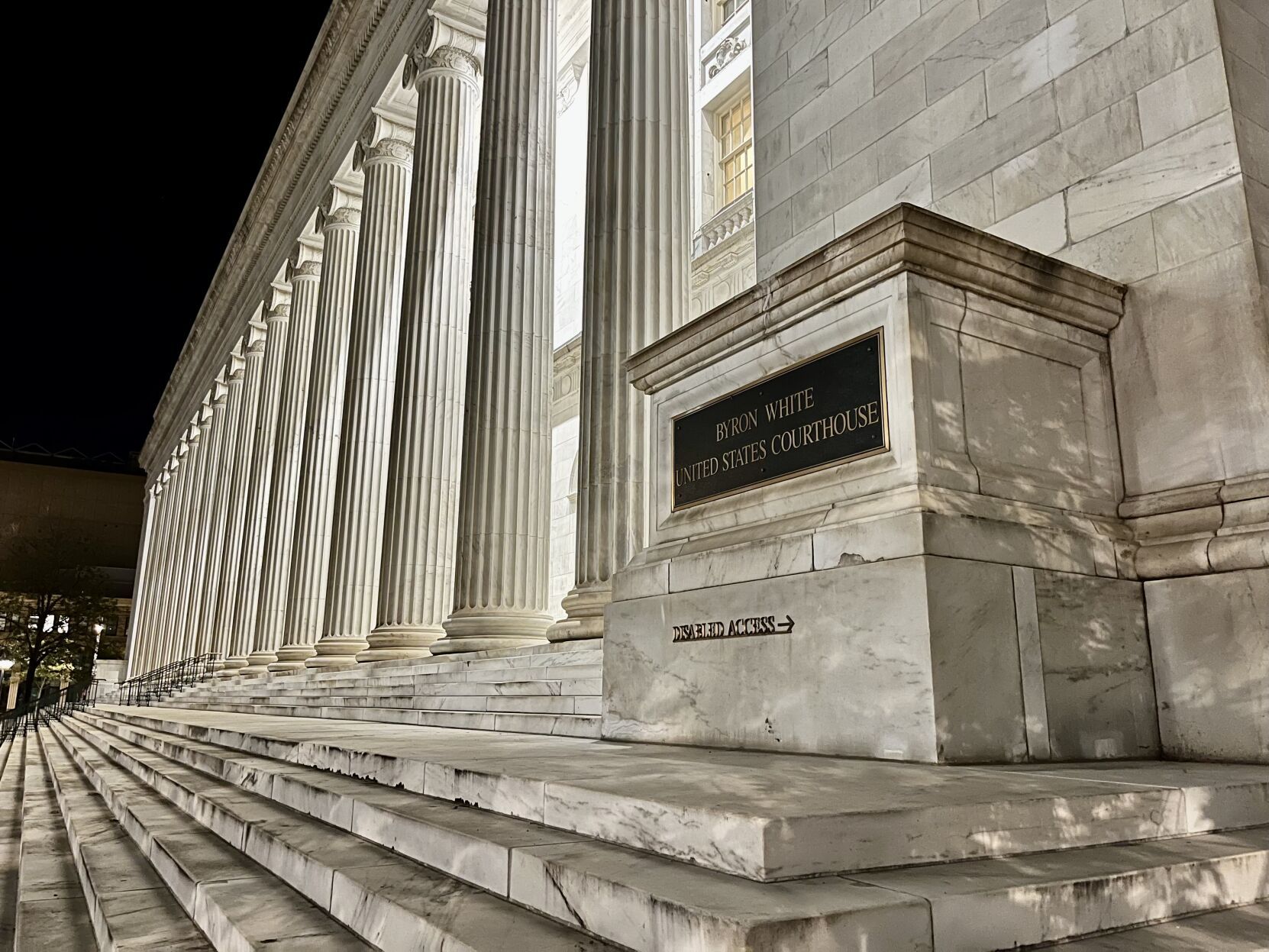
During oral arguments to a three-judge panel of the U.S. Court of Appeals for the 10th Circuit, the city focused on two of its contentions: That the trial judge erred by allowing testimony from the city’s former police monitor, Nicholas Mitchell, about his investigation, and by giving a legally inadequate instruction to the jury.
Mitchell’s statements were uniquely damaging, argued attorney Frederick R. Yarger, because “he is the only witness they could use to tell the jury he was the Denver official tasked with assessing the department’s response to the protests.”
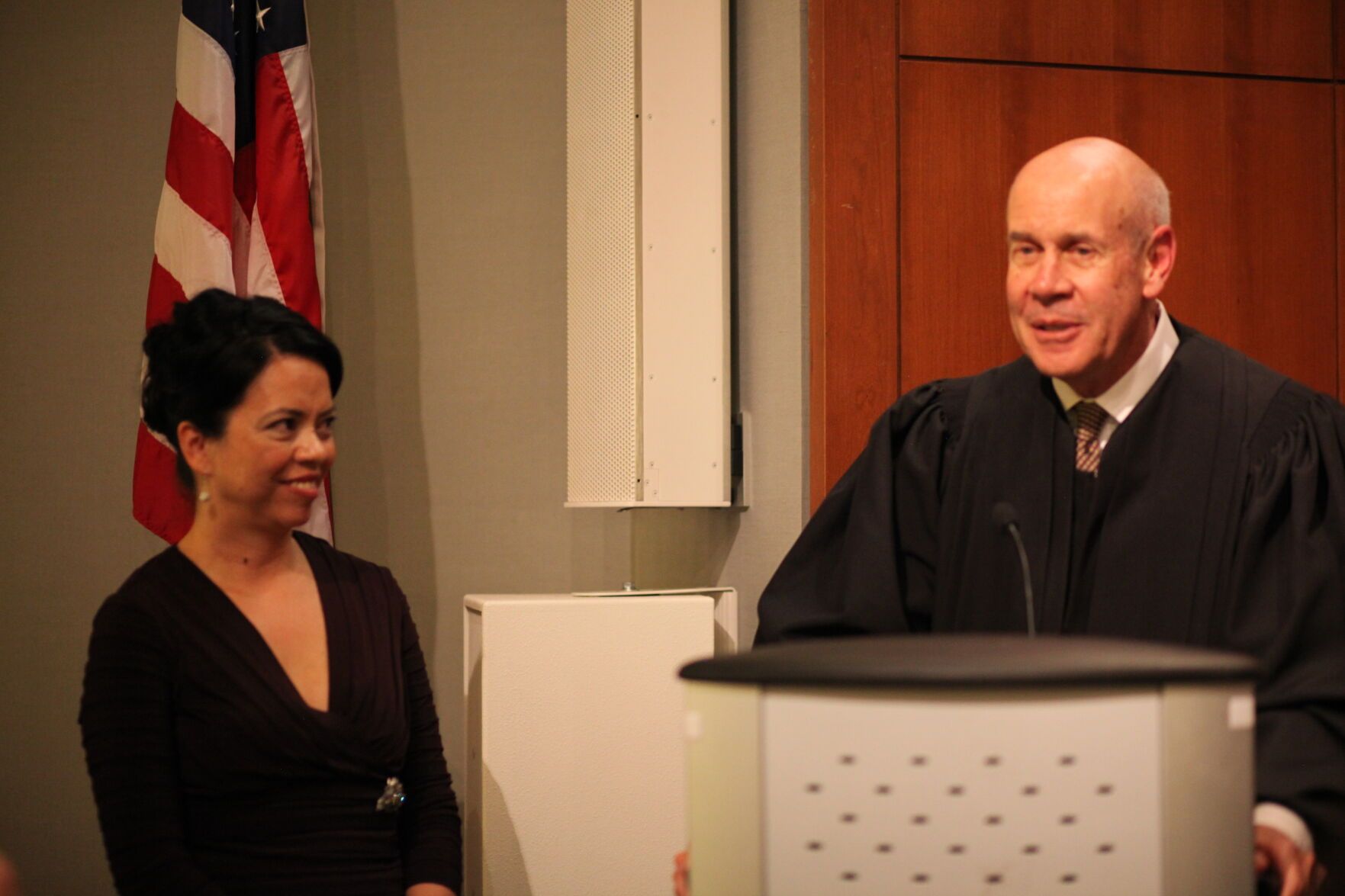
“Are you saying if it were not Mitchell that gave that testimony, if it was a third person who did exactly the same studies as Mitchell but it was an outside person, you wouldn’t have had any troubles with it?” asked Senior Judge David M. Ebel.
Jurors found Denver’s own policies or failures to train were behind officers’ use of “less-lethal” weapons on nonviolent protesters, which caused their injuries.
During trial, U.S. District Court Senior Judge R. Brooke Jackson ruled that Mitchell, the city’s former independent monitor, could testify about his investigation because it was “paid for by the taxpayers, and it seems to me that these taxpayers sitting in the jury box are entitled to hear about it.”
“Denver doesn’t want to admit that it made even a single mistake,” said Jackson. “There were excessive applications of force. I think the videos demonstrate that.”
At the same time, he cautioned the plaintiffs, “I think you’re risking your entire case” by having Mitchell testify. “You’re entitled to it. I think it’s a huge mistake on your part to do that.”
After the verdict, the city asked for a new trial based in part on the argument that Mitchell had no personal knowledge of what occurred at the protests, nor was he qualified as an expert witness. Jackson denied the request, finding that even if Mitchell’s testimony was improper, there “was substantial evidence supporting the verdict.”
“Judge Jackson limited Nick Mitchell to testifying about what he did, his personal observations and his personal conclusions,” plaintiffs’ attorney R. Reeves Anderson told the 10th Circuit panel. “And his notices that he previously gave to Denver about the inadequacy of its policies and training.”
The panel also heard the city’s contention that Jackson neglected to instruct the jury that they should find Denver liable if it exhibited deliberate indifference to possible constitutional violations under all of the plaintiffs’ legal theories, not just their failure-to-train theory.
The plaintiffs retorted that the instruction was a correct statement of the law and, moreover, Denver was the one who proposed it.
“It was your submission,” said Ebel to Yarger. “Why did you submit it in the first place?”
Anderson pointed out that because jurors sided with the plaintiffs on their failure-to-train theory, that alone provided grounds to uphold Denver’s liability.
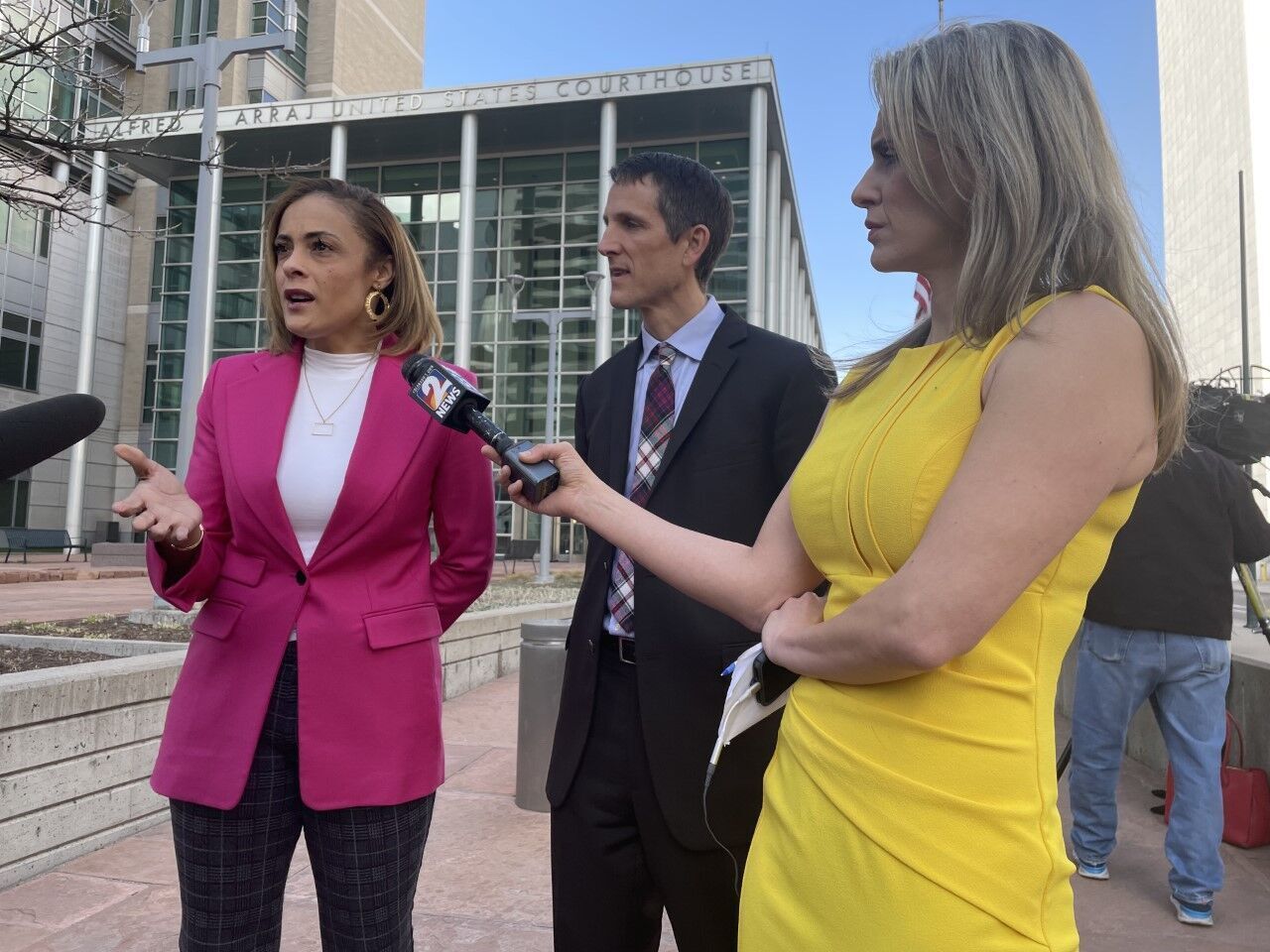
The panel separately heard the appeal of Officer Jonathan Christian, who shot a pepper ball toward the street while plaintiff Elisabeth Epps was crossing to the Capitol. Jurors saw a bruise documented on Epps’ leg. They found Christian liable for excessive force.
Christian argued that Jackson should have granted him qualified immunity, which is a judicial doctrine shielding government employees from civil lawsuits unless they violate a person’s clearly established rights.
“Had he given her a direct command to stop before he fired the shot?” asked Ebel.
“The evidence does not suggest that,” conceded Christian’s attorney, Andrew D. Ringel.
Epps, who subsequently served one term in the state House of Representatives, pointed to a 10th Circuit decision from the same case in 2023 that found “it had been clearly established for (at least) twelve years” that officers commit a constitutional violation by using less-lethal force on non-threatening protesters.
“There was no justified reason for Officer Christian to shoot her,” said attorney Brian M. Williams.
The defendants also argued the jury’s damages award was excessive and the evidence did not support the theory that Denver’s official practices or customs caused the plaintiffs’ injuries.
The case is Packard et al. v. City and County of Denver et al.

Colorado leaders weigh next steps after Supreme Court rejects state ban on ‘conversion therapy’
Marissa Ventrelli
marissa.ventrelli@coloradopolitics.com
Updated 17 hours ago
Colorado leaders said they are weighing next steps after the U.S. Supreme Court on Tuesday rejected the state’s ban on “conversion therapy” for children, as critics and supporters cheered or lambasted the ruling. The court’s near-unanimous decision called the Colorado...
Federal judge dismisses U.S. government lawsuit against Colorado, Denver’s ‘sanctuary’ laws
Michael Karlik
michael.karlik@coloradopolitics.com
Updated 16 hours ago
A federal judge dismissed the U.S. government’s lawsuit against Colorado and Denver on Tuesday, which alleged that various local policies impermissibly infringed on federal immigration enforcement. U.S. District Court Judge Gordon P. Gallagher followed the lead of judges in Illinois...
Federal judge finds DOJ adequately searched for, disclosed records related to Bidens
Michael Karlik
michael.karlik@coloradopolitics.com
Updated 21 hours ago
A federal judge determined on Friday that the U.S. Department of Justice adequately searched for and disclosed records to a Colorado attorney in response to his request for documents related to former President Joe Biden’s son and brother. In November...

10th Circuit warns lawyers after finding fake case in filing
Michael Karlik
michael.karlik@coloradopolitics.com
Updated 14 hours ago
The Denver-based federal appeals court warned attorneys to be more careful last month after discovering one lawyer cited a fake case in his arguments. In recent months, federal and state judges in Colorado have begun cautioning lawyers explicitly about the...

10th Circuit rules cognitively impaired man’s risk of lobotomy, mistreatment in Mexico not ‘torture’
Michael Karlik
michael.karlik@coloradopolitics.com
Updated 2 days ago
The Denver-based federal appeals court concluded last month that a man’s risk of mistreatment or forced lobotomy in his native Mexico did not amount to “torture” that should shield him from deportation. A three-judge panel of the U.S. Court of...
Colorado justices side with news organizations for disclosure of high-level child abuse data
Michael Karlik
michael.karlik@coloradopolitics.com
Updated 17 hours ago
The Colorado Supreme Court ruled on Monday that the state must disclose the number of child abuse reports at individual group living facilities in response to an open records request, as the addresses are already in the public domain. The...
Divided Colorado Supreme Court finds Denver detective did not violate defendant’s Miranda rights
Michael Karlik
michael.karlik@coloradopolitics.com
Updated 2 days ago
The Colorado Supreme Court determined on Monday that a Denver detective did not improperly resume questioning of a defendant in custody after he invoked his right to counsel. By 4-3, the justices reversed a trial judge’s order that found a...

Out-of-state judges address ex-discipline director’s lawsuit, Colorado justices accept federal invitation | COURT CRAWL
Michael Karlik
michael.karlik@coloradopolitics.com
Updated 2 days ago
Welcome to Court Crawl, Colorado Politics’ roundup of news from the third branch of government. A pair of out-of-state judges got down to business in a lawsuit brought by Colorado’s former judicial discipline director, plus the state Supreme Court has...
Federal judge upholds constitutionality of Colorado campaign contribution limits
Michael Karlik
michael.karlik@coloradopolitics.com
Updated 5 days ago
A federal judge upheld Colorado’s individual campaign contribution limits as constitutional on Thursday, finding that three Republican plaintiffs failed to prove the campaign finance framework violates their First Amendment rights. U.S. District Court Senior Judge John L. Kane recognized that...
Appeals court rejects theory that existing tax revenue undermines need for new fees
Michael Karlik
michael.karlik@coloradopolitics.com
Updated 5 days ago
Colorado’s second-highest court rejected a plaintiff’s claim on Thursday that the tax revenue generated by an existing activity should prevent local governments from imposing new fees aimed at regulating the activity. The question stemmed from Colorado’s unique constraints on taxation...
PREV
PREVIOUS

CO PO Calendar | Sept. 15-21
CoPo’s weekly political calendar will help you find political and public-policy events throughout Colorado. It includes candidate and issue campaign events, public policy meetings, court hearings, state and local party conventions, assemblies, debates, rallies, parades, speaking engagements, traveling dignitary appearances, water meetings, book signings, county commission hearings, city council meetings and more. As a subscriber, […]
Bruce pushes Amendment 1 to stifle local tax hikes | A Look Back
Thirty-Five Years Ago This Week: A debate between anti-tax influencer Douglas Bruce and a state senator over a tax-stifling constitutional amendment was not for those adverse to confrontation. “This amendment is about power,” Bruce said. “Politicians and special interest groups have all the power, and you don’t have any.” The Lions Club debate on Amendment […]