

Colorado wolf reintroduction cost $3 million — thrice as much as voters were told in 2020
Colorado Parks and Wildlife spent more than $3 million on the state’s wolf reintroduction program in one year — more than three times as much as what voters were told it would cost during the ballot debate in 2020.
In 2020, budget analysts estimated that implementing the reintroduction program would cost approximately $800,000 annually, starting in fiscal year 2023-2024.
The actual expenses from July 2024 to May 2025 — the Colorado Parks and Wildlife told a legislative committee on Monday — stood at $3 million.
That spending included $1.6 million for staffing, $900,000 for operations, $410,000 for compensating ranchers whose livestock have been preyed upon by the wolves, and $85,000 for “conflict minimization.”
In 2023, the first year of the reintroduction program, wildlife officials brought in 10 wolves from Oregon from packs with a history of depredating on livestock. Earlier this year, they brought in 15 wolves from British Columbia.
The plan entails bringing in 10 to 15 wolves a year for three to five years — up to 50 of the apex predators by the end of that period. Also under the plan, state officials are supposed to specifically reject the relocation of wolves with “a known history of chronic depredation, and sourcing from geographic areas with chronic depredation events should not occur.”
During its presentation to the Water Resources and Agriculture Review Committee, wildlife officials outlined for lawmakers what chronic depredation means and discussed the state’s “conflict minimization” strategies, which included hiring 10 range riders and “drone hazing.”
The agency said other states have a “long history of co-existing with wolves successfully using these tools and methods.”
The agency added that it has hired 10 “wildlife damage specialists,” who are tasked with responding to reports of wolves harassing or killing livestock.
CBS News Colorado quoted ranchers as telling legislators during the hearing that they have lost trust in the state wildlife agency.
“A depredating pack was known to have depredated in Oregon before they put them in Middle Park,” said Tom Harrington, a cattle producer in Roaring Fork Valley. “They had serious impact there. They packaged them up, put them away for awhile. And then, they put them back out — right in my backyard.”
“That was my decision. I take full responsibility, and I question that decision ever day,” CBS News quoted CPW Director Jeff Davis as telling legislators.
Colorado Politics Must-Reads:

Unsustainable: How Colorado’s Medicaid spending exploded
Nico Brambila
nico.brambila@denvergazette.com
Updated 3 hours ago
The state’s Medicaid program — which covers about one in four Coloradans — is poised for its largest single-year jump in at least two decades, with officials proposing a $2.3 billion increase, even as lawmakers face a $1.5 billion budget...

Phil Weiser wins top spot in Colorado’s Democratic gubernatorial primary at party’s state assembly
Ernest Luning
ernest.luning@coloradopolitics.com
Updated 1 day ago
Attorney General Phil Weiser’s name will appear first on Colorado’s Democratic gubernatorial primary ballot after his overwhelming win Saturday at the party’s state assembly in Pueblo. Weiser joins U.S. Sen. Michael Bennet in the June 30 primary for the office...
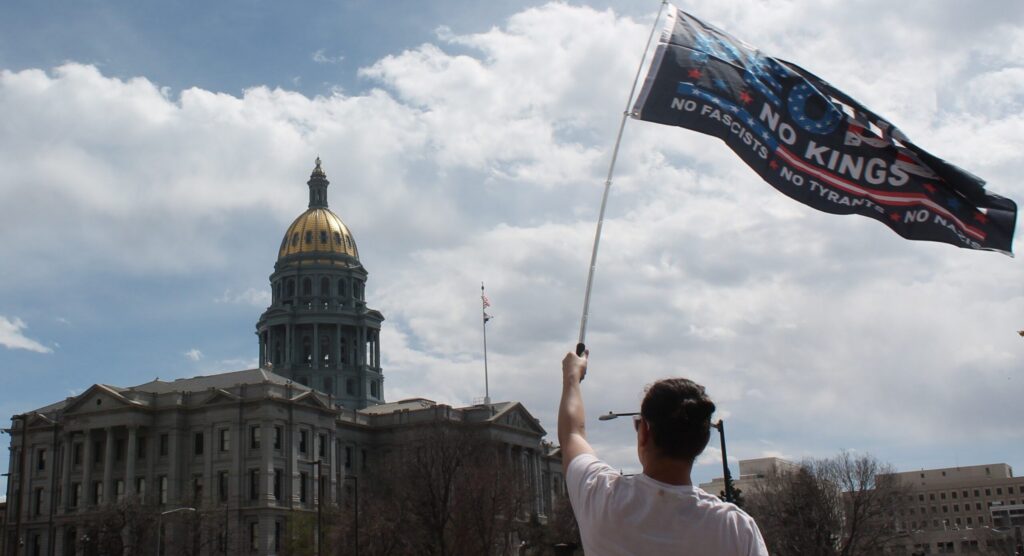
‘No Kings’ protest draws tens of thousands to Colorado state Capitol
Matt Kyle
matt.kyle@denvergazette.com
Updated 1 day ago
The third round of the national No Kings Day protests hit Denver Saturday, when tens of thousands gathered near the Colorado state Capitol to criticize the Trump administration. Organizers addressing the crowd estimated there were 30,000 present for the Saturday...
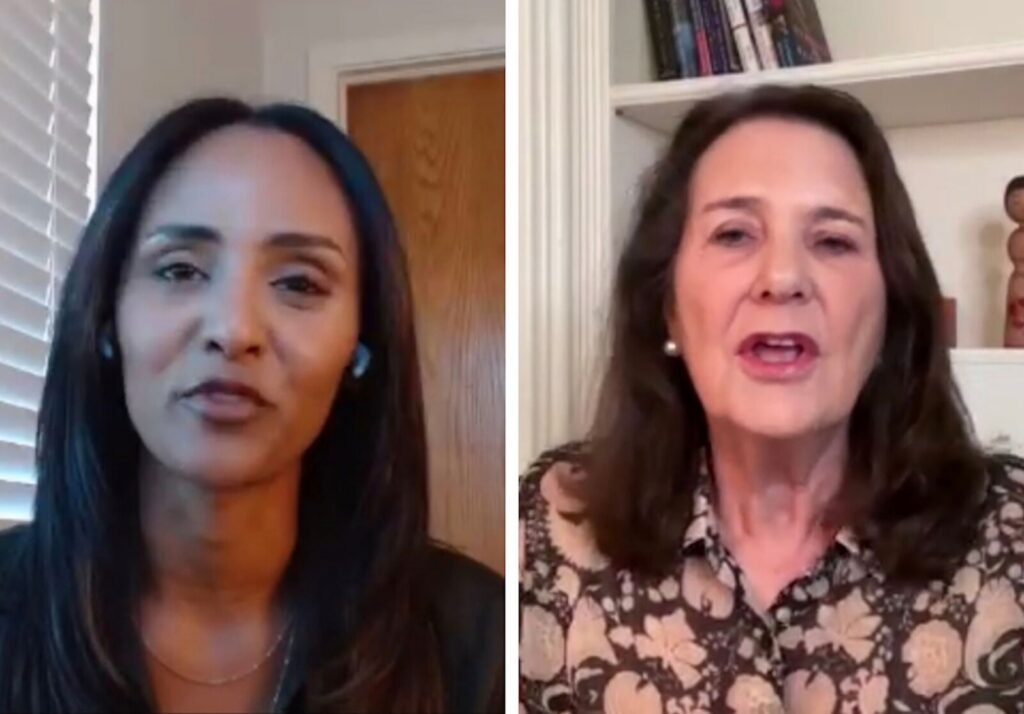
Denver Democrat Diana DeGette trails challenger Melat Kiros at assembly as both qualify for primary
Ernest Luning
ernest.luning@coloradopolitics.com
Updated 1 day ago
U.S. Rep Diana DeGette, a Denver Democrat, qualified for Colorado’s June primary by the skin of her teeth Friday at the party’s district assembly, where the 15-term incumbent received fewer than half as many delegate votes as her challenger, 28-year-old...
Kwame Spearman warrants plenty of criticism, not cancellation | SONDERMANN
By Eric Sondermann
by-eric-sondermann@coloradopolitics.com
Updated 3 days ago
All of us are flawed humans, some more so than others. This is the tale of Kwame Spearman who burst onto Denver’s business and political scene a handful of years back. His ride has taken a downhill trajectory. Within the...

Colorado Politics Calendar Mar. 30-Apr. 5
Rachael Wright, Special to Colorado Politics
rachael.wright@coloradopolitics.com
Updated 2 days ago
CoPo’s weekly political calendar will help you find political and public-policy events throughout Colorado. It includes candidate and issue campaign events, public policy meetings, court hearings, state and local party conventions, assemblies, debates, rallies, parades, speaking engagements, traveling dignitary appearances,...
Federal judge upholds constitutionality of Colorado campaign contribution limits
Michael Karlik
michael.karlik@coloradopolitics.com
Updated 2 days ago
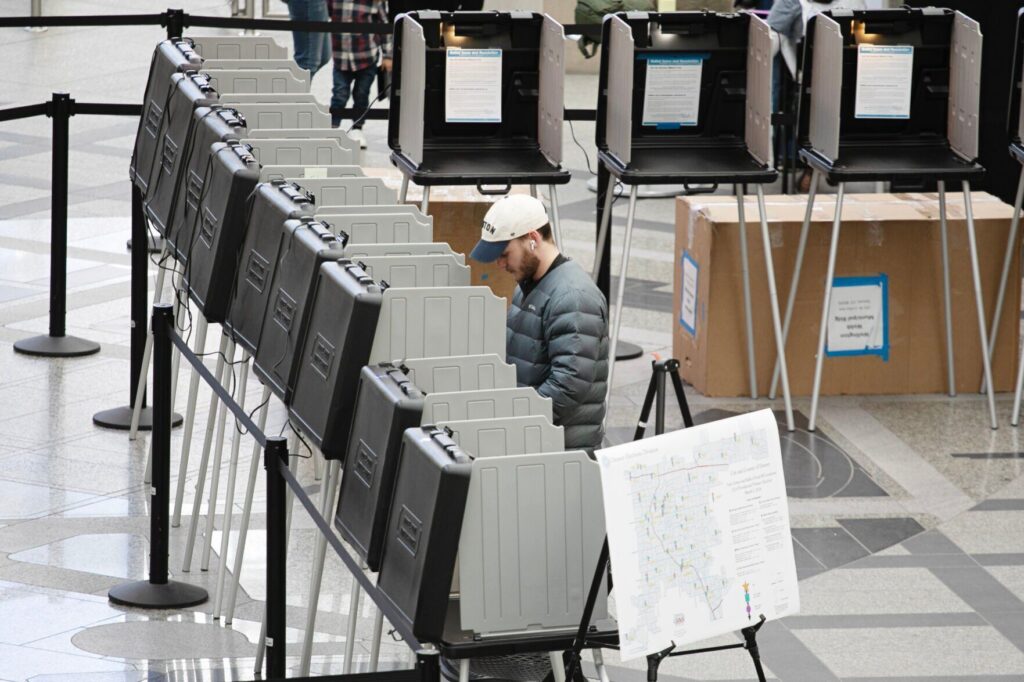
A federal judge upheld Colorado’s individual campaign contribution limits as constitutional on Thursday, finding that three Republican plaintiffs failed to prove the campaign finance framework violates their First Amendment rights. U.S. District Court Senior Judge John L. Kane recognized that...
Appeals court rejects theory that existing tax revenue undermines need for new fees
Michael Karlik
michael.karlik@coloradopolitics.com
Updated 2 days ago
Colorado’s second-highest court rejected a plaintiff’s claim on Thursday that the tax revenue generated by an existing activity should prevent local governments from imposing new fees aimed at regulating the activity. The question stemmed from Colorado’s unique constraints on taxation...
Colorado ski resorts announce early closures amid historic snowpack lows, high temperatures
Kyla Pearce
kyla.pearce@gazette.com
Updated 2 days ago
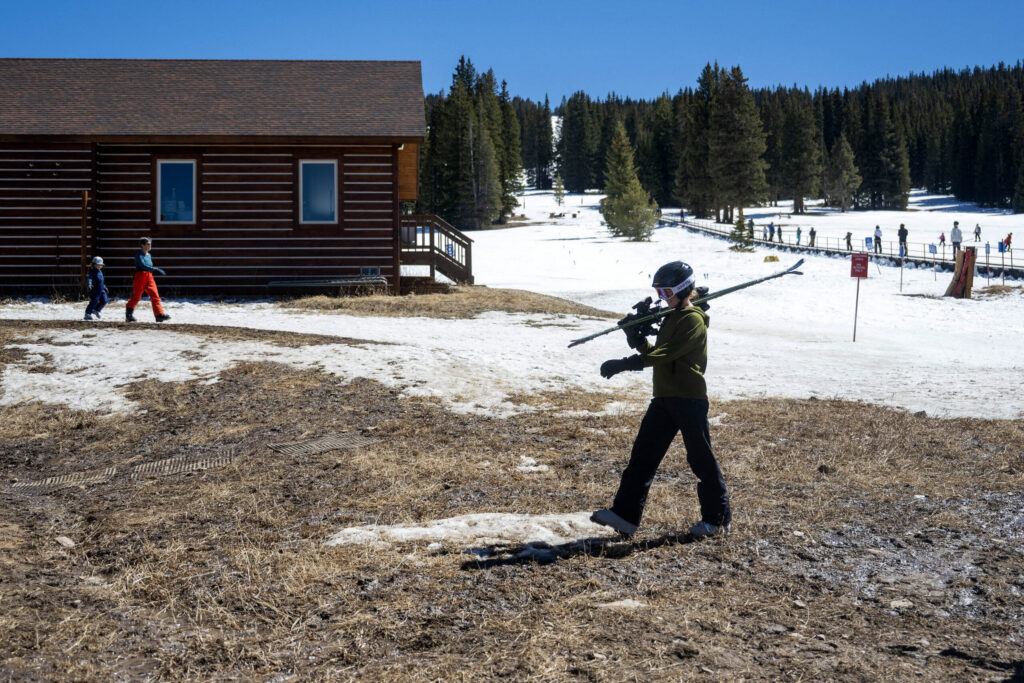
As Colorado’s historically low snowpack year comes to a close and spring conditions take over the mountains, the state’s major ski resorts are announcing closing dates — some of which are weeks before historic closing dates. Most of Colorado’s ski...
Marco Rubio’s star power rises at CPAC 2026
Mabinty Quarshie and Samantha-Jo Roth, Washington Examiner
mabinty.quarshie.and.samantha-jo.roth.washington.examiner@gazetteedit.wpenginepowered.com
Updated 2 days ago
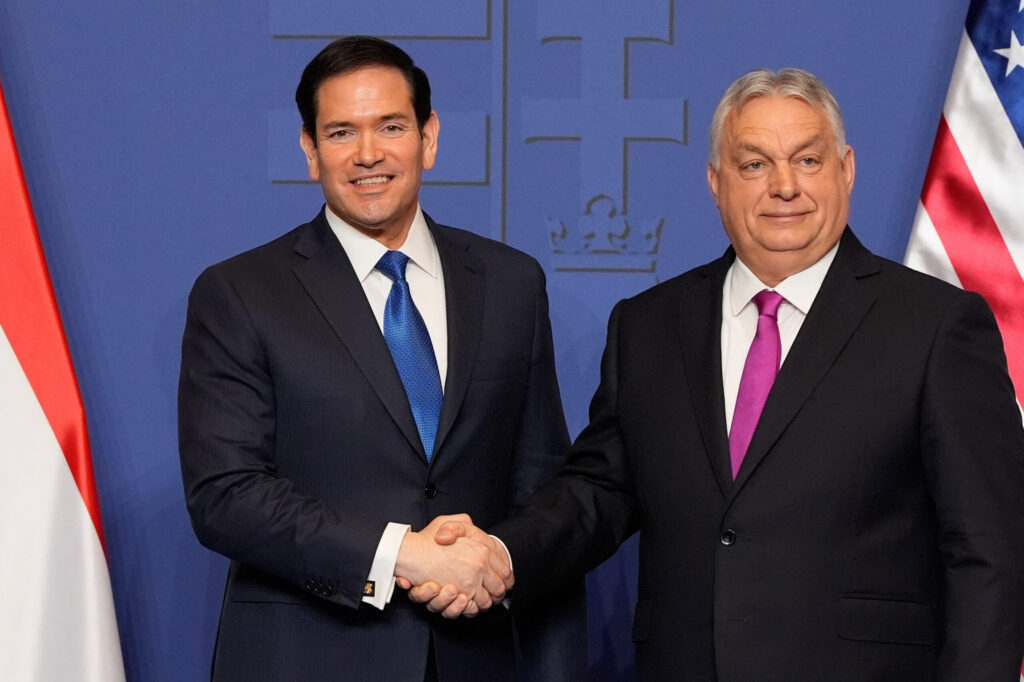
GRAPEVINE, Texas — Secretary of State Marco Rubio’s popularity is growing and could possibly boost him to one of the top two spots in the 2028 GOP presidential race, if attendees at the Conservative Political Action Conference are to be believed. ...