

Polis must sign HB-1094 for PBM accountability, lower Rx prices | OPINION

As the leader of a health advocacy organization, I’ve heard story after story from Coloradans struggling to afford the medications they need to live. Far too many Coloradans are choosing between filling a prescription and paying their bills, cutting pills in half to ration, and discontinuing treatment altogether, leading to severely worsening health outcomes. These stories aren’t rare, and are a symptom of a broken system.
We all know prescription drugs in the United States cost far more than they should. Though there are many factors at play in our drug supply chain that contribute to rising costs, Pharmacy Benefit Managers, or PBMs, are powerful industry players often overlooked for their part in driving up prices behind the scenes.
PBMs were originally created to negotiate lower drug prices for insurers and employers. But over time, they’ve evolved into influential middlemen who profit not when costs go down, but when they go up. The big PBMs leverage their linkage with insurance companies to require many drug manufacturers to give them discounts or partial refunds for every prescription they negotiate to be made available on the insurance company’s plan. The PBMs then pocket the savings. Patient co-pays and other out-of-pocket expenses are typically based on the pre-discount or pre-refund price. To the patient, it’s like the refunds or discounted prices never existed.
Fortunately, Colorado lawmakers are taking action and passed House Bill 1094. House Bill 1094 is a bipartisan effort to rein in PBMs’ most harmful practices and restore fairness and transparency to how prescription drugs are priced and reimbursed in our state. It’s a smart, measured response to a growing crisis, which is why it has support from doctors, pharmacists, patients and health advocates from across the state.
HB-1094 ends the practice of PBMs profiting from a percentage of the price of a drug — a model that incentivizes higher prices — and instead allows for a flat, transparent service fee. It would stop PBMs from designing formularies that prioritize more expensive brand-name drugs over cheaper generics, and ensure fair reimbursement to pharmacies, especially in rural communities where closures can leave patients stranded. The logic is simple — if PBMs only get paid when they reduce costs, they’ll actually start doing that.
In 2022, manufacturers paid PBMs $256 billion in rebates and fees. Today, more than half of every dollar spent on brand-name prescription drugs goes to PBMs, insurance companies and other entities that have nothing to do with research and developing new treatments. Some drug manufacturers report as much as 75% of the list price of their drugs goes to billion-dollar corporations instead of lowering costs or finding new cures. It’s no surprise some of the big PBMs are on Fortune’s top-100 companies list.
HB-1094 brings common sense and accountability to a part of the health care system left largely unregulated for too long. We need to make sure when patients go to the pharmacy, they’re getting a fair deal, not sticker shock. If we’re serious about lowering drug costs, we need to look at every link in the chain, and that includes PBMs that have operated in the shadows for too long. HB-1094 brings them into the light and puts patients first, and we urge Gov. Jared Polis to sign this critical legislation.
Jake Williams is chief executive of Healthier Colorado, a nonpartisan, nonprofit organization dedicated to raising the voices of Coloradans in the public policy process to improve the health of our state’s residents.

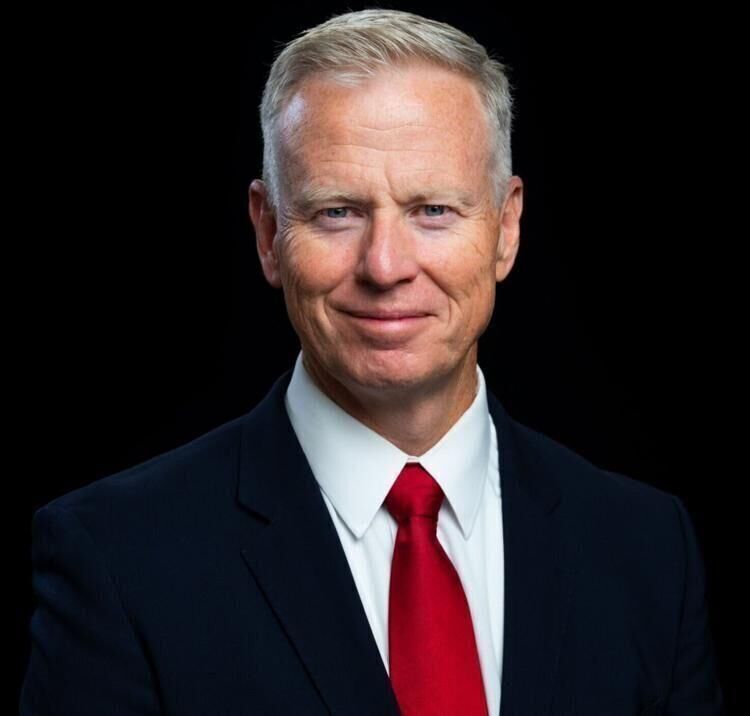
Crow’s stunt wasn’t seditious — but was dangerous | BRAUCHLER
George Brauchler
george-brauchler@gazette.com
Updated 9 hours ago
This Thanksgiving, when millions of military members sat down with their families to eat turkey, they likely discussed Crow. Colorado U.S. Rep. Jason Crow’s media lust led him to create an unprecedented video designed to instill doubt in our military...

Polis’ silence deafening on Peters’ prison transfer | WADHAMS
Dick Wadhams
dick-wadhams@coloradopolitics.com
Updated 9 hours ago
What is Gov. Jared Polis thinking? As President Donald Trump tries to bully Colorado into releasing convicted and imprisoned Tina Peters to federal custody, a silent Polis appears to have dived under his desk. The U.S. Bureau of Prisons has...

Trump’s menacing military moves wearing thin with voters | HUDSON
Miller Hudson
miller-hudson@coloradopolitics.com
Updated 9 hours ago
When I reported to my initial assignment following Naval Officer Candidate School, my commanding officer asked me somewhat jovially, “You know why the Navy sends me Ensigns don’t you Mr. Hudson?” Puzzled, I replied, “No, Sir.” Still grinning, he explained,...

Beef industry takes another blow with Nebraska plant closure | GABEL
Rachel Gabel
rachel-gabel@coloradopolitics.com
Updated 9 hours ago
Black Swan is apparently on the menu this holiday season for people across the cattle and beef value chains. Last week, Tyson announced the closure of a processing plant in Lexington, Nebraska. This plant processes about 5,000 head of cattle...

Gambling is better than polling in predicting elections | CALDARA
Jon Caldara
jon-caldara@coloradopolitics.com
Updated 3 days ago
You’ve heard the term, “click bait.” It’s those wonderful, tempting links all over websites like “The top-10 sexiest actors,” or “You’ll never believe what she looks like now.” For political junkies, our click bait is the latest poll numbers. We...
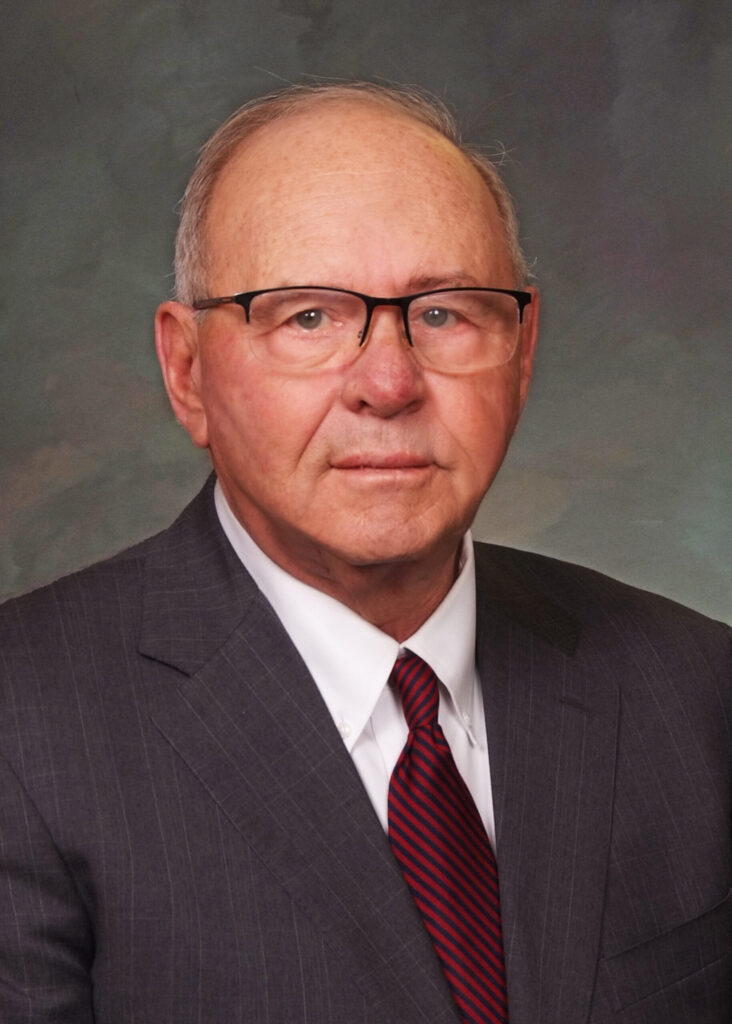
Rural Colorado health care receives the attention it deserves | PODIUM
Colorado Politics
colorado-politics@coloradopolitics.com
Updated 5 days ago
By Marc Catlin A $50 billion investment to fund rural health care was in jeopardy in mid-October, when members of the U.S. Senate attempted to strip out the Rural Health Transformation (RHT) program in exchange for opening the U.S. government....
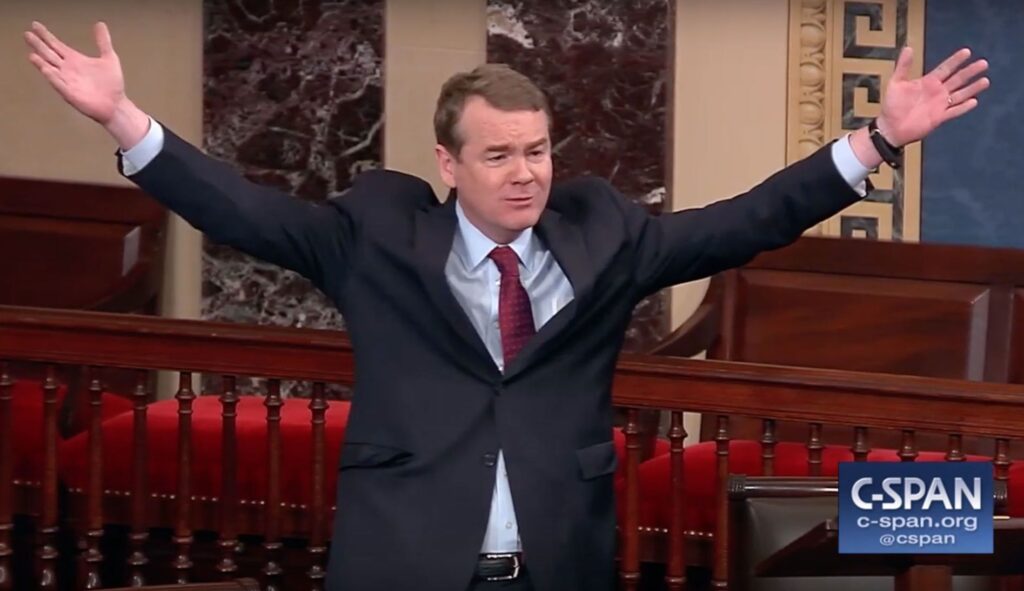
Colorado’s Michael Bennet rode outrage over last government shutdown to presidential bid | TRAIL MIX
Ernest Luning
ernest.luning@coloradopolitics.com
Updated 5 days ago
Only weeks after the longest federal government shutdown in U.S. history ended with congressional Democrats’ demands to restore health care funding previously cut by Republicans left dangling, the high-stakes standoff that dominated political news for 43 days has already receded...

Giving thanks for the long-overdue Epstein reckoning | NOONAN
Paula Noonan
paula-noonan@coloradopolitics.com
Updated 5 days ago
Thanksgiving is the best holiday. No gifts required. Just family and friends around a table enjoying each other’s company, expressing gratitude for the good things in their lives. Some good things arrived recently in the form of the Epstein emails....
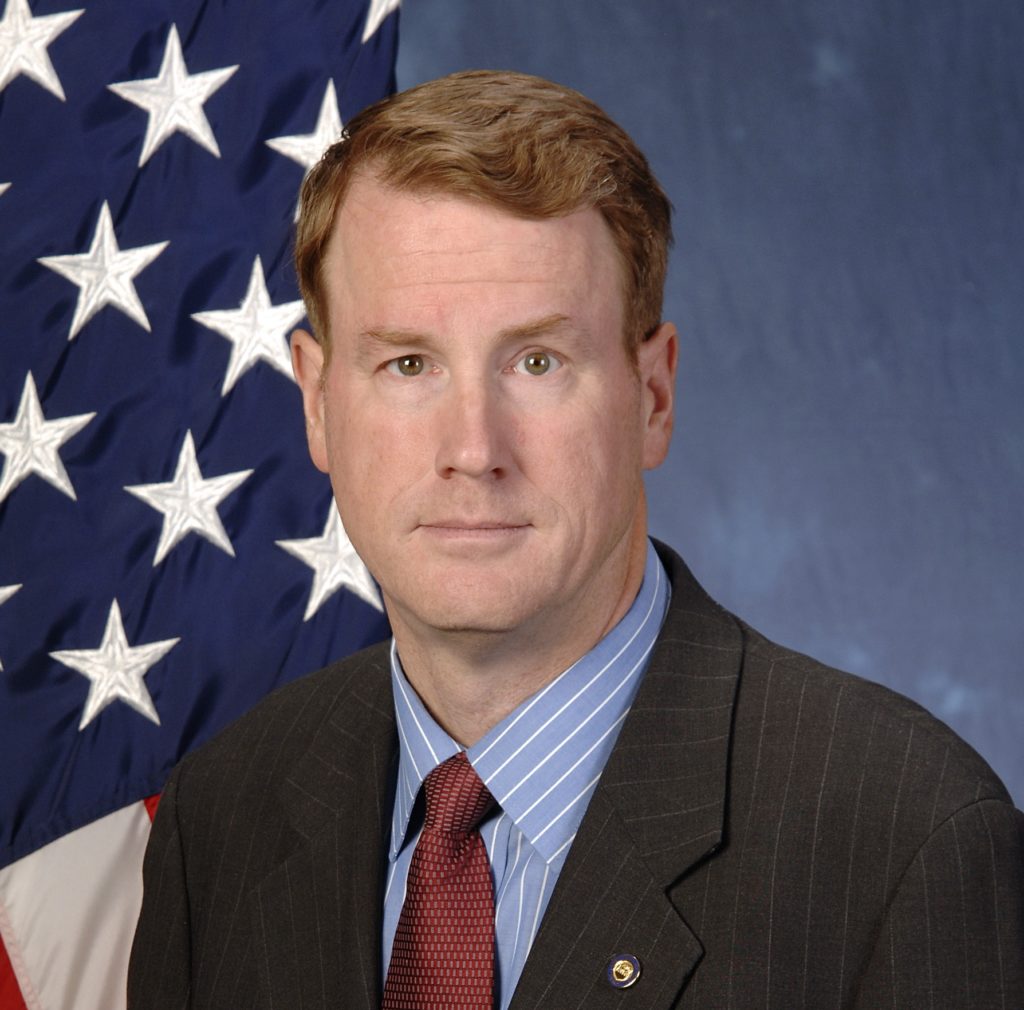
Illegal means illegal | BIDLACK
Hal Bidlack
hal-bidlack@coloradopolitics.com
Updated 7 days ago
Before I get to the core of today’s column, my outrage at a president calling for the execution of sitting members of Congress, I’d like to tell you a little bit about how we go about launching intercontinental ballistic missiles,...