

Denver rejects contract on license plate reader cameras over lack of privacy concerns
A resolution that would have added two years and $666,000 to an existing contract between the Denver Police Department and Flock Group, Inc. for cameras that read license plates has failed.
The unanimous decision by the Denver City Council came Monday afternoon after weeks of public outcry over concerns surrounding information sharing and possible use of data from the automated license plate readers, or ALPRs, for mass surveillance and to target illegal immigrants.
Mayor Mike Johnston asked council members to reject the contract until the city can address the concerns.
The city’s current ALPR pilot program will remain in place.
This is the first time the contract has come before the council for a vote, as the contract’s $500,000 price tag exceeds the city’s threshold.
One of Mayor Johnston’s Safe City goals has been to prioritize resources such as ALPRs to help reduce auto theft and generate investigative leads in other serious crimes, including homicides, shootings and instances of hit-and-run.
Since May 2024, the city has had more than 100 solar-powered Flock ALPR cameras positioned at 70 locations around the metro area.
The cameras have photographed more than 2 million vehicles in the last 30 days, according to a transparency portal built by Flock for the Denver Police Department, with 82,052 matching a “hotlist” entered into the system.
“While this tool is helpful for the Denver police to investigate kidnappings, stolen cars and other crimes, it is not worth the huge risk for immigrants – and the rest of us – living in Denver,” said Roxanne Rhodes, a retired Denver Public Schools teacher who is concerned with the federal government data mining through illegal hacking and forcing government entities and private companies like Flock to open their databases to ICE, regardless of any contract protections.
At-large Councilmember Sarah Parady said that “unless we think governments and large tech companies are 100% trustworthy all the time, mass surveillance is very concerning.”
Parody pointed to ALPR use in Boulder as a cautionary tale for how data may be shared.
She said shortly after the U.S. Supreme Court overturned the historic abortion rights case Roe v Wade, a jurisdiction in Texas requested full access to Boulder’s license plate readers, “and we know exactly why they did that.”
“I know some hit and run cases that were resolved, and I think most prominently in the news last year, the $12 million High Park jewelry burglary was solved as a direct result of this system,” said District 2 Councilmember Kevin Flynn. “So we know that it can help solve crime. But in light of some changes since the pilot began, not that there weren’t concerns about surveillance before that, but I think since maybe Jan. 20 of this year, those concerns are greatly heightened and have a new have a new reality about them.”
The contract may be considered for return to the City Council after review by a dedicated task force to address privacy and oversight concerns.


Colorado Supreme Court signals intervention in dispute over treatment for trans children
Michael Karlik
michael.karlik@coloradopolitics.com
Updated 7 hours ago
The Colorado Supreme Court ordered Children’s Hospital Colorado on Tuesday to explain why it should not direct the organization to resume providing certain types of services to transgender children in compliance with the state’s non-discrimination law. Last month, a Denver...

Trump faces first domestic test on Iran conflict with Senate war powers vote
Ramsey Touchberry, Washington Examiner
ramsey.touchberry.washington.examiner@gazetteedit.wpenginepowered.com
Updated 8 hours ago
Administration officials are scrambling to sell members of Congress on President Donald Trump’s military operations in Iran ahead of bipartisan attempts to limit his war powers in the Middle East without approval from lawmakers. The Senate and House are set...
Supreme Court hands California parents win over secret gender transition policy
Jack Birle, Washington Examiner
jack.birle.washington.examiner@gazetteedit.wpenginepowered.com
Updated 8 hours ago
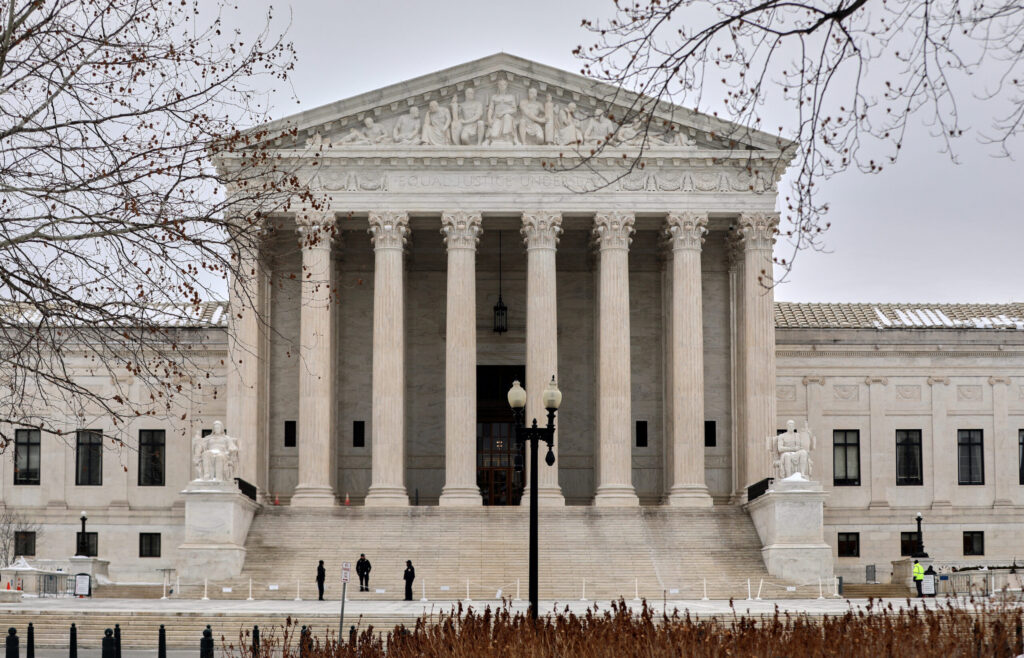
The Supreme Court gave California parents a significant victory late Monday when it kept in place a lower court’s block of the Golden State’s public school policy hiding students’ gender identity and preferred pronouns from parents. A 6-3 majority on...

Judge nixes latest policy requiring 7 days’ notice for Congress members to visit ICE facilities
Michael Kunzelman
michael.kunzelman@associatedpress.com
Updated 6 hours ago
WASHINGTON • A federal judge agreed on Monday to temporarily suspend the latest version of a Trump administration policy that requires members of Congress to provide a week’s notice before they can visit immigration detention facilities. U.S. District Judge Jia...
Judge nixes latest policy requiring 7 days’ notice for Congress members to visit ICE facilities
Michael Kunzelman
michael.kunzelman@associatedpress.com
Updated 8 hours ago
WASHINGTON (AP) — A federal judge agreed on Monday to temporarily suspend the latest version of a Trump administration policy that requires members of Congress to provide a week’s notice before they can visit immigration detention facilities. U.S. District Judge...

Gov. Polis, Upper Basin states criticize federal draft plan for managing the Colorado River
Marianne Goodland
marianne.goodland@coloradopolitics.com
Updated 9 hours ago
With no agreement among the seven Colorado River states and federal deadlines now passed, the Upper Colorado River Commission on Monday sharply criticized the U.S. Department of the Interior’s draft plan for managing the river after current guidelines expire this...
Ballot access, dual-office ban bills move swiftly through Colorado legislature
Marianne Goodland
marianne.goodland@coloradopolitics.com
Updated 9 hours ago
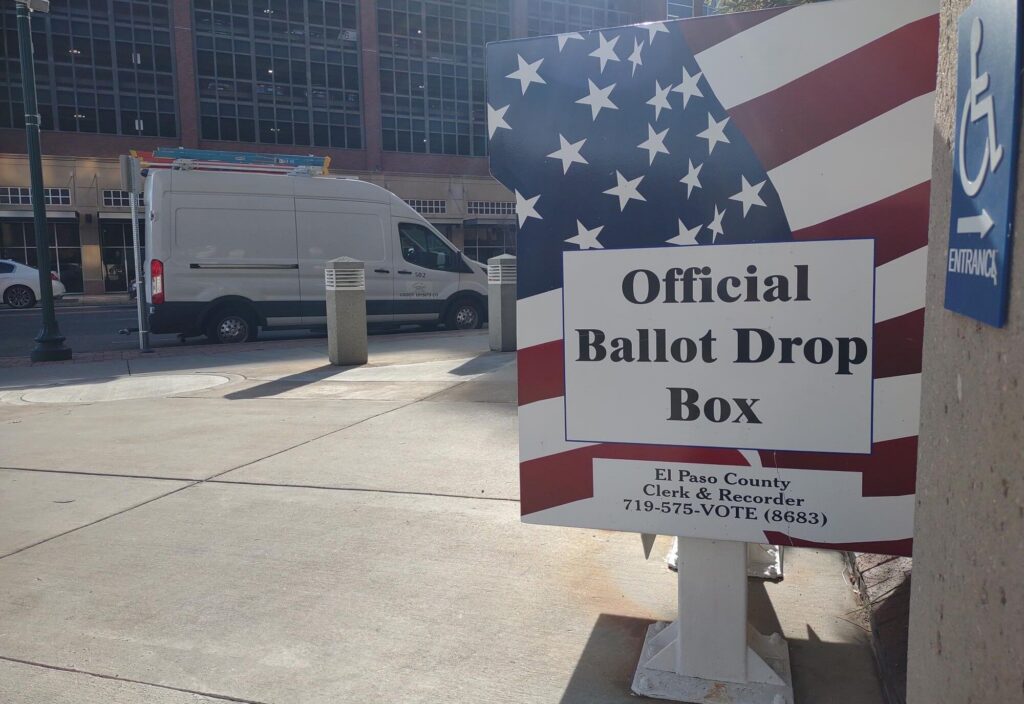
With an eye on the 2026 election cycle and mounting tensions with the Trump administration, Colorado lawmakers are fast-tracking a pair of election bills they say will protect the state’s mail ballot system and tighten rules for elected officials. The...

Colorado GOP chair Brita Horn loses ‘no-confidence’ vote, vows to refocus on ‘mending that divide’
Ernest Luning
ernest.luning@coloradopolitics.com
Updated 4 hours ago
The Colorado Republican Party’s state central committee approved a resolution expressing “no confidence” in state chair Brita Horn in a landslide late Monday night near the end of an online meeting marked by rancor and confusion. Almost 80% of the...

Trump to attend White House Correspondents’ Dinner for first time as president
Washington Examiner Staff, Washington Examiner
washington.examiner.staff.washington.examiner@gazetteedit.wpenginepowered.com
Updated 12 hours ago
President Donald Trump announced on Monday that he accepted an invitation to this year’s White House Correspondents’ Dinner. It would mark the first time Trump has attended the dinner, in either term, since he’s been president. Trump announced the decision...

Noem blames ‘violent protesters’ for Minneapolis chaos under tough questioning in Senate hearing
Rebecca Santana
rebecca.santana@associatedpress.com
Updated 12 hours ago
WASHINGTON (AP) — Homeland Security Secretary Kristi Noem testified in the Senate on Tuesday in her first congressional appearance since the shooting deaths of two protesters in Minneapolis galvanized widespread opposition to how the Trump administration was executing its mass...