

Bill to require CBI employees to report wrongful actions heads to Colorado governor
Employees at the Colorado Bureau of Investigation who observe misconduct and don’t report it could be in for problems of their own under a bill now heading to the governor’s desk.
House Bill 1275 creates “a duty to report” wrongful actions committed by crime lab employees. It also requires the crime lab director to investigate those actions, and creates a process for individuals to seek post-conviction relief if their case is impacted.
The bill is yet another outgrowth of the misconduct allegations tied to Yvonne Woods, a nearly 30-year employee of the CBI accused of deleting data and manipulating DNA evidence in more than 1,000 instances.
Those errors are estimated to have cost CBI more than $11 million. Woods has been indicated on 102 felony charges.
Meanwhile, the conviction of a man in Boulder County was vacated after a retest of evidence by an independent lab in Virginia revealed different results and that he could be, in fact, “statistically excluded.” The man had been arrested and convicted years after a 1994 murder in large part on the strength of a DNA analysis by Woods.
HB 1275 is retrospective; it deals with problems that took place as far back as 2014, requiring CBI to issue a report by Sept. 1 on investigations “concerning wrongful actions that brought criminal allegations against an employee.”
The bill also comes with a cost of more than $400,000 in general funds, but those dollars were approved by both the House and Senate appropriations committees on nearly unanimous votes. It also won unanimous votes in both the House and Senate judiciary committees.
In a statement on Wednesday, Rep. Matt Soper, R-Delta, one of the bipartisan sponsors of HB 1275, said Coloradans “deserve confidence in the evidence used to prosecute crimes. When a state crime lab employee compromises that evidence, it calls the entire system into question.”
The bill will help to restore faith in state institutions by creating a clear process for notification and review, and it adds transparency, he said.
“It is unfair to victims, defendants, prosecutors, and the general public when evidence is tampered with, causing doubt to be placed in the results of our criminal justice system,” Soper said.
In a year when unanimous votes had been rare, HB 1275 won unanimous approval in both chambers.

It’s time to let unaffiliated voters caucus | Vince Bzdek
Vince Bzdek
vince.bzdek@gazette.com
Updated 2 days ago
There’s no getting around it: Colorado’s 3,000 county caucuses, which just wrapped up recently, left half the electorate out in the cold. Since unaffiliated voters now make up 51% of all Colorado voters, a majority of Colorado electors are barred...

With new medical school set to open, Feinstein will step down as UNC president
Hap Fry, Special to The Gazette
hap-fry@gazette.com
Updated 18 hours ago
GREELEY • Dr. Andrew “Andy” Feinstein, the charismatic president of the University of Northern Colorado, has announced that he will step down from his leadership role just on the cusp of what is perhaps his signature accomplishment being realized. He’ll...
Governor warns energy development both a boon and a risk to Colorado | A LOOK BACK
Rachael Wright, Special to Colorado Politics
rachael.wright@coloradopolitics.com
Updated 5 days ago
Forty-Five Years Ago This Week: “The real opportunity and the dangers before us are both real,” said Gov. Dick Lamm in his January state of the state address before the Colorado General Assembly. Lamm argued that energy development would continue...
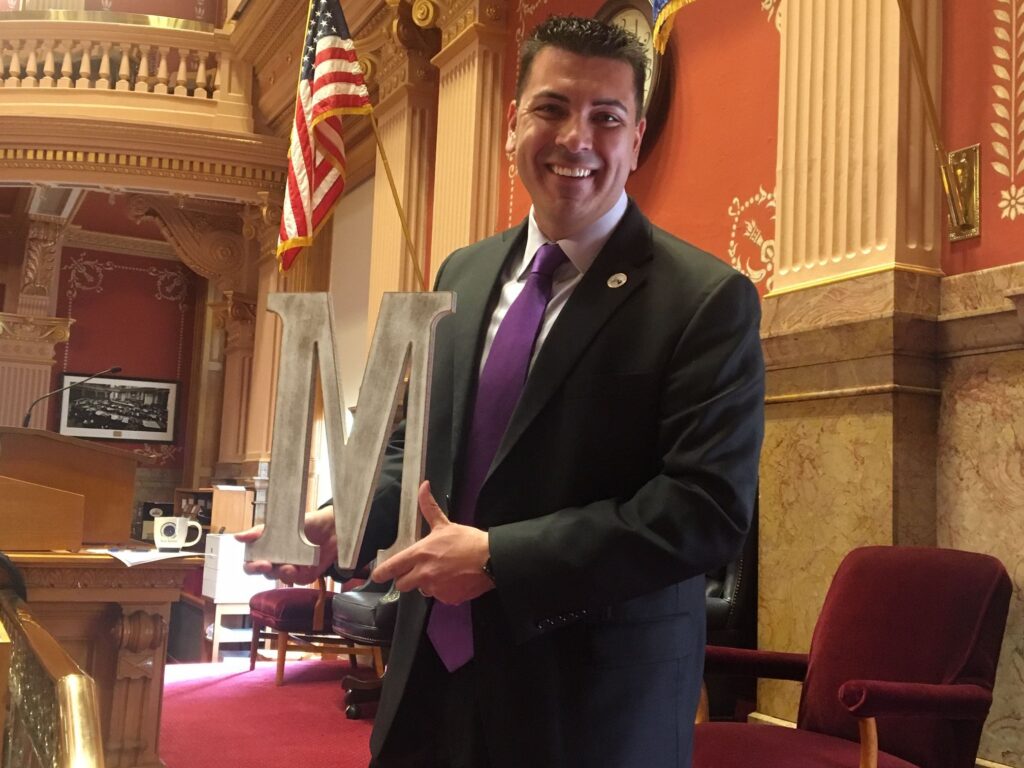
A Mile High, again: Capitol M | Week of March 21, 2026
Marianne Goodland
marianne.goodland@coloradopolitics.com
Updated 5 days ago
The lighter side of the Capitol, usually…. Local Journalism Day, except they forgot their very own local journalists. The state Senate on Thursday, March 19, passed a resolution recognizing Local Journalism Day. Everyone voted for it, which is good, because...
Colorado Politics Calendar Mar. 23-29
Rachael Wright, Special to Colorado Politics
rachael.wright@coloradopolitics.com
Updated 4 days ago
CoPo’s weekly political calendar will help you find political and public-policy events throughout Colorado. It includes candidate and issue campaign events, public policy meetings, court hearings, state and local party conventions, assemblies, debates, rallies, parades, speaking engagements, traveling dignitary appearances,...

The insular bubble of caucuses and assemblies | SONDERMANN
Eric Sondermann
eric-sondermann@coloradopolitics.com
Updated 4 days ago
Nearly 30 years ago, then-Federal Reserve Chairman Alan Greenspan coined the term “irrational exuberance” to describe the overheated stock market. That descriptive phrase could also apply to much of the political realm. The hype in politics often grossly exceeds the...

Lauren Boebert’s hard ‘no’ on Pentagon Iran funding request puts Mike Johnson in tough spot
Emily Hallas, Washington Examiner
emily.hallas.washington.examiner@gazetteedit.wpenginepowered.com
Updated 3 days ago
Colorado U.S. Rep. Lauren Boebert announced on Thursday that she will not support further funding for the United States’s war in Iran, marking an uphill battle for the Trump administration’s effort to secure additional financing from Congress. “I’ve already told...
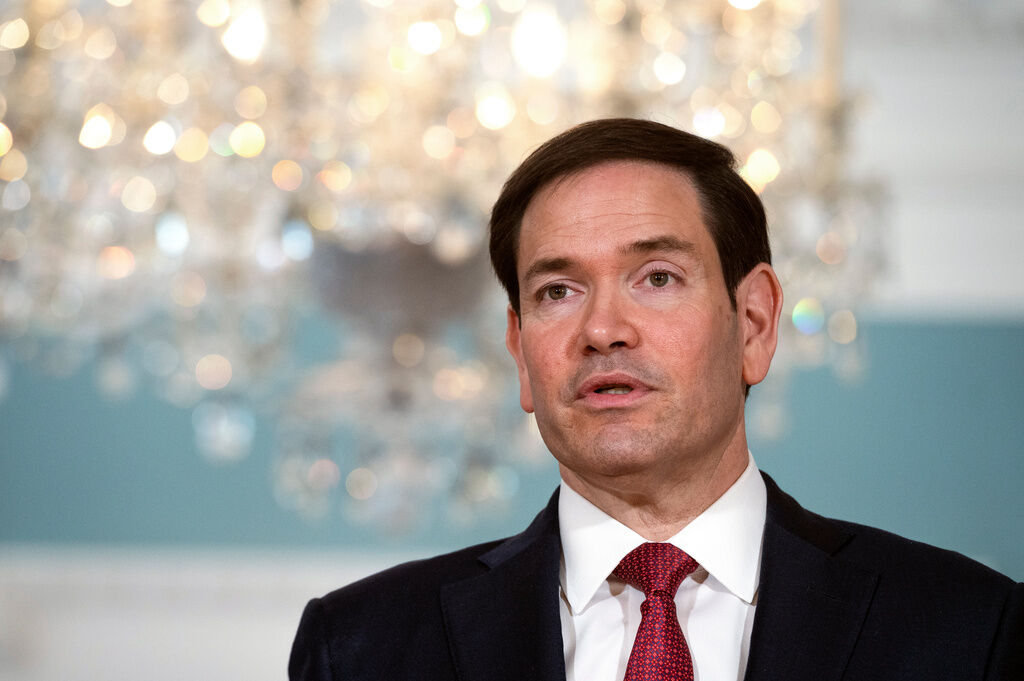
Rubio gains ground in 2028 jockeying as Iran war elevates his profile
Samantha-Jo Roth, Washington Examiner
samantha-jo.roth.washington.examiner@gazetteedit.wpenginepowered.com
Updated 3 days ago
Secretary of State Marco Rubio’s high-profile role in the Trump administration’s response to the Iran war is boosting his standing in the early jockeying for the 2028 Republican presidential nomination — and positioning him as a possible rival to Vice...
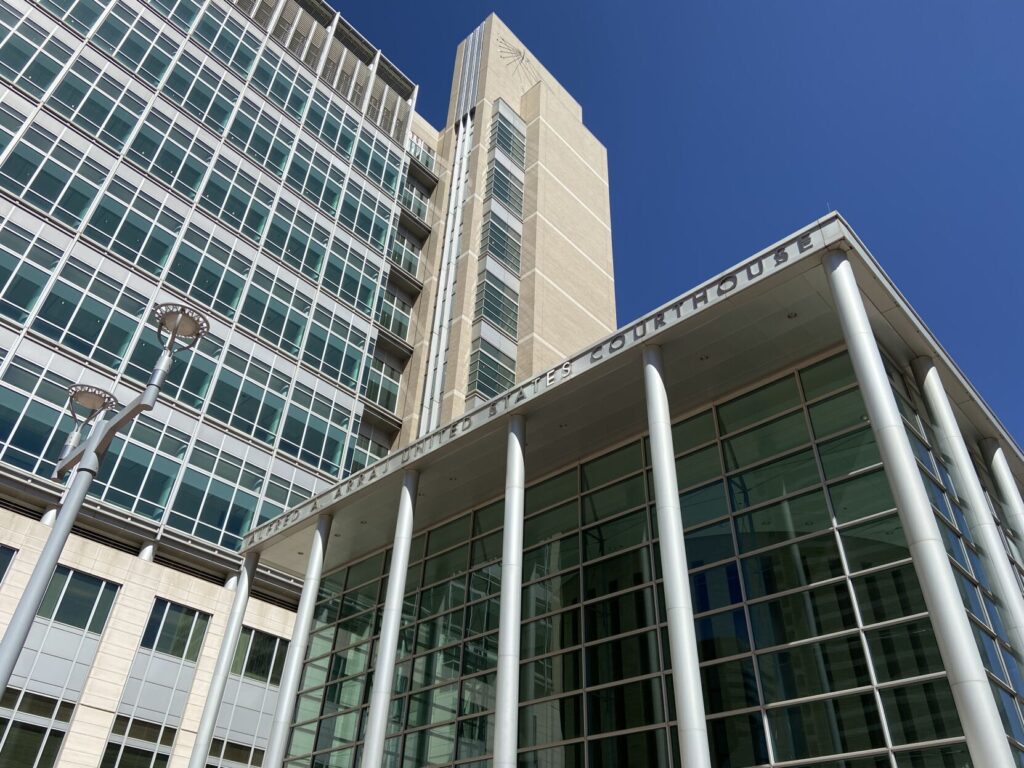
Federal judge dismisses claims against medical contractor for Eagle County jail suicide
Michael Karlik
michael.karlik@coloradopolitics.com
Updated 3 days ago
A federal judge dismissed the claims against a medical contractor for the Eagle County jail and its employees earlier this month, concluding there were insufficient allegations that they violated the constitutional rights of a man who died by suicide in...
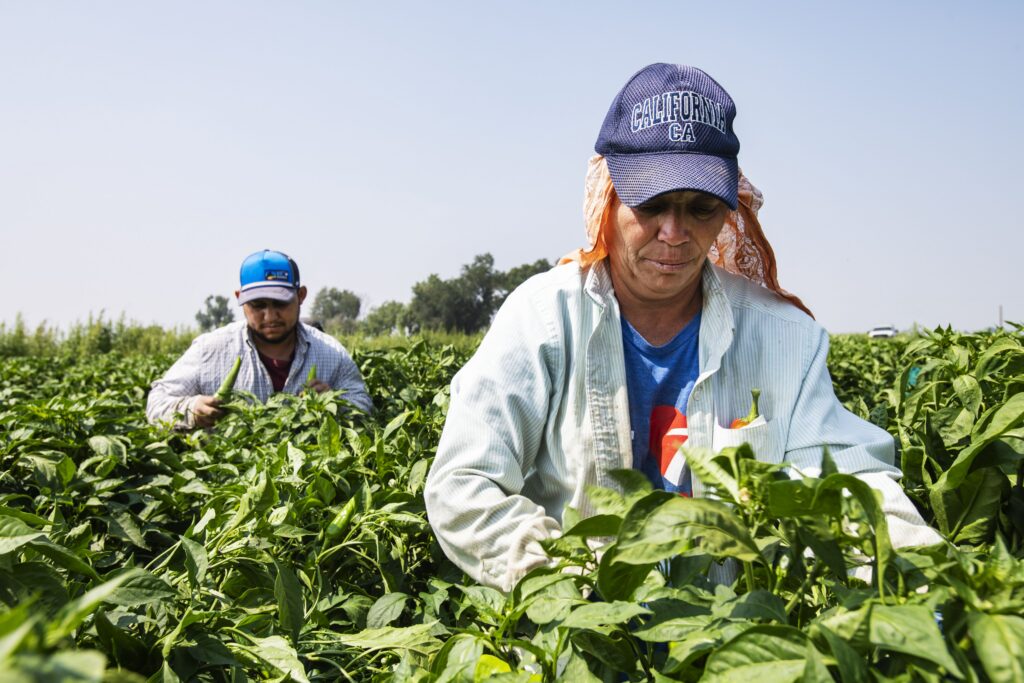
Colorado Senate committee advances bill increasing overtime threshold for farmworkers
Marianne Goodland
marianne.goodland@coloradopolitics.com
Updated 2 days ago
The struggle to balance farmworker protections with the survival of Colorado’s family farms took center stage Thursday as senators debated two competing overtime bills. The Senate Business, Labor and Technology Committee held a rare double-bill hearing that led to a...