

Nightclub raid puts spotlight anew on Colorado’s illegal immigration woes
Supporters of a tougher approach to enforcement pointed to the anti-narcotics raid at a nightclub in Colorado’s second biggest city as yet another confirmation that criminal elements have embedded themselves among the tens of thousands of immigrants who arrived in the state over the past two years — attracted, they argued, by local “sanctuary policies.”
Federal law enforcement officials said they detained more than 100 people unlawfully living in the country during the raid at an “underground” Colorado Springs nightclub early on Sunday morning. The Drug Enforcement Administration said officers also seized cocaine and guns during the operation.
In a post on X, U.S. Attorney General Pam Bondi, linked the raid to organized crime, saying the club is frequented by members of the Venezuelan prison gang Tren de Aragua and the international gang MS-13.
It’s the second major raid of a nightclub in Colorado. In January, the U.S. Drug Enforcement Administration’s Rocky Mountain Field Division also executed a search warrant in the wee hours at a “makeshift nightclub” in Adams County. Agents detained 49 individuals. Of those, 41 were unlawfully residing in the country, officials have said. Media reports said no criminal charges were filed against the people arrested.
Anti-narcotics and immigration agents have arrested scores of people in subsequent operations.
Typically, illegal immigration directly affects border states like Texas and California. However, interior cities, such as Denver, began experiencing an influx two years ago. The city saw nearly 43,000 immigrants, mostly from South and Central America, arrive after illegally crossing America’s southern border. Bus, plane and train tickets city officials purchased to send immigrants on to their final destination suggest about half have stayed in Colorado.
Some blamed Colorado “sanctuary policies” for the situation, while the Johnston administration in Denver argued it was compelled to provide humanitarian help, given that the many of the immigrants arrived in the middle of winter, and lamented that the city was forced to confront a problem that the U.S. Congress has failed to solve.
“Immigration brings in a criminal element,” retired U.S. Immigration and Customs Enforcement field office director John Fabbricatore told The Denver Gazette.
“Because of illegal immigration,” he said, “we get more drug trafficking, more cartel involvement, more gang activity, more foreign born terrorist organizations operating inside the United States.”
“It’s easier for them to do so, especially in sanctuary states like Colorado,” he added.
Aurora Councilmember Danielle Jurinsky, who also blamed the policies in Colorado and Denver for the criminal activities, said the raid in Colorado Springs confirmed what she has long argued.
“There are criminal elements we see in every one of these raids,” Jurinsky said.
“It just continues to confirm what I have said from Day One — that they are here in mass numbers,” Jurinsky said. “They have come with a lot of guns. They have robbed a lot of gun stores on their way. They have a lot of drugs that they have come across the border with, and they are running huge sex rings.”
Referring to reports that both MS-13 and TdA members frequented the nightclub in Colorado Springs, Jurinsky added, “That makes it even more scary to me that these two powerhouse transnational gangs are potentially teaming up.”
Jurinsky said she believes the metro Denver region has become TdA’s “ground zero.”
Originally, a prison gang that started in Tocorón Penitentiary Center in Aragua, a state in north-central Venezuela, TdA has expanded the footprint of its criminal enterprises into at least eight Latin American countries, including Brazil, Colombia and Chile. The organization has an estimated 3,000 to 5,000 members, according to Ronna Rísquez, a Venezuelan investigative journalist.
It’s unclear when TdA was first discovered in the United States, but it is believed that gang members embedded themselves with immigrants fleeing the political and economic collapse in Venezuela. Nearly eight million Venezuelans have already fled their country under President Nicolás Maduro’s oppressive regime, with more than 500,000 estimated to be living in the U.S.
Local police have arrested several alleged members on a variety of charges, including an armed home invasion in Aurora, in which a Venezuelan couple was bound, pistol-whipped, and tortured.
Last month, the Trump administration invoked the Aliens Enemies Act and ordered the arrest of TdA members, declaring that the gang — which took over at least two apartment complexes in Aurora, Colorado — is “perpetrating, attempting, and threatening an invasion or predatory incursion against the territory of the United States.”
Douglas County Sheriff Darren Weekly insisted local authorities are limited in their ability to work with federal immigration agents because of state policy.
“Colorado, without question, has been a hub for illegal immigration due to the sanctuary policies of the city of Denver in conjunction with radical legislation (including this session), from the State Capitol afforming Colorado’s sanctuary status,” Weekly told The Denver Gazette after hearing the news in Colorado Springs.
Weekly said his office assisted DEA agents in a “support role” during the massive raid operation.
“This was a criminal investigation for drugs and guns,” he said.
Douglas County filed a lawsuit targeting a Colorado law that restricts the ability of state and local governments from making agreements with federal immigration officials over the detention of immigrants who are unlawfully staying in the country, as well as another statute that blocks local law enforcers from arresting or detaining an immigrant solely on the basis of a federal immigration detainer. Denver district courts dismissed the lawsuit, which the county has appealed.
Fabbricatore, the retired ICE field office Director, warned criminals who are in Colorado.
“Federal law enforcement is cooperating with each other and they will hunt you down,” he said. “They are going to work together safely, put together operations plans and make sure that our communities are kept safe.”
Denver Gazette reporter Nicole Brambila contributed to this report.


Can deliberation save democracy? | Vince Bzdek
Vince Bzdek
vince.bzdek@gazette.com
Updated 9 hours ago
In September 2019, 523 Americans traveled to Dallas for an experiment called “America in One Room.” The gathering was designed to test a theory: Could representative citizens deliberate productively even in an era of intense polarization? The event took place...

Colorado health equity funder’s redirection debated
DEBBIE KELLEY
debbie-kelley@coloradopolitics.com
Updated 1 day ago
A redirection in grantmaking that began two years ago for The Colorado Trust, a 40-year-old Denver-headquartered funder, has led some employees to now voice concerns, which has reportedly put their jobs in jeopardy. The vice president of communications for the...
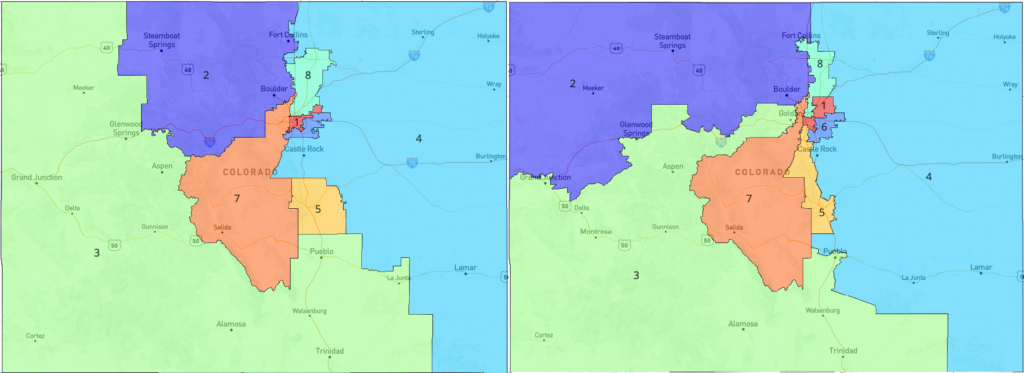
Redistricting scheme would give Colorado Democrats seven House members, split El Paso County | Bob Loevy
Bob Loevy
bob-loevy@coloradopolitics.com
Updated 5 hours ago
A proposed redistricting plan, which could give Colorado seven Democratic members of the U.S. House of Representatives and only one Republican, would split El Paso County into two parts and thereby weaken the county’s influence in Congress. El Paso County,...

Is Trump a builder or just a latter-day headhunter? | SONDERMANN
By Eric Sondermann
by-eric-sondermann@coloradopolitics.com
Updated 3 days ago
It was well under 100 hours after President Donald Trump’s overly long, overly theatrical State of the Union speech that he unleashed American bombers across Iran. As I write, it is now less than 100 hours since those bombers started...

LDS activist excommunicated from the church speaks out on women’s rights across Colorado | A LOOK BACK
Rachael Wright, Special to Colorado Politics
rachael.wright@coloradopolitics.com
Updated 3 days ago
Forty-Five Years Ago This Week: “Women must demand — now and if necessary at the peril of our lives — that we be granted civil rights in the same way rich white men in this country were granted them: constitutional...

Democrats eye new taxes on alcohol, marijuana to fund Colorado mental health spending
Marissa Ventrelli
marissa.ventrelli@coloradopolitics.com
Updated 2 days ago
Facing a more than $1 billion budget shortfall, Colorado lawmakers are searching for ways to fund mental health services in a state that consistently ranks among the worst in the nation for mental health outcomes. Several proposals this session aim...

Hopes and fears: Colorado Iranians speak out on widening war
Mark Samuelson Special to The Denver Gazette
mark.samuelson@denvergazette.com
Updated 6 hours ago
Group talks about young people protesting against the Islamic Republic, and Reza Pahlavi and the monarchy When Denver area real estate agent Fara Novin dined out for her birthday Friday night, Feb. 27, she blew out a candle on a...
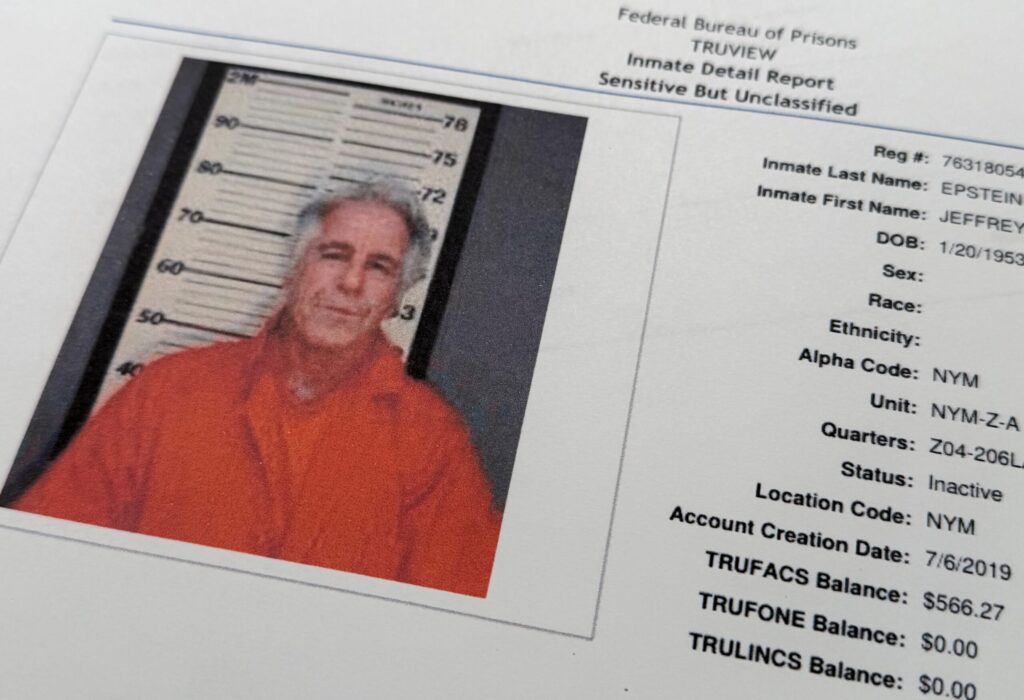
DOJ publishes more Epstein documents mentioning Trump after initial omission
Rena Rowe, Washington Examiner
rena.rowe.washington.examiner@gazetteedit.wpenginepowered.com
Updated 2 days ago
The Justice Department released additional Epstein files on Thursday, including uncorroborated accusations from a woman claiming she was sexually assaulted by President Donald Trump. Last week, Rep. Robert Garcia (D-CA), the top Democrat on the House Oversight and Government Reform...
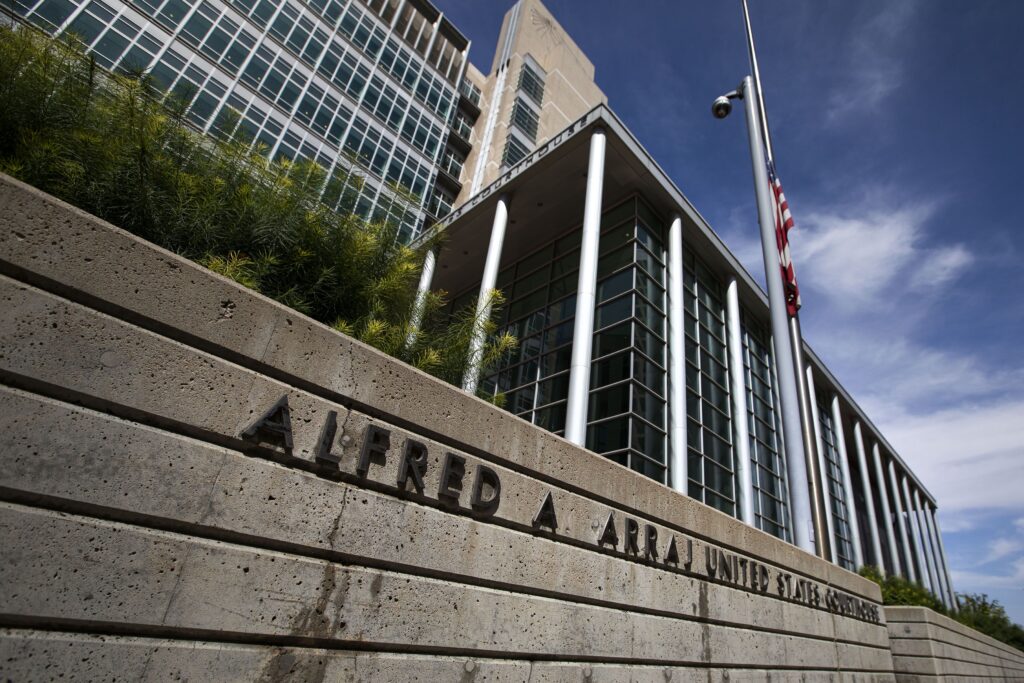
Federal judge dismisses developer’s challenge to Denver affordable housing ordinances
Michael Karlik
michael.karlik@coloradopolitics.com
Updated 1 day ago
A federal judge dismissed a homebuilder’s constitutional challenge on Tuesday to a pair of Denver ordinances that impose obligations on developers related to the affordable housing demands created by new construction. Two related companies, redT Homes and redT Capital Partners,...
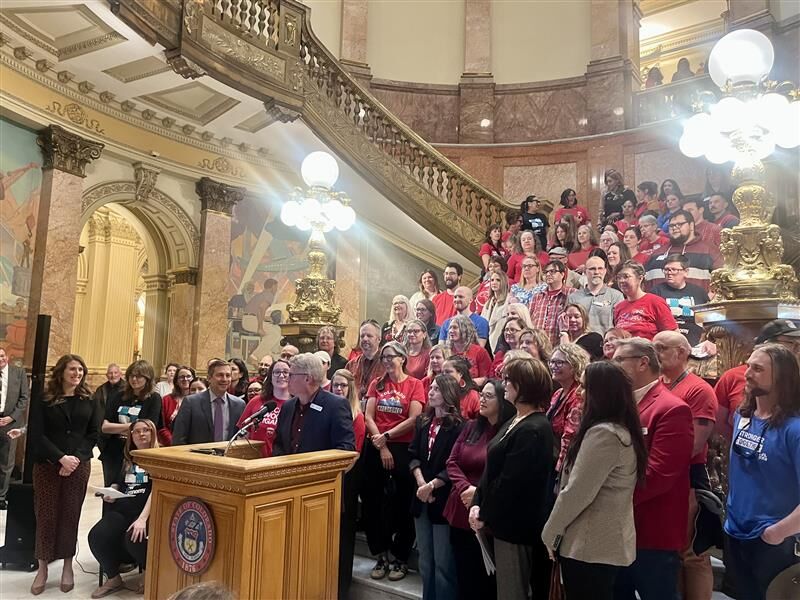
Another TABOR fight: Democrats plan to redirect residents’ refunds to K-12 spending
Marianne Goodland
marianne.goodland@coloradopolitics.com
Updated 16 hours ago
Colorado voters could decide this fall whether billions of dollars that would otherwise be returned as refunds under the Taxpayer’s Bill of Rights should instead go to public schools under a ballot measure unveiled Thursday by Democrats. Supporters say the...