

Colorado Energy Office issues $17 million in geothermal grants
The Colorado Energy Office announced $14.4 million in new funding awards this month to further support geothermal heating projects across Colorado.
The grants promote Gov. Jared Polis’ “Heat Beneath Our Feet” program to exploit geothermal energy to reduce greenhouse gas emissions. The program began with $12 million in grants authorized by the General Assembly in 2022 by House Bill 22-1381.
State policymakers have begun to seriously consider geothermal energy in their pursuit of decarbonization goals. Geothermal energy is widely used across the globe. In absolute terms, the U.S. is among its biggest producers, though per capita, other countries, such as Iceland the Philippines, use more.
Only 0.4% of America’s electricity is generated by geothermal energy.
Under Democratic control of the state Capitol, Colorado is seeking to quickly transition away from fossil-fired energy. Supporters argued the transition — while acknowledging it might be painful in the short term — positions Colorado for a more sustainable and energy-efficient future. They said it would help wean the country from dependence on foreign oil. Ultimately, they added, the transition toward green energy is good for the environment and people’s health.
Critics maintained the quick transition is failing to protect American consumers, particularly low-income residents, who already contend with soaring inflation, and that the singular focus on alternative energy is short-sighted, given that America is rich in all forms of energy and that nuclear power can provide the state with a viable, sustainable and “green” baseline.
In the past few weeks, Colorado added nuclear to the list of “clean” sources, alongside wind, solar and geothermal, a move that signaled policymakers’ changing attitude toward this energy source and the realization — some said — that “renewable” sources are insufficient to provide sustainable and affordable energy and at the same time meet Democrats’ carbonization goals.
At the 2023 Western Governors’ Association meeting in Boulder, Polis held up Boise, Idaho’s century-old downtown geothermal heating and cooling system, one of the largest in the country. It delivers 177° geothermally heated water through a network of pipes that warms more than 6 million square feet of building space, warms swimming pools and melts snow on city sidewalks, according to the city’s website.
“Governor Polis is excited that geothermal energy is an opportunity for Coloradans to save money, while utilizing clean energy to power their homes,” said Polis spokesperson Eric Maruama in a statement. “He is proud that Colorado is ahead of other states in creating a robust geothermal industry and continues pursuing this innovative technology.”
In Colorado, two examples of geothermal heating systems that have been in operation for decades include the Town of Pagosa Springs and Colorado Mesa University in Grand Junction.
While air-sourced heat pumps are being touted as energy-saving solutions for private homes, commercial buildings, including apartment buildings, ground-source heat pumps are even more efficient and don’t suffer from the same cold-climate efficiency reductions that affect air-sourced heat pumps, according to experts.
But they are more expensive.
Temperatures underground remain constant year-round, with temperatures increasing as depth increases. Below the surface, the ground acts as an efficient thermal battery to heat and cool using geothermal heat pumps.
“Geothermal energy is a low-cost, clean energy option for Coloradans and we are seeing increased demand for this type of energy,” Josh Chetwynd, spokesperson for the Colorado Energy Office in a statement to The Denver Gazette. “Colorado is proud to be a leader on this front, with Governor Polis leading the Heat Beneath Our Feet Initiative as Chair of the Western Governors Association, and Colorado continues supporting efforts around the state to utilize the power of geothermal.”
The City and County of Denver received a roughly $5 million grant to support the engineering, design, and implementation of a pilot project aimed at transitioning 11 city-owned buildings.
“The downtown thermal network pilot project is a key step toward a carbon-free downtown Denver,” said Liz Babcock, Executive Director of Denver’s Office of Climate Action, Sustainability and Resiliency in a release.
“In our multisource concept, we will leverage multiple thermal inputs – primarily geothermal, sewer heat recovery, and a connection to the remaining Xcel Energy Chilled Water network” said Chelsea Warren, spokesperson for CASR in a statement to The Denver Gazette. “We may also consider additional inputs from chillers, air-source heat pumps, other waste heat sources, thermal storage, or others. Each input type has advantages for certain operating conditions and will be used in concert to minimize operational costs and impacts on the energy grid.”
The Liberty School District J-4 will apply its funding to install a geothermal energy network for two buildings at Liberty School. This will replace a 60-year-old hydronic heating system with three cost-efficient heat pumps that will add cooling, improve ventilation, and enhance indoor air quality for better occupant health and comfort.

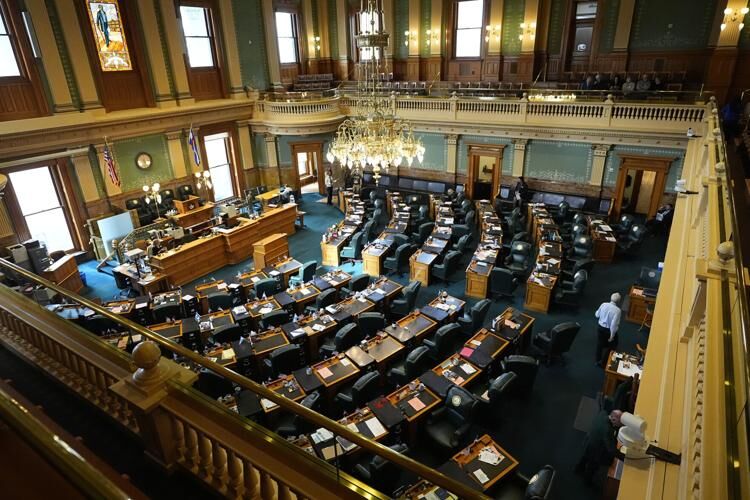
Colorado House Democrats focus on rising prison costs amid declining crime rates during budget discussion
Marissa Ventrelli
marissa.ventrelli@coloradopolitics.com
Updated 14 hours ago
Colorado’s House Democrats pressed budget writers Tuesday over a nearly $70 million increase for the Department of Corrections, questioning why the state plans to add 941 prison beds and explore new prison capacity at a time when crime rates are...

Federal judge warns of increasingly inadequate immigration bond hearings
Michael Karlik
michael.karlik@coloradopolitics.com
Updated 10 hours ago
A federal judge ordered the immediate release of a man in immigration custody last week and, seemingly for the first time in Colorado, warned that the government is increasingly conducting inadequate bond hearings for detainees. Colorado’s federal trial court is facing...
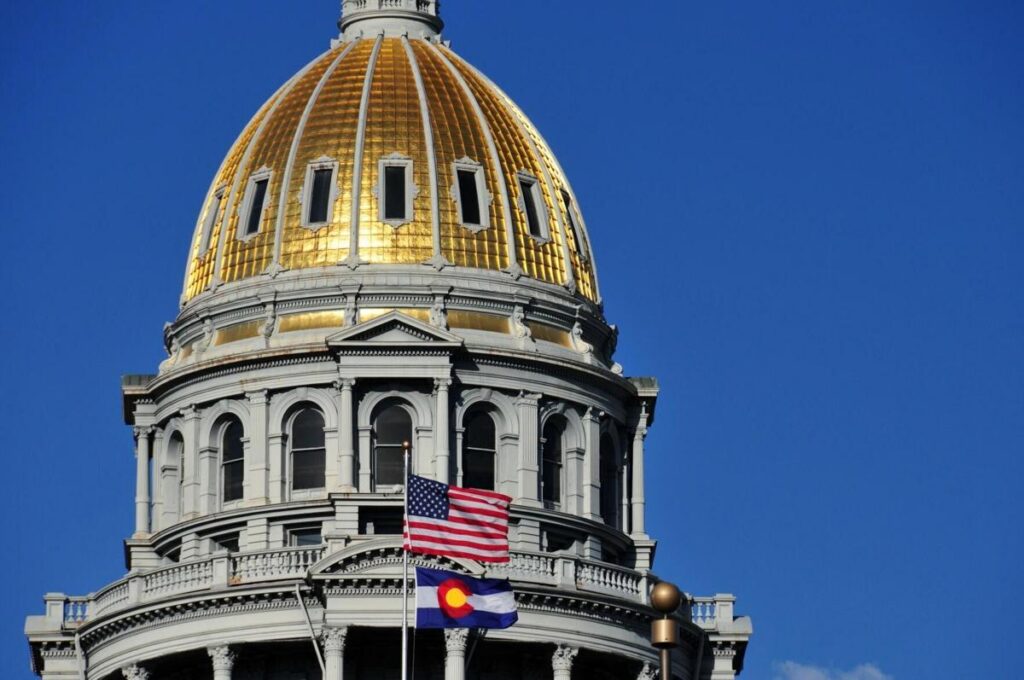
Inside the GOP caucus: Colorado legislator explains why a bigger budget still means cuts
Marianne Goodland
marianne.goodland@coloradopolitics.com
Updated 12 hours ago
Tasked with explaining a budget driven by rising caseloads, shifting federal dollars and a $1.5 billion shortfall, Joint Budget Committee member Rep. Rick Taggart spent Tuesday’s Republican caucus meeting detailing why the 2026–27 spending plan appears larger on paper, even...

10th Circuit upholds dismissal of Barry Morphew’s civil lawsuit against prosecutors, investigators
Michael Karlik
michael.karlik@coloradopolitics.com
Updated 10 hours ago
The Denver-based federal appeals court agreed on Monday that Barry Morphew, who now stands accused for a second time of murdering his wife, failed to state viable claims against the government officials involved in his first, unsuccessful prosecution. Morphew was...
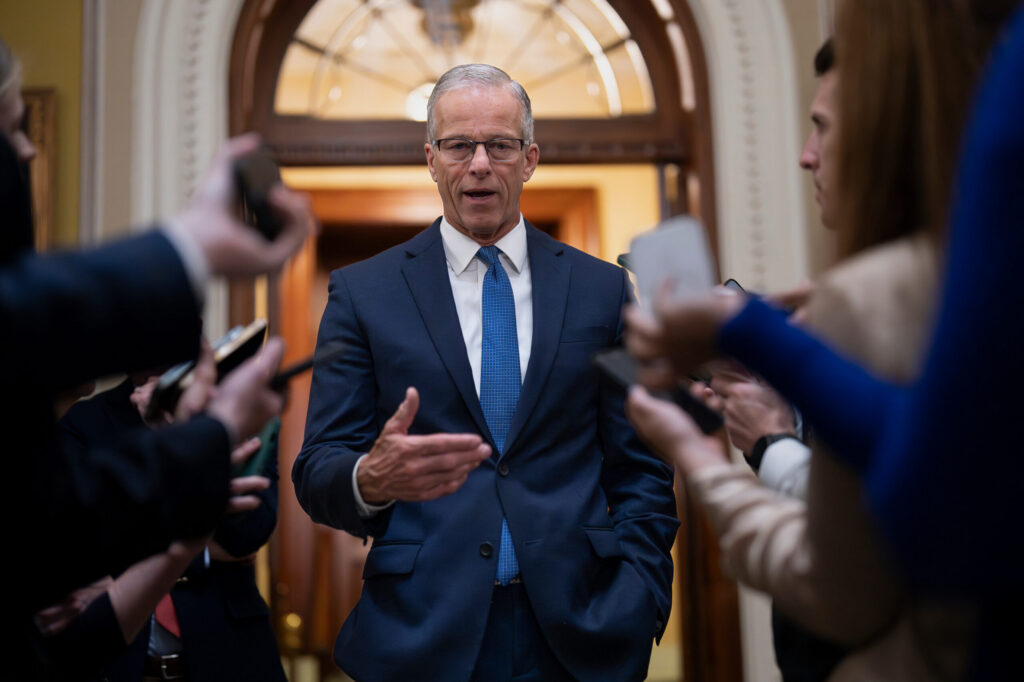
Johnson won’t reopen DHS until Thune makes good on megabill promise
Lauren Green, Washington Examiner
lauren.green.washington.examiner@gazetteedit.wpenginepowered.com
Updated 16 hours ago
Speaker Mike Johnson (R-LA) is unlikely to move legislation ending a partial shutdown of the Department of Homeland Security until Senate Majority Leader John Thune (R-SD) kickstarts the party-line budget reconciliation process to pass another megabill. A source familiar told...
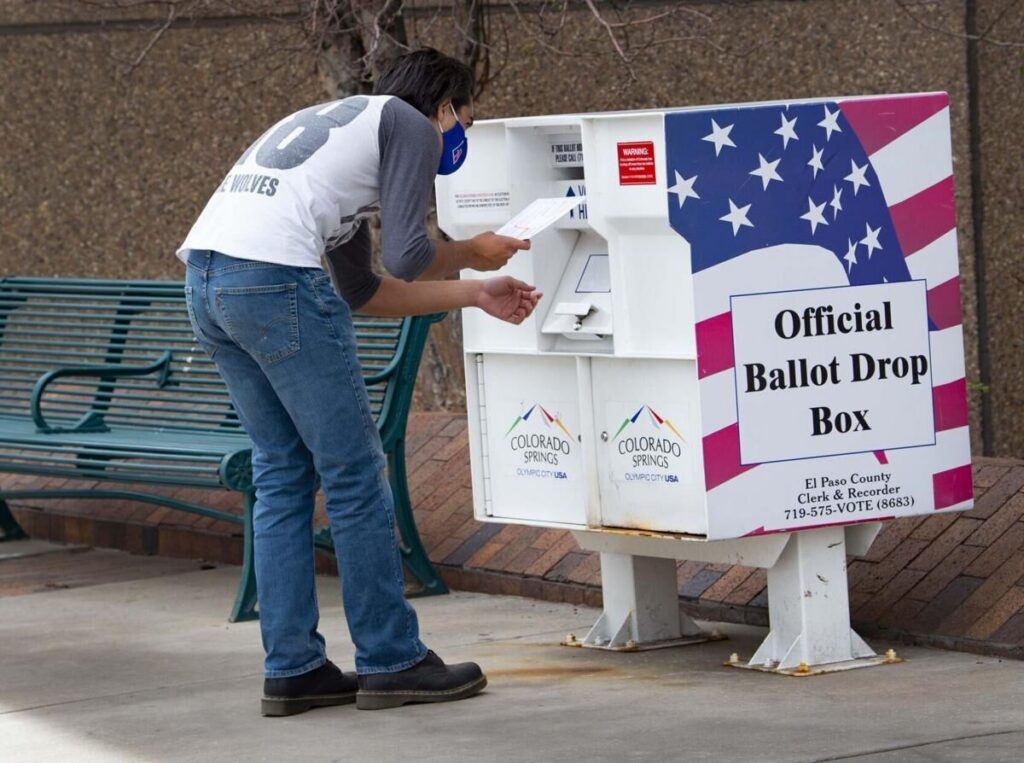
Trump’s mail-in ballot executive order reveals why DOJ is pushing for state voter data
Kaelan Deese, Washington Examiner
kaelan.deese.washington.examiner@gazetteedit.wpenginepowered.com
Updated 16 hours ago
President Donald Trump’s new executive order on mail-in voting is offering the clearest explanation yet for why the Justice Department has spent months aggressively seeking access to state voter rolls, while also triggering a sweeping legal challenge from Democrat-led states....

Trump quietly drops steel and aluminum tariffs for bikes, e-bikes, and frames
Christian Datoc, Washington Examiner
christian.datoc.washington.examiner@gazetteedit.wpenginepowered.com
Updated 16 hours ago
EXCLUSIVE — The Trump administration has quietly backed off from President Donald Trump’s threat to impose 50% steel and aluminum tariffs on imported bicycles, e-bikes, and bicycle frames. In August 2025, the administration added e-bikes to the list of products covered...
Trump warns Iran’s ‘whole civilization will die tonight’ unless deal is struck with US
Hailey Bullis, Washington Examiner
hailey.bullis.washington.examiner@gazetteedit.wpenginepowered.com
Updated 17 hours ago
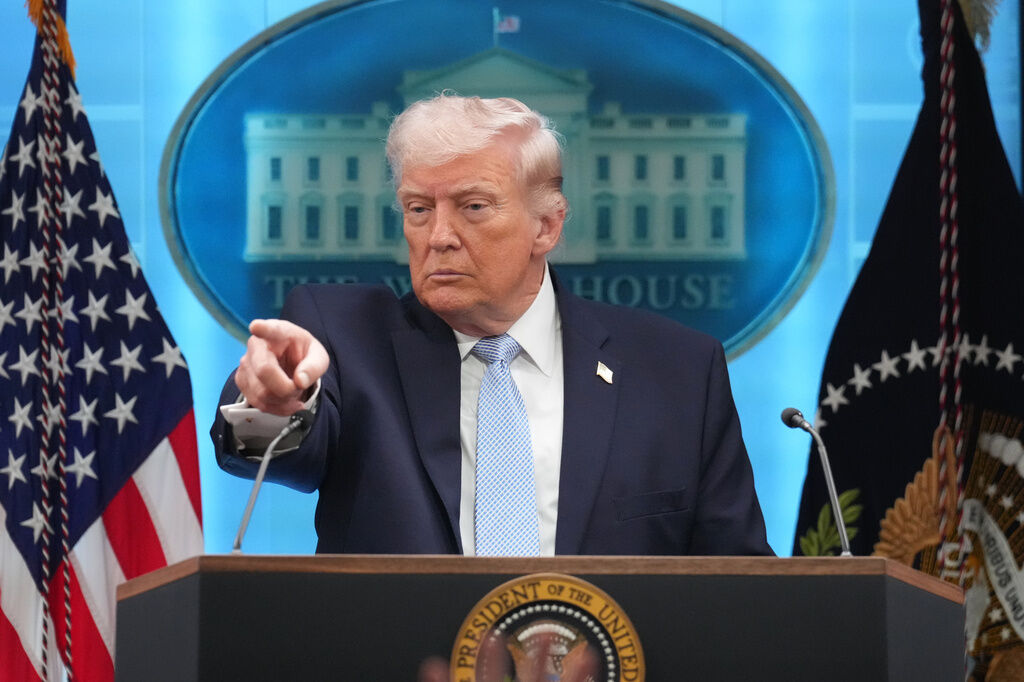
President Donald Trump issued a bleak warning ahead of his Tuesday night deadline for Iran to reach a peace deal with the United States, saying “a whole civilization will die” unless Iranian leadership yields. “A whole civilization will die tonight,...
Senate-passed farmworkers overtime bill easily clears Colorado House committee
Marianne Goodland
marianne.goodland@coloradopolitics.com
Updated 13 hours ago
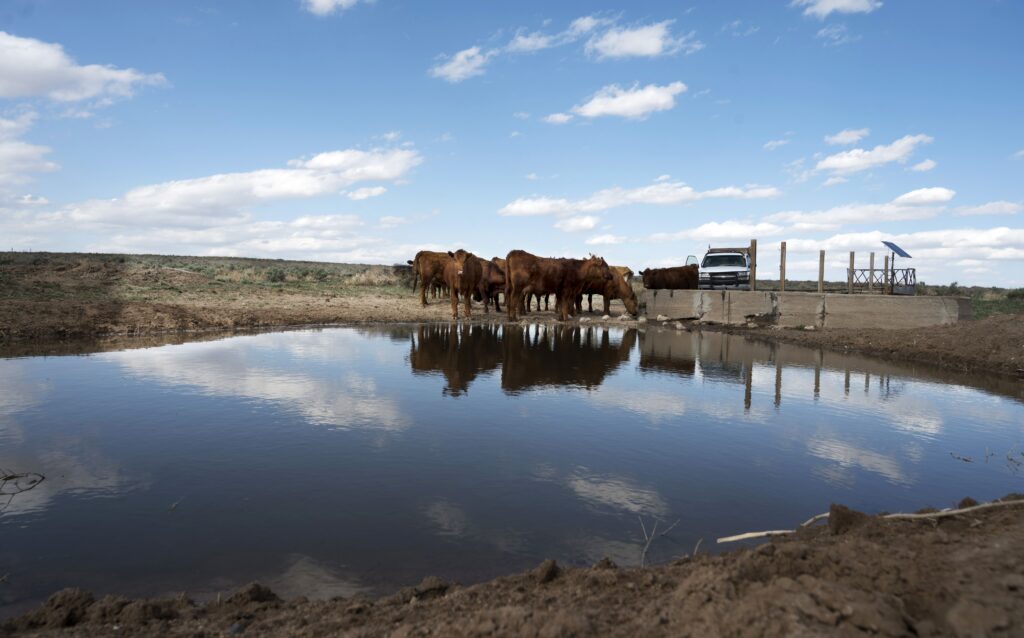
A proposal to ease Colorado’s overtime requirements for agricultural employers cleared a key House committee Monday, setting up a broader fight over whether the state should scale back a labor policy adopted just five years ago. The House Agriculture, Water...
Federal judge blocks evidence from Aurora police’s unconstitutional search
Michael Karlik
michael.karlik@coloradopolitics.com
Updated 10 hours ago
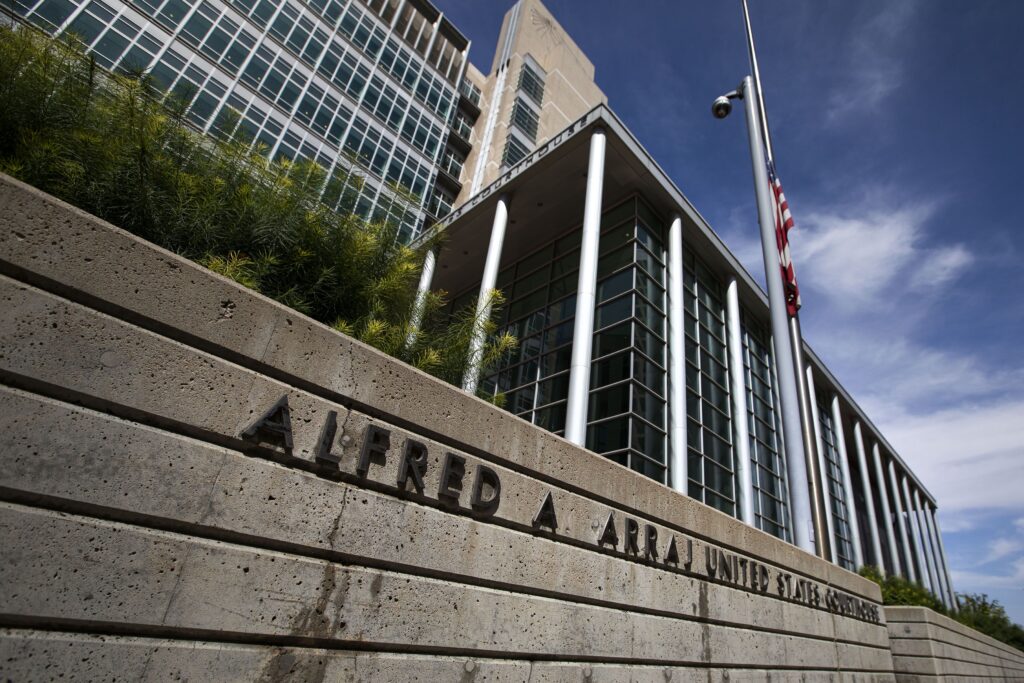
A federal judge ruled last month that prosecutors cannot use firearm evidence against a defendant because Aurora police searched him without having any reasonable basis to believe he was armed and dangerous. In evaluating the constitutionality of the search, U.S....