

Colorado veterinary professional associate bill sparks debate among advocates and critics
Advocates argue that a bill establishing implementation procedures for the newly created veterinary professional associate position includes provisions that contradict the intent of what Colorado voters approved in Proposition 129 in November.
The bill passed in an 11-1 vote, with Rep. Mandy Lindsay, D-Aurora, in opposition.
Veterinary professional associates, or VPAs, aim to bridge the gap between veterinary technicians and doctors of veterinary medicine. They would require a master’s degree in veterinary clinical care—more training than a technician with an associate’s degree but less than the eight or more years needed to become a veterinarian. According to the proposition, veterinary professional associates, or VPAs, could make diagnoses, perform certain surgeries, and order and conduct tests and procedures.
The bill also requires VPAs to be supervised by a licensed veterinarian before they can practice. It outlines the standards to be met before a licensed veterinarian can delegate tasks to a VPA.
Under the bill, the Board of Veterinary Medicine is also required to approve a nationally recognized credentialing organization for VPAs, provide guidance to veterinarians overseeing and delegating tasks to VPAs, and determine the scope of practice and registration fees for VPAs.
McCormick, a retired veterinarian and admitted critic of Proposition 129, told members of the House Agriculture, Water and Natural Resources Committee that getting Colorado’s VPA program off the ground would require collaboration between three entities: Colorado State University, which is currently working on the curriculum for its Master of Science in Veterinary Clinical Care program, the Department of Regulatory Affairs and the State Board of Veterinary Medicine, which will be charged with writing the rules and scope of practice for VPAs with the help of a task force, the public, and the state legislature, which is responsible for setting guidelines in state statute.
McCormick addressed opponents’ concerns that the bill undermines the will of the voters and limits VPAs’ scope of practice beyond what was intended by the ballot initiative.
“The VPA will be able to practice all that is within their scope, and that scope will be determined not by what is in this bill, but by the state board,” she said, adding that it’s not unusual for the General Assembly to pass legislation following the passage of a ballot measure. “Once the people have spoken, then it’s incumbent on us to work with that language and make sure that it gets done with the voters’ intention in mind,” she said.
‘This is not what voters intended’
Dr. Apryl Steele, President and CEO of Humane Colorado (formerly Dumb Friends League), argued that the bill undermines Proposition 129’s goal of addressing Colorado’s veterinary shortage. She said it limits VPAs’ ability to provide care and weakens “essential educational standards” by lowering the requirement from a master’s degree to an associate’s degree.
“This is not what the voters intended, and revising their decision just months after the vote is both irresponsible and unnecessary,” said Steele.
A “robust” stakeholder engagement process is already underway, with CSU and the Department of Regulatory Affairs continuing to discuss the issue with veterinarians, animal welfare advocates, pet owners, and ranchers.
“Passing this bill now silences voters, creates conflicts for future rules, and causes unnecessary confusion for veterinary professionals,” Steele said. “If an implementation bill is needed, it must be developed with broad stakeholder input and align with the rules.”
Steele was also concerned that the bill prohibits VPAs from establishing a veterinarian-client-patient relationship, or VCPR. Should the bill pass, she said, VPAs would be unable to treat an animal until a licensed veterinarian has met and treated it first, which does nothing to resolve the veterinary workforce shortage.
Tony Frank, a former veterinarian and Chancellor of the Colorado State University System — soon to be home to the state’s first and only master’s program in veterinary clinical care — warned that the bill’s proposed restrictions on VPAs’ scope of practice would result in them adding “limited value” to veterinary clinics, which may result in practices forgoing hiring them altogether. He also criticized the bill for taking the regulatory process primarily out of the Department of Regulatory Affairs’ hands.
“At the end of the day, the voters have spoken, and the state’s regulatory processes are more than adequate to assure the quality of care,” he said.
‘The voters do not know what inherently is involved in the practice of veterinary medicine’
Other veterinary professionals testified in support of the bill, saying it’s necessary to address crucial aspects of implementing VPAs that were not mentioned in the ballot measure. Dr. Ron Carsten, former president of the State Board of Veterinary Medicine, said opponents have repeatedly harped on the theme of regulation when other veterinary professionals face just as much regulation from the state if not more. He said VPAs would be required to take fewer credit hours than veterinary technicians despite having a broader scope of practice.
“It is essential to establish reasonable regulations for VPAs, consistent with that for veterinarians and vet techs in Colorado,” he said. “The VPAs and consumers deserve that same regulatory framework as the other veterinary professionals. This bill helps do that.”
Dr. Heather Reeder, a veterinarian in Denver, also supported the requirement for direct supervision of VPAs, who would be allowed to perform potentially high-risk procedures such as spaying and neutering. She noted that even the most experienced veterinarians sometimes encounter emergencies during routine surgeries. Without a licensed vet present, she said she was concerned that a VPA could be put in a situation where an animal’s life is in danger.
“A veterinarian needs to be in the building because surgery inherently involves the possibility of emergencies,” she said.
The majority of Colorado voters are not veterinarians, Reeder added, and while it’s important to respect their will, it’s also necessary for experts to intervene and make adjustments when necessary.
“The voters do not know what inherently is involved in the practice of veterinary medicine,” she said. “They compare it to a human PA, who do not perform surgery. I am adamant that we should have informed consent and they should know who’s treating their animals, and we should definitely know who’s doing surgery on our animals. Consumers, even those with limited resources, deserve to know exactly who is working on their pet.”


Colorado can’t forget the lessons of COVID | Jon Caldara
Jon Caldara
jon-caldara@coloradopolitics.com
Updated 2 days ago
We are finally getting a clearer picture of what happened during COVID. Not because the people who locked us up, masked our faces and forced unproven chemicals into our bodies have suddenly become transparent, but because Anthony Fauci’s COVID-era diary...
Historic preservation supporters organize to oppose Trump changes | Bob Loevy
Tom Cronin
tom-cronin@coloradopolitics.com
Updated 1 day ago
Historic preservation organizations in Colorado Springs, the remainder of Colorado and across the nation are organizing to resist a recent effort to relax and weaken historic preservation laws in the United States. In Washington, D.C., the Advisory Council on Historic...

Colorado Politics Calendar Aug. 3-9
Rachael Wright, Special to Colorado Politics
rachael.wright@coloradopolitics.com
Updated 4 days ago
CoPo’s weekly political calendar will help you find political and public-policy events throughout Colorado. It includes candidate and issue campaign events, public policy meetings, court hearings, state and local party conventions, assemblies, debates, rallies, parades, speaking engagements, traveling dignitary appearances,...
Susemihl wins surprise victory to replace Steve Durham as Colorado Springs state senator | A LOOK BACK
Rachael Wright, Special to Colorado Politics
rachael.wright@coloradopolitics.com
Updated 3 days ago
Forty-five years ago this week: In a closed session, the vacancy committee for Colorado’s Senate District 12 selected attorney Peter Susemihl to complete Sen. Steve Durham’s, R-Colorado Springs, term. Durham resigned his seat to become Region 8 Director of the...
The primary political reform and precondition for all others | SONDERMANN
Eric Sondermann
eric-sondermann@coloradopolitics.com
Updated 3 days ago
In its current state, the American political system has no end of ailments. Far too many factors accelerate polarization and work against moderation and narrowing the differences. Media, and the way so many citizens limit themselves to agreeable, reinforcing sources,...
10th Circuit partially revives lawsuit over 2020 Denver protest injuries
Michael Karlik
michael.karlik@coloradopolitics.com
Updated 1 day ago
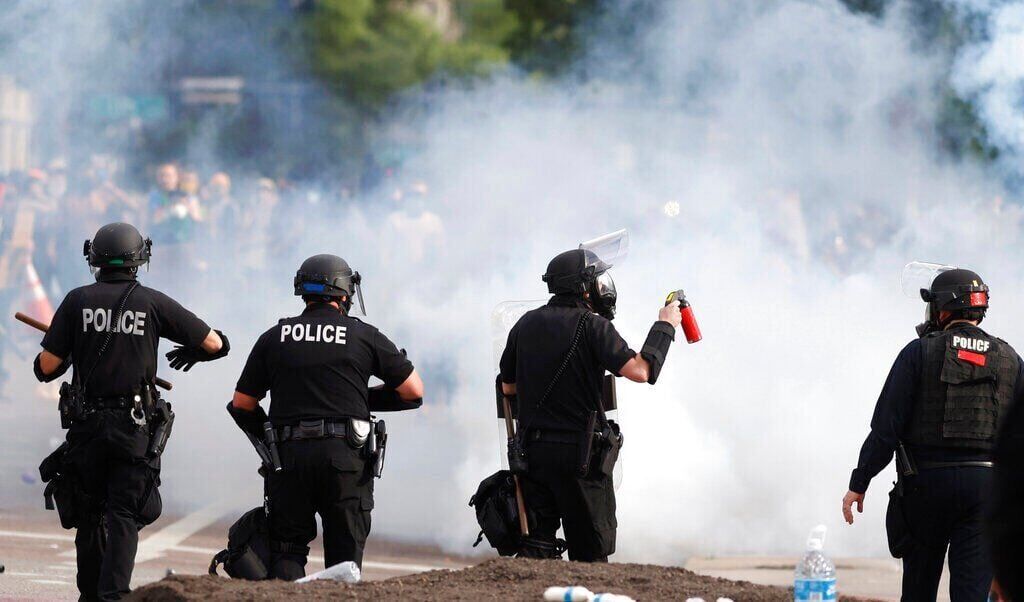
The Colorado-based federal appeals court revived a man’s claims against Denver on Friday after concluding a trial judge resolved the case in the city’s favor without analyzing two of the three instances of alleged excessive force and other constitutional violations....
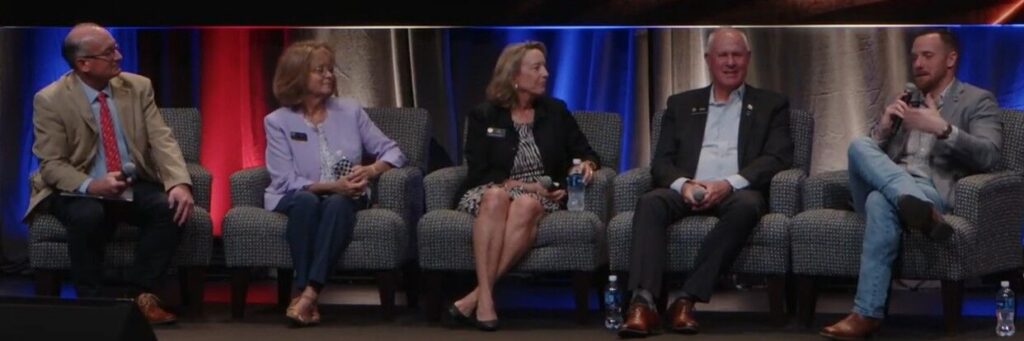
At conservative summit, Colorado Republican leaders concede Democrats’ election edge
Marissa Ventrelli
marissa.ventrelli@coloradopolitics.com
Updated 14 hours ago
Four Republican state lawmakers told attendees at a gathering of conservative leaders on Friday they doubt their party can win statewide races, noting that Colorado’s electorate has been shifting toward Democrats but adding they see an opening in several pockets....
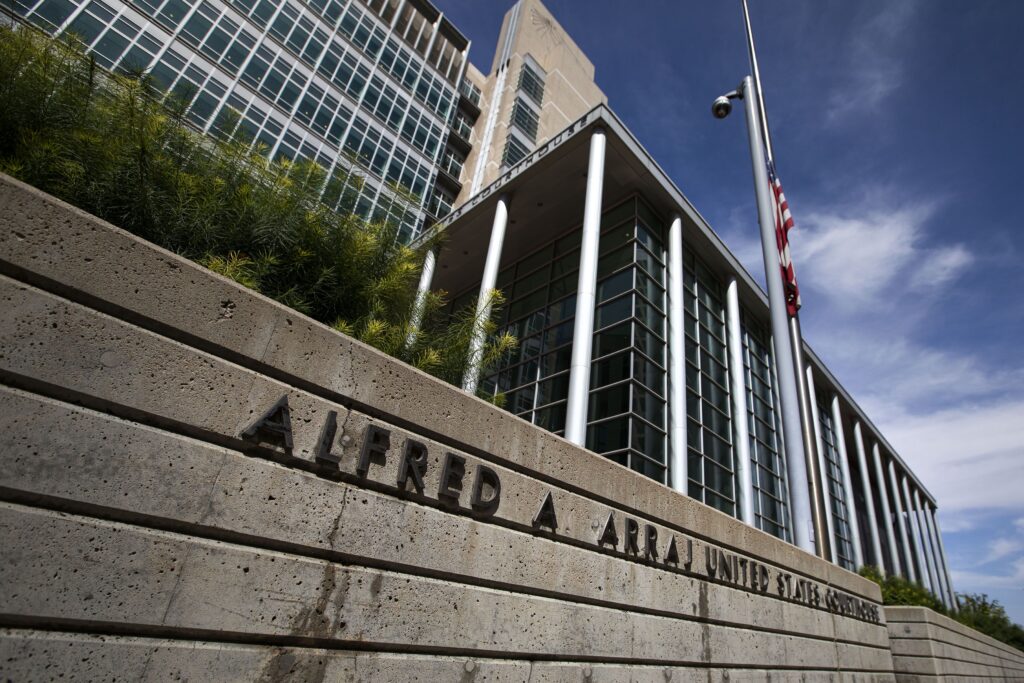
Federal judges find Colorado immigration judge violated several orders
Michael Karlik
michael.karlik@coloradopolitics.com
Updated 8 hours ago
Multiple federal judges in Colorado have freed people from immigration custody after determining that one immigration judge violated their directives for properly conducting bond hearings. For nearly a year, Colorado’s U.S. District Court has faced a flood of habeas corpus petitions...
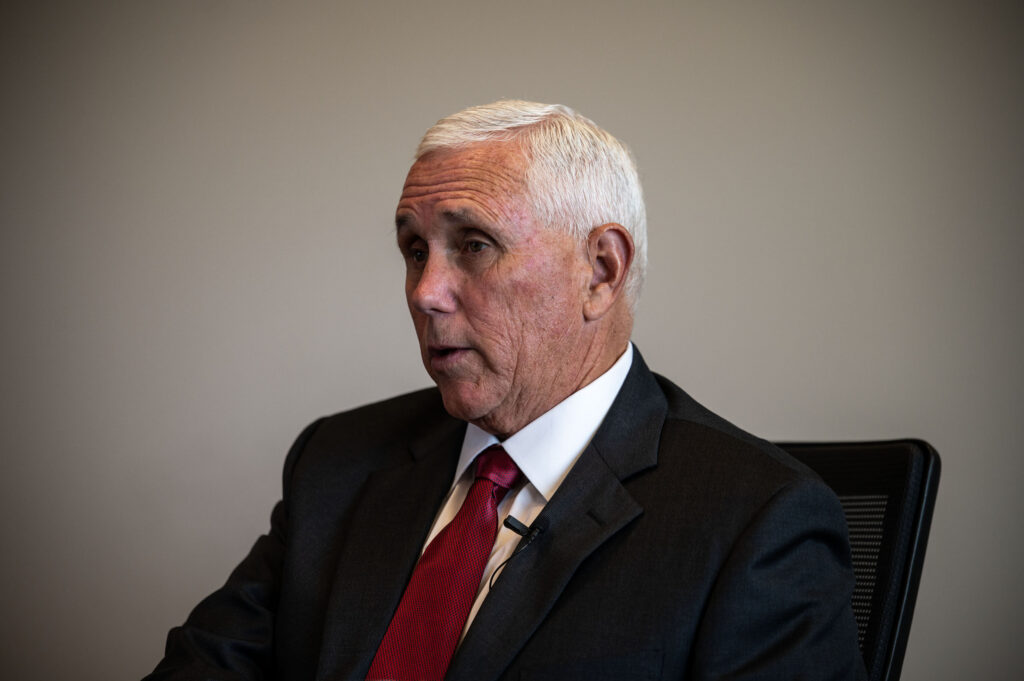
Q&A with Mike Pence | Former vice president says GOP’s populist turn from conservatism isn’t permanent
Ernest Luning
ernest.luning@coloradopolitics.com
Updated 12 hours ago
Former Vice President Mike Pence says he’s concerned that the Republican Party has taken a populist turn away from bedrock conservative principles during President Donald Trump’s second term, but he believes the party will return to its roots when Trump...

New federal plan sets short-term rules for Colorado River management
Marianne Goodland
marianne.goodland@coloradopolitics.com
Updated 1 day ago
Interior Department’s plan spares Colorado from mandatory cuts for now After years of stalled negotiations among the seven states that rely on the Colorado River, the federal government on Friday released its own plan for managing the drought-strained system. Calling...