

Legislation aims to protect Colorado ranchers’ private information in wolf compensation claims
When a rancher claims livestock losses due to wolves, some information, including the home address, becomes public under the state’s open records laws.
As a result, the ranching community has complained that it exposes them to harassment from animal rights activists or “looky-loos” who want to see a wolf.
That’s happened in Jackson County, according to Sen. Dylan Robert, D-Frisco, the sponsor of Senate Bill 38, which seeks to shield some personal and sensitive financial information from ranchers filing compensation claims with the state.
As introduced, however, the bill drew concerns from the Colorado Freedom of Information Coalition and media organizations about ensuring transparency on a program that is paid for by state dollars.
The 2020 ballot measure that required wolves to be introduced into Western Slope counties, where most overwhelmingly opposed that reintroduction program, included a requirement that ranchers be compensated for livestock losses due to wolves.
In December 2024, three ranchers submitted claims totaling more than $581,000, far in excess of what’s annually available from the state’s wolf compensation fund.
Witnesses in a Thursday Senate committee hearing noted that other ranchers have been reluctant to file claims because of harassment and trespassing problems.
The joint Water Resources and Agricultural Review Committee last summer unanimously approved the measure that the Senate Agriculture and Natural Resources Committee reviewed on Thursday.
Roberts told the committee that shortly after wolves started killing livestock in his district, he began hearing from ranchers that people were trespassing on their properties. Some wanted to see a wolf, others tried to confront or harass the rancher when their livestock was killed, and they requested compensation, according to Roberts.
The bill’s intent, Roberts said, is to make sure that someone feels comfortable about asking what they’re entitled to from the state.
He said the bill doesn’t stop anyone from talking to the press or anyone else, but it provides privacy for those ranchers.
Roberts addressed the concerns raised by the media and CFOIC, noting that their worries about transparency in a government-funded program are valid. He introduced three amendments that he said should bring most, including the Department of Natural Resources, into a position of support for the bill.
“These are taxpayer dollars, and there should be some information available about how it’s being spent,” Roberts told the committee. He added that the amendments should strike the right balance between personal privacy and governmental transparency.
Under those amendments, which the committee approved unanimously, the bill would protect the name, address, and business information of someone requesting a wildlife compensation claim. This applies to wolves, as well as to other wildlife damage.
Tyler Garrett of the Rocky Mountain Farmers Union said the last thing a rancher wants is to worry about public information being released and potentially used against them. He pointed out that 46 claims for wolf depredation were filed between December 2021 and December 2024. Ranchers have to weigh asking for compensation for losses that could serve as the tipping point between keeping their business or not — versus having that information used against them.
“We don’t need to make the experience more painful,” Garrett said.
Ashley House of Colorado Farm Bureau noted the stress the wolf introduction has put on ranchers, including mental health issues, and disclosing that personal or financial information compounds the anxieties ranchers already face.
“The value of assets on someone’s balance sheet should remain confidential,” she explained.
Grand County Commissioner Merrit Linke is a rancher and member of the Middle Park Stockgrowers that saw more livestock kills from wolves than anywhere else in the state in 2024.
“This is a very polarizing issue, and it should not be an impediment to the producers that legally and by the law should get the compensation as outlined in that procedure,” Linke told the committee.
CFOIC’s Jeff Roberts spoke in favor of two of the amendments. He had not yet seen the third amendment. He said the first two amendments would ensure the press and public can “adequately scrutinize the state’s Wildlife Damage Compensation program.” This would help reduce the risk of abuse and fraud and ensure agency decisions are made equitably and in accordance with the law.
He noted that the state’s open records law already has provisions allowing a records custodian at a state agency to withhold email, home addresses, and phone numbers. A second provision allows personal information to be withheld when there are credible threats to a person’s safety.
“We’re concerned that completely hiding the identity of the person receiving funds makes scrutiny and accountability much more difficult to achieve,” he said.
Accurate data and information are the cornerstone of sound public policy and are critical to the public knowing whether a law is functioning correctly, he added.
The Colorado Broadcasters’ Association, represented by Justin Sasso, outlined the kinds of information that would still be available, such as the number and frequency of claims, claim amounts, counties, rejected claims, and negotiated amounts. He said the amendments Sen. Roberts brought would address their worries.
Roberts told Colorado Politics that the name should be disclosed and said they may seek additional amendments.
SB38 won unanimous approval from the committee and now heads to the full Senate.


Former Colorado wildlife director heads to Wyoming
Marianne Goodland
marianne.goodland@coloradopolitics.com
Updated 2 hours ago
Jeff Davis, the former director of Colorado Parks and Wildlife who oversaw the introduction of wolves in Colorado, is headed to Wyoming, where he will take on a new job as deputy director for that state’s game and fish agency....
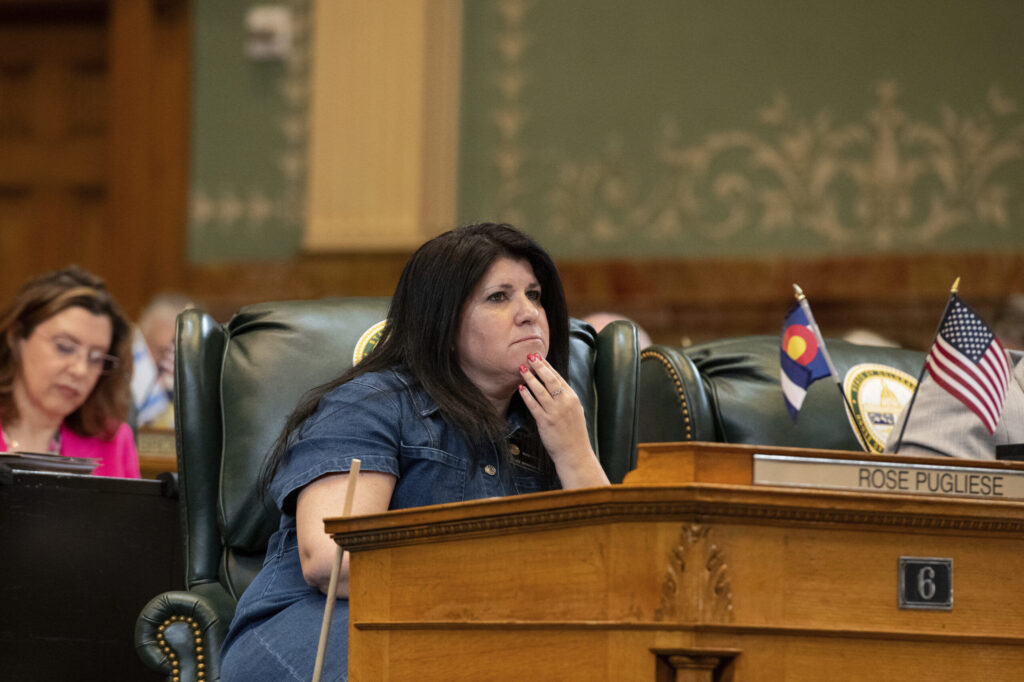
Former Rep. Rose Pugliese vies for Mesa County Treasurer
Marianne Goodland
marianne.goodland@coloradopolitics.com
Updated 3 hours ago
Former Republican Leader Rose Pugliese has jumped into the 2026 primary for Mesa County Treasurer. Pugliese moved to Grand Junction after resigning from the Colorado House in September, citing a “collapse of integrity” within the Colorado House. She previously served...
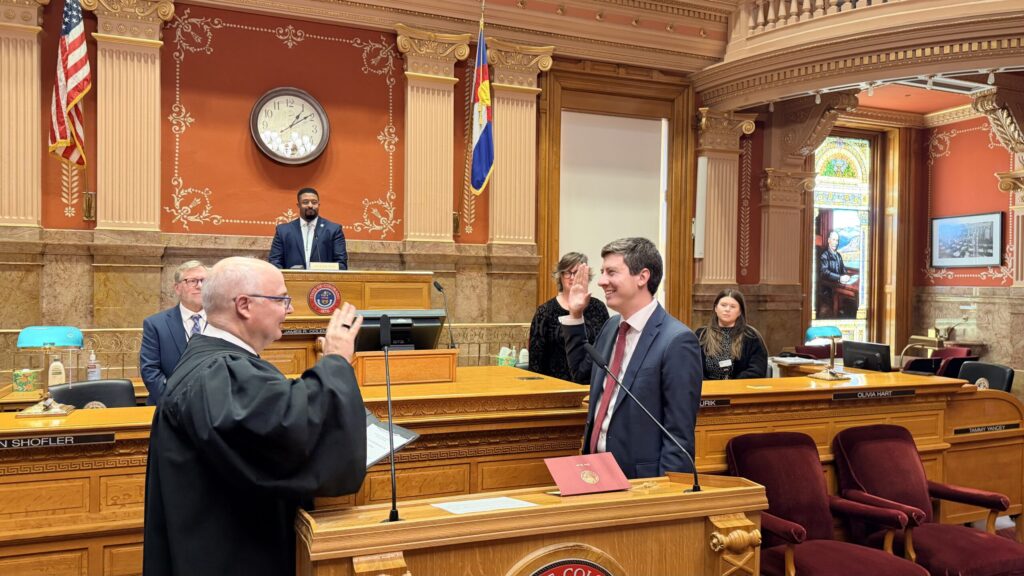
Primary challenges surge as Colorado lawmakers head into 2026 election cycle
Marianne Goodland
marianne.goodland@coloradopolitics.com
Updated 7 hours ago
As the 2026 election cycle begins, an unusually large number of Colorado lawmakers — many appointed through the vacancy process — are facing primary challenges that reflect deepening divisions within both major parties. But it isn’t only open seats that...
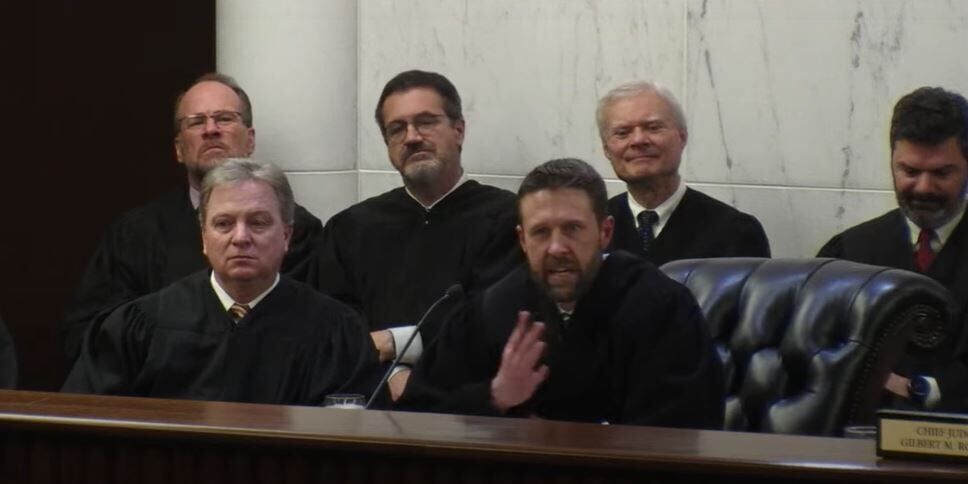
Appeals court orders new child abuse trial due to improper evidence of prior mistreatment
Michael Karlik
michael.karlik@coloradopolitics.com
Updated 7 hours ago
Colorado’s second-highest court overturned a Montezuma County defendant’s child abuse conviction last month, concluding evidence of prior mistreatment was too dissimilar to the alleged conduct that formed the basis of the criminal charges. Garland Kay Malcolm received a 32-year prison...

Trump freezes child care funding for Colorado, 3 other states
Thelma Grimes
thelma.grimes@coloradopolitics.com
Updated 7 hours ago
Colorado was swept up in a $10 billion federal child care funding freeze announced on Monday by the Trump administration, a move state officials said they learned about through media reports. The Trump administration said it would freeze child care...
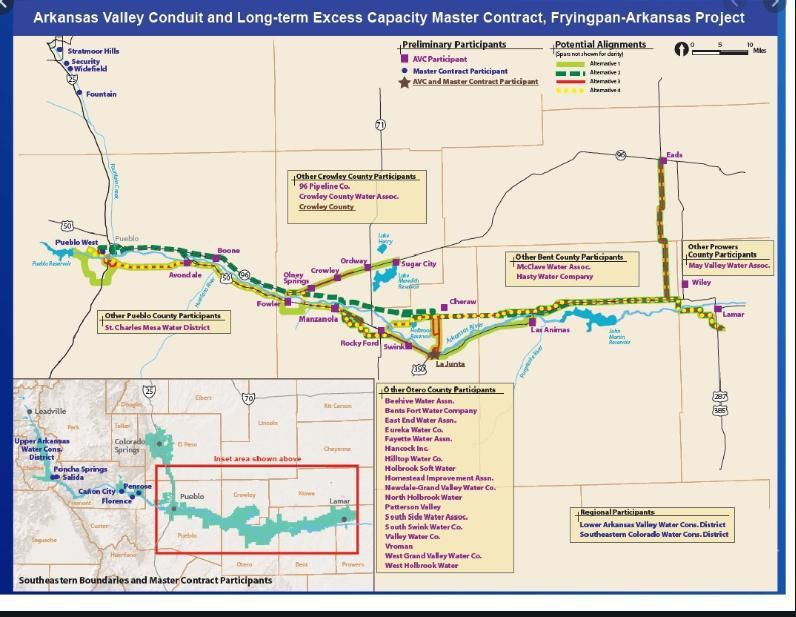
U.S. House weighs override of Trump veto on Colorado water project
Marianne Goodland
marianne.goodland@coloradopolitics.com
Updated 5 hours ago
The U.S. House is expected to consider on Thursday whether to override President Donald Trump’s veto of a bill aimed at helping finance a water pipeline in Colorado. Should it happen, it would be the first attempt at an override...
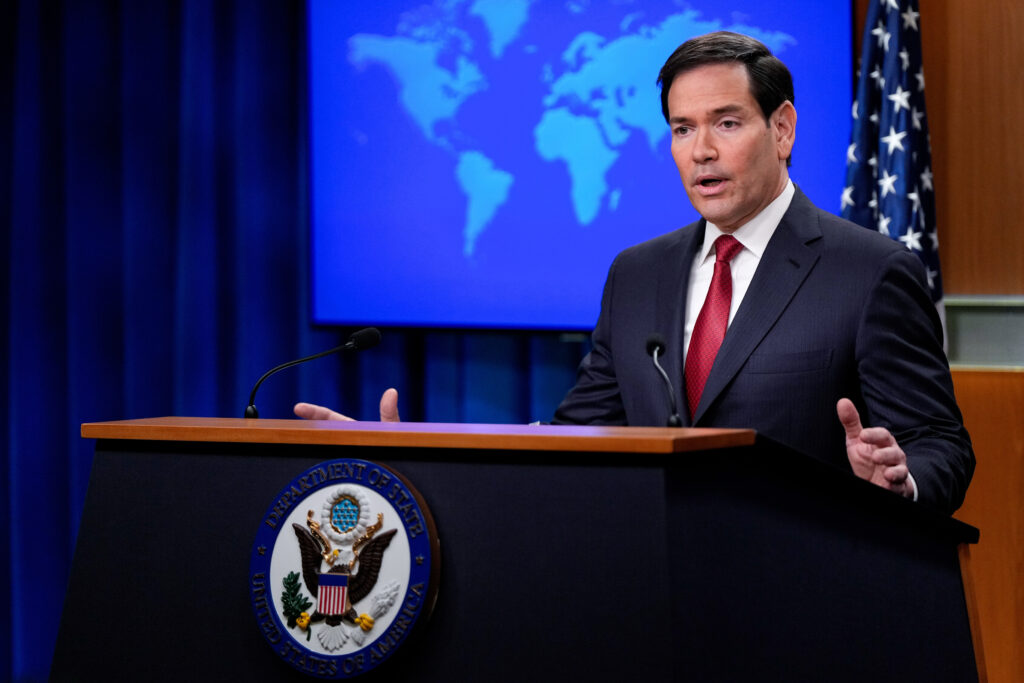
Trump’s Venezuela intervention could settle the 2028 debate for Rubio and Vance
Christian Datoc, Washington Examiner
christian.datoc.washington.examiner@gazetteedit.wpenginepowered.com
Updated 9 hours ago
President Donald Trump‘s Venezuelan intervention will likely have a significant effect on determining the GOP nominee for the 2028 presidential election. For months, Trump has hinted at his desire to see a ticket featuring both Vice President JD Vance and...
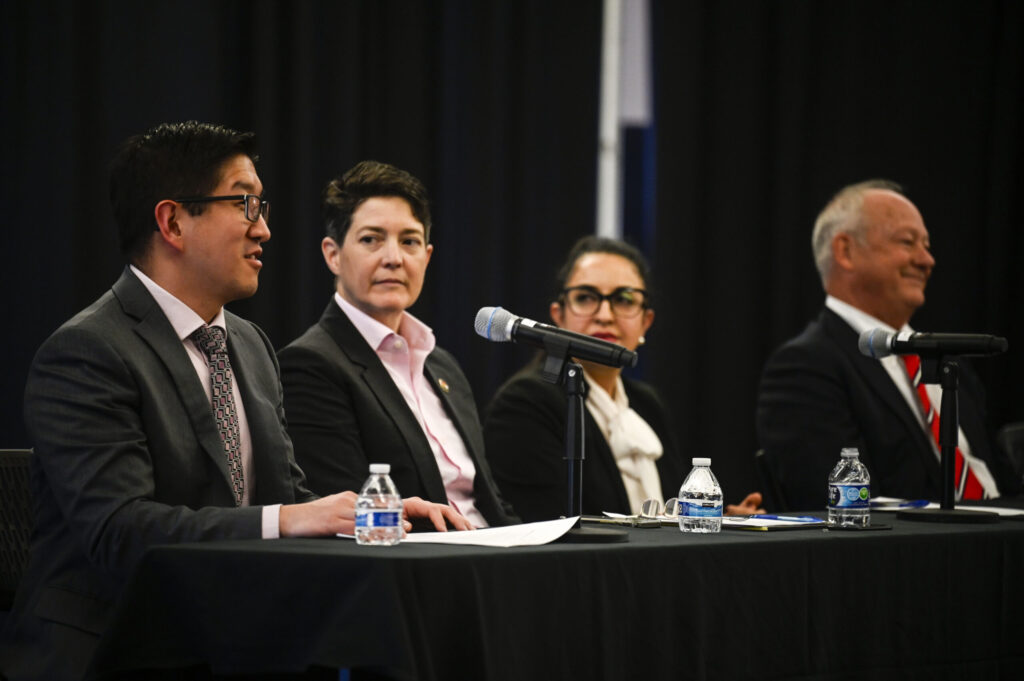
Federal judge recommends blocking Justice Department ‘dragnet’ on Children’s Hospital Colorado
Michael Karlik
michael.karlik@coloradopolitics.com
Updated 8 hours ago
A federal judge repeatedly criticized the government on Monday as he concluded a U.S. Department of Justice request for patient and employee information from Children’s Hospital Colorado was fueled by an “improper purpose” and should be denied. U.S. Magistrate Judge...
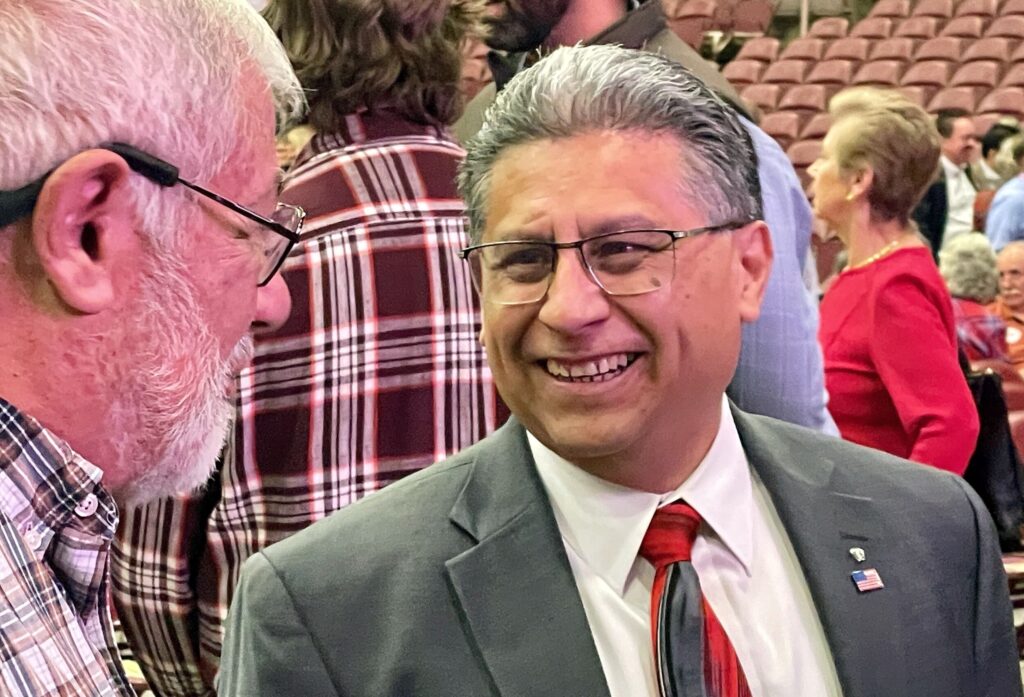
Former U.S. Rep. Greg Lopez leaves GOP, will run for governor in Colorado as an independent
Ernest Luning
ernest.luning@coloradopolitics.com
Updated 4 hours ago
Former U.S. Rep. Greg Lopez, a candidate for governor of Colorado, has left the Republican Party and plans to run as an unaffiliated candidate for the office held by term-limited Democratic Gov. Jared Polis. Lopez, who served six months in...

Denver builder recalls Venezuela’s collapse as Maduro’s party rose to power
Mark Samuelson Special to The Denver Gazette
mark.samuelson@denvergazette.com
Updated 13 hours ago
When Hugo Chávez — predecessor to deposed Venezuelan President Nicolás Maduro — came to power in 1998, Denver builder Noel West Lane was deep into a homebuilding venture in Caracas, supported by business leaders close to the preceding administration of...