

Prioritize heat-vulnerable Colorado communities with protective policy | FEEDBACK
Another October week feels like summer — a stark contrast to the Colorado I remember. As a medical student, I’m more aware than ever of the dangers of extreme heat. Denver reached 100 degrees six times in 2024, the third-highest since 1872. Extreme heat, defined as 90-plus degrees for two to three days or more, is becoming more common. Heat-related deaths in the U.S. rose from 1,602 in 2021 to 2,302 in 2023.
Heat disproportionately affects vulnerable groups like children, the elderly, pregnant people, outdoor workers and low-income residents. It can cause heat stroke, heart attacks, breathing problems and stillbirths. Older adults, especially those living alone without access to air conditioning, are at greater risk during heat waves.
Stay up to speed: Sign up for daily opinion in your inbox Monday-Friday
A quarter of Denver residents with incomes below $35,000 lack effective cooling systems. Legislation has improved access to affordable, energy-efficient cooling, but more needs to be done. We must prioritize heat-vulnerable communities by increasing access to heat pumps and other efficient appliances. As a health care professional, I educate patients on staying safe, but education alone isn’t enough. Colorado leaders must address the root causes of heat-related health disparities to protect our communities.
Morgan Dewey, medical student
Healthy Air and Water Colorado
Denver
Send us your feedback: Click here.


Costly auto mandate amounts to needless overkill | FEEDBACK
Colorado Politics
colorado-politics@coloradopolitics.com
Updated 5 days ago
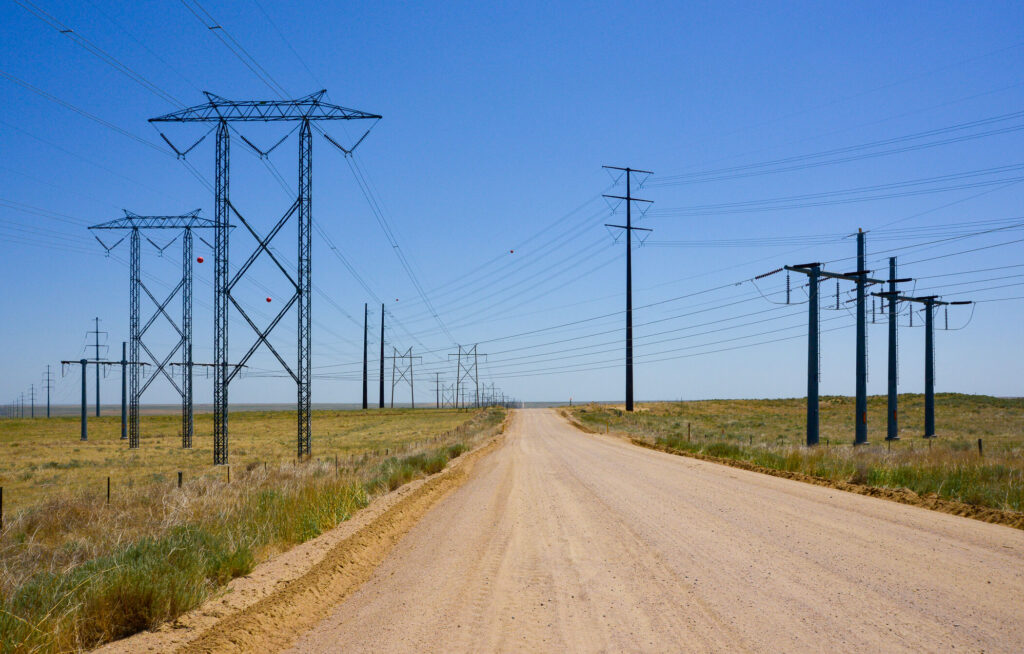
HB26-1199 is currently in the legislature, and let me explain how this affects you. Currently in the state of Colorado, your vehicle’s emissions have to meet California standards even though you do not live in California. Though we all can agree...
Caldara overlooked facts in slamming utilities | FEEDBACK
Colorado Politics
colorado-politics@coloradopolitics.com
Updated 6 days ago
Normally, I appreciate the variety of perspectives published on Colorado Politics. But regarding Jon Caldara’s recent column on Xcel, he irresponsibly neglects key facts to the point of annihilating credibility (“Are our overlords normalizing power outages?” March 15). He neglects...
Could it be the end of hunting as we’ve always known it in Colorado? | FEEDBACK
Colorado Politics
colorado-politics@coloradopolitics.com
Updated 2 weeks ago
By Eric Washburn Recently, the Colorado Parks and Wildlife (CPW) Commission voted to ban the commercial sale of fur and reject CPW’s proposed daily bag limits of 15 per day per person (450 per person per month!!) for harvesting 17...
RIP Frank Traylor — a model for political life | FEEDBACK
Colorado Politics
colorado-politics@coloradopolitics.com
Updated 2 weeks ago
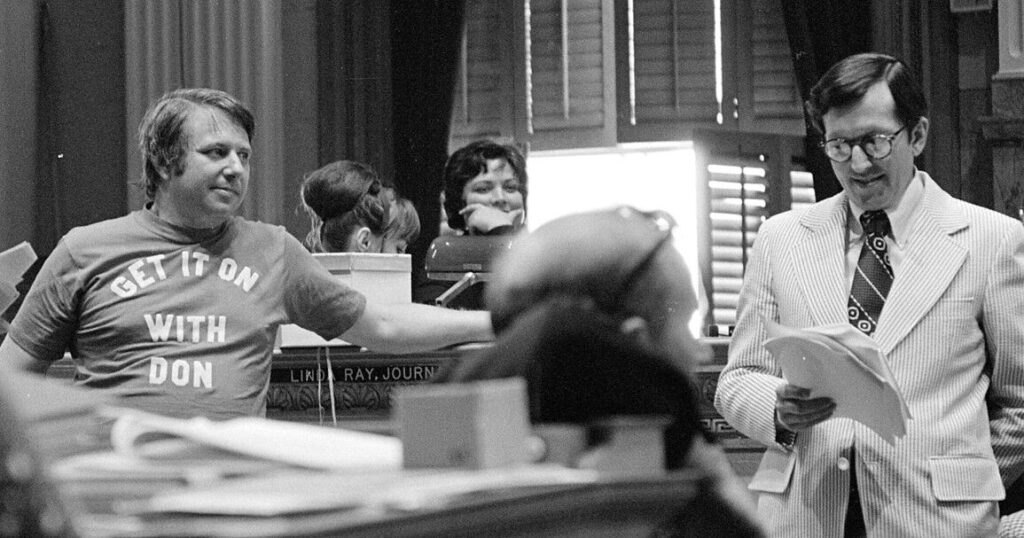
It is with great sadness I read of the death of Frank Traylor. From the moment we met at the beginning of the 1975 legislative session, I knew he was special. As a doctor, he knew medical issues better than...
Dems pine for Pelosi and Reid | FEEDBACK
Colorado Politics
colorado-politics@coloradopolitics.com
Updated 2 weeks ago
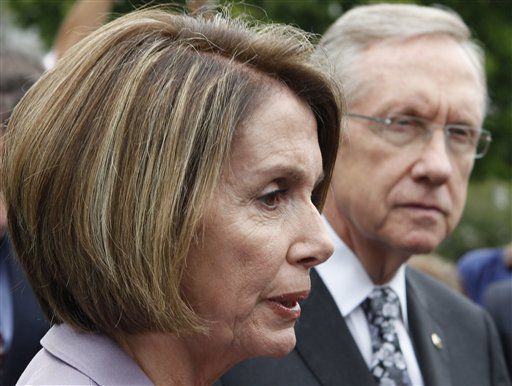
By Patrick Davis There was a time when Democrats in Congress were led by masters of the legislative chessboard — leaders who didn’t just count votes, they counted hearts, egos, and ambitions. Harry Reid in the Senate and Nancy Pelosi...

Lawyers must stop weaponizing the courts | FEEDBACK
Colorado Politics
colorado-politics@coloradopolitics.com
Updated 2 weeks ago
By Judi Atwood When Colorado Supreme Court Justice William W. Hood III told lawyers last week they have a duty to intervene if they see a colleague struggling, he was right. Too often, attorneys hesitate to act when they notice...
System skewed to benefit disciplined judges | FEEDBACK
Colorado Politics
editor@coloradopolitics.com
Updated 2 weeks ago
On June 16, the Denver and Colorado Springs Gazettes published my guest column, “Perspective: Above the Law.” In it, I raised concerns about conflicts among the Colorado Supreme Court, the Colorado Commission on Judicial Discipline (the CCJD), the Colorado Judicial...
Former county commissioners oppose Douglas County home rule | FEEDBACK
Colorado Politics
editor@coloradopolitics.com
Updated 2 weeks ago
As former Douglas County commissioners who served in the 1980-2020 era, we have the deepest respect for our county and its residents, and that is why we are compelled to speak out against the June 24 ballot question asking voters if...
As Colorado transitions from coal, nuclear can fill more gap than one | FEEDBACK
Colorado Politics
editor@coloradopolitics.com
Updated 2 weeks ago
Despite the news coming out of Washington, states across the country are taking meaningful action to advance innovative, carbon-free energy technologies to improve air quality, reduce climate impact and create jobs. Colorado has led the pack, committing to 80% clean...
Gov. Polis, Prop 129 endangers Colorado’s domesticated animals | FEEDBACK
Colorado Politics
editor@coloradopolitics.com
Updated 2 weeks ago
We disagree with Gov. Jared Polis. Not only is a Veterinary Professional Associate (VPA) not needed, but the proposed VPA puts the health and safety of Colorado’s pets and other animals at risk. There is no “gap” in veterinary services....