

Earlier cancer detection could save firefighters’ lives | OPINION

Nick Nuanes
Every year, more names are etched into the wall of the Fallen Firefighters Memorial — but most of those names weren’t lost to the fires they fought. They were lost to a hidden enemy: cancer.
Firefighters are on the front lines in our communities daily, saving homes, businesses — and lives. But while they battle flames to protect us, they’re fighting another, less visible threat. Americans can return the favor by encouraging elected officials to enable access to new tools to combat one of the leading causes of firefighter deaths: occupational cancer.
A new innovation in blood testing that can detect more cancers earlier promises to be a game changer — and Colorado’s own U.S. Sen. Michael Bennet is leading the charge in Congress to ensure those most in need can access them.
If you asked most Coloradans to name the top cause of line-of-duty deaths among firefighters, they’d assume it’s from the fires and emergencies they respond to. But the truth is, three out of four of these deaths are from cancer.
Stay up to speed: Sign up for daily opinion in your inbox Monday-Friday
According to the International Association of Fire Fighters (IAFF), firefighters are 10% more likely than the general public to be diagnosed with cancer and nearly 15% more likely to die from it. On-the-job exposures to carcinogens make firefighters up to 100% more likely to develop lethal cancers like mesothelioma.
At last year’s National Fallen Firefighters Memorial, nearly two-thirds of the names added to the wall of honor were lives cut short by cancer. As a retired firefighter and former Denver Fire Chief, these statistics are all too familiar.
I’ve seen too many colleagues and close friends taken too soon. I worry about my own family members along with other families who will face loved ones taken too soon — not from the dangers of fire, but by the long-term carcinogens they faced in the line of duty.
But there is hope. A new diagnostic technology offers a chance to change the status quo, not just for firefighters, but for all Americans at elevated risk.
The key to beating cancer is early detection. However, current early detection tests exist for only five types of cancer, covering just 14% of all diagnosed cancers in a given year. That leaves far too many types undetected until it’s too late.
Now, there’s promising new technology that could revolutionize how we detect cancer. Multi-Cancer Early Detection (MCED) tests can screen for dozens of cancers through a simple blood test. This innovation expands early cancer screening exponentially. And because of its simplicity, MCED tests can be made available nearly anywhere, breaking down barriers for rural and underserved communities across the country.
The statistics speak for themselves: When cancer is caught early, the chances of survival increase fourfold, and treatment costs are cut in half.
The task now is to make these life-saving technologies accessible to as many people as possible, as soon as possible.
Thankfully, there is strong bipartisan support in Congress, led by Sen. Bennet, to ensure MCED tests are covered by Medicare. This would be a crucial step for retired firefighters and millions of seniors across the country. With hundreds of cosponsors from both sides of the aisle, we’re on the right track — but more needs to be done.
Time is critical. Every delay means more lives lost. Congress must act now to ensure there is a system in place to make these tests available to those who need them most — firefighters, seniors and all Americans at heightened risk.
To me, expanding access to such promising technology for those at elevated risk for cancer, including firefighters and seniors, is a no-brainer. Let’s hope elected officials respond to this five-alarm fire threatening so many lives across our country.
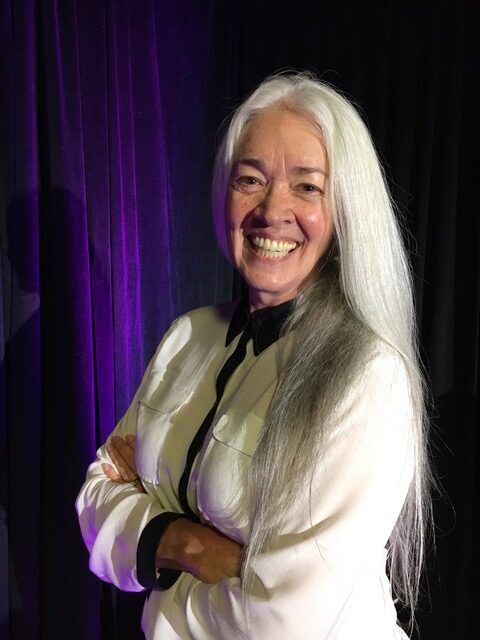
A retired 36-year veteran of the Denver Fire Department, Nick Nuanes served as Denver Fire Chief from 2007-2009.

What exactly makes you a public figure? | Hal Bidlack
Hal Bidlack
hal-bidlack@coloradopolitics.com
Updated 4 hours ago
Well, once again, this non-lawyer columnist is going to jump in the deep end of legal scholarship and will explore a recent Colorado Court of Appeals decision. Buckle up. In yet another terrific Colorado Politics Court Crawl article, we learned...
Modernizing Pinnacol is about its members, not politics | IN RESPONSE
Colorado Politics
colorado-politics@coloradopolitics.com
Updated 4 hours ago
By Akasha Absher While we share the passion for protecting Colorado’s workers expressed in a recent op-ed from the perspective of trial attorneys and union representatives, the piece paints a picture of Pinnacol Assurance that is more rooted in 1915...

Mum on his own replacement, Bennet disrespects voters | Dick Wadhams
Dick Wadhams
dick-wadhams@coloradopolitics.com
Updated 3 days ago
U.S. Sen. Michael Bennet is playing an arrogant game of hide-and-seek with Colorado voters as he seeks to abandon his Senate seat to become governor. Bennet insists that if he is elected governor in November, he will wait until he...

What kind of energy independence did we pay for? | Miller Hudson
Miller Hudson
miller-hudson@coloradopolitics.com
Updated 3 days ago
It was during the summer of 1972 AT&T published an internal solicitation for installation and repair supervisors with “inner-city” experience to transfer to Mountain Bell. The catch was an applicant’s readiness to work 10 hours a day, six days a...

Those who cannot live without wild things | Rachel Gabel
Rachel Gabel
rachel-gabel@coloradopolitics.com
Updated 3 days ago
Aldo Leopold wrote in his Sand County Almanac, “There are some who can live without wild things and some who cannot.” The collection of essays first published in 1949 was accepted by a publishing house after a steady stream of...

Thank God for Wyoming — the un-Colorado | Jon Caldara
Jon Caldara
jon-caldara@coloradopolitics.com
Updated 3 days ago
Years ago, I interviewed a Canadian health-care broker whose job was helping his countrymen escape their own failing system. When their “free” health care turned into “free to wait until you die,” he’d save his clients by routing them to...
It’s time to let unaffiliated voters caucus | Vince Bzdek
Vince Bzdek
vince.bzdek@gazette.com
Updated 17 hours ago
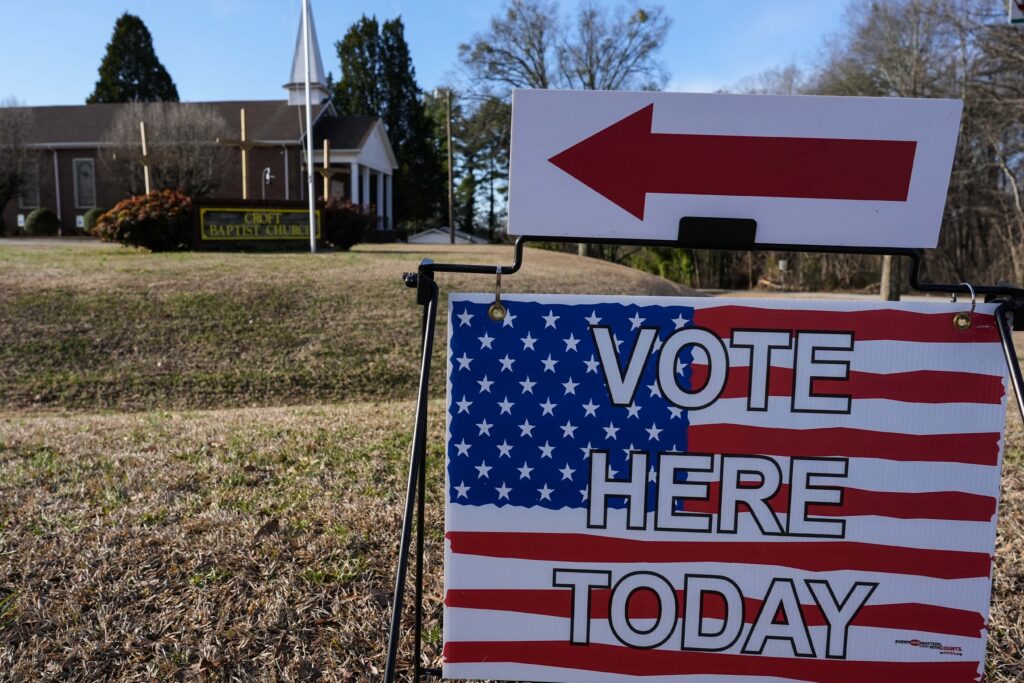
There’s no getting around it: Colorado’s 3,000 county caucuses, which just wrapped up recently, left half the electorate out in the cold. Since unaffiliated voters now make up 51% of all Colorado voters, a majority of Colorado electors are barred...
A Mile High, again: Capitol M | Week of March 21, 2026
Marianne Goodland
marianne.goodland@coloradopolitics.com
Updated 5 days ago
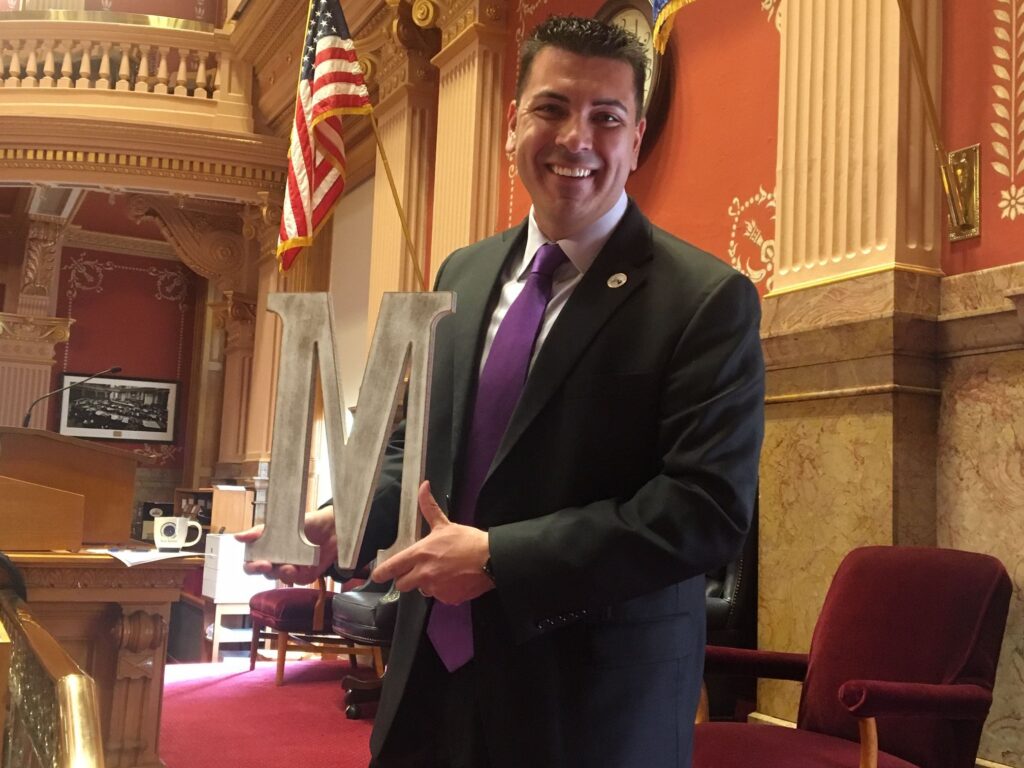
The lighter side of the Capitol, usually…. Local Journalism Day, except they forgot their very own local journalists. The state Senate on Thursday, March 19, passed a resolution recognizing Local Journalism Day. Everyone voted for it, which is good, because...

The insular bubble of caucuses and assemblies | SONDERMANN
Eric Sondermann
eric-sondermann@coloradopolitics.com
Updated 4 days ago
Nearly 30 years ago, then-Federal Reserve Chairman Alan Greenspan coined the term “irrational exuberance” to describe the overheated stock market. That descriptive phrase could also apply to much of the political realm. The hype in politics often grossly exceeds the...
Set appropriate state guidelines for critical surveillance technology | OPINION
Colorado Politics
colorado-politics@coloradopolitics.com
Updated 4 days ago
I admit it: I’m worried. I’m hearing a lot about surveillance in the public arena. I hear cameras are capturing my car’s license plate wherever I drive, my face as I go in and out of stores and health facilities,...