

Colorado court’s pilot program to aid self-represented prisoners launches after delay, tweaks
Colorado’s federal trial court this spring began accepting participants in a pilot program intended to link incarcerated plaintiffs with attorneys for onetime legal advice calls, although the initiative has undergone changes since its initial announcement.
Colorado’s U.S. District Court authorized a limited legal assistance program last year, allowing prisoners at Fremont Correctional Facility who have filed suit in federal court to seek help from pro bono lawyers. As designed, plaintiffs would ask questions about their cases on 20-minute phone calls, with the pilot running from September 2023 until September 2024.
However, it was not until April that the program officially launched.
Kristen L. Mix, a former magistrate judge who pushed for the pilot before she retired from the bench last year, said there was a delay in getting an advisory committee and the Colorado Department of Corrections to approve the forms used by prospective participants. Also, the department needed time to line up personnel to make the program run smoothly.
“We were thinking that we could schedule calls for prisoners with attorneys and they would just make the calls from their usual phone bank, but those calls are not private in any way,” Mix explained. “Not only that, the phone bank is first-come, first-served. So, it was going to be very difficult to make that work on a particular schedule. After talking to the officials, we realized that really the way we could do it was by video call.”

Magistrate Judge Kristen L. Mix stands for a portrait in her chambers at the Alfred A. Arraj United States Courthouse on Thursday, July 27, 2023, in Denver, Colo. (Timothy Hurst/Denver Gazette)
Mix told Colorado Politics that as of mid-August, there have been 14 prisoners who asked for forms to request an attorney call. Eight forms were submitted and six people wound up having calls.
There is a flyer in the Fremont prison’s library and news of the program also appears to be spreading by word of mouth, added Mix, who is serving as the coordinator during the pilot.
“One of the prisoners put on his form, ‘I’ve heard about this from my cellmate,'” she said.
While there are other initiatives in the federal and state justice systems that enable lawyers to help self-represented, or “pro se,” litigants with their cases, the pilot program for incarcerated plaintiffs is a novel attempt to achieve several goals: be a one-time boost to pro se prisoners, entice attorneys into taking on meritorious cases, and easing the burden on judges’ dockets that arises when non-lawyers are litigating for themselves.
Mix said she did not know whether the district court and the corrections department would extend the pilot program beyond September to account for the delay in launching it. On Sept. 4, the court announced the program would run for an additional 12 months.
Alan Schindler, a commercial litigator in private practice who has previously taken pro bono cases of incarcerated plaintiffs, was one of the first attorneys to volunteer for the pilot program. The biggest challenge generally, he said, is not being able to speak to the client without advance coordination.
“That aspect slows everything down and impacts the attorney-client relationship quite a bit,” Schindler said. On the flip side, he added, prisoners who have access to the library are often “far more informed” about the law.

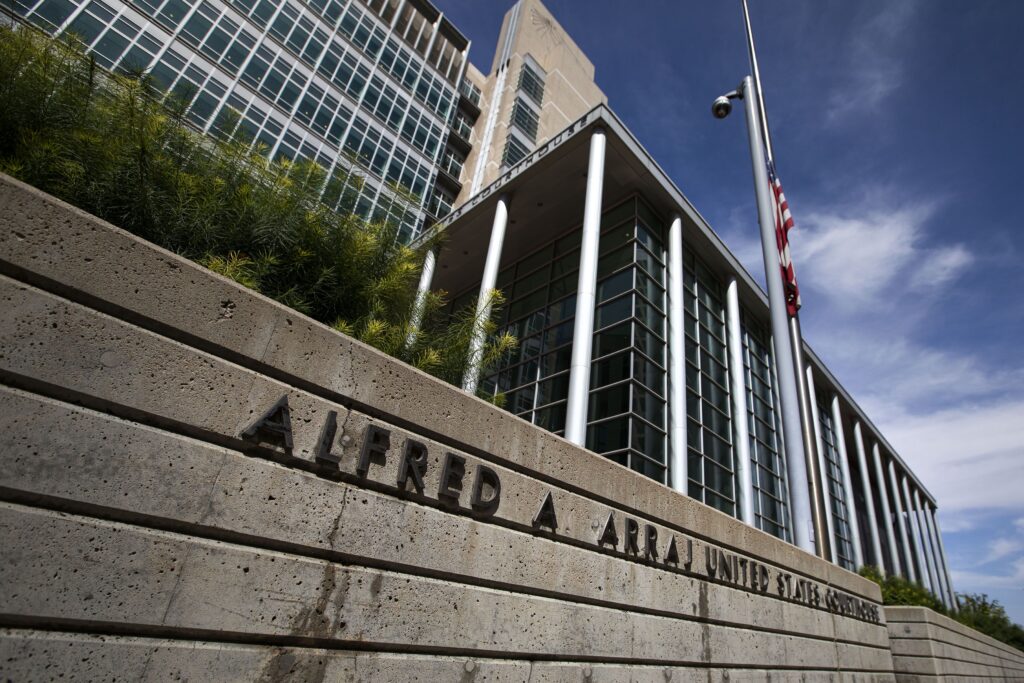
FILE PHOTO: The Alfred A. Arraj federal courthouse in Denver
Schindler was assigned to speak with a plaintiff who alleged prison officials were deliberately indifferent to his serious medical needs and denied him access to the courts. In June, a magistrate judge recommended dismissing the complaint because some alleged injuries were time-barred and others suffered from insufficient detail.
“Ultimately, the magistrate judge was telling him he needs to amend his complaint, so I was giving advice on that,” Schindler said. He ended up talking to the man for 45 minutes, far longer than the advertised 20-minute limit.
“I just felt like no one was shutting down the call and no one was coming to get him, so I stayed and gave more advice,” Schindler said.
Nick Peppler, another commercial litigator who regularly volunteers for legal aid events, also took a call through the pilot program. Like Schindler, his call lasted more than 30 minutes. Although the program is designed for plaintiffs whose cases are already assigned to a federal judge, Peppler said his plaintiff had yet to file a complaint.
“He was interested to kind of explain some of the facts and just ask my general thoughts on likelihood of success or some of the hurdles that you would face,” said Peppler. “It sounded like the prison had actually already taken steps to grant him the relief that he was seeking. So, part of our conversation was, ‘OK, well, you know if they provide you X, Y, Z services, then you know that your claim will largely be moot.'”
Mix told Colorado Politics she was unaware the prison is allowing the calls to last longer than 20 minutes. She added that she tries to confirm each plaintiff has filed a complaint prior to assigning them an attorney.
She also praised Fremont’s law librarian and the virtual hearings officer for facilitating the program, while noting it is too early to say whether the consultations are affecting the trajectory of civil cases. Even if the plaintiff has missed a filing deadline, Mix said she will still refer the person for a phone call.
“I think that informing the prisoners of what the deadlines mean and what they need to do to try to address the deadlines is always beneficial,” she said. “They talk to each other. So, even if a prisoner has missed the boat on his own case, chances are the word will go around that ‘if you can’t meet a deadline, here’s what you do,’ because the prisoner learned it from his volunteer lawyer.”
Editor’s note: This story has been updated to note the district court’s recent extension of the pilot program.

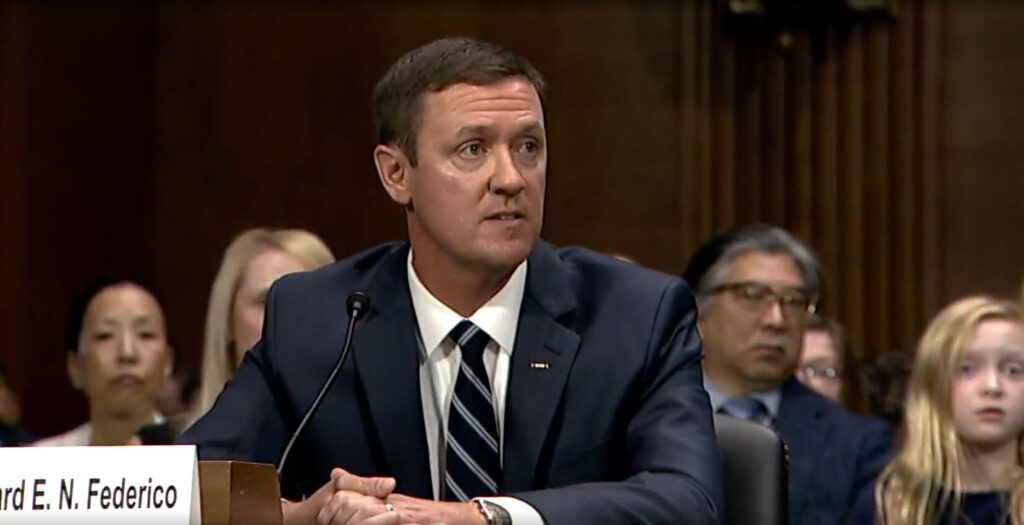
10th Circuit provides guidance on police searches of cloud-based data
Michael Karlik
michael.karlik@coloradopolitics.com
Updated 10 hours ago
The Denver-based federal appeals court provided guidance to law enforcement agencies on Monday for ensuring that searches of cloud-based accounts comply with the Fourth Amendment’s requirements. A three-judge panel of the U.S. Court of Appeals for the 10th Circuit noted...
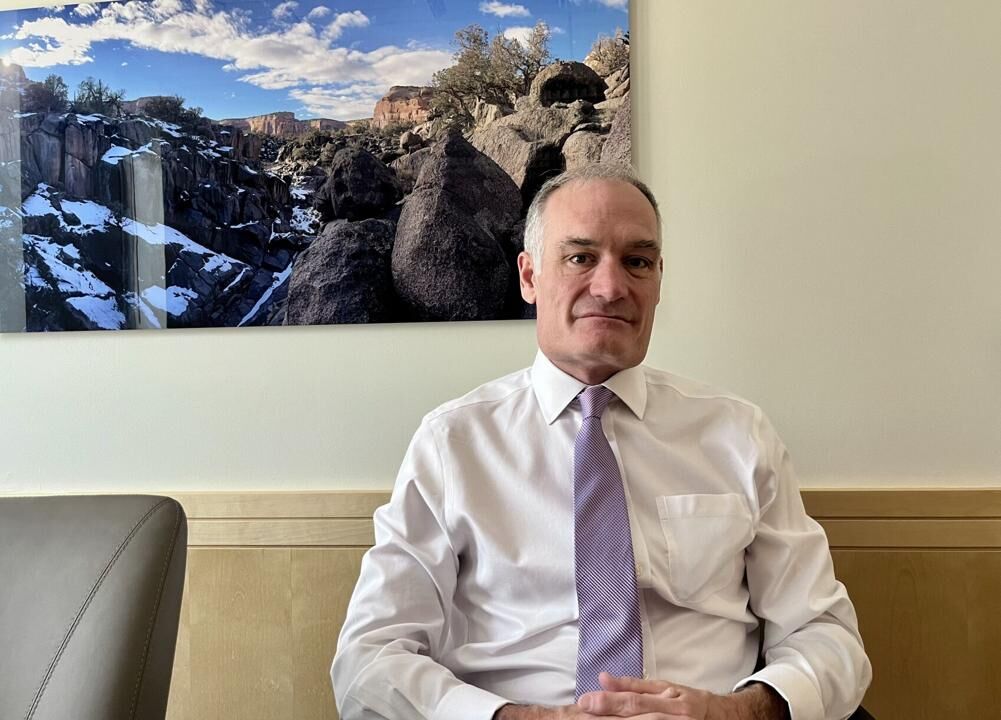
Federal judge releases man after 2 immigration judges disobey order
Michael Karlik
michael.karlik@coloradopolitics.com
Updated 15 hours ago
A federal judge released a man from immigration detention on Thursday after two different immigration judges disobeyed his order in the same case. “At this point, the Court has granted Respondents two bites at the apple to prove detention of...
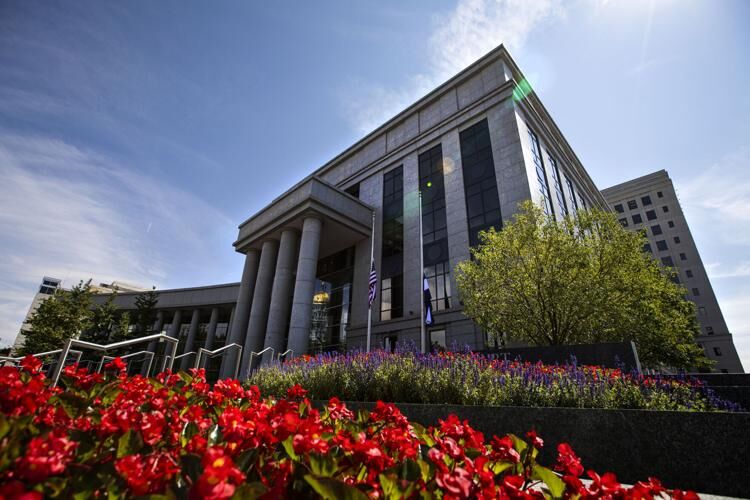
New rules for private judges in Colorado include discipline oversight, campaign contributions
David Migoya
david.migoya@gazette.com
Updated 4 hours ago
The Colorado Supreme Court recently determined the state’s private judges — retired jurists appointed to oversee civil cases that rarely get public scrutiny — can now make political contributions freely and without reserve, overruling a prohibition that had been in...
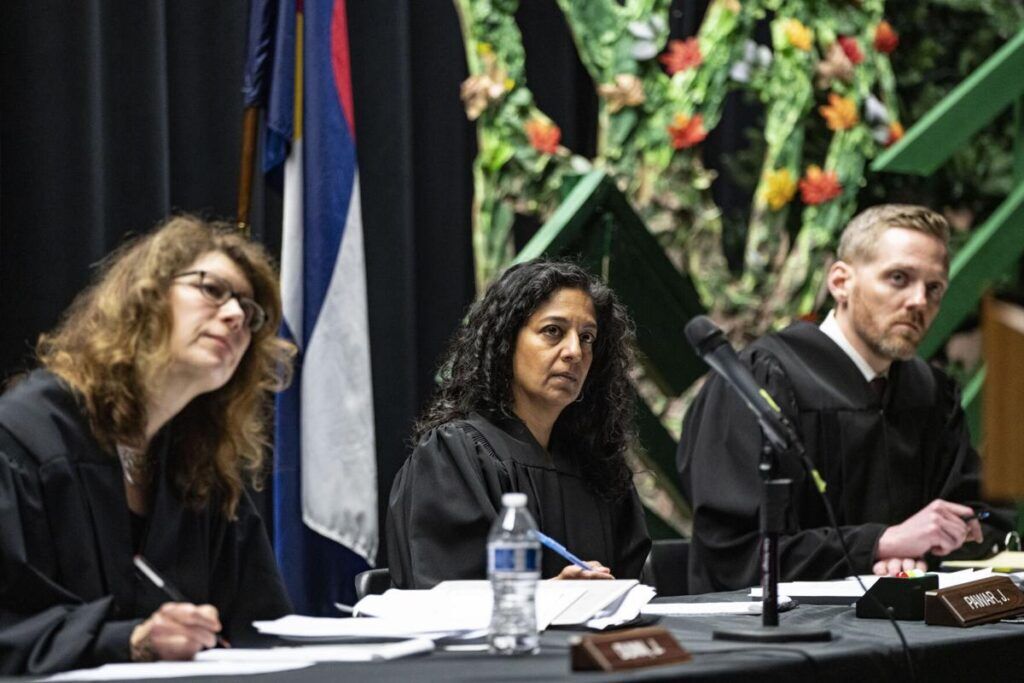
Appeals court finds Prowers County judge incorrectly analyzed firetruck collision lawsuit
Michael Karlik
michael.karlik@coloradopolitics.com
Updated 2 days ago
Colorado’s second-highest court directed a Prowers County judge last month to take a second look at whether a firetruck operator and the county itself can be held liable for a collision with a motorist. Donald Williamson was driving through a...
Appeals court reverses assault convictions after jury received no definition of ‘harm’
Michael Karlik
michael.karlik@coloradopolitics.com
Updated 2 days ago
Colorado’s second-highest court reversed an Arapahoe County defendant’s assault convictions last week, concluding the trial judge neglected to define a key, ambiguous term for jurors. Police officers arrested David Cristobal Aragon at a house party for allegedly violating a restraining...
Colorado counties cannot challenge state law restricting immigration contracts, appeals court says
Michael Karlik
michael.karlik@coloradopolitics.com
Updated 1 day ago
Colorado’s second-highest court ruled on Thursday that counties lack standing to challenge a 2023 state law that restricts their ability to contract with the federal government or private entities for immigration detention. A three-judge Court of Appeals panel agreed with...

Colorado lawmakers propose changes to family court procedures | Bills in Brief
Marissa Ventrelli
marissa.ventrelli@coloradopolitics.com
Updated 2 days ago
Colorado lawmakers introduce hundreds of bills each year. Bills in brief cuts through the noise by explaining which proposals matter, what’s at stake, and how decisions at the Capitol could affect everyday life across the state. Colorado lawmakers from both parties are...
Federal judge partially allows second World Cup trafficking lawsuit to move forward
Michael Karlik
michael.karlik@coloradopolitics.com
Updated 2 days ago
A federal judge allowed some claims to move forward last month against companies operating out of Colorado that allegedly participated in a human trafficking venture involving Filipino laborers who constructed facilities for the 2022 World Cup in Qatar. There are...
Federal judge dismisses lawsuit seeking to force Colorado secretary of state to screen out scam filings
Michael Karlik
michael.karlik@coloradopolitics.com
Updated 2 days ago
A federal judge dismissed a lawsuit last week that sought to require Colorado’s secretary of state to verify corporate filings in the state’s database to reduce the risk of future fraud. Bernard Butts of Florida, who was 83 when he...
Federal judge finds no constitutional violation by Huerfano County well inspectors
Michael Karlik
michael.karlik@coloradopolitics.com
Updated 2 days ago
A federal judge concluded last month that two Huerfano County employees did not engage in an unconstitutional search when they approached the plaintiffs’ camper within 40 feet to investigate a potential code violation. In July 2021, the county’s building inspector,...