

Federal judge finds no Colorado voter intimidation; Denver mayor says city’s homelessness approach sets ‘national example’; Health insurance premiums to rise by 5.5% | WHAT YOU NEED TO KNOW
Today is July 18, 2024, and here’s what you need to know:
Federal judge finds no Colorado voter intimidation by 'election integrity' organizers
A federal judge on Thursday concluded three civic organizations failed to provide evidence that the leaders of an “election integrity” effort illegally intimidated Colorado voters through a door-to-door canvassing project to search for election fraud in the wake of the 2020 presidential race.
After three days of testimony, U.S. District Court Judge Charlotte N. Sweeney granted the motion to end the case after noting both sides seemingly wanted to litigate matters beyond the narrow question she had to decide.
“It is not about the Jan. 6 insurrection or the history of voter intimidation in this country. It is not about the defendants’ collective belief about election fraud. It’s not about the security or lack of security of elections in Colorado,” said Sweeney, an appointee of President Joe Biden. “It is certainly not about who is paying for this litigation for any party. Those are sideshows and I was trying to reel those sideshows in.”
Denver mayor says homelessness program has 'transformed' city, set 'national example'
Exactly a year after taking office, Mayor Mike Johnston lauded his administration’s work on homelessness, saying it has “transformed” downtown Denver and “set a national example.”
In a 16-page report, Johnston effectively said the city’s previous attempts — he didn’t name his predecessors or directly allude to them — ended up in failure until he took office on July 17 last year.
“In the four years before I was elected mayor, unsheltered homelessness grew more than 250%,” he wrote. “Large encampments spread throughout the city. Businesses and residents alike worried about their safety, while not enough was done to support our unhoused neighbors.”
Colorado health insurance premiums to increase by 5.5% in 2025
Coloradans will see their health insurance premiums increase by up to 5.5% next year, according to forecasts from the state’s insurance department.
Gov. Jared Polis’ administration said that increase could have been more than four times higher if it hadn’t implemented a reinsurance program four years ago.
During the 2019 legislative session, lawmakers passed House Bill 1168, which allowed the state to file for a federal State Innovation Waiver to fund a reinsurance program aimed at stabilizing the market and lower premiums. The application was approved, and the program officially began in 2020.
While Coloradans might be paying less than they would have without reinsurance, health insurance premiums in the state remain among the highest in the nation.
6 housing projects to get $39 million from Colorado's Proposition 123
Six new affordable housing projects have been preliminarily approved for funding, the Office of Economic Development and International Trade and Colorado Housing and Finance Authority announced Wednesday.
The money came from Proposition 123, a 2022 ballot measure that allocates 0.1% of income tax revenue to support affordable housing projects across the state. The program provides below-market equity investments to developers constructing low and middle-income housing projects.
Revenue from the program, which is expected to raise nearly $300 million a year, helps to fund grants and loans to local governments and nonprofits to preserve or purchase lands for affordable housing.
2 federal judges nudge SCOTUS to reconsider jury trial limitation as 10th Circuit overturns conviction for Instagram post
Two members of the Denver-based federal appeals court took the unusual step on Tuesday of encouraging the U.S. Supreme Court to revisit its century-old precedent finding the constitutional right to a jury trial in “all criminal prosecutions” does not apply to petty offenses.
At the same time, the panel of three judges for the U.S. Court of Appeals for the 10th Circuit overturned David Lesh’s petty offense conviction for taking pictures of himself on National Forest Service land without authorization, deeming the regulation too vague to put a social media influencer on notice that posting an Instagram photo amounted to “work activity.”
“It is one thing to require a movie producer or a photographer for Vogue to seek a permit for using public lands to conduct their business,” wrote Judge Timothy M. Tymkovich in the July 16 opinion. “But it is another thing to say that same individual is liable under the regulation when he or she visits NFS lands for a ski trip and makes a personal video for Instagram.”

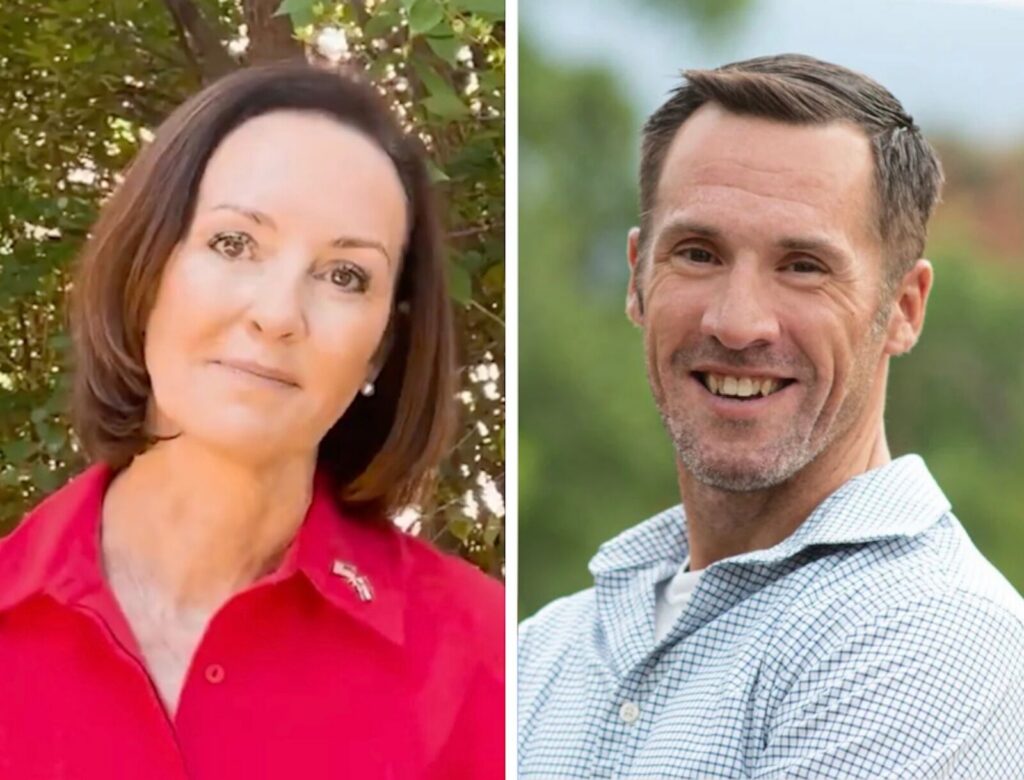
Army veterans Jessica Killin, Joe Reagan qualify for Democratic primary ballot in Colorado’s 5th CD
Ernest Luning
ernest.luning@coloradopolitics.com
Updated 1 hour ago
Democratic congressional candidates Jessica Killin and Joe Reagan secured spots Saturday in Colorado’s June primary to decide who will run against Republican U.S. Rep. Jeff Crank in a district that’s only ever sent GOP lawmakers to Congress. The two Democrats,...

Who has the power to declare war? | Cronin and Loevy
Tom Cronin Bob Loevy
tom-cronin-bob-loevy@coloradopolitics.com
Updated 5 hours ago
Our constitutional framers boldly and ambitiously granted Congress the power to declare war yet granted the executive the responsibility, after war is declared, to supervise war as the commander-in-chief. That worked well until the Cold War began. The U.S. has been...
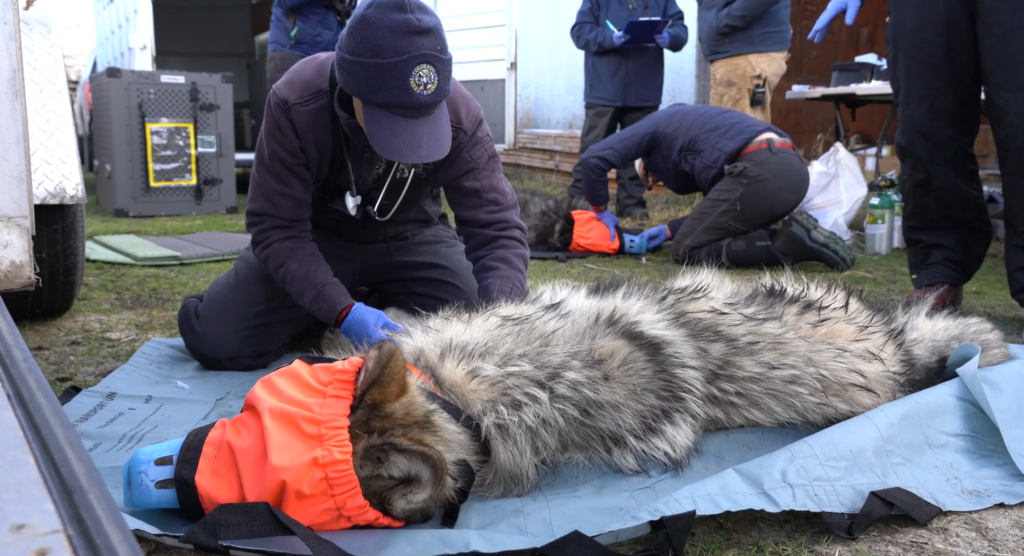
Latest death brings down wolves’ survival rate to 44% in Colorado
Marianne Goodland
marianne.goodland@coloradopolitics.com
Updated 9 hours ago
The female wolf of the mating pair for the King Mountain pack has died, bringing total fatalities to 14 out of the 25 animals reintroduced in Colorado. The wolf, identified as No. 2310, was among the 10 wolves brought to...

The delicate, ever-changing dance between politics and religion | SONDERMANN
By Eric Sondermann
by-eric-sondermann@coloradopolitics.com
Updated 7 hours ago
The dance, really a marathon that brings to mind the classic movie “They Shoot Horses, Don’t They?”, has been going on as long as there have been governments and organized religion. That is to say that this delicate tango has...
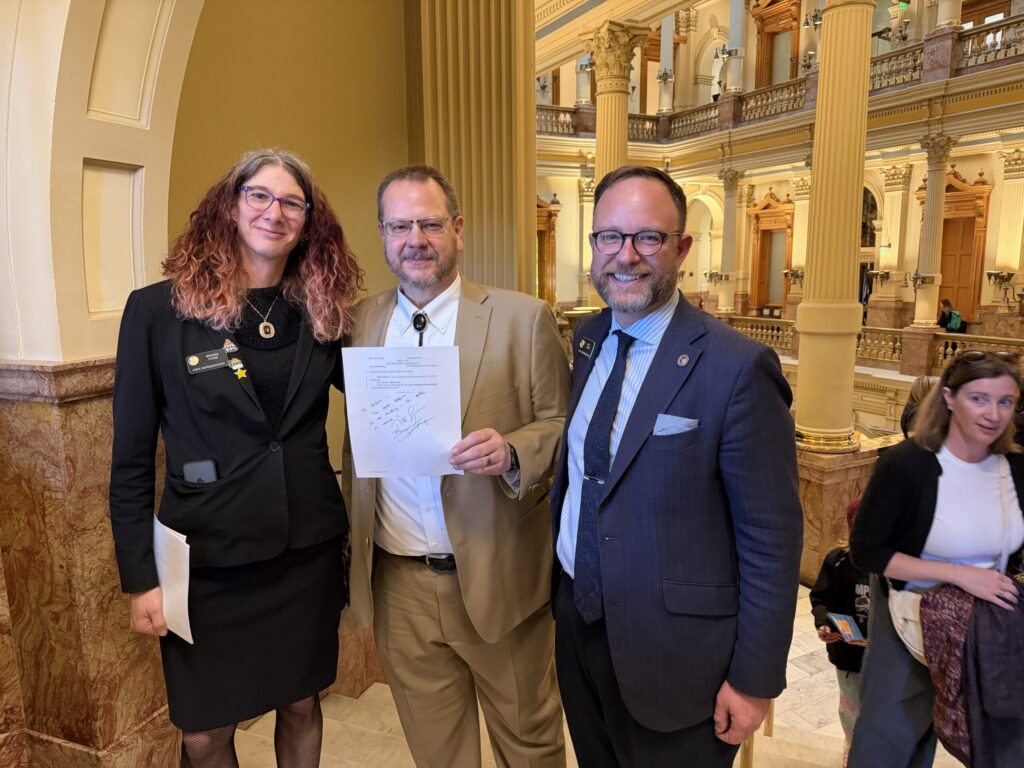
Roasts, get yer roasts, here: Capitol M | Week of March 14, 2026
Marianne Goodland
marianne.goodland@coloradopolitics.com
Updated 3 days ago
The lighter side of the Capitol, especially in the past week Apparently, the pending and eventual switch to daylight stupid time has put people in some pretty funny moods. And thank goodness! On March 4, the Senate approved the appointments...
Polly Baca elected to DNC | A LOOK BACK
Rachael Wright, Special to Colorado Politics
rachael.wright@coloradopolitics.com
Updated 3 days ago
Forty-Five Years Ago This Week: After her loss to Republican U.S. Rep. Hank Brown the previous year in the race for the 4th Congressional District, state. Sen Polly Baca-Barragan, D-Thortnon, was elected as one of the three vice-chairs of the...

Colorado Politics Calendar Mar. 16-22
Rachael Wright, Special to Colorado Politics
rachael.wright@coloradopolitics.com
Updated 3 days ago
CoPo’s weekly political calendar will help you find political and public-policy events throughout Colorado. It includes candidate and issue campaign events, public policy meetings, court hearings, state and local party conventions, assemblies, debates, rallies, parades, speaking engagements, traveling dignitary appearances,...
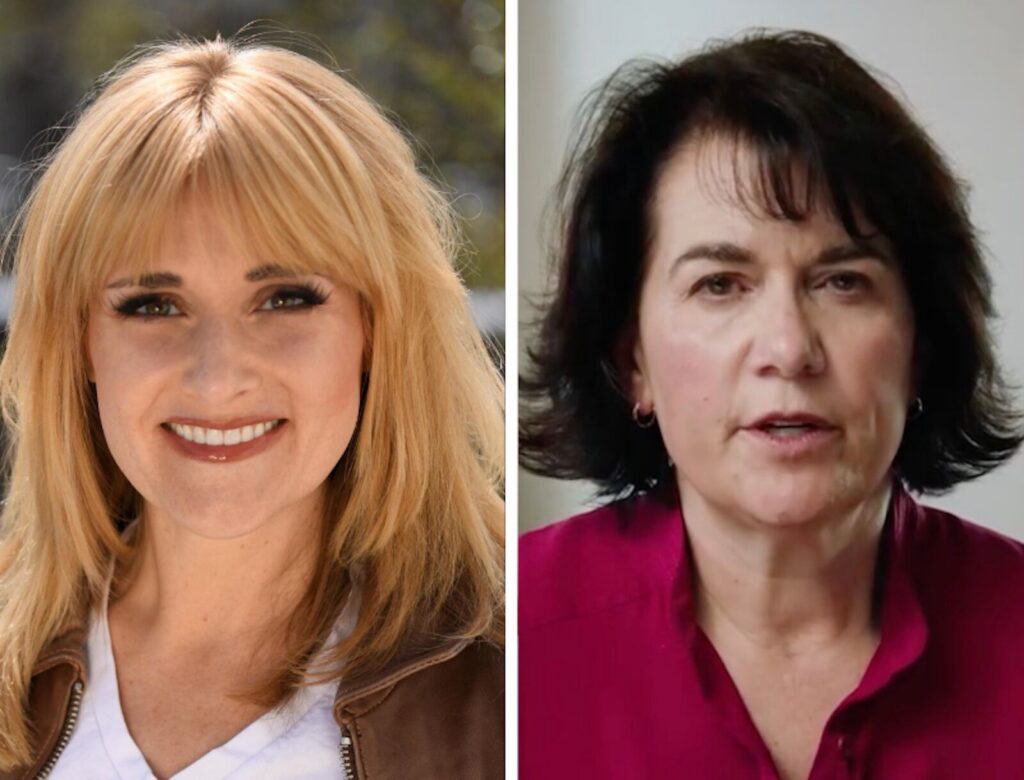
Boebert challenger Eileen Laubacher joins lawsuit aimed at blocking her from Democratic assembly
Ernest Luning
ernest.luning@coloradopolitics.com
Updated 24 hours ago
A Denver District Court judge on Thursday permitted Democratic congressional candidate Eileen Laubacher to join a lawsuit filed by one of her primary opponents seeking to prevent Laubacher from participating in the party’s assembly process in a bid to qualify...
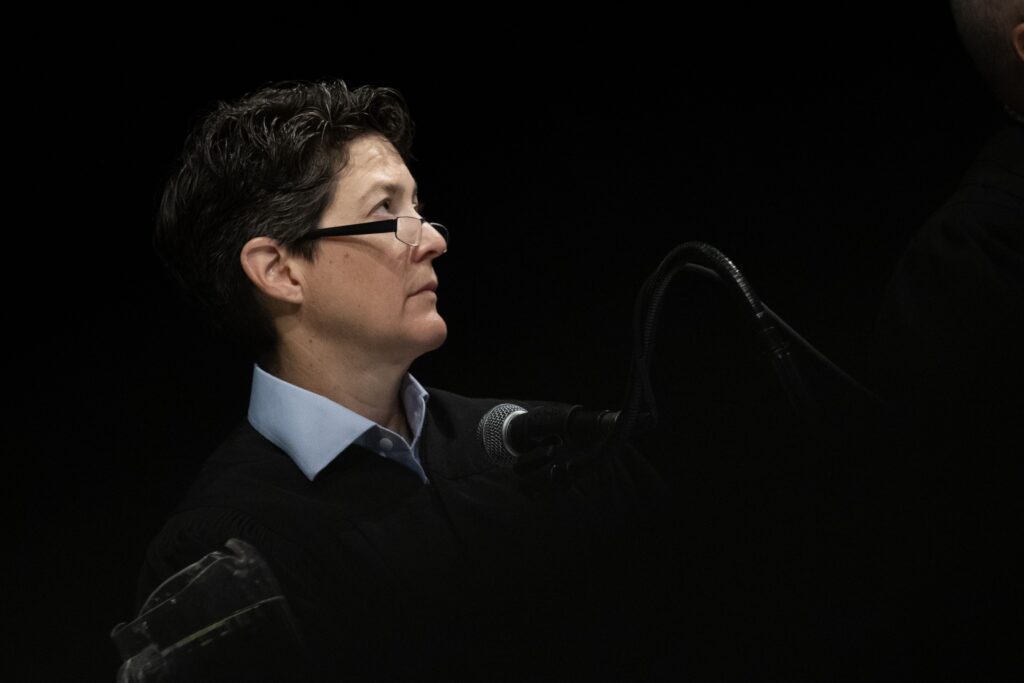
Colorado justices weigh fairness concerns after defendant prevailed despite ghosting case
Michael Karlik
michael.karlik@coloradopolitics.com
Updated 2 hours ago
Members of the Colorado Supreme Court struggled on Tuesday to balance the need for one defendant to shield itself against a plaintiff’s claim that its employee sexually assaulted her child, and the fact that the employee legally admitted the allegations...
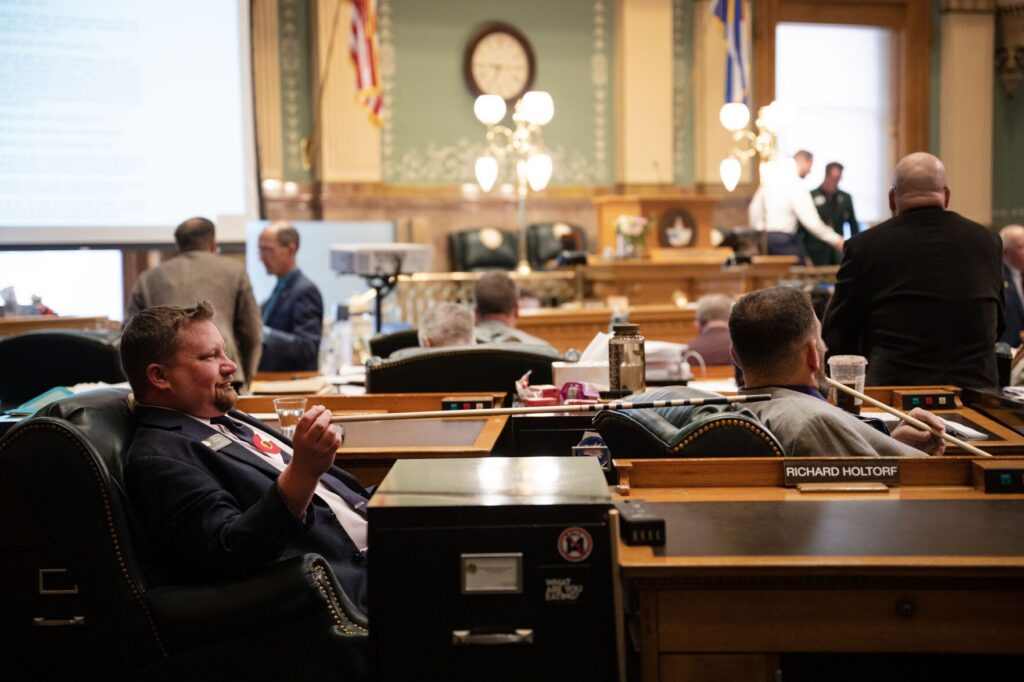
House Ethics Committee to begin hearing on Weinberg complaint
Marianne Goodland
marianne.goodland@coloradopolitics.com
Updated 1 day ago
The House Ethics Committee on Tuesday will begin a hearing requested by Rep. Ron Weinberg, R-Loveland, tied to an ethics complaint filed against him by Rep. Brandi Bradley, R-Roxborough Park. The ethics committee had found probable cause on two issues...