

Denver to close four immigrant shelters, starting with Aurora
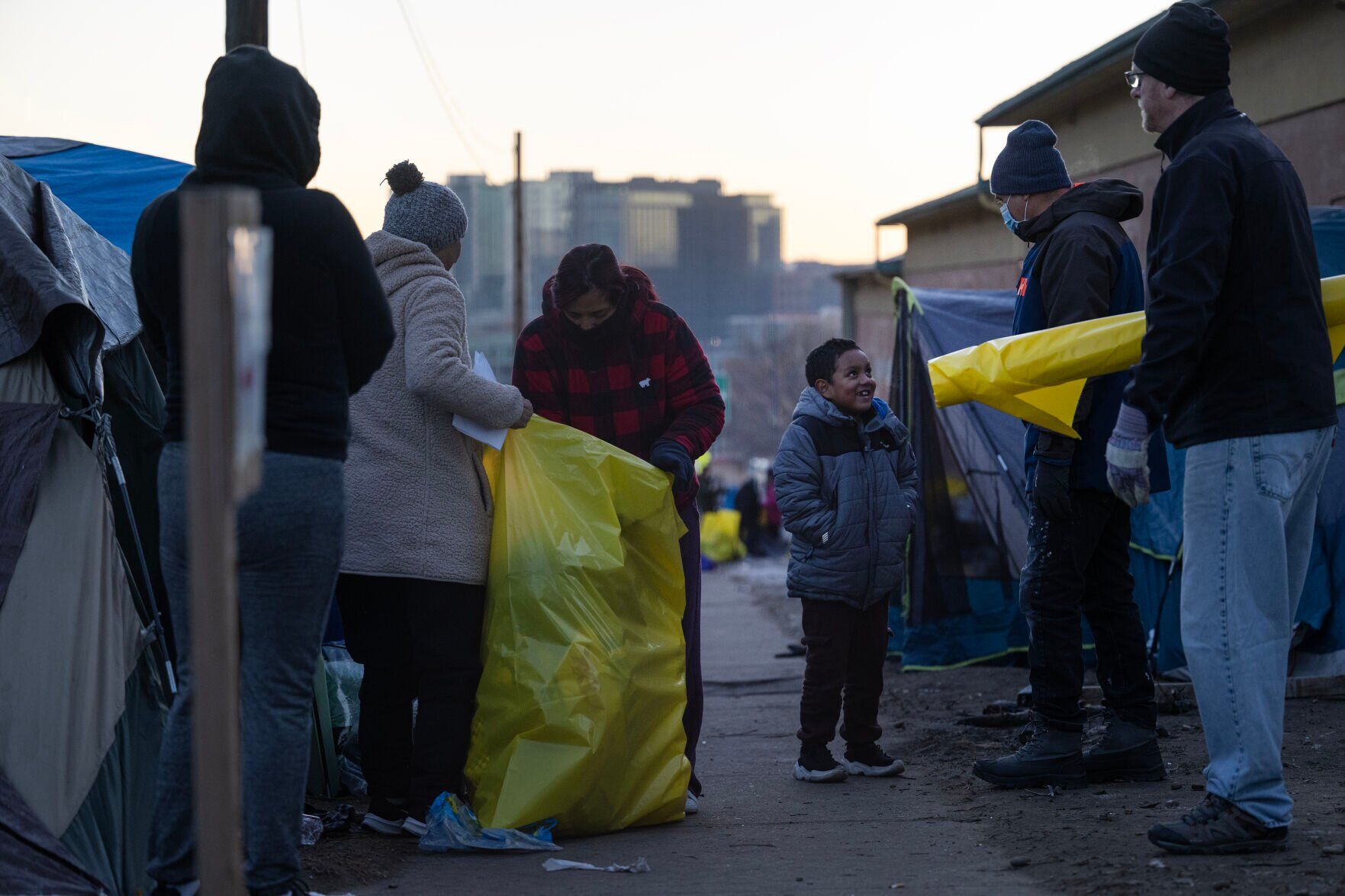
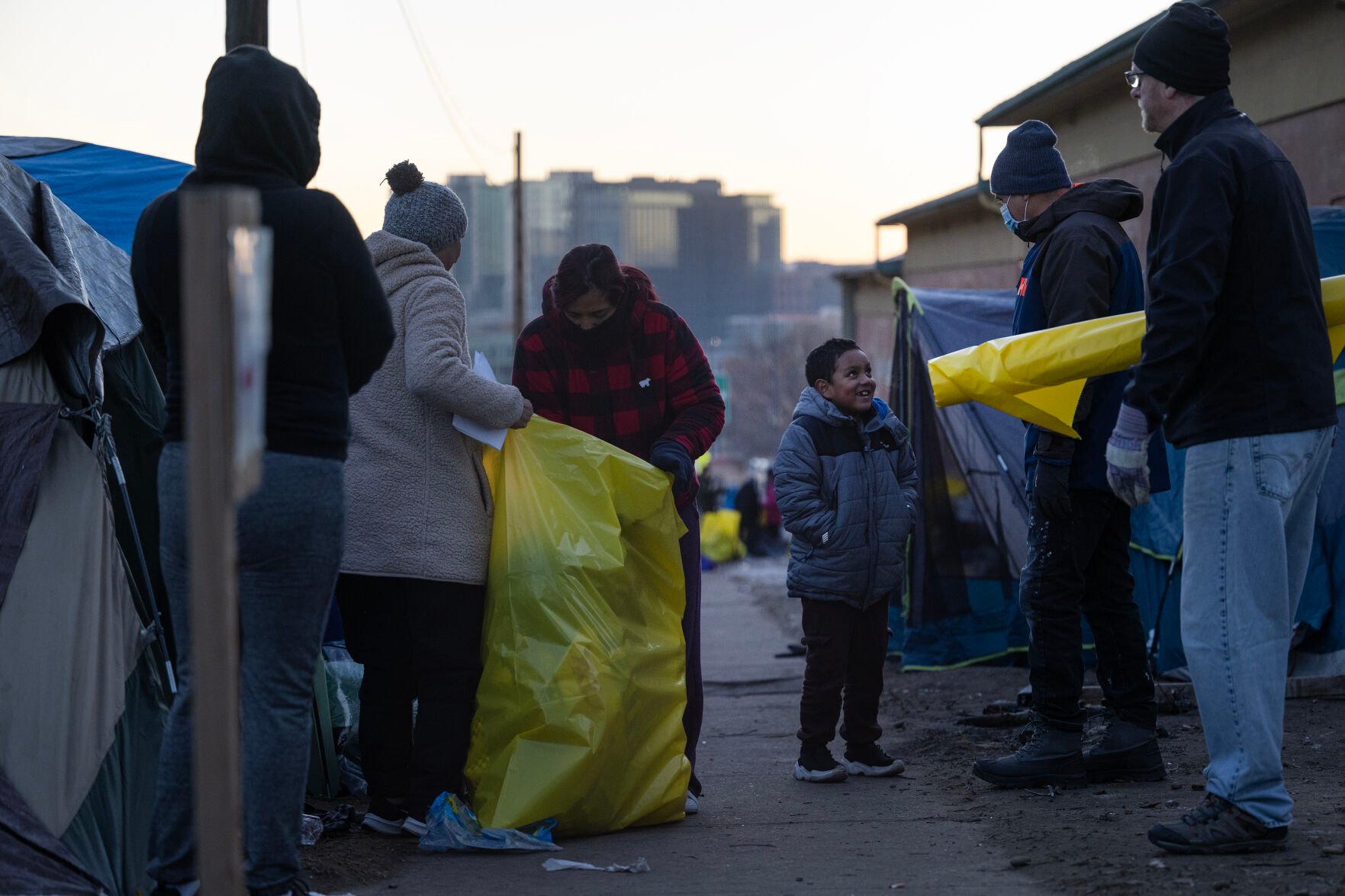
Next week when Denver begins closing shelters used to temporarily house immigrants, officials will start with the shelter in Aurora that has driven a wedge between the two cities.
The shelter is one of four hotels that Denver Mayor Mike Johnston said earlier this week the city would be shuttering over the next month, a move that is expected to slash the city’s projected $180 million spending on the illegal immigration crisis by $60 million.
At least one Aurora official said Friday that the move was a little too little too late.
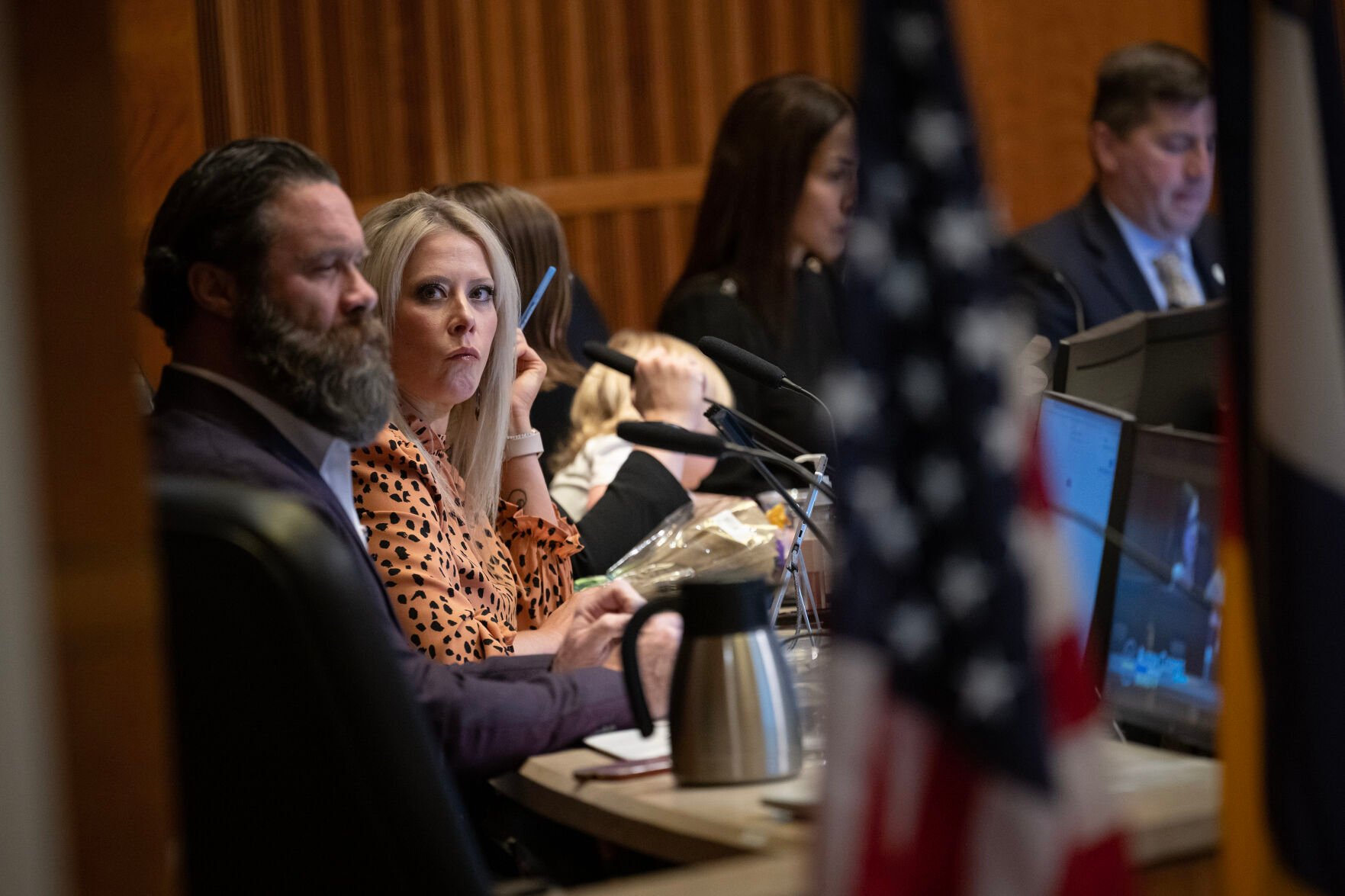
Aurora City Councilwoman Danielle Jurinsky, who sponsored the immigration resolution approved earlier this week, called the closure “a joke.”
“I don’t know what it is exactly that they’re closing,” Jurinsky said. “Most of the people have already left.”
In fact, Denver has been winding down its shelter operations Aurora over the past two months.
Aurora Mayor Mike Coffman said on Dec. 12 in a Facebook post that Denver officials agreed to close the shelter.
“I deeply appreciate that Mayor Johnston not only agreed to stop busing anymore migrants to the hotel but that he also agreed to pick up the migrants, who are currently staying there, when their vouchers expire,” Coffman said.
The issue nabbed headlines after the hotel, to make room for immigrants, booted out long-term residents like Joe Sauceda, who had been living in the Aurora hotel for a year.
Earlier this week, the Aurora City Council made a symbolic statement that it was not a sanctuary city when it passed a resolution demanding other cities and organizations “not systematically transport migrants or people experiencing homelessness” into their city without first coordinating with Aurora.
Aurora to local governments, nonprofits: Don’t bring immigrants in without coordinating
“Sanctuary city” generally refers to a designation given to municipalities and counties with policies that discourage local law enforcement from reporting an individual’s immigration status to federal authorities.
Jurinsky sponsored the resolution.
“I think that we made a statement loud enough that Denver will think twice before busing them in again,” Jurinsky said.
Aurora Councilwoman Allison Coombs, who voted against the resolution, sees the rift between the two cities differently.
Her city leadership, Combs said, had already declined to provide funding to aid in the response long before Denver bused immigrants to Aurora. And while Aurora will not be part of the regional response Denver leaders had hoped for in a long-term strategy, Combs said not to count her residents out.
“I see (nonprofit organizations) playing a role in making sure Aurora as a community is still part of the response even though Aurora, as part of the government, is not,” Coombs said.
About 10 immigrants were staying at the hotel in Aurora Friday, said Jon Ewing, a spokesperson for Denver Human Services, which is managing the humanitarian response.
Johnston said during a press conference on Wednesday that about 300 immigrants could be relocated.
If they have not exhausted their shelter stay – which is two weeks for individuals and about six for families – immigrants either will be relocated to another shelter or helped placed in housing.
As of Friday morning, Denver has received 38,941 immigrants. Not all of them stayed here, as Denver has provided transportation vouchers to send them to other cities they chose.
Early in the humanitarian crisis, Denver officials decided the city would assume the responsibility to temporarily house, feed and transport arriving immigrants, who ended up in Denver after illegally crossing the southern border.
That decision has cost more than $58 million.
Despite state and federal grants, Denver taxpayers have assumed the bulk of these costs.
In January – at the height of the latest wave of new arrivals, when Denver was sheltering nearly 5,000 immigrants – Johnston projected the costs this year could reach $180 million and he directed city departments to make cuts of up to 15%.
About 2,200 immigrants were being sheltered on Friday.
With the shelter closures, Johnston has said the spending on the response could now be up to $120 million.
Last month Johnston announced $5 million in service cuts to the Department of Motor Vehicles and Department of Parks & Recreation with more belt tightening expected.

The African roots of three Colorado leaders | SONDERMANN
Eric Sondermann
eric-sondermann@coloradopolitics.com
Updated 2 days ago
Colorado’s political transformation is measured in many ways. A once reliably red state (with asterisks) became purple and is now a rather deep blue. For better or worse, probably the latter, power is ever more consolidated along the Front Range...

Colorado Politics Calendar Sept. 14-20
Rachael Wright, Special to Colorado Politics
rachael.wright@coloradopolitics.com
Updated 3 days ago
CoPo’s weekly political calendar will help you find political and public-policy events throughout Colorado. It includes candidate and issue campaign events, public policy meetings, court hearings, state and local party conventions, assemblies, debates, rallies, parades, speaking engagements, traveling dignitary appearances,...
Federal judge green-lights civil trial against ex-Fort Collins DUI officer
Michael Karlik
michael.karlik@coloradopolitics.com
Updated 16 hours ago
A federal judge ruled on Thursday that Fort Collins’ former “DUI officer” will face a civil trial for allegedly investigating a motorist for impaired driving without any reasonable suspicion to do so. In recent years, several people arrested by Officer...

Denver police reopen 13 sex assault cases after retesting Missy Woods’ CBI work
Jenny Deam
jenny.deam@gazette.com
Updated 13 hours ago
Thirteen previously closed Denver sexual assault cases have been reopened after the city’s crime lab retested DNA evidence once analyzed by former Colorado Bureau of Investigation forensic analyst Yvonne Woods. A police spokesperson told The Denver Gazette the once-closed cases...

Ballot measure aims to shift Colorado sporting-goods tax revenue to land, water and wildfire projects
Marissa Ventrelli
marissa.ventrelli@coloradopolitics.com
Updated 18 hours ago
Colorado voters this November will decide whether to direct a share of sales tax revenue from sporting goods — including bicycles and skiing equipment — toward land and water conservation, wildfire prevention and expanding outdoor recreation. Supporters say the measure...

Colorado Supreme Court suspends Mesa County judge pending misconduct investigation
Michael Karlik
michael.karlik@coloradopolitics.com
Updated 19 hours ago
The Colorado Supreme Court suspended Mesa County Court Judge Michael J. Grattan on Thursday amid a misconduct investigation. The court’s Sept. 10 order gave Grattan 21 days to explain why his paid suspension should not continue through the end of...

Trump honors the fallen of the 9/11 terrorist attacks during Pentagon speech
Mabinty Quarshie
mabinty-quarshie@coloradopolitics.com
Updated 19 hours ago
President Donald Trump and first lady Melania Trump honored the roughly 3,000 Americans killed during the Sept. 11, 2001, terrorist attacks during a ceremony at the Pentagon. The event marking the 25th anniversary of the deadliest attack on American soil...

Immigration reporting measure fuels debate over Colorado’s role with ICE
Marissa Ventrelli
marissa.ventrelli@coloradopolitics.com
Updated 15 hours ago
A coalition of advocacy groups and several district attorneys rallied outside the Colorado Capitol on Thursday to oppose a ballot measure that, if approved by voters in November, would require state and local law enforcement to cooperate with federal immigration...
Colorado Supreme Court changes course, dismisses case about special district bonds
Michael Karlik
michael.karlik@coloradopolitics.com
Updated 15 hours ago
The Colorado Supreme Court declined on Friday to decide a dispute between a large-scale Commerce City development and the various districts financing it, after initially showing interest in the ongoing case. Colorado has roughly 2,800 special districts, which are local...

Trial remains elusive for purported mastermind accused of plotting 9/11 attacks
The Associated Press
the-associated-press@coloradopolitics.com
Updated 22 hours ago
NEW YORK (AP) — Two decades after U.S. authorities locked Khalid Sheikh Mohammed away at a military detention center in Cuba, the purported mastermind of the Sept. 11 attacks sometimes seems barely any closer to being put on trial than...