

How Colorado became the focal point of 14th Amendment efforts to disqualify Trump from the ballot
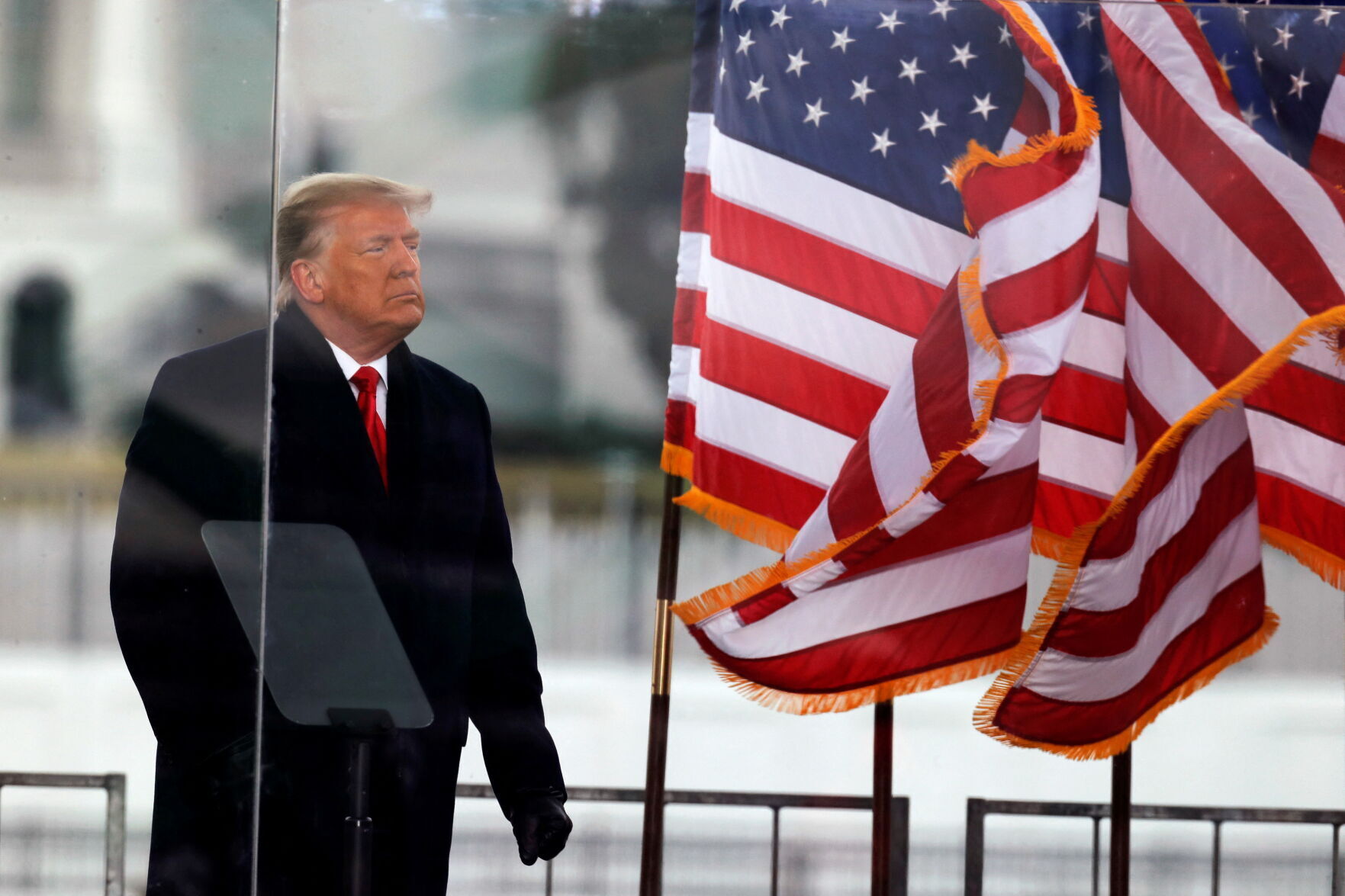
The extraordinary Colorado election case now headed for the U.S. Supreme Court to decide if former President Donald Trump is disqualified from the ballot had its humble beginnings three years ago in the Maryland basement office of a self-proclaimed legal nerd.
It was around New Year’s Day 2021. Constitutional scholar and University of Maryland law school professor Mark Graber was putting the finishing touches on a chapter delving into the then mostly forgotten Section 3 of the 14th Amendment.
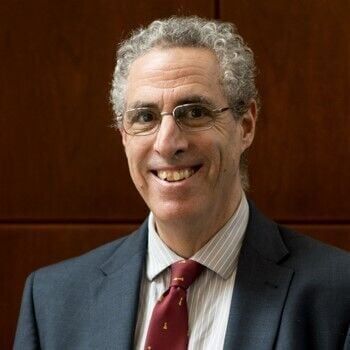
Just the kind of thing Graber, a historian at heart, loved. The rarely used section had been crafted more than 150 years ago to disqualify former Confederate leaders from holding office because they had engaged in an insurrection.
It read: “No person shall be a Senator or Representative in Congress, or elector of President or Vice-President, or hold any office, civil or military, under the United States or under any State, who, having previously taken on oath, as a member of Congress, or as an officer of the United States, or as a member of any State legislature, or as an executive or judicial officer of any State, to support the Constitution of the United States, shall have engaged in insurrection or rebellion against the same, or given aid or comfort to the enemies thereof. But Congress may by a vote of two-thirds of each House, remove such disability.”
After completing his chapter, Graber hit “save” on his computer and took a quick break. Little did he know the 111-word passage in the U.S. Constitution was about to explode into one of the most hotly debated pieces of jurisprudence today. And that he would soon play a pivotal role.
“If you told me that, I would have said you were nuts,” he said.
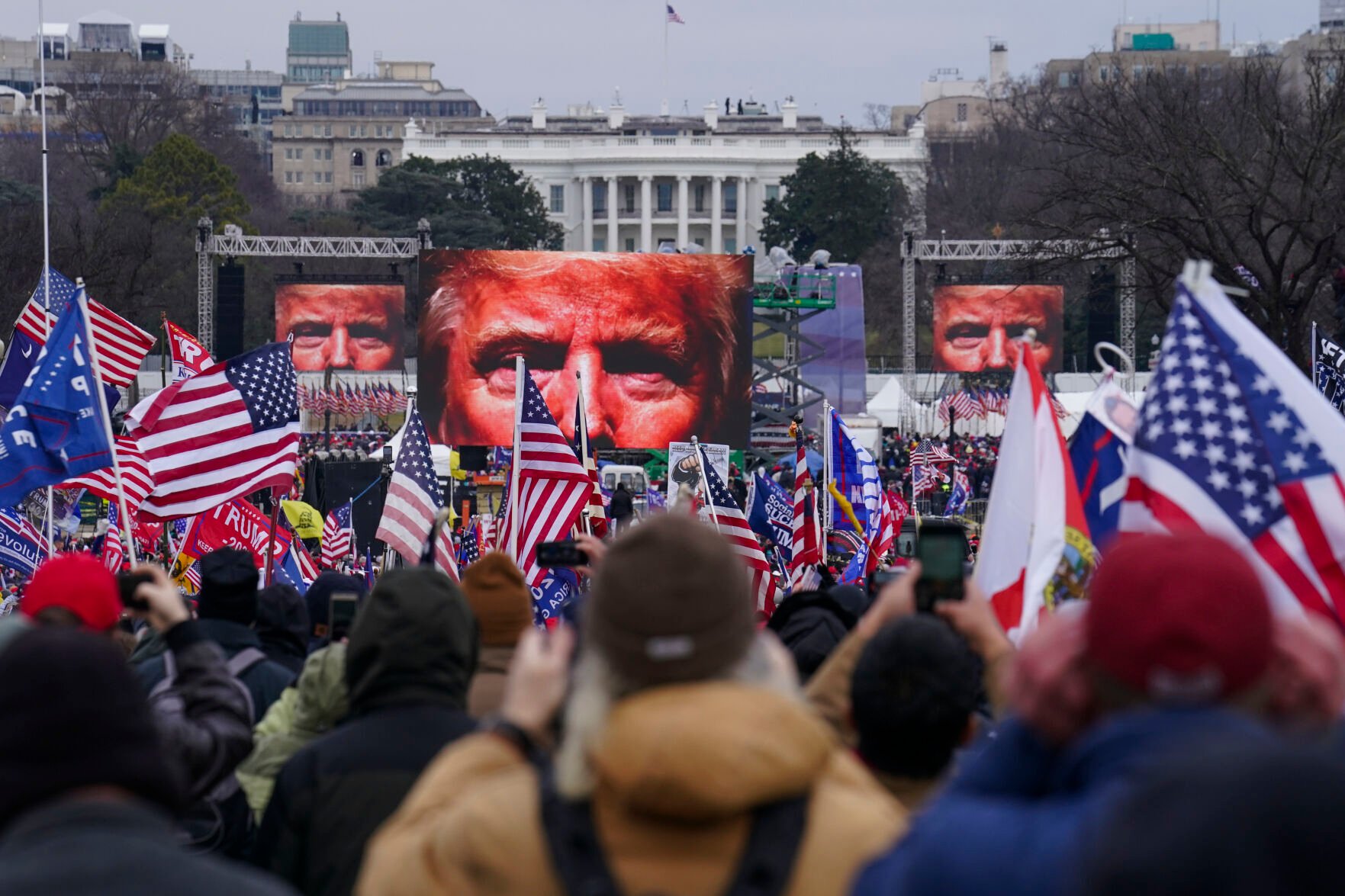
Then on Jan. 6, 2021, like much of the nation, Graber watched the breach of the U.S. Capitol unfold on live television. Suddenly the word “insurrection” was in the air to describe the mob of Trump supporters who tried to stop the certification of Electoral College votes. Some would later say they were spurred by the former president who urged them to “fight like hell.”
A friend of Graber’s who knew of his work on the 14th Amendment sent him an email and asked if the section disqualifying someone from office was somehow now relevant.
“I thought about it,” Graber said, “and I said yes.”
On Jan. 11, Graber published an essay for The Constitutionalist called “Section Three to the Rescue.” In it he theorized that Congress could ban future office-holding under the 14th Amendment, as well as voiding any presidential action taken by Trump between Jan. 6 and when he left office if he participated in an insurrection. (Graber would expand the disqualification theory to include the courts.)
Trump would later vehemently deny that his words to supporters both before and on Jan. 6 were meant to incite violence nor did what happened that day rise to the definition of an insurrection. It should have no bearing on his ability to run for reelection, he insisted.
But the 14th Amendment candle had been lit.
‘He might well be ineligible’
Around the same time, a fellow traveler in constitutional law circles, Gerard Magliocca, author and law professor at University of Indiana, was circling around the same theory.
Although Magliocca said he did not watch the events of Jan. 6, he did hear them described later that night as an insurrection. That sparked a curiosity about the possible legal ramifications of the 14th Amendment.
On Jan. 6, he wrote a quick post in a legal blog, Balkinization, in which he cited U.S. Sens. Mitt Romney and Mitch McConnell, both Republicans, who floated the term “insurrection.” Magliocca wrote that “if (the) President is ‘an officer of the United States’ and he did incite an insurrection against the United States, then he might well be ineligible under Section Three.”
But he cautioned that just because members of Congress called what happened an insurrection did not mean it was one. He said the question “is just an academic point for now,” but added that should Trump run in 2024, “someone is bound to claim that he cannot serve.”
After the initial flurry of speculation, though, the buzz went mostly quiet. The argument for disqualification was invoked twice in early 2022 by opponents of Republican U.S. Reps. Marjorie Taylor Green and Madison Cawthorn who contended the lawmakers had been involved in the insurrection and therefore ineligible for office. The challenge against Greene failed, and the one against Cawthorn became moot when he lost his primary.
Then came New Mexico.
An Otero County, N.M., county commissioner named Couy Griffin participated in the storming of the Capitol grounds on Jan. 6 and later made public threats about returning to Washington, D.C., with firearms to disrupt the inauguration of President Joe Biden.
Griffin, who founded a group called Cowboys for Trump, was arrested in Washington on Jan. 17, 2021, and charged with trespassing and disorderly conduct. He was found guilty of trespassing by a federal judge in the spring of 2022 after a bench trial but acquitted of the second charge. He served 14 days in jail and was ordered to perform 60 days community service and pay a $3,000 fine.
A Washington D.C- based nonprofit advocacy group called Citizens for Responsibility and Ethics in Washington (CREW) was watching closely and saw a potential case brewing.
For months, it had been researching the viability of using the 14th Amendment’s Section 3 to force accountability for those involved on Jan. 6. The group contacted Graber and he agreed to help.
The advocacy group, representing three New Mexico residents, filed suit in March 2022 asking that Griffin be disqualified from office. On Sept. 6, 2022, after a trial in which Graber testified, a New Mexico district judge ruled that Griffin’s actions on Jan. 6 warranted his removal from office and, further, that he be barred from ever serving again. Griffin appealed but lost.
It was the first time Section 3 was applied successfully at trial in modern times, said Donald Sherman, chief counsel for CREW.
Then in November 2022, Trump announced his reelection bid.
By then, on the heels of its success in New Mexico, the CREW organization was already looking for other places across the country to further use disqualification.
“There were any number of people we were looking at,” Sherman said in an interview. But he added that to bring these kinds of cases was a heavy lift for his small group, so it had to narrow its gaze.
They settled on Colorado.
Fly in the face of democracy
Last summer, Norma Anderson, a now 91-year-old lifelong Republican and former Colorado state senator, got a call from Mario Nicolais, a local attorney and opinion columnist who specializes in election law and who was also once a Republican before leaving the party because of Donald Trump.
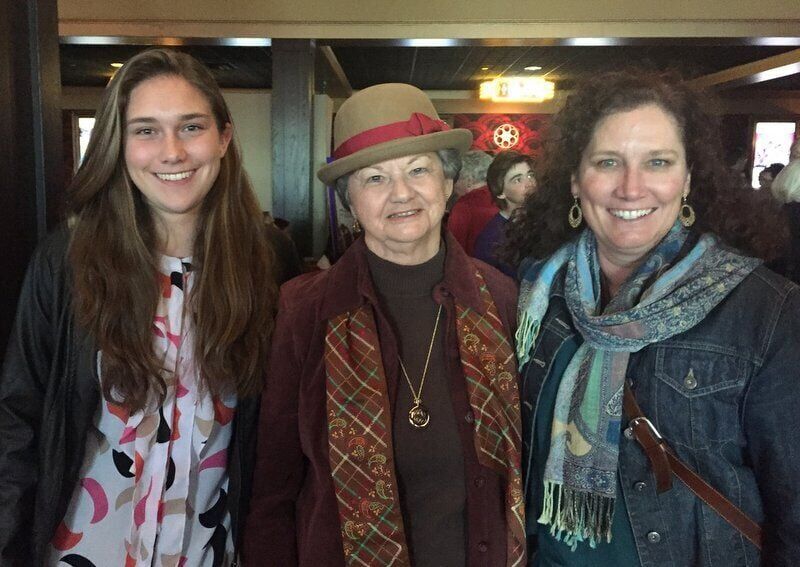
Nicolais was among several Colorado lawyers from both political parties tapped by CREW last spring to help bring a case to disqualify Trump from the Colorado primary ballot based on the former president’s role on Jan. 6.
He told Anderson what they were planning and asked if she would be willing to be a plaintiff in the case. She answered in two words:
“Hell, yes.”
And with that, her name became cemented in the history books, as she ultimately became the lead plaintiff in Anderson v. Griswold, the landmark case filed Sept. 6, 2023, against Secretary of State Jena Griswold, to keep Trump’s name off the state’s primary ballot.
Of the six plaintiffs, four are Republicans and two are unaffiliated.
The process of finding the venue and identifying plaintiffs in these kinds of precedent-setting cases can be tricky.
Sullivan said his group chose Colorado because its election laws allow voters to bring a challenge, unlike some other states, where similar challenges have failed. Colorado also has an early primary, held on March 5, known as Super Tuesday. And, of course, his group looked for a state where it had a decent chance of succeeding, he said.
While both Sullivan and Nicolais were more guarded in discussing how the plaintiffs were finalized, they acknowledged that using mostly Republicans helped dilute criticism that the case is based on politics – something the Trump camp contends is at the heart of the challenge.
Anderson describes herself as a Never-Trumper who watched the events of Jan. 6 in horror and places the blame at the feet of the former president.
“When I saw what was happening, I cried,” she said recently, “I thought our government is being attacked.”
“I was waiting for something to happen,” she added, “I didn’t know I would be involved but here we are, and I’m proud of it.”
Dave Williams, chair of the Colorado Republican Party, has harsh words for all those involved in the case, including Anderson and the other Republican plaintiffs.
“They betrayed the party. They have betrayed their countrymen,” he said, calling the application of the 14th Amendment to Trump’s candidacy a stretch at best and a vendetta against the former president.
He, as well as other Trump supporters, argue that to disqualify Trump from the Colorado ballot – and potentially from the ballots of other states – would fly in the face of democracy by disenfranchising millions of voters unable to choose their favored candidate.
In August 2023, two leading constitutional scholars, William Baude, a law professor at the University of Chicago, and Michael Paulsen, a law professor at the University of St. Thomas School of Law, both prominent conservatives, wrote in a preview of an upcoming opinion piece that Trump should be disqualified from office under Section 3 of the 14th Amendment.
Their article, “The Sweep and Force of Section Three,” will be published in full next year in the University of Pennsylvania Law Review.
The trial in Colorado was set for Oct. 30 in Denver. As Graber had done in New Mexico, Magliocca would be an expert witness for the plaintiffs in Colorado. That morning, at breakfast, Nicolais told him, “The fate of the free world rests on your shoulders. But no pressure.”
After the five-day trial, Denver District Judge Sarah Wallace ruled that the secretary of state could assess a presidential candidate’s eligibility and that Trump incited an insurrection on Jan. 6. But she also concluded that Section 3 of the 14th Amendment does not apply to the U.S. president and ordered election officials to put Trump’s name on the Colorado ballot.
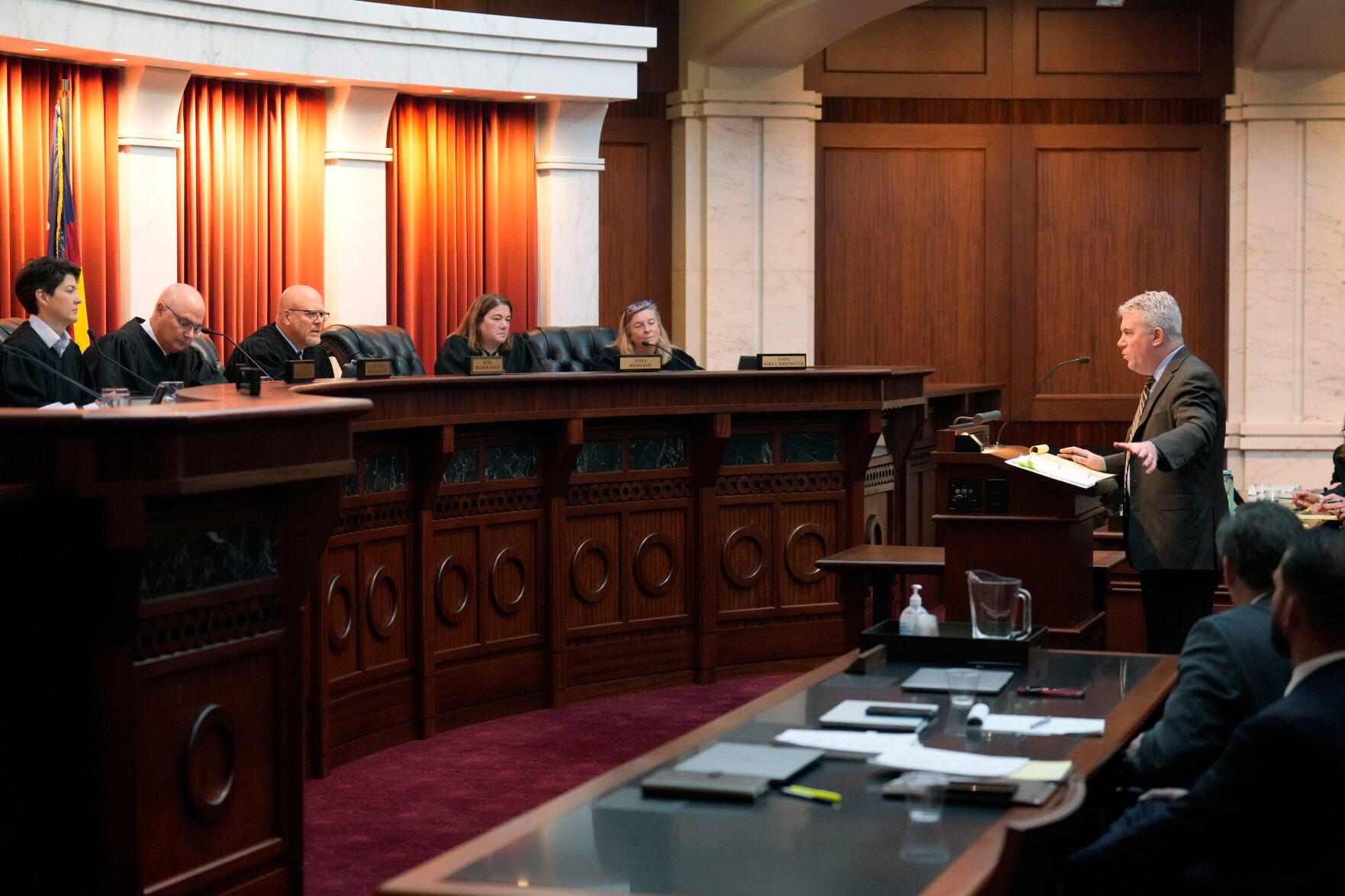
The decision was appealed to the Colorado Supreme Court. On Dec. 19, that court in a 4-3 decision made history by overturning the lower court decision and said it would be illegal under the state’s election code to place Trump’s name on the state’s presidential primary ballot. The dissenting justices argued Colorado’s election code was not the proper venue to litigate such a complex case and that Trump was not afforded due process. It was the first time a presidential candidate was disqualified from office based on the 14th Amendment.
Colorado’s justices, however, stayed their decision, anticipating the case would go to the U.S. Supreme Court. Trump and the state GOP appealed, which means Trump’s name will, in fact, appear on the Colorado ballot.
‘Chaos and bedlam’ predicted
All eyes are now on the U.S. Supreme Court, which has agreed to accept the case with arguments scheduled to begin Feb. 8.
Other states are closely watching, including Maine after it similarly banned Trump from the ballot but has now said it will wait for the Supreme Court decision.
The Trump legal team has argued: “The Colorado Supreme Court has no authority to deny President Trump access to the ballot. By doing so The Colorado Supreme Court has usurped Congressional authority and misinterpreted and misapplied the text of Section Three.”
The former president’s lawyers also said that insurrection as defined in the post-Civil War era when the 14th Amendment was drafted meant taking up arms and waging war upon the United States – something they contend did not happen Jan. 6. Instead, they said the events that day were protected political protest.
On Thursday, in a strongly worded legal brief to the Supreme Court, Trump’s legal team said the former president did not participate or incite any violence but rather “President Trump repeatedly called for peace, patriotism and law and order.”
The brief also predicted “chaos and bedlam” in the nation should the Colorado decision stand.
The plaintiffs’ lawyers countered that chaos and bedlam would erupt if the Colorado decision were struck down.
All briefs in the case are due Jan. 31.
Williams, the head of the Colorado GOP, said he will travel to Washington to hear the arguments. The Colorado GOP recently endorsed Trump for president, breaking from the party’s longstanding practice of staying neutral in primaries.
Nicolas will also be in Washington next month. Anderson said she hopes to as well, health permitting.
At this point neither Graber nor Magliocca plan to attend, saying that they will likely be watching from the sidelines.
“You have to study and do what matters to you and other people will care about it or maybe they won’t,” Magliocca said. “The day after the Supreme Court rules I will return to obscurity.”

Colorado board permits state to appeal injunction against arthritis drug price cap
Marissa Ventrelli
marissa.ventrelli@coloradopolitics.com
Updated 23 minutes ago
A Colorado board voted Friday to allow the Attorney General’s Office to fight an injunction against a price cap on a drug that treats arthritis. A U.S. district court judge had granted the company Amgen a preliminary injunction, temporarily blocking...

Federal judge rejects constitutional claims, ‘expressions of hatred’ by Club Q defendant
Michael Karlik
michael.karlik@coloradopolitics.com
Updated 2 hours ago
A federal judge rejected a defendant’s claims that he received constitutionally ineffective assistance of counsel while facing federal hate crime and firearms charges for murdering five people at a Colorado Springs LGBTQ nightclub in 2022. Anderson Lee Aldrich is serving...

Divided 10th Circuit upholds Colorado congestion fee on car rentals
Michael Karlik
michael.karlik@coloradopolitics.com
Updated 2 hours ago
The Denver-based federal appeals court concluded on Monday that a 2024 “congestion impact fee” that lawmakers imposed on short-term vehicle rentals did not conflict with a federal prohibition on certain airport-related charges. Beginning in the 1970s, Congress began limiting the...

Space Force should measure workforce needs as it prepares to double in size, GAO report says
Mary Shinn
mary-shinn@coloradopolitics.com
Updated 4 hours ago
The Space Force needs more people. It’s just not precisely sure how many more. A Government Accountability Office report released earlier this month found that the youngest and smallest military branch does not have a process to consistently or accurately...

Colorado schools receive $24 million for free meals program
Marissa Ventrelli
marissa.ventrelli@coloradopolitics.com
Updated 24 minutes ago
The Colorado Department of Education is providing Colorado schools with nearly $24 million in grant funding to implement a free lunch program. Approved by voters in 2022, the Healthy School Meals for All provides free breakfast and lunch to all...
Secret Service agent placed on administrative leave after arrest for near-deadly hazing ritual
Claire Carter
claire.carter@washingtonexaminer.com
Updated 6 hours ago
A Miami Secret Service agent in Florida was placed on administrative leave following his arrest on Sunday in connection with a near-deadly hazing incident at a University of Miami fraternity. Marquez Christopher Pinder, 29, was arrested alongside two other individuals...
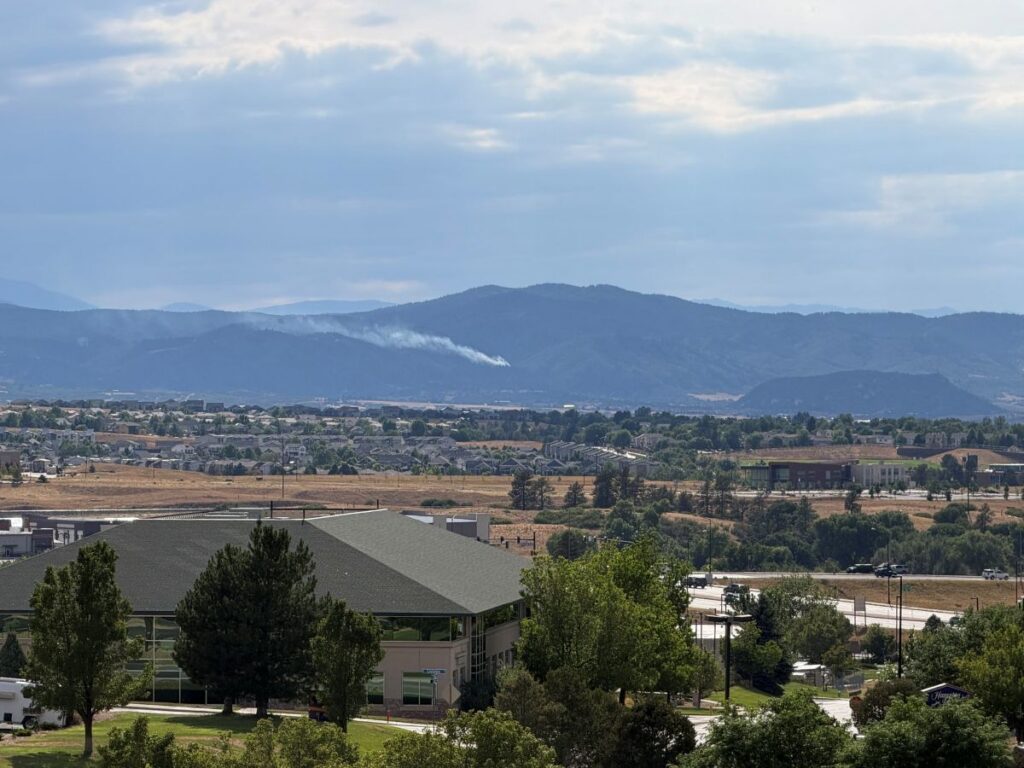
Forest fire west of Sedalia prompts evacuations in Douglas County
Nicholas Fogleman
nicholas.fogleman@denvergazette.com
Updated 8 hours ago
Emergency crews are responding to a forest fire burning west of Sedalia, prompting evacuation orders for nearby residents Sunday afternoon. At about 5 p.m. Sunday, the Douglas County Sheriff’s Office issued an evacuation order for residents within a 2-mile radius...
Airstrikes have paused and talks are pressing forward. But can the US and Iran take the off-ramp?
The Associated Press
the-associated-press@coloradopolitics.com
Updated 8 hours ago
WASHINGTON (AP) — The U.S. military has paused its airstrikes on Iran after nearly two weeks of intensifying bombing, while diplomatic efforts have pushed forward to try to avert a return to all-out war. But it remains to be seen...
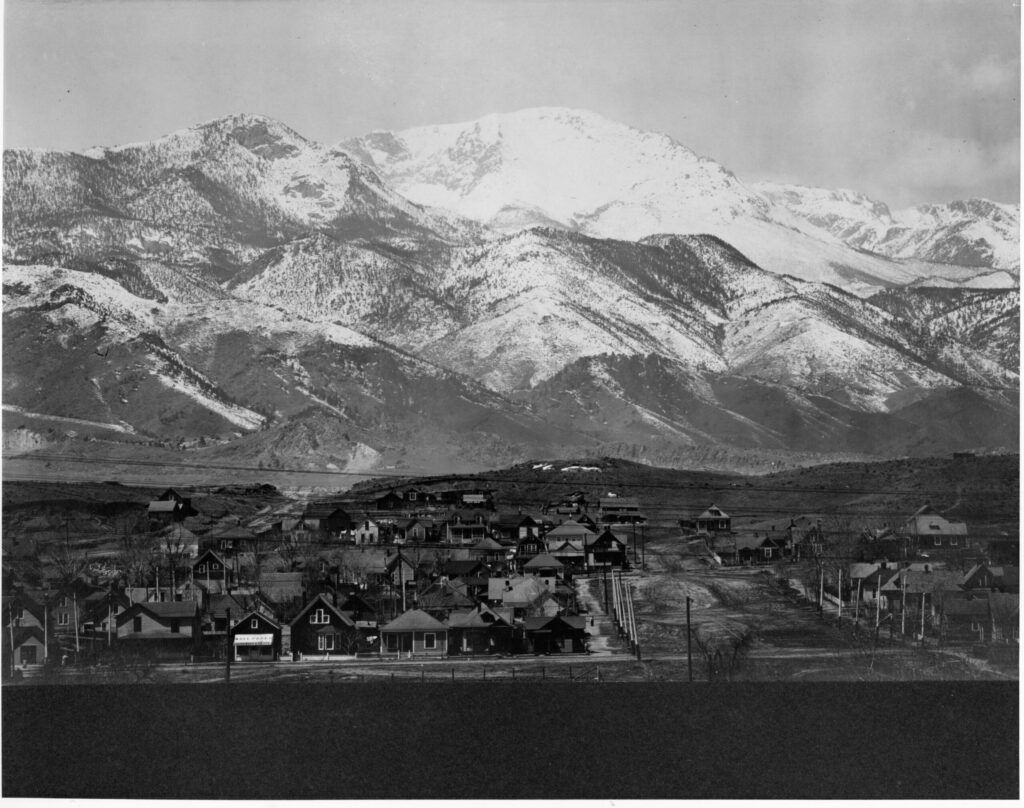
Penrose fortune paved the way for Colorado Springs to be a military, space and sports town
Mary Shinn
mary-shinn@coloradopolitics.com
Updated 8 hours ago
Colorado Springs is always working to catch the next big economic wave. “We’re always trying to figure out what the next thing is going to be,” explained Matt Mayberry, director of the Colorado Springs Pioneers Museum. In the early days,...
Colorado Politics Calendar July 27-Aug. 2
Rachael Wright, Special to Colorado Politics
rachael.wright@coloradopolitics.com
Updated 5 days ago
CoPo’s weekly political calendar will help you find political and public-policy events throughout Colorado. It includes candidate and issue campaign events, public policy meetings, court hearings, state and local party conventions, assemblies, debates, rallies, parades, speaking engagements, traveling dignitary appearances,...
PREV
PREVIOUS

Colorado state budget benefits from decrease in Medicaid enrollment
The end to the federal emergency declaration during the COVID-19 pandemic means Colorado’s current state budget is in for some significant adjustments, including overall savings of $15 million thanks to decreased enrollment in Medicaid. On Tuesday, House lawmakers broke into caucuses to review 25 supplemental bills for state agency budgets, along with 11 other measures […]

Aurora council votes to fill homeless service provider funding gaps at quarterly workshop
While Aurora’s councilmembers held differing opinions on how to handle dollars for homeless service providers, they eventually agreed to allocate federal money to several organizations, bringing a few of them to flat funding. The councilmembers, however, entirely cut funding to the Colorado Coalition for the Homeless. Aurora’s policymaking body earlier delayed a decision on funding […]