

How the Supreme Court could decide the fate of Trump’s 2024 ballot access
All eyes are on the Supreme Court now that former President Donald Trump has been found ineligible on two state primary election ballots for the 2024 race, prompting confidence among legal experts that the nine justices will resolve the unprecedented dilemma.
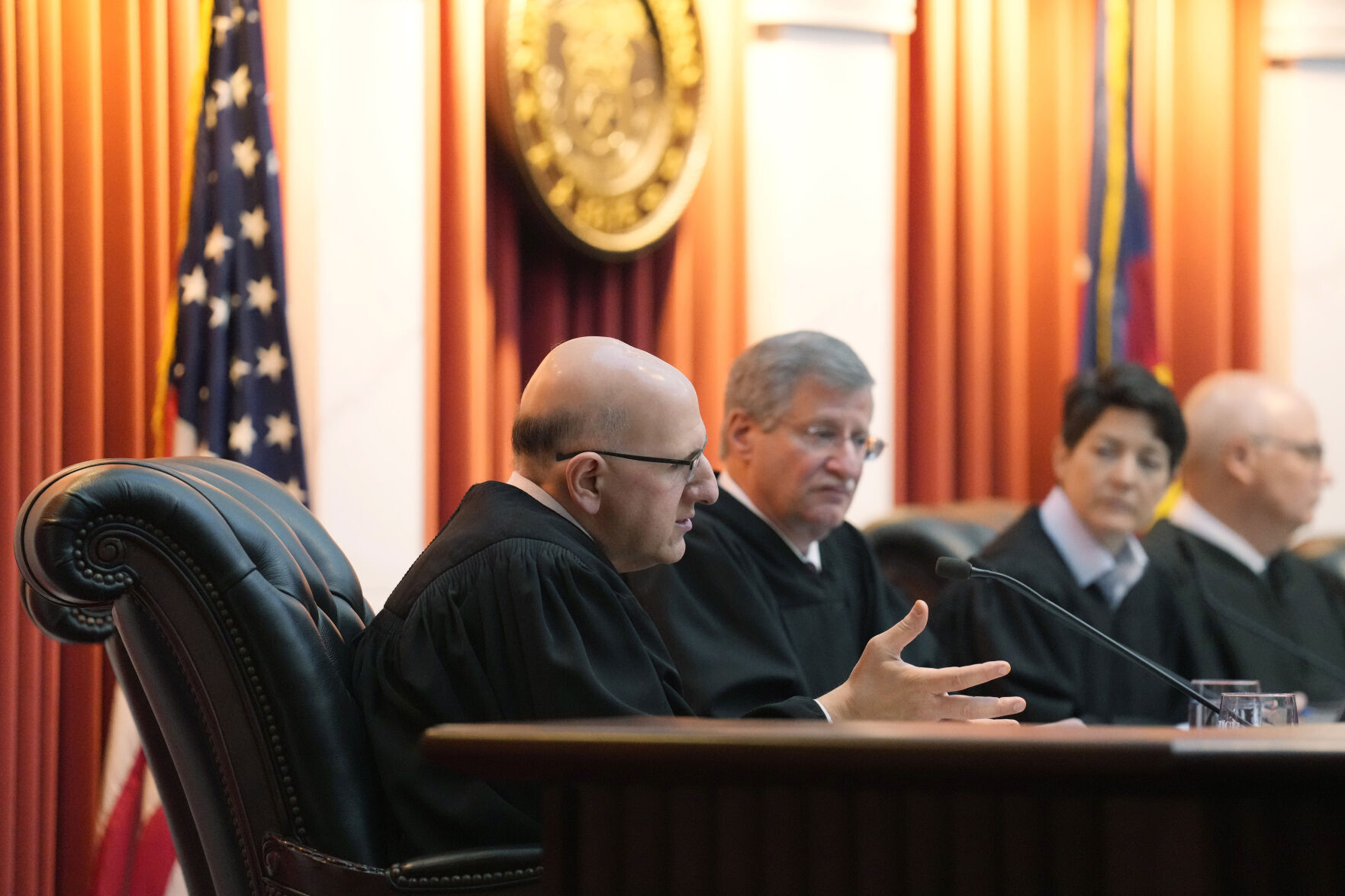
The Colorado Supreme Court on Dec. 19 ruled that Trump is ineligible to serve as president under Section 3 of the 14th Amendment, which includes a clause that blocks anyone who has “engaged in insurrection or rebellion” against the government from holding elected office if the individual had previously taken an oath “to support the Constitution of the United States.”
Maine’s Democratic secretary of state made a similar decision on Wednesday night, a unilateral move absent any court review.
Colorado’s justices and Maine’s election official both put their rulings on hold, anticipating a final decision from the U.S. Supreme Court and Maine’s justices, respectively.
Meanwhile, both Michigan and Minnesota high courts have allowed Trump to remain on their primary ballots, and California’s secretary of state also decided that the former president could remain on the primary ballot.
This tapestry of results has prompted most legal experts to expect that the nation’s highest court will have no other choice but to weigh in on the dispute.
Doug Spencer, a law professor at the University of Colorado, told the Washington Examiner this week that the Colorado case “definitely increased the likelihood that the U.S. Supreme Court will intervene,” but pushed back on the notion that other states making separate or similar decisions would nudge the justices toward considering the 4-3 judgment from the Colorado Supreme Court.
“It’s true that the Supreme Court often takes up cases when there is a divide among the federal circuits. But the same is not true when there is a divide among state supreme courts. That is especially true when, as is the case here, the cases are decided on state law grounds,” Spencer said.
One reason why the high court’s intervention seems inevitable is the divergent legal viewpoints about whether Trump needs to be first found guilty of the crime of “insurrection” before he can be deemed constitutionally ineligible for having “engaged” in one.
In dissenting from the majority, Colorado Chief Justice Brian Boatright said the “absence of an insurrection-related conviction” against the former president should have resulted in the case’s dismissal.
Justice Carlos Samour offered a similar conclusion, noting that a federal law, in fact, “specifically criminalizes insurrection” – a charge that has not been leveled against Trump to begin with.
Had Trump been charged with this offense, “he would have received the full panoply of constitutional rights that all defendants are afforded in criminal cases. More to the point for our purposes, had he been so charged, I wouldn’t be writing separately to call attention to the substandard due process of law he received in these abbreviated Election Code proceedings,” Samour said.
Indeed, the legal experts believe the U.S. Supreme Court, assuming it takes up the Colorado case, will focus on the dissent’s arguments.
“What troubles me the most is it seems to me there has to be some sort of trial for the insurrection charge, where lawyers on both sides have discovery rights, and that’s not present in the Colorado case and, more importantly, it’s basically unworkable,” attorney Larry Pozner, an expert on cross-examination and criminal defense in high-profile cases, told The Denver Gazette.
David Lane, a partner at Killmer, Lane & Newman in Denver and one of the most noted criminal defense attorneys in the state, reached the same conclusion.
“Boatright makes the point that insurrection is a criminal violation, and if someone is accused of a criminal violation under federal law, an indictment must issue, followed by the full panoply of due process rights associated with a criminal trial – including a trial by jury, the presumption of innocence, proof beyond a reasonable doubt and a unanimous jury verdict,” Lane told The Denver Gazette.
“Given the conservative nature of the U.S. Supreme Court, this argument will carry a great deal of weight and I believe they will adopt Chief Justice Boatright’s dissenting opinion as the primary ground for reversing the Colorado Supreme Court’s opinion,” Lane concluded.
In Maine, Secretary of State Shenna Bellows conceded in her written decision there would have been an easier jump to her conclusion if Trump was found guilty or not guilty of that crime in a court of law. She ultimately took the evidence that was presented by the House Jan. 6 committee, among other reports, and determined that Trump is ineligible.
Meanwhile, California’s secretary of state found that Trump couldn’t be removed, and Oregon’s secretary of state is being sued for keeping Trump on the ballot.
Trump is technically going to be on the Colorado ballot since the Colorado Republican Party already filed an appeal.
Bellows also acknowledged that the U.S. Supreme Court would likely be the final arbiter over Maine’s decision.
Prof. Ray Brescia of Albany Law School told the Washington Examiner he believes the high court is bound to take up one of the disputes soon, most likely the Colorado case.
“Ultimately, this is just going to have to be decided by the Supreme Court,” Brescia said, adding that’s in part because of all the “different procedural postures” these ballot challenges against Trump are stemming from.
For example, Maine law holds that voters must first petition the secretary of state with challenges to a candidate’s qualifications for office, and then a public hearing is held, where the challengers must make their case as to why the primary nomination should be invalidated. In Colorado, the challenge first had to undergo a five-day trial before a judge concluded Trump could remain on the primary ballot, which was later reversed by the state’s top court.
Brescia said the wide range of procedural postures behind the varying state challenges presents a potential for the high court to “rule on sort of narrow procedural grounds,” which could serve as a means to avoid rulings that could be attacked as judicial activism.
“[It] sort of opens the door for the Supreme Court to sort of duck the obviously politically charged question of whether the former president is barred by the 14th Amendment from running again,” Brescia said, comparing a hypothetical Supreme Court ruling over the ballot dispute to the way the court ruled in the 2000 case Bush v. Gore.
Without getting into the merits of the case, Brescia made the point that the challengers against Trump’s eligibility appear to have a higher burden than Trump’s efforts to remain on the ballot.
“It is much harder for the people who want to keep the former president off the ballot to win before the Supreme Court than it is for people who want him to stay on it,” Brescia said, making an analogy to a “triple bank shot” move in billiards.
“I think this is a triple bank shot where you’re sort of trying to jump the cue ball onto a neighboring table,” Brescia joked.
What legal experts in Colorado and elsewhere agree is that the case is unprecedented.
“Anyone who says they have an idea of what’s going to happen can’t because there is no book on this,” Pozner said. “The word unprecedented needs to be taken literally here. There is no history on how to resolve this issue.”
“You’re trying to take a modern election problem that we’ve never encountered and shoehorn it into a post-Civil War statute with an entirely different purpose,” Pozner added. “We’ve never had to work out the procedures of this situation.”
Another potential way for the high court to avoid wading into a messy political quagmire is relying on a pattern that was observed in Trump’s 2020 election petitions after he lost to then-candidate Joe Biden, as many of those challenges were dismissed due to concerns about meeting safe harbor deadlines to certify state election results.
“You could absolutely see the calendar of the 2024 elections stalking these cases, and the Supreme Court could issue decisions in these cases that basically allows the calendar to drive the issue,” Brescia added.
In addition to the Colorado Republican Party filing an appeal of the state Supreme Court’s removal of Trump, the group seeking Trump’s permanent ballot elimination, Citizens for Responsibility and Ethics in Washington, also urged the U.S. Supreme Court to make a speedy review, noting that Colorado has a written deadline to certify candidates for ballots by Jan. 5.
Trump is expected to file his appeal this week.
Another route for the Supreme Court to take in the Colorado case could be an indefinite stay, or a hold on the state Supreme Court decision until after the 2024 general election.
Brescia explained that it is always possible that the Supreme Court “could simply slow-walk these cases for an indefinite period of time, perhaps out of a desire among the justices that the issue becomes essentially moot.”
If the Supreme Court intervenes and overturns the decisions in Colorado or Maine, Trump will appear on the general election ballot against his likely Democratic rival, President Joe Biden.
David Migoya of The Denver Gazette contributed to this article.


It’s time to let unaffiliated voters caucus | Vince Bzdek
Vince Bzdek
vince.bzdek@gazette.com
Updated 1 day ago
There’s no getting around it: Colorado’s 3,000 county caucuses, which just wrapped up recently, left half the electorate out in the cold. Since unaffiliated voters now make up 51% of all Colorado voters, a majority of Colorado electors are barred...

Colorado bill to fund mental health by raising alcohol taxes defeated in House committee
Marissa Ventrelli
marissa.ventrelli@coloradopolitics.com
Updated 1 day ago
Colorado legislators on Wednesday narrowly rejected a second measure that would raised taxes on alcohol products in order to fund mental health care treatment in the state. Proponents said the new revenue is necessary to help pay for mental health...
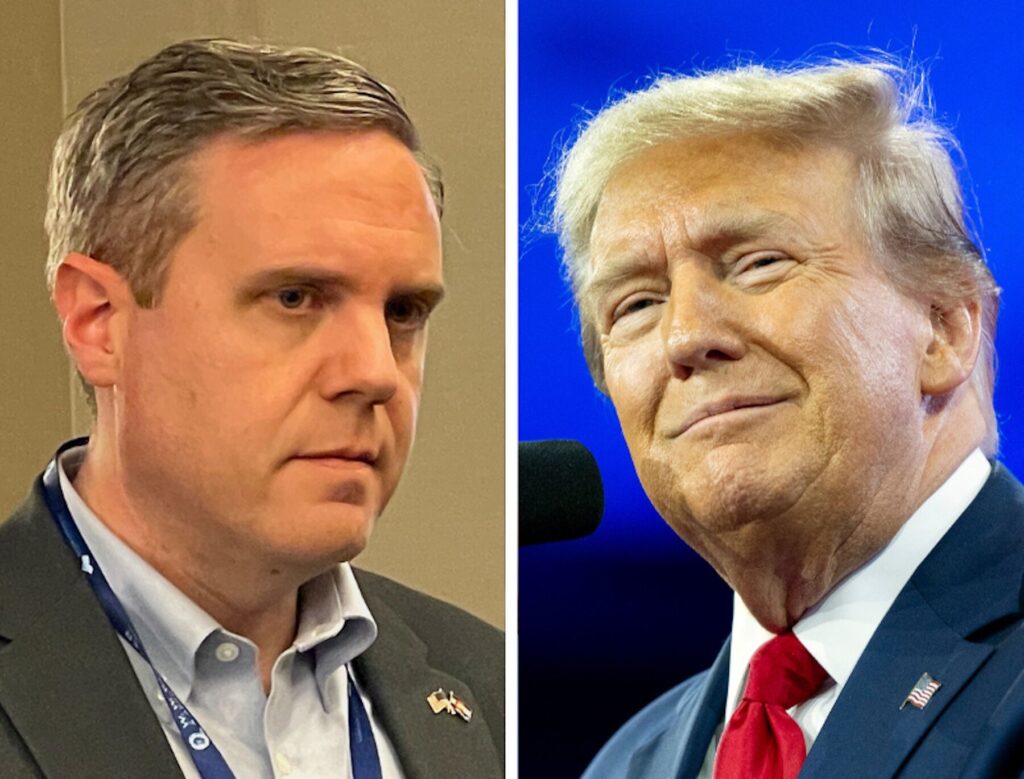
Trump switches endorsement back to Jeff Hurd, says Hope Scheppelman is ending run in Colorado’s 3rd CD
Ernest Luning
ernest.luning@coloradopolitics.com
Updated 2 days ago
In a surprise twist, President Donald Trump on Friday said he was again endorsing Republican U.S. Rep. Jeff Hurd after pulling his support from the Grand Junction Republican last month and instead backing Hurd’s primary challenger in Colorado’s 3rd Congressional...

Conservation Colorado proposes measures aimed at oil and gas companies
Marissa Ventrelli
marissa.ventrelli@coloradopolitics.com
Updated 1 day ago
A group has introduced four ballot measures it says are meant to counter an initiative that aims to enshrine Colorado businesses and consumers’ right to purchase and sell natural gas in the state’s constitution. Filed with the Secretary of State’s...
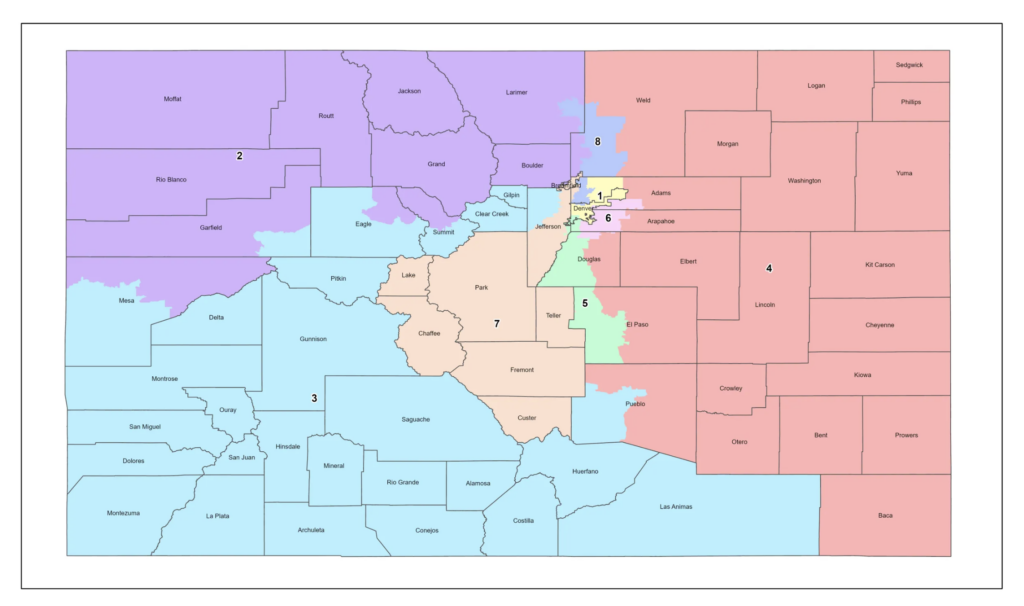
Colorado Title Board advances competing redistricting proposals, revised Pinnacol measure
Marianne Goodland
marianne.goodland@coloradopolitics.com
Updated 1 day ago
With just two meetings left before an April 15 deadline, the state’s Title Board on Wednesday pushed through a slate of ballot measures, including a revised proposal to privatize Pinnacol Assurance and dueling plans to redraw Colorado’s congressional map. The...
Democrat Matt Cavanaugh ends campaign in Colorado’s 5th CD, says petition firm came up short
Ernest Luning
ernest.luning@coloradopolitics.com
Updated 3 days ago
Democratic congressional candidate Matt Cavanaugh said Wednesday that he was ending his bid to challenge Republican U.S. Rep. Jeff Crank in Colorado’s 5th District because the firm his campaign hired to gather petition signatures failed to deliver. Cavanaugh, an Army...
Colorado voters to decide whether to ban gender surgeries for minors
Marissa Ventrelli
marissa.ventrelli@coloradopolitics.com
Updated 4 days ago
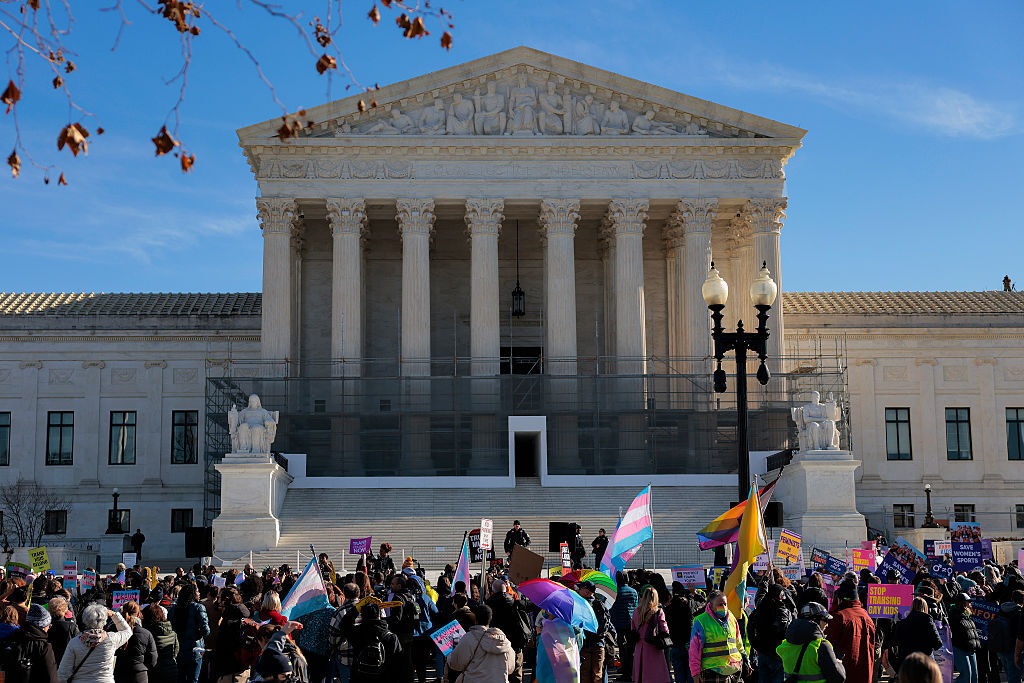
Colorado voters will decide this November whether to prohibit gender surgeries for minors and bar public funding or insurance coverage for procedures that alter children’s biological sex characteristics. The measure qualified for the ballot amid a push by the federal...
DeGette challenger Melat Kiros trounces 15-term Democratic incumbent in Denver delegate vote
Ernest Luning
ernest.luning@coloradopolitics.com
Updated 1 week ago
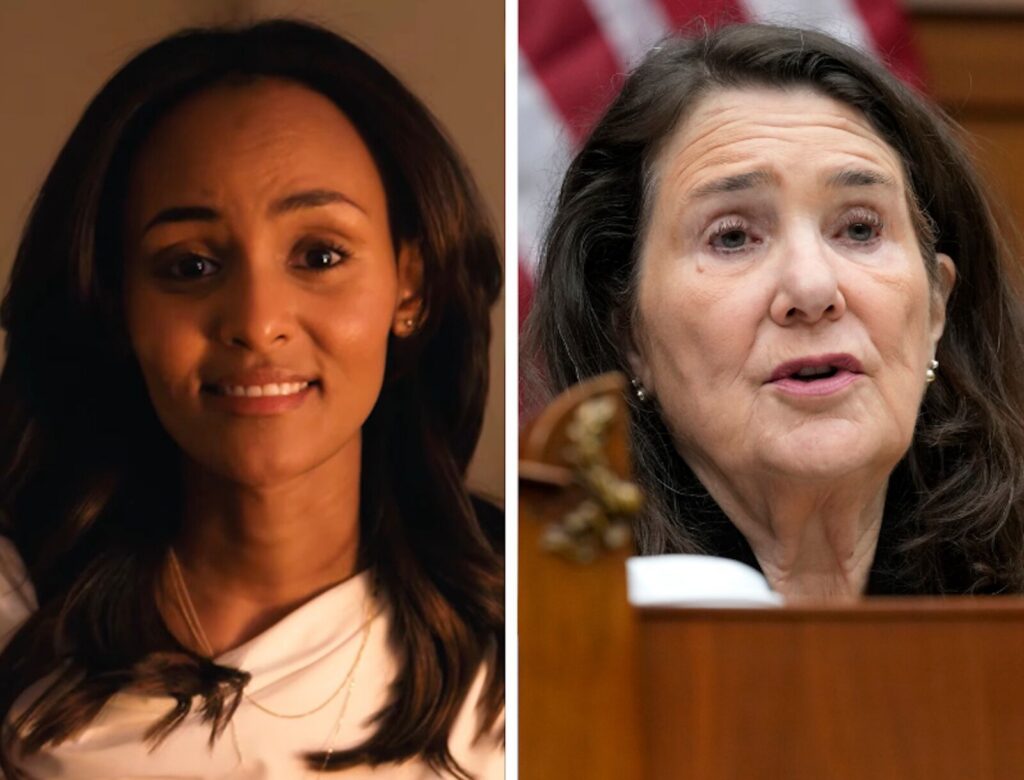
The 28-year-old, first-time candidate challenging Democratic U.S. Rep. Diana DeGette in this year’s primary soundly defeated the 15-term incumbent in a delegate preference poll conducted Saturday at a county party assembly in Denver. Melat Kiros, the daughter of Ethiopian immigrants...

Army veterans Jessica Killin, Joe Reagan qualify for Democratic primary ballot in Colorado’s 5th CD
Ernest Luning
ernest.luning@coloradopolitics.com
Updated 1 week ago
Democratic congressional candidates Jessica Killin and Joe Reagan secured spots Saturday in Colorado’s June primary to decide who will run against Republican U.S. Rep. Jeff Crank in a district that’s only ever sent GOP lawmakers to Congress. The two Democrats,...

Boebert challenger Eileen Laubacher joins lawsuit aimed at blocking her from Democratic assembly
Ernest Luning
ernest.luning@coloradopolitics.com
Updated 1 week ago
A Denver District Court judge on Thursday permitted Democratic congressional candidate Eileen Laubacher to join a lawsuit filed by one of her primary opponents seeking to prevent Laubacher from participating in the party’s assembly process in a bid to qualify...
PREV
PREVIOUS

All eyes on U.S. Supreme Court as Trump appeal is expected this week; new candidates emerge in 3rd, 4th districts | WHAT YOU NEED TO KNOW
Today is Jan. 2, 2024, and here’s what you need to know: All eyes are on the Supreme Court now that former President Donald Trump has been found ineligible on two state primary election ballots for the 2024 race, prompting confidence among legal experts that the nine justices will resolve the unprecedented dilemma. The Colorado […]

Rocky Mountain Gun Owners bring legal challenge against state's "Ghost Gun" ban
Gun rights advocacy group Rocky Mountain Gun Owners has filed a federal lawsuit challenging the constitutionality of Colorado’s recently enacted ban on unregulated firearms, also known as “ghost guns”. The lawsuit argues the ban, which went into effect on January 1 as Senate Bill 23-279, constitutes a violation of Second Amendment rights. Ghost guns are […]