

Q&A with Wendi Strom | Lakewood’s newly elected mayor says leading city not a ‘zero-sum game’
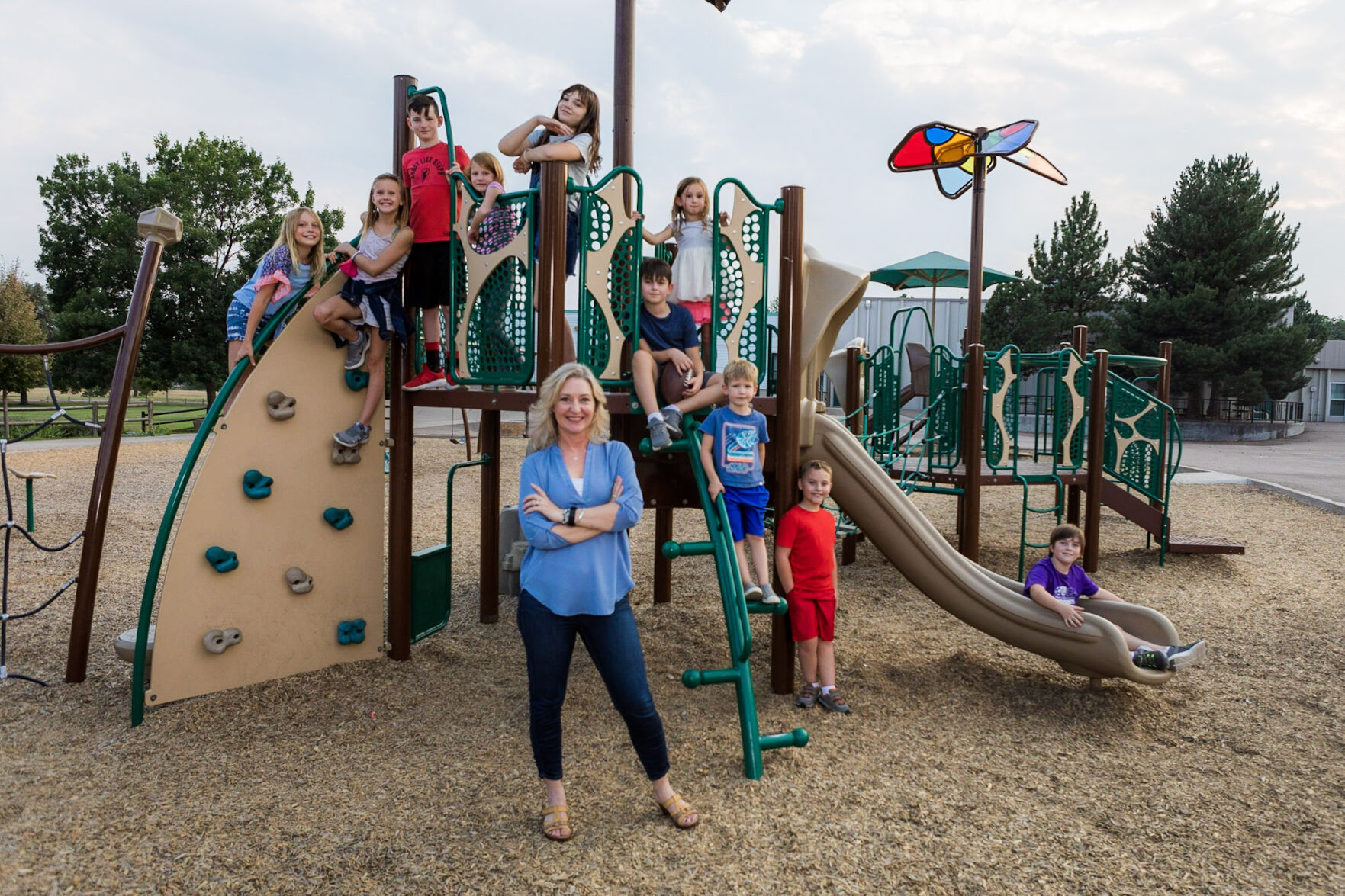
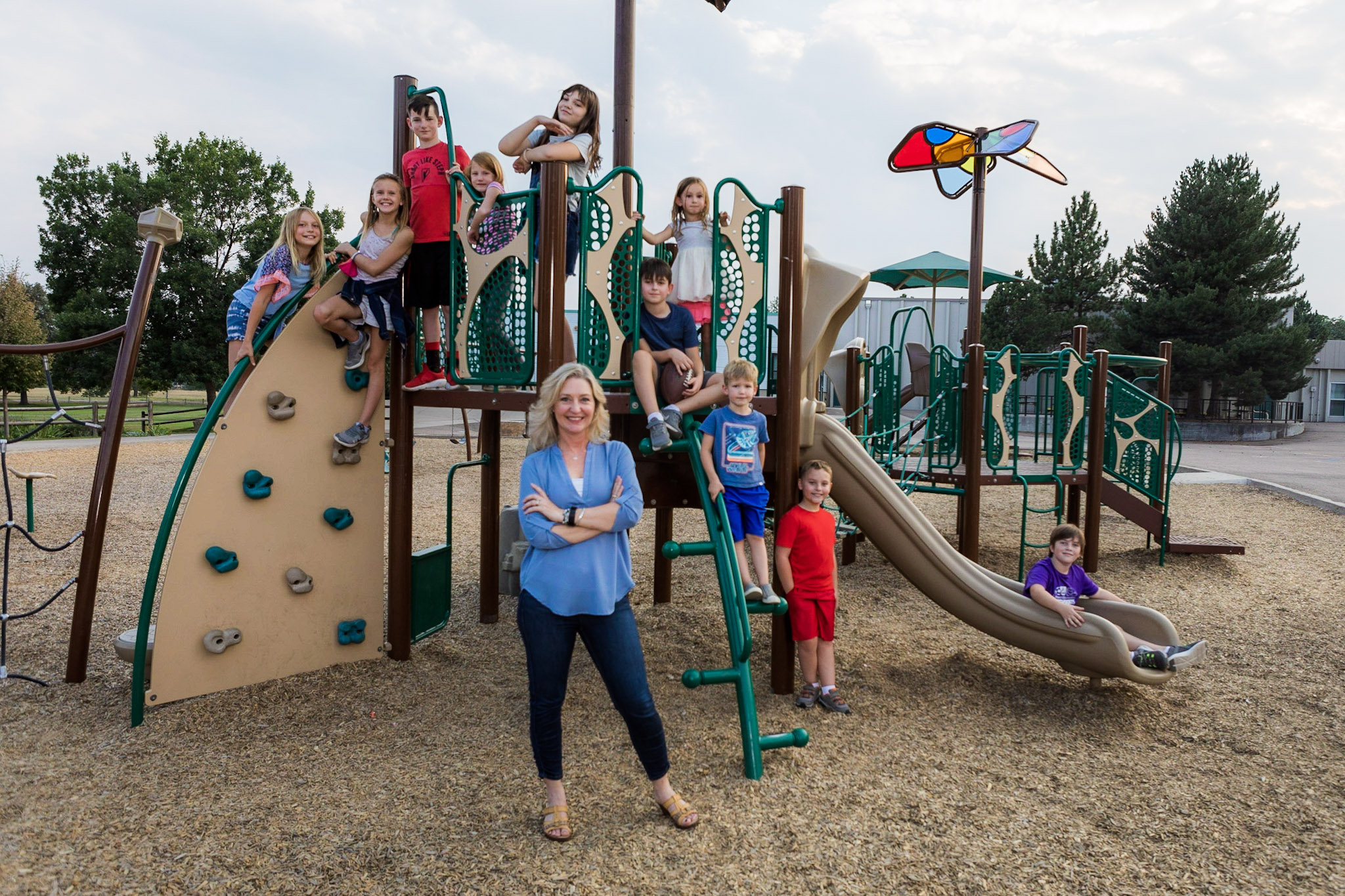
Wendi Strom was sworn in as mayor of Lakewood on Nov. 27 following the former city council member and mayor pro team’s election weeks earlier to the part-time position leading the Colorado city.
With a population estimated at just over 157,000, Lakewood is Colorado’s fifth-largest city, behind Denver, Colorado Springs, Aurora and Fort Collins, and ahead of Thornton, Arvada, Pueblo and Westminster.
While the maturing suburb on Denver’s western flank has had just seven mayors – Lakewood only incorporated as a city in 1969 – it’s facing many of the same pressures as its neighbors, from housing affordability and homelessness to increasing crime.
Strom replaces term-limited Mayor Adam Paul, who joined Denver Mayor Mike Johnston’s administration this fall as the larger city’s director of regional affairs in the mayor’s office.
A certified financial planner, Strom grew up on the Western Slope and got a degree in biological sciences at the University of Northern Colorado in Greeley. She and her family moved to Lakewood in 2006 – the same year her son, who is set to graduate high school next year, was born. She was elected in November 2021 to represent Lakewood’s Ward 5, which covers south-central and southwest neighborhoods in the city.
Strom spoke last week with Colorado Politics about her path to the mayor’s office and the challenges facing Lakewood. The interview has been lightly edited for length and clarity.
Colorado Politics: It sounds like you began working locally, with your neighbors, and then not that many years later, you’re the mayor of the fifth biggest city in Colorado. How did you get here?
Wendi Strom: You hit the nail on the head. I had always worked in a corporate job until 2014, and at that time, I call it – maybe that was my second midlife crisis. We have a trail of them right? Through life every decade or so, there’s a new something that just gets us moving in a new direction. But I decided to become a small business owner. I really wanted to focus more on living a life that felt meaningful, that had purpose, and at the time, I wasn’t really experiencing that and was working on the other side of town, spending a lot of time in the car. So, in 2014, I decided to leave the corporate world and actually create my own financial planning practice.
From Day One, I’ve been very involved in the community because I had the flexibility and the desire to. It started out as a lot of school-related stuff, supporting Jefferson County schools and, more specifically, my son’s own elementary school at the time, and it was just being involved supporting a number of nonprofits, as well. And over time, the work that I had done got the attention of others who were in elected positions. That’s what it was.
I used to always joke that I’ll get involved in politics when someone calls to ask me to be secretary of state. I was never excited about the election thing – in fact, compliments of the trauma we experienced in high school, I’ve always operated with a bit of fear around rejection. And so, you’re steeped in months and months of rejection on the campaign trail, right? So, it just was never something I wanted to do. (It’s) incredibly uncomfortable fundraising and trying to get votes and things like that. But when I got on city council – after the encouragement of several of our elected officials saying, “You’re the person we need, we’ve got things that need to happen, and would you please consider running?” – ultimately, I ended up saying yes.
Part of that really came out of COVID and a lot of the social unrest that was going on throughout that summer. And just the belief, that we’ve got to be able to trust our leadership again. I wanted to show the world, in part, that good people will still run. The CBS Sunday Morning Show, just this last week, posted a thing about the level of distrust in elected officials – it’s so low. And I just want people to believe again that they can trust their leaders. And so that was a big part of why I ultimately did step in to run – and I loved the job. Obviously, it’s not without a lot of challenges and hard stuff, but the the changes that we were able to start putting in place in my time on city council, and the conversations that were started about things that council is looking at in the years to come, those were ultimately why I landed on wanting to continue and even moving forward in the mayoral role, knowing that Mayor (Adam) Paul was going to be termed out.
CP: What helped make your decision to run for mayor?
Strom: In particular, it came down to knowing that Mayor Paul wouldn’t be running again, and the work that we had started – but more importantly, the conversations that had started about the work that we ultimately wanted to get done, I thought, ‘Okay, we needed someone to really steer that ship.’
CP: What are some of the conversations? What’s some of the work that’s ahead?
Strom: The biggest one right now is housing, housing and homelessness, which, as you know, they’re two different things, but they’re really the same thing. It’s roofs over people’s heads. We need to do a better job.
You probably know that the housing conversation in Lakewood has gotten very polarizing. We’ve got part of our community that has lived here for decades and chose Lakewood because it’s not Denver, because it’s not the city. And many of those residents are frustrated that we are the third biggest city in the metropolitan area, so, love it or hate it, we are the city now. And what’s happened in our city is that division that exists on the federal level – and every level, it feels like, in our nation – exists in Lakewood.
When I see it in my council role, It’s not necessarily blue vs. red, but it’s no growth vs. whatever the other one is – we’ll say intentional growth, thoughtful growth, that kind of thing. And I fundamentally believe that we can do a better job. We can address growth and development or redevelopment and do it in a way that still holds dear the unique character of our neighborhoods, be mindful of the infrastructure that we already have and the resources that we already have.
It doesn’t have to be this zero-sum game, but it’s morphed into that because of a number of different things that have happened in the past. And I want to be part of the solution: Yes, we can meet the housing needs of the members of our community, and we can still make sure that we’re preserving the Lakewood that we love.
CP: You just completed a couple of days of meetings with mayors from around the metro area at the Colorado Municipal League, right? What happened there?
Strom: We did get an update from Mayor Johnston. He came in briefly to give a little information about what’s going on in Denver – that’s housing affordability, the migrant situation, and then he also very much hit it on public safety, the increase in – especially – violent crime.
Public safety is very much something that many of our residents are interested in seeing improvement on, and very passionate about seeing improvement on, from street racing to stolen property to off of Colfax, to not feeling safe on our streets, not feeling safe in our stores, in our neighborhoods. It’s a concern that I heard from a number of voters this past year.
CP: What’s Lakewood doing, on the public safety front? And what role does the mayor have in that?
Strom: There’s an element actually of (being) reactive and proactive. We put some policy in place last year – there were a few things that we did to be proactive that were actually outside of the purview of Lakewood (Police Department).
It is absolutely imperative that we address public safety in a way that’s not just the police department, because addressing the problem is not just having more police officers – in Lakewood, we call them our agents – it’s not just having more agents on the street.
Last year, we created a pilot program where we fronted the money to a developer to demolish a building before his financing would be available because the community was asking very vocally, very consistently, “Please, Lakewood, do help us reduce the crime, please get rid of the structure.” And so we our economic development department had funds available, so we did a loan – it’s the Holiday Shopping Center right off of 10th and Sheridan – so they did a loan to demo that. So, now, instead of being a structure that invites crime and loitering and drug use and all the things that can go along with that, it’s a scraped plot of land that will still ultimately be developed, but in the meantime, (neighbors) don’t need that, they didn’t want the structure there.
So, we’ve done things like that. We also put policy in place to address distressed properties, properties that are sitting vacant for prolonged periods of time, so trying to be more proactive through that channel, as well. And then continuing to work on things that are through the Lakewood Police Department.
We’re hiring – that’s been a consistent theme, that we’ve been running under our numbers, as we’ve had turnover, we’ve had retirements and we it’s also been a challenging time to hire in that space. So, we’ll continue to work on that. We also have a new police chief that came in last year, (who) is bringing some new new philosophies and processes and procedures to how he addresses crime. They did a good job working on trying to abate street racing over the summer – a multi-pronged approach.
CP: How does Lakewood approach its status as both one of the youngest municipalities surrounding Denver – having incorporated as recently as 1969 – but also as a maturing, inner-ring suburb, with some of the same challenges confronting the metro area’s core city?
Strom: It’s a really good question, because it does feel like a game of whack-a-mole, and, like, you can’t do enough. But the decisions that we make, even though we’ll never get to perfect, it doesn’t mean we need to stop working hard. And it’s one thing at a time.
I honestly think it’s people. I really think that a functional city council needs to – and my hope is that we will this year – operate as a team, because we all come to the table with different skill sets, different experiences, different passions and knowledge, and a lot of it is leaning on each other.
One of the things that I’ve noticed is where I come to the group, as kind of the people person and maybe the “glue” person, we also have people that come in that are very steeped in policy and lots of details – they like to dig super deep into the data and the details. I’m always fascinated and I learned so much from working with them. We’ve got a new councilor that’s coming from the employment space, working with workforce development, and we’ve got others that come from housing backgrounds, or (Jeslin) Shahrezaei, in Ward 1, who has worked quite a bit with DRCOG (the Denver Regional Council of Governments), so (she) understands a lot more of the nuances around transportation and things like that. And it’s really fascinating to be able to learn from and lean on each other.
I think that’s how we’ll start in, we’ll say February-ish. We have a planning retreat that will happen, where we really chart the course for our next year, next two years. We put our head down, get to work and move forward and don’t get mired down by the things that we feel like we can’t do. We just have focus on the things we are (focusing on). It’s fun to see even little bits of progress towards meeting the needs of the residents.
CP: As the page turns from the Adam Paul era, what will the Wendi Strom era look like?
Strom: For one, I am very passionate about Colfax and its very rich history in Lakewood, and the fact that it has turned into such a challenge that impacts our entire city. A good example is – we talked earlier about public safety and the police department. Right now, the challenge is on Colfax, and our police department spends a lot of time up there. And what we see in some of the other wards is they’re not getting the responses that they feel like they deserve when a phone is stolen, or a car is stolen, because the police are addressing violent things, domestic violence, lots of different things that are more physical harm than they are property crimes. So, I want to work hard to make sure that we are bringing Colfax back to the vibrancy that it used to be, or something of it, right? That’s a big part of it.
But I’ve seen so much fracturing in our community, and I really want to be be able to kind of steward the solution toward creating real civic engagement and civil conversations that can help us move forward, instead of the lack of trust for this and the anger about that. I would like to bring people together. I’ve done it before – in fact, that’s one of the things that got the attention of the people that started asking me to run for council. I’ve worked to heal a divided community, and my hope is that we’ll be able to do it again.
CP: What’s an example, when you brought folks together?
Strom: That was the playground project. I kicked that off in 2014 and it culminated in 2016. So, that was a two-year, $200,000 project that revitalized the community and school park playground. It was a playground that belonged to Westgate Elementary School, and it’s actually a city park, so it was a really interesting situation where it needed the city and the school district to show up at the table. We also received Great Outdoors Colorado funds.
The school – interesting story – it is tucked into a middle class, upper-middle class neighborhood, and you wouldn’t know it, but it is a very high-needs school. The fundraising for that project could not exist just within the school itself, so what we did was really worked to bring together business owners, community organizations, the neighborhood that was surrounding it.
That’s where the fracture was – between the school and the neighborhood. And through the process, we were really able to engage with the neighborhood, bring neighbors back into the school, and to get more community involvement there. That was a pretty big lift.
CP: Do you see things like that happening on a citywide scale?
Strom: Well, I’m not gonna be Pollyanna enough to say that we’re going to eradicate any and all division, but I do think that with the right approach to communication – I’m a big believer in personal outreach, also – I do think we can make it better.
CP: What are the thorniest issues facing Lakewood in the near term?
Strom: I would say housing.
CP: Are there some solutions in sight with that, and it’s a matter of getting everyone on board, or are there divisions to work out?
Strom: There are definitely divisions, but there are solutions. Coming up on Monday, Dec. 18, the new city council will be sitting down to go through the strategic housing study that was presented last February to the old council. We didn’t make any headway on this study last year, so now it’s coming up to the new council, and that’s where we’ll start to see some conversations around that.
CP: Aurora went through a period this summer when some were considering changing the charter to a strong mayor system. Is something like that on deck for Lakewood?
Strom: Not that I’m aware of.
CP: Do you think that Lakewood needs something like that?
Strom: I would say too early to tell.
CP: Do you consider yourself a politician now after having run and won citywide?
Strom: (Laughs) Once you vote on your first ordinance, are you a politician? Probably. I don’t see myself as that, but, I mean, that’s what we do. Back to the CBS story about the lack of trust. It’s like – it’s a four-letter word, being a politician.
CP: Does it feel any different, being mayor, with the whole city and not just your ward to represent?
Strom: It is a different perspective. It’s really fun, like I’m at the beginning of this journey that is so limitless. And while the mayor of the City of Lakewood doesn’t run the city, based on the type of government that we have, there are a lot of things that the mayor can do to really make improvements, and I’m very excited to work closely with my teammates on city council to make sure that that kind of thing happens in Lakewood.
I know that we can do better. We get complaints about lots of different kinds of things, and we can’t change everything, but there are valid things that we can address. We just need to. And so I’m really excited at the increased level of influence that I can have with that across our entire city.
I love Lakewood. I’ve always loved Lakewood. I’ve always had an affinity for Lakewood. I don’t know what it is – the green spaces or the easy access to downtown, the great schools, the easy access to the mountains. I don’t know what it is, but I’ve always had an affinity for Lakewood. It’s my home and I want to make sure that others feel likewise, that it’s home, and that we are doing the very, very best that we can to meet the needs of the variety of different residents that we have.

Phil Weiser wins top spot in Colorado’s Democratic gubernatorial primary at party’s state assembly
Ernest Luning
ernest.luning@coloradopolitics.com
Updated 2 days ago
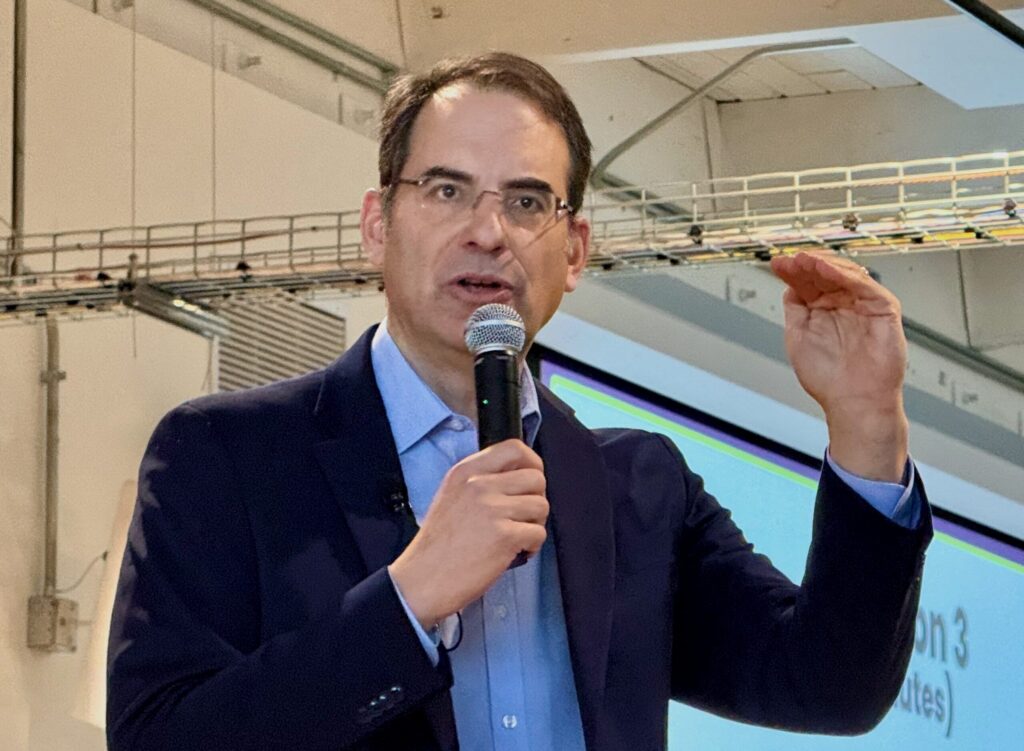
Attorney General Phil Weiser’s name will appear first on Colorado’s Democratic gubernatorial primary ballot after his overwhelming win Saturday at the party’s state assembly in Pueblo. Weiser joins U.S. Sen. Michael Bennet in the June 30 primary for the office...
Denver Democrat Diana DeGette trails challenger Melat Kiros at assembly as both qualify for primary
Ernest Luning
ernest.luning@coloradopolitics.com
Updated 2 days ago
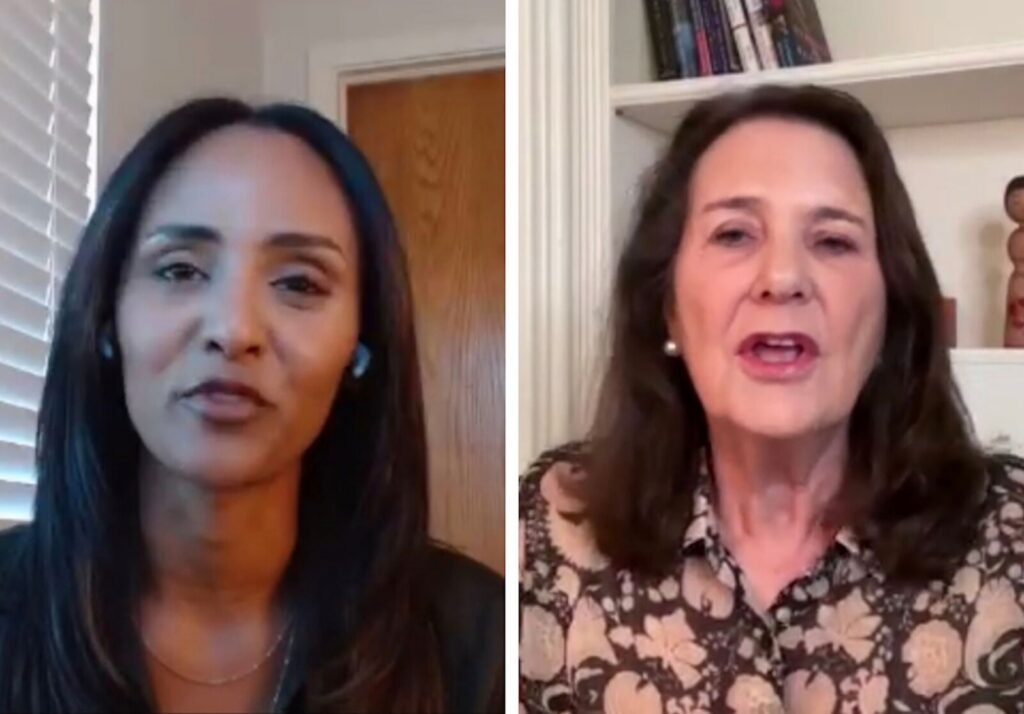
U.S. Rep Diana DeGette, a Denver Democrat, qualified for Colorado’s June primary by the skin of her teeth Friday at the party’s district assembly, where the 15-term incumbent received fewer than half as many delegate votes as her challenger, 28-year-old...
Federal judge upholds constitutionality of Colorado campaign contribution limits
Michael Karlik
michael.karlik@coloradopolitics.com
Updated 2 days ago
A federal judge upheld Colorado’s individual campaign contribution limits as constitutional on Thursday, finding that three Republican plaintiffs failed to prove the campaign finance framework violates their First Amendment rights. U.S. District Court Senior Judge John L. Kane recognized that...
Seligman, Bridges, Gonzales lead downballot races heading into Colorado Democrats’ state assembly
Ernest Luning
ernest.luning@coloradopolitics.com
Updated 3 days ago
As Colorado Democrats prepare to designate candidates to the June primary ballot at the party’s state assembly in Pueblo on Saturday, three candidates appear poised to win top-line designation in downballot statewide races, according to data compiled by the state...
Planned Parenthood, groups launch campaign against transgender ballot measures in Colorado
Marissa Ventrelli
marissa.ventrelli@coloradopolitics.com
Updated 3 days ago
Planned Parenthood and other groups have launched a coalition to oppose two ballot measures that would ban transgender surgeries among children and require student athletes to only join sports teams that correspond to their biological sex. The two measures will...
Democratic US Sen. John Hickenlooper qualifies for Colorado primary by petition, will skip assembly
Ernest Luning
ernest.luning@coloradopolitics.com
Updated 3 days ago
U.S. Sen. John Hickenlooper has qualified for Colorado’s Democratic primary after the first-term incumbent submitted enough valid petition signatures to make the ballot, state officials said. Hickenlooper is facing primary challenges from state Sen. Julie Gonzales, D-Denver, and university professor...
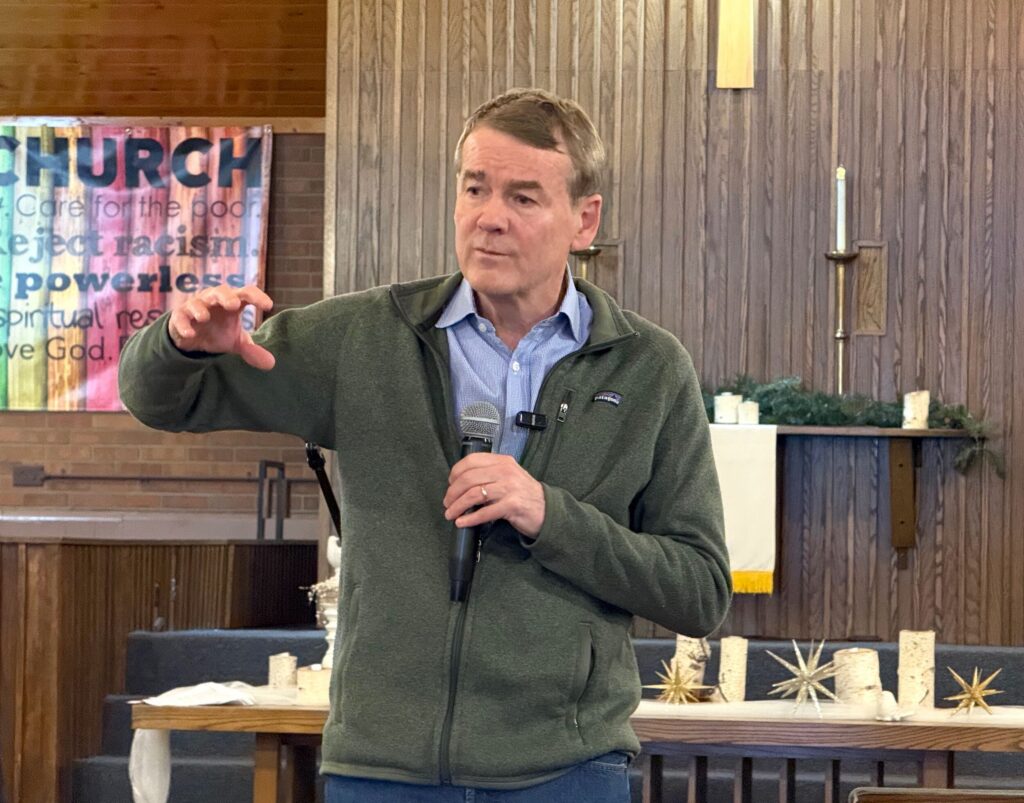
U.S. Sen. Michael Bennet qualifies by petition for Colorado’s Democratic gubernatorial primary
Ernest Luning
ernest.luning@coloradopolitics.com
Updated 4 days ago
U.S. Sen. Michael Bennet on Tuesday became the first gubernatorial candidate to qualify for Colorado’s June primary ballot after state election officials determined the three-term Democrat’s campaign submitted enough valid petition signatures. Bennet is running against Attorney General Phil Weiser...
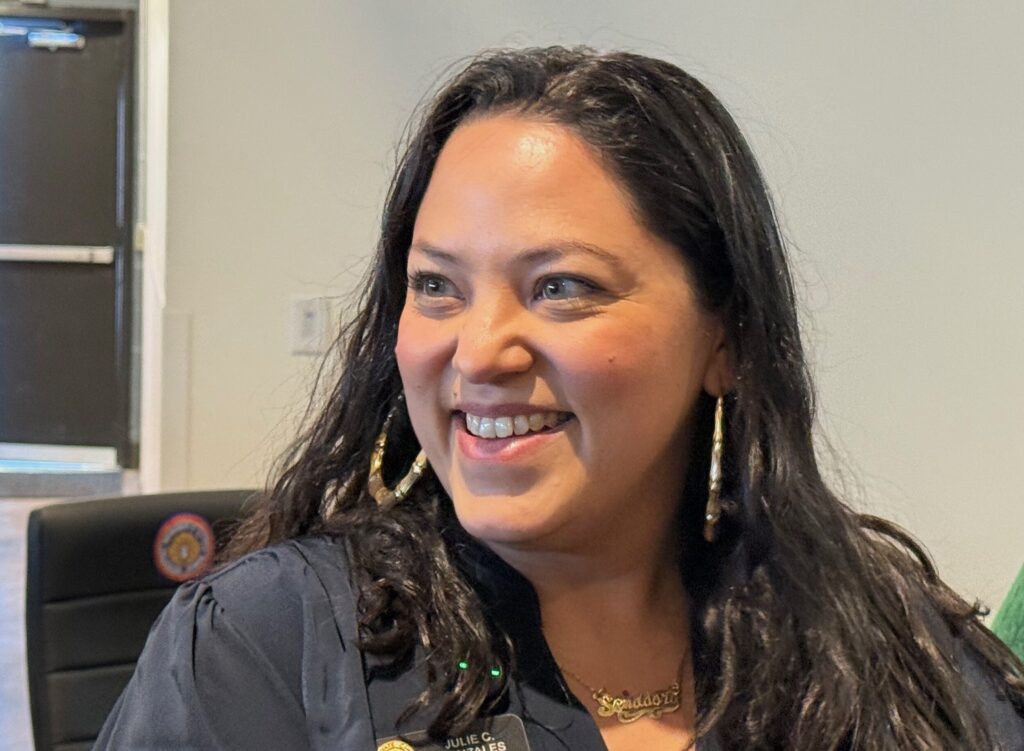
Hickenlooper primary challenger Julie Gonzales endorsed by national progressive group Indivisible
Ernest Luning
ernest.luning@coloradopolitics.com
Updated 5 days ago
State Sen. Julie Gonzales’ bid to challenge U.S. Sen. John Hickenlooper in Colorado’s Democratic primary got a boost Tuesday from Indivisible when the national arm of the progressive grassroots group endorsed the Denver lawmaker. The national group’s endorsement comes less...
It’s time to let unaffiliated voters caucus | Vince Bzdek
Vince Bzdek
vince.bzdek@gazette.com
Updated 7 days ago
There’s no getting around it: Colorado’s 3,000 county caucuses, which just wrapped up recently, left half the electorate out in the cold. Since unaffiliated voters now make up 51% of all Colorado voters, a majority of Colorado electors are barred...

Colorado bill to fund mental health by raising alcohol taxes defeated in House committee
Marissa Ventrelli
marissa.ventrelli@coloradopolitics.com
Updated 1 week ago
Colorado legislators on Wednesday narrowly rejected a second measure that would raised taxes on alcohol products in order to fund mental health care treatment in the state. Proponents said the new revenue is necessary to help pay for mental health...
PREV
PREVIOUS

Google geothermal electricity project in Nevada could be clean energy milestone | OUT WEST ROUNDUP
NEVADA Google’s new geothermal electricity project hailed as milestone An advanced geothermal project has begun pumping carbon-free electricity onto the Nevada grid to power Google data centers there, Google announced on Nov. 28. Getting electrons onto the grid for the first time is a milestone many new energy companies never reach, said Tim Latimer, CEO […]

Republican, Democratic leaders vow to fight destructive discourse; new mayor Wendi Strom talks about Lakewood | WHAT YOU NEED TO KNOW
Today is Dec. 11, 2023, and here’s what you need to know: Colorado’s top Republican and Democratic legislative leaders offered a unified front against what they described as the rising tide of destructive discourse that’s been creeping up at the state Capitol during a forum on Friday. The legislative breakfast at the Warwick Hotel was […]