

Wildlife managers have no immediate plans to capture wandering Mexican gray wolf | OUT WEST ROUNDUP
NEW MEXICO
Wildlife managers will continue to track wandering Mexican gray wolf
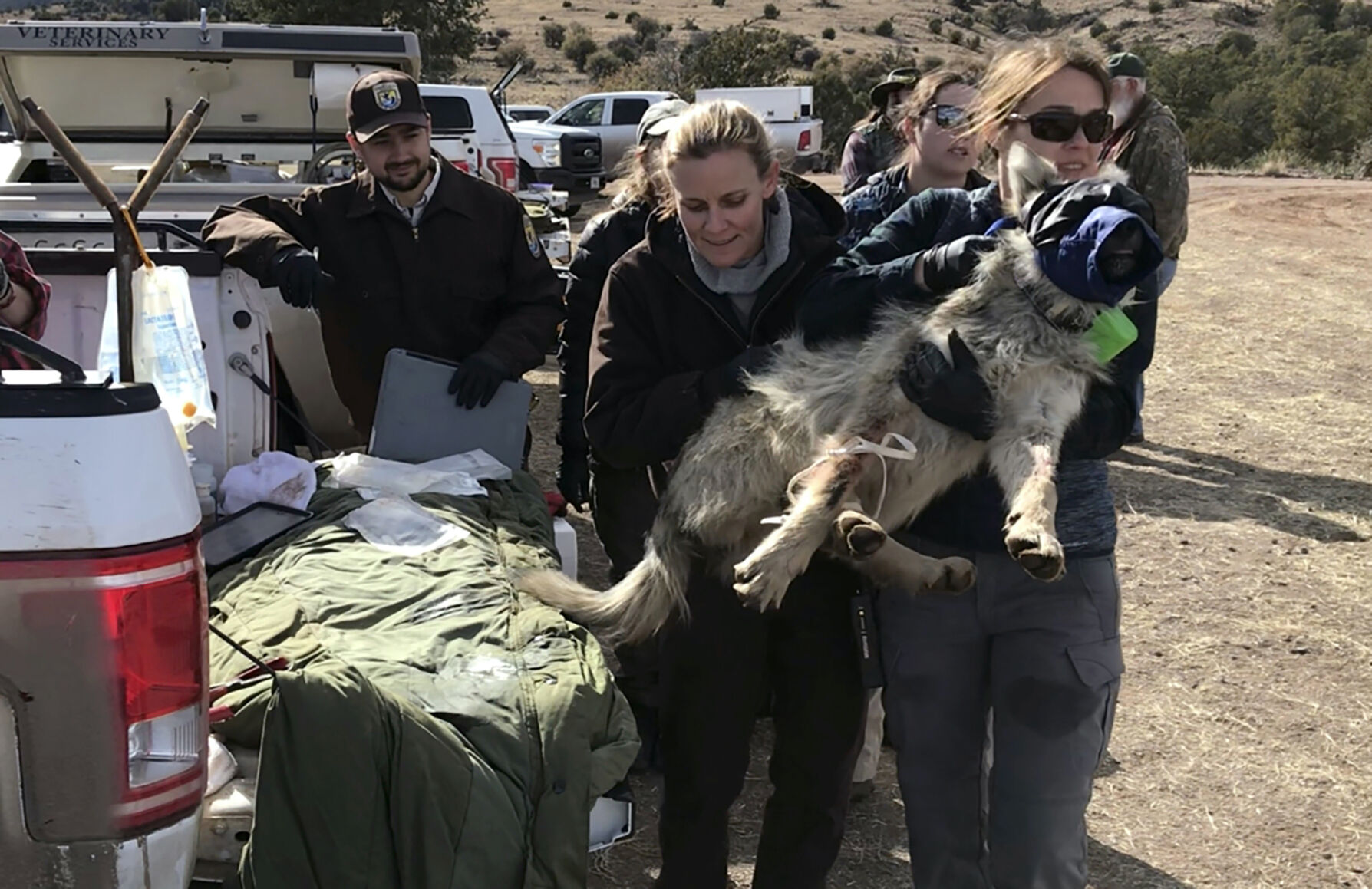
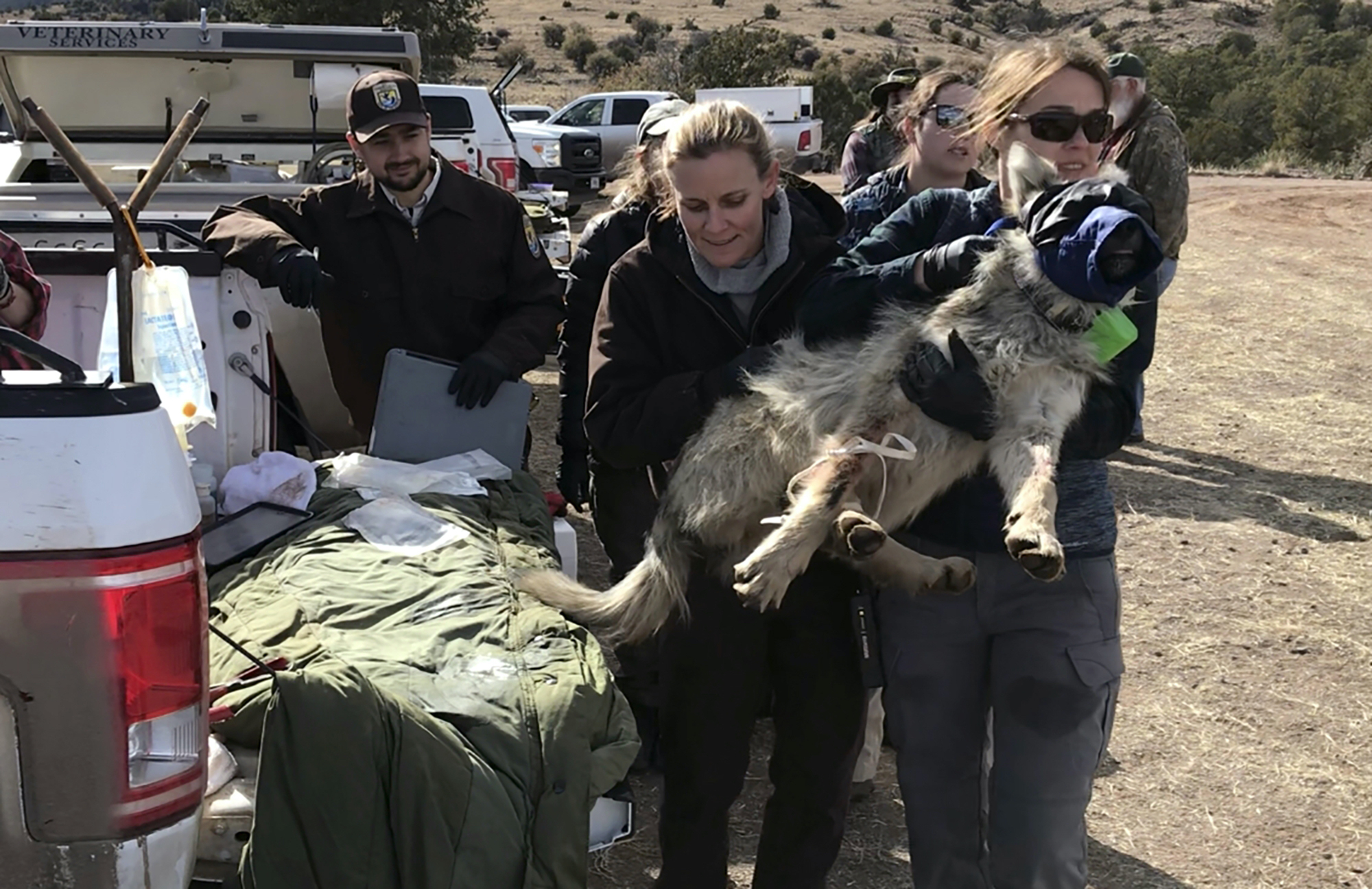
ALBUQUERQUE – It’s been a long journey for one lone Mexican gray wolf – from the forests of southeastern Arizona, across the dusty high desert of central New Mexico to the edge of what is known as the Yellowstone of the Southwest.
Having reached Valles Caldera National Preserve in northern New Mexico, she has wandered far beyond the boundaries established along the Arizona-New Mexico border for managing the rarest subspecies of gray wolf in North America. The recovery area – spanning tens of thousands of square miles – is home to more than 240 of the endangered predators.
Federal wildlife managers have confirmed to The Associated Press they have no immediate plans for capturing the lone female wolf nicknamed Asha. But they will continue tracking her movements.
Known to biologists by her formal name of F2754, the wolf is outfitted with a GPS collar. Data collected since her release in June in the Apache National Forest in Arizona shows she has traversed more than 650 miles.
From late October into early November, she was traveling about 13 miles a day. Then she began slowing down as she ventured into and out of the Valles Caldera preserve – an area that includes thick forests, vast meadows and some of New Mexico’s most famous elk herds. It’s also an area held sacred by Native American tribes in the region.
It is hunting season, and wolf recovery experts say it’s likely F2754 is feeding on elk carcasses. Small game like rabbits is another possibility since she’s without a pack to help her hunt.
If federal officials were to eventually recapture F2754, she would be placed into captivity and paired with another wolf in the hopes that they have pups. Then the family could be released back into the wild the following spring or summer.
Until then, all eyes will be watching the pings from her GPS collar.
Ethics board issues advisory after AG’s payment to outside lawyers
SANTA FE – New Mexico’s ethics board has issued an advisory opinion on contracts entered into on a contingency basis in the wake of a report about how much the state attorney general’s office paid outside lawyers.
The Santa Fe New Mexican reported on Nov. 16 that the state AG’s office paid nearly three times as much as other states to negotiate opioid settlements.
The newspaper said the 11-page advisory opinion by the New Mexico State Ethics Commission concluded that the state’s procurement code generally applies to a state agency’s or local public body’s procurement of contingent-fee contracts for legal services.
A contingent-fee agreement occurs when a law firm does not bill or expect payment until and unless the contingency is achieved, according to the advisory opinion.
A spokesperson for the New Mexico Attorney General’s Office said in a statement that the contingency fee allocated as a part of the recent settlement with Walgreens “was paid pursuant to a contract that contained no limit on fees” and done before Attorney General Raúl Torrez took office.
She also said Torrez has instituted “a new policy that sets strict limits on contingency fee cases moving forward and will follow the practice of other state attorneys general in relying on in-house attorneys as local counsel whenever possible.”
NORTH DAKOTA
Judge rules redistricting violates two tribes’ voting rights
BISMARCK – North Dakota’s 2021 legislative redistricting plan violates the rights of two Native American tribes because it dilutes their voting strength, a federal judge ruled Friday.
U.S. District Chief Judge Peter Welte said the redrawn legislative districts violated the Voting Rights Act of 1965. The ruling came months after a trial held in June in Fargo. The decision could lead to another surprise special session of the legislature.
In his ruling, Welte said the plan approved by the state Legislature to redraw voting districts in accordance with the latest census data “prevents Native American voters from having an equal opportunity to elect candidates of their choice” – a violation of the landmark civil rights law.
Welte gave the Republican-controlled legislature and the secretary of state until Dec. 22 “to adopt a plan to remedy the violation.”
The Turtle Mountain Band of Chippewa Indians and the Spirit Lake Tribe alleged the 2021 redistricting map “simultaneously packs Turtle Mountain Band of Chippewa Indians members into one house district, and cracks Spirit Lake Tribe members out of any majority Native house district.”
The two tribes sought a joint district and unsuccessfully proposed to the legislature a single legislative district encompassing the two reservations, which are roughly 60 miles apart.
Republican House Majority Leader Mike Lefor told the AP that legislative leaders plan to visit with the secretary of state and attorneys to determine their options, such as convening a special session of the legislature or appealing the judge’s decision.
North Dakota’s Legislature, which meets every two years, just wrapped up a three-day special session in October to fix a budget mess from a major state government funding bill that the state Supreme Court voided in September. The next regular session isn’t until January 2025.
MONTANA
Man intends to plead guilty to threatening U.S. Sen. Jon Tester
BILLINGS – A Montana man intends to plead guilty to threatening to kill Democratic U.S. Sen. Jon Tester under the terms of a deal filed on Nov. 27 by federal prosecutors.
Anthony James Cross of Billings faces up to 10 years in prison at sentencing if the plea agreement is accepted by the court. A second charge based on allegations that Cross also threatened to kill President Joe Biden would be dismissed at sentencing, according to a court filing by his defense attorney.
A court date has not yet been scheduled.
Cross, 30, has been jailed since late April, when he was arrested on a state charge for allegedly threatening a neighbor with a pellet gun. He has pleaded not guilty to that charge and was scheduled to go on trial in late October but the proceeding has been delayed, according to court records.
Federal prosecutors alleged in a September indictment that Cross said, “I will personally kill Joe Biden,” on April 10 and threatened Tester’s life on April 17. The indictment did not indicate how the threats were made.
Cross’ federal defender, Gillian Gosch, did not return a voicemail seeking comment. A phone number for Cross’ attorney in the state case, Robert Kelleher Jr., repeatedly rang busy.
Tester’s office declined comment, and the White House did not immediately respond to an email seeking comment.
The plea deal comes after another Montana man, Kevin Patrick Smith of Kalispell, was sentenced in August to 2 1/2 years in prison for threatening to kill Tester in voicemails left at his office in Kalispell.
KANSAS
Officials blame five-week disruption of court system on ‘foreign cyberattack’
MISSION – Cybercriminals hacked into the Kansas court system, stole sensitive data and threatened to post it on the dark web in a ransomware attack that hobbled access to records for more than five weeks, officials said on Nov. 21.
The announcement of a “sophisticated foreign cyberattack” was confirmation of what computer security experts suspected after the state’s Judicial Branch said Oct. 12 that it was pausing electronic filings. Until now, state officials had released few details, describing it simply as a “security incident.”
Upon learning about the attack, the state disconnected its court information system from external access and notified authorities, the Judicial Branch said in a statement. That disrupted daily operations of the state’s appellate courts and all but one county. Johnson County, the state’s most populous, operates its own computer systems and had not yet switched over to the state’s new online system.
In recent weeks many attorneys have been forced to file motions the old fashioned way – on paper.
Analyst Allan Liska of the cybersecurity firm Recorded Future said no ransomware group leak site has published any information yet.
Judicial Branch spokesperson Lisa Taylor declined to answer questions including whether the state paid a ransom or the name of the group behind the attack, saying the statement stands on its own.
a

10th Circuit rejects invitation for full-court review of tax-avoidance case
Michael Karlik
michael.karlik@coloradopolitics.com
Updated 1 hour ago
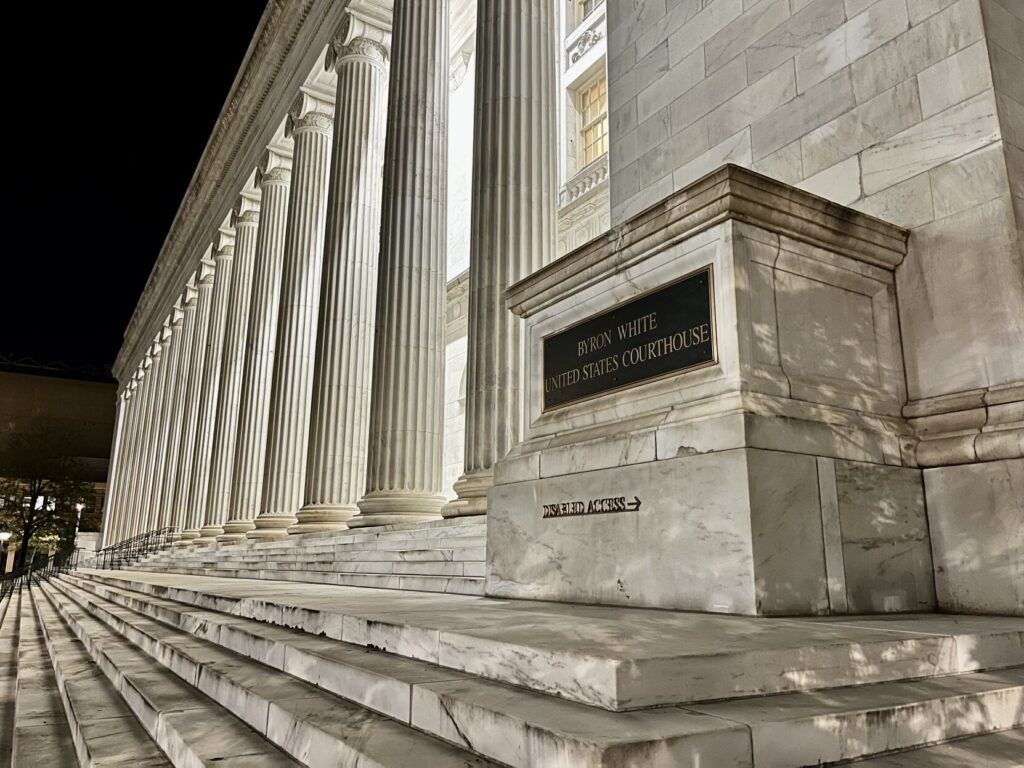
The Denver-based federal appeals court declined to reconsider the standards for holding entities liable for their tax-avoidance schemes, with a majority of judges voting against full-court review on Monday. In April, a three-judge panel of the U.S. Court of Appeals...
GOP gubernatorial candidate Victor Marx pushes aggressive water-storage expansion at Colorado Water Congress
Marianne Goodland
marianne.goodland@coloradopolitics.com
Updated 10 minutes ago
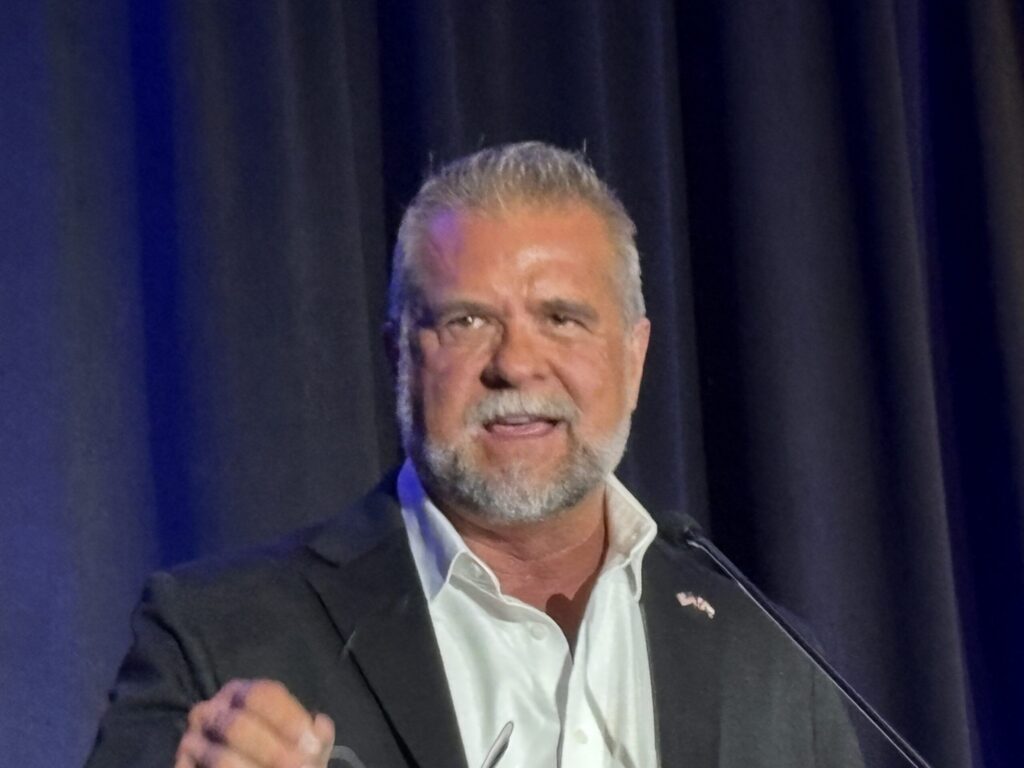
Victor Marx, the Republican nominee for governor, took the spotlight Wednesday during the opening day of the Colorado Water Congress, laying out how he says the state should approach its water future. Marx told the standing-room-only audience in Steamboat Springs...

Colorado AG sues GEO Group over noncompliance with tuberculosis investigation
Kyla Pearce
kyla.pearce@gazette.com
Updated 1 hour ago
The Colorado Attorney General’s Office on Wednesday filed a lawsuit against GEO Group, which operates the Aurora ICE Processing Center, alleging the company failed to comply with a state tuberculosis investigation. Weiser’s lawsuit demands that GEO provide “critical information” needed...
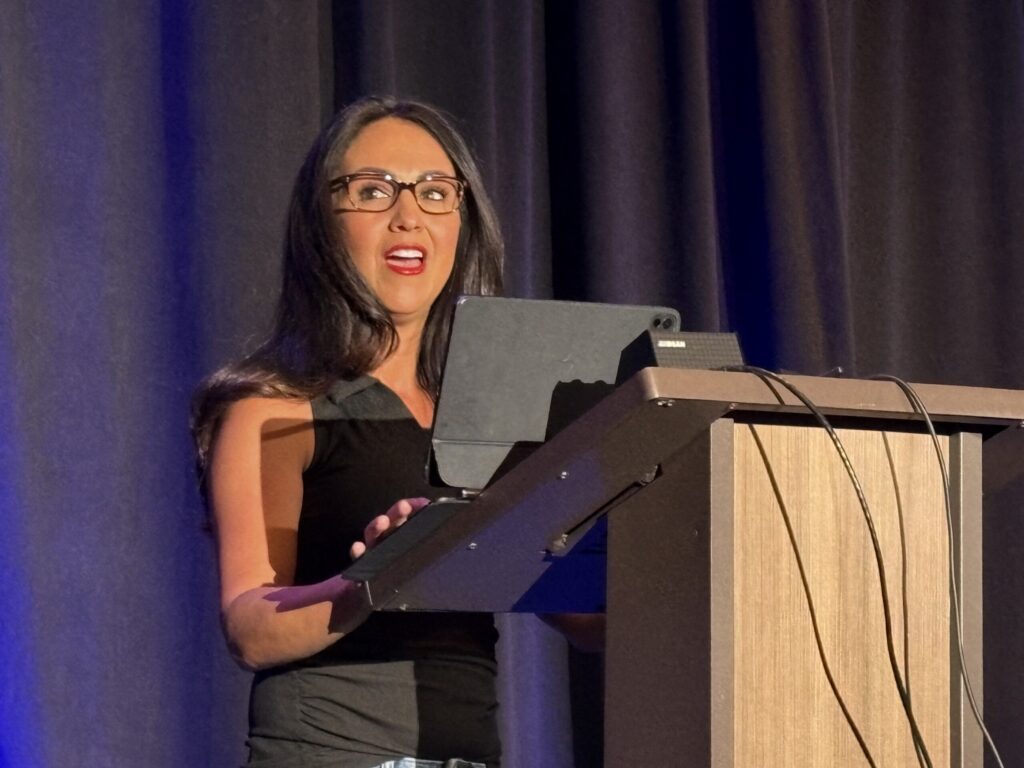
U.S. Rep. Lauren Boebert stresses storage, forest health and Upper Basin rights at Colorado Water Congress
Marianne Goodland
marianne.goodland@coloradopolitics.com
Updated 2 hours ago
Republican U.S. Rep. Lauren Boebert used her brief Wednesday appearance at Colorado Water Congress to tout her record on delivering water projects for the state and her district. Boebert, who is running for her second term representing Colorado’s 4th Congressional...

Trump has a 96% endorsement success rate. Here are the Republicans he’s backed who have lost
Mabinty Quarshie
mabinty-quarshie@coloradopolitics.com
Updated 3 hours ago
President Donald Trump’s 2026 primary endorsement success rate remains staggeringly high, but the president has seen a growing number of losses stack up in recent weeks. According to Ballotpedia, Trump has endorsed in 313 U.S. Senate, U.S. House, and state...
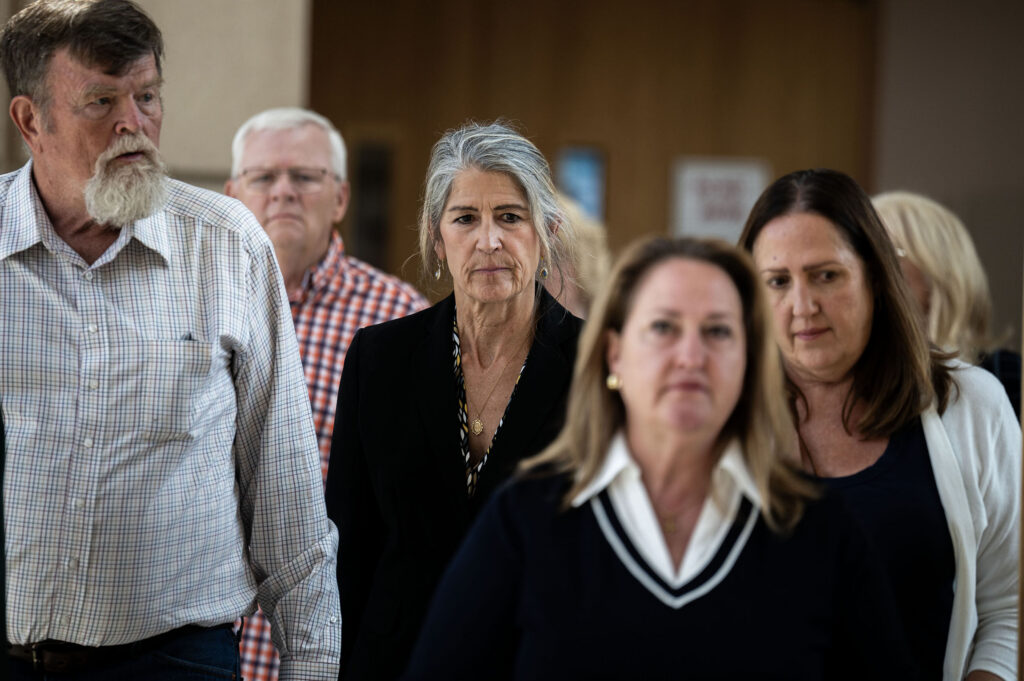
Colorado judge blasts state forensics lab in dismissing child sex case
Jenny Deam
jenny.deam@gazette.com
Updated 3 hours ago
In a potentially widely consequential action, a Weld County district judge dismissed a child sexual assault case, citing the ongoing scandal at the Colorado Bureau of Investigation’s forensic lab that “has left a dark mark on the history of Colorado...

Colorado officials urge stronger water safety after 6 drownings and multiple Front Range rescues
Elizabeth Pond
elizabeth.pond@denvergazette.com
Updated 7 hours ago
At least eight people have drowned in Front Range waters since mid-March, including two at Eleven Mile Reservoir, three at Cherry Creek Reservoir, one at Rockbridge Lake and two at Lake Pueblo State Park. In the wake of these deaths,...

Vehicle registration crackdown across Front Range starts next week
Nick Smith
nick-smith@coloradopolitics.com
Updated 4 hours ago
Colorado drivers with expired tags or unregistered vehicles still have time to get registered before a scheduled enforcement crackdown starts next week. According to an announcement from the Colorado Springs Police Department, a multi-agency enforcement effort will happen across the...

Aurora grapples with affordable housing needs, deficits
Kyla Pearce
kyla.pearce@gazette.com
Updated 5 hours ago
Aurora is grappling with affordable housing needs as demand for project funding increases and the state cuts grant money. Currently, the city needs about 12,000 affordable housing units, Martin Petrov at Aurora Housing Authority told members of the Housing, Neighborhood...

Wheat Ridge considers ordinance to restrict drone use in public spaces
Matt Kyle
matt.kyle@denvergazette.com
Updated 5 hours ago
Drone users may soon have to abide by new restrictions should they wish to fly in Wheat Ridge. During Monday night’s City Council meeting, council members discussed a proposed ordinance that would restrict the use of remote-controlled drones within city...
PREV
PREVIOUS

12 races to watch as Colorado heads into 2024 presidential election year | COVER STORY
With fewer than 100 days remaining until Colorado’s Super Tuesday presidential primary and statewide precinct caucuses kick off the 2024 election year, the key races that will dominate the ballot and vie for voters’ attention are taking shape. Coloradans will have the opportunity to cast votes three times through the year – first in the […]

Voting is soon to commence: Curb your enthusiasm | SONDERMANN
We live in an era of the perpetual presidential campaign, yet it seems somehow strange that actual voting is just around the corner. The Iowa caucuses – this year for Republicans only – are but six weeks away. The New Hampshire primary will follow eight days later. That brief interim should give mathematically-challenged Iowans time to tabulate […]