

Senate Dems, Republicans squabble over public access to bills, special session schedule
That didn’t take long.
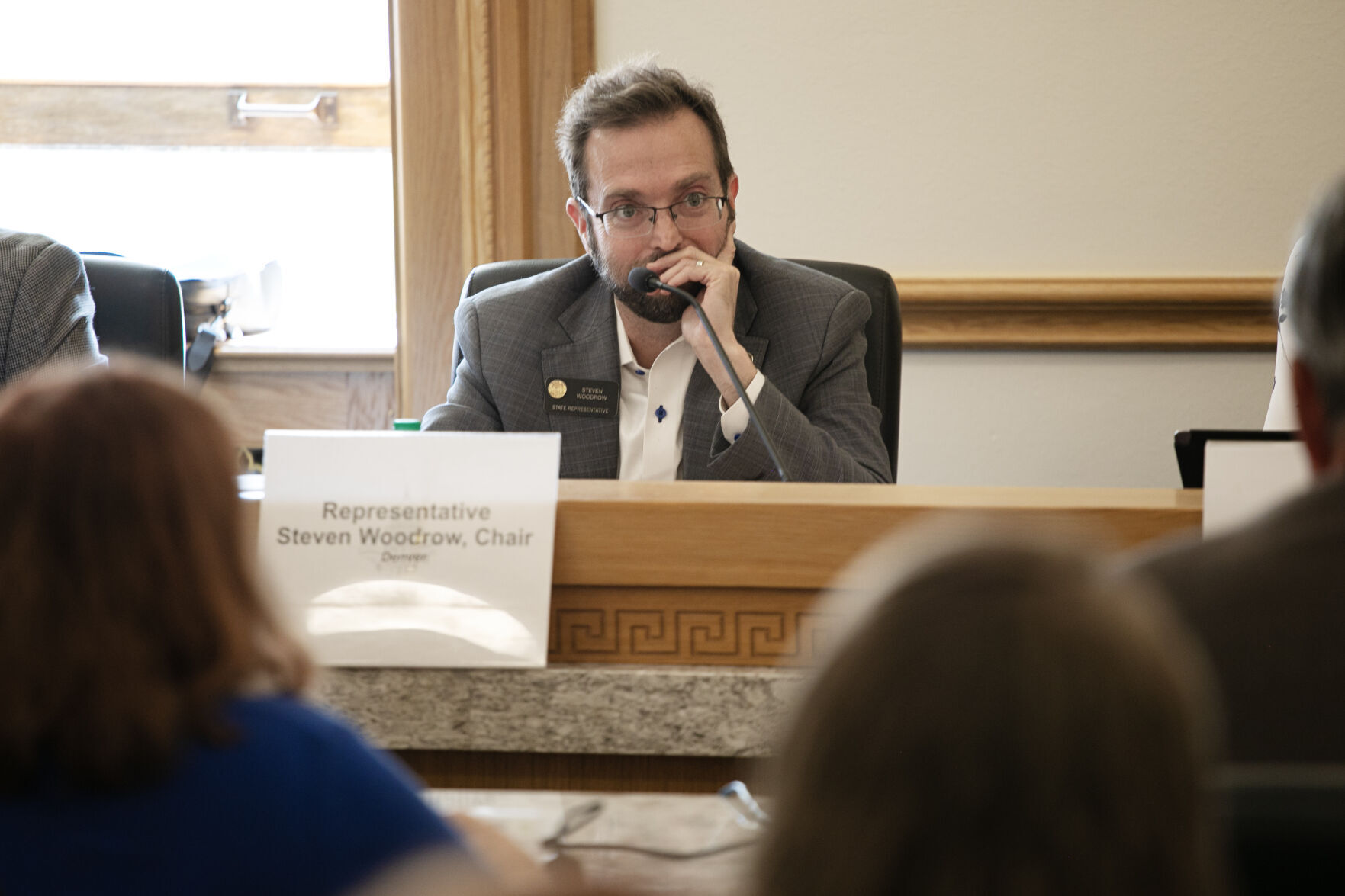
Less than an hour into the Colorado General Assembly’s special session on property taxes, Senate Democratic and Republican leaders fought over whether the public gets enough access to the legislation being offered in the next three days.
Shortly after the bills were introduced and sent off to committee, Senate President Steve Fenberg, Senate Minority Leader Paul Lundeen, and their leadership colleagues went off to the side of the Senate – and out of the public view – to argue about the schedule.
Lundeen said the public needs more time to look over the dozen bills that lawmakers will review in the next three days. So far, seven bills have been introduced in the House and five in the Senate, including the main legislation meant to provide property tax relief, Senate Bill 23B-101.
Lundeen advocated for a delay in the special session, one that could drag it out past the Democrats’ plan to adjourn on Sunday. That didn’t sit well with Democrats, who pointed out that Republicans were informed about the schedule earlier in the week.
Fenberg also pointed out that six bills were pre-released on Thursday, with permission of their sponsors, including the main bill.
The business of legislating, when done openly, is done in committee, Lundeen argued. Waiting until Sunday will give members of the public access to the legislation and satisfy their desire to participate, he said.
That would drag out the session past the Sunday adjournment, said Fernberg, who accused the Republicans that that always has been their plan.
The process for a special session works similarly to how legislators conduct business in the final days of a regular session. It takes three days for a bill to get through both chambers.
On Day One, the bill is introduced in its original chamber. A committee passes it, and it heads to the floor for a second reading. By law, the third reading vote in the originating chamber must take place after midnight on Day Two. Then the bill heads off to the other chamber, the process is repeated, and, on Day Three, the final vote is held in the second chamber.
That’s the process Democrats intend to utilize in this special session.
“We have some concerns about public access,” Lundeen noted.
Fenberg countered that raising the issue at 10 a.m. on Friday, the first day of the session, is little more than an effort to delay things.
“Going back on the things we discussed openly and in the spirit of collaboration is a slap in the face,” he said, noting the parties’ leaders already discussed the schedule, which was clear to everybody.
“And, at 10 a.m., with the press present, you say, ‘Hold on. I’m speaking for the people. … They need to be there.’ That is performative and that’s not how we do things here,” he said.
Senate Assistant Minority Leader Bob Gardner then pointed out that Fenberg had called Republican proposals “not real” in a press conference Thursday.
Fenberg responded by noting that both sides have drawn hard lines in the sand: Republicans do not want to see TABOR surplus revenue used to provide property tax relief, and Democrats’ proposals are using existing general fund money set aside for that purpose. Republicans want to use the state reserve, which Democrats won’t accept.
“We are where we are,” Fenberg said.
Next up is committee hearings on the bills.
tom.hellauer@denvergazette.com
tom.hellauer@denvergazette.com



Bernie Sanders says Trump is lying after ‘A+++++’ rating on the economy
Sydney Topf, Washington Examiner
sydney.topf.washington.examiner@gazetteedit.wpenginepowered.com
Updated 36 minutes ago
Sen. Bernie Sanders (I-VT) said President Donald Trump can “lie all that he wants” after Trump gave himself an “A+++++” on his performance regarding the economy. “If this is an A+++ economy, God help us if we ever get to...

Judge blocks Trump’s LA troops deployment for third time after getting overruled twice
Jack Birle, Washington Examiner
jack.birle.washington.examiner@gazetteedit.wpenginepowered.com
Updated 39 minutes ago
U.S. District Judge Charles Breyer blocked President Donald Trump‘s use of the California National Guard for a third time on Wednesday, despite an appeals court halting Breyer’s two previous orders stopping the deployment of troops to Los Angeles. Breyer granted...
Judge Boasberg seeks testimony from DOJ ‘whistleblower’ in criminal contempt inquiry
Kaelan Deese, Washington Examiner
kaelan.deese.washington.examiner@gazetteedit.wpenginepowered.com
Updated 45 minutes ago
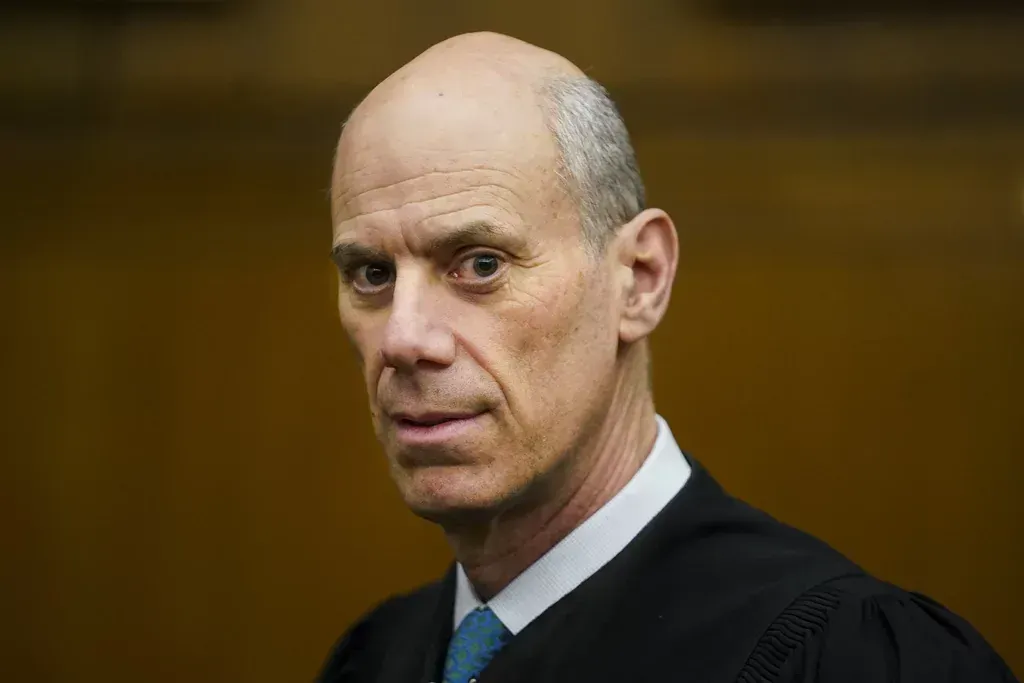
Chief U.S. District Judge James Boasberg this week pushed forward his fact-finding inquiry into whether Justice Department officials under the Trump administration deliberately defied his emergency order blocking the removal of more than one hundred Venezuelan detainees to El Salvador...

Haley Stevens introduces articles of impeachment against RFK Jr.: ‘Self-created threat’
Brady Knox, Washington Examiner
brady.knox.washington.examiner@gazetteedit.wpenginepowered.com
Updated 49 minutes ago
Rep. Haley Stevens (D-MI) introduced articles of impeachment against Health and Human Services Secretary Robert F. Kennedy Jr. on Wednesday for threatening the country’s health. Stevens, who is running for Michigan’s open Senate seat in 2026, has targeted Kennedy with...
Third judge rules DOJ can unseal Epstein grand jury records from sex trafficking case
Kaelan Deese, Washington Examiner
kaelan.deese.washington.examiner@gazetteedit.wpenginepowered.com
Updated 52 minutes ago
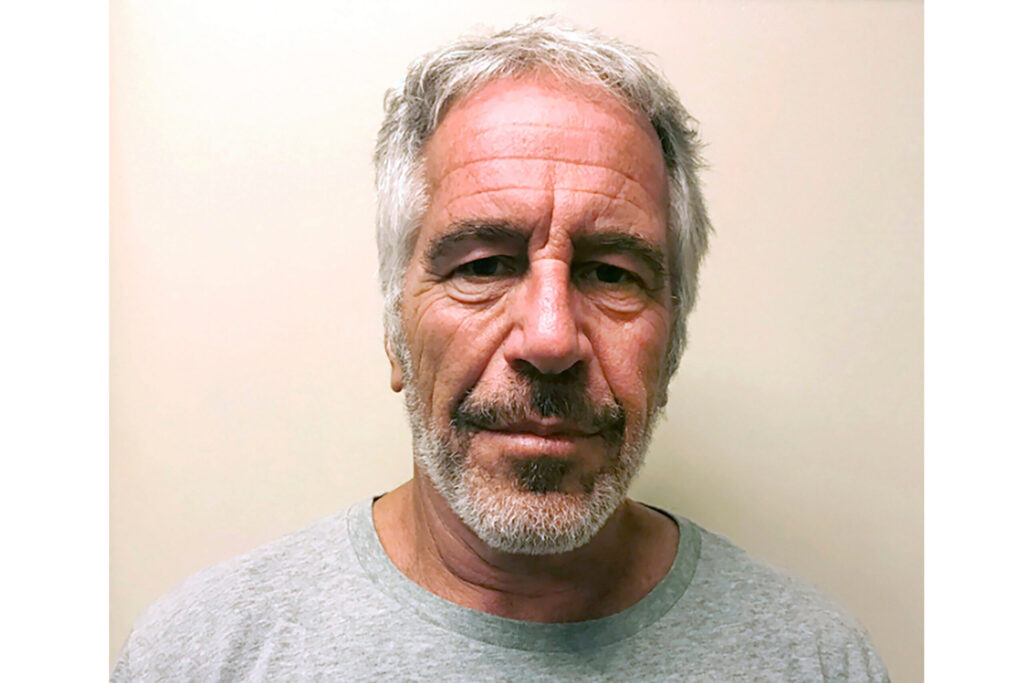
A federal judge in New York cleared the way for the Justice Department to release long-sealed grand jury materials from its sex-trafficking investigation into the late disgraced financier Jeffrey Epstein, marking another major step in the government’s race to comply...

Musk says he wouldn’t do DOGE again if given the chance
Brady Knox, Washington Examiner
brady.knox.washington.examiner@gazetteedit.wpenginepowered.com
Updated 55 minutes ago
Elon Musk voiced a negative retrospective view of his grand government reform project, the Department of Government Efficiency, saying he wouldn’t do it again if given the chance. In an interview on Katie Miller’s podcast, Musk was asked if, knowing...
Democrats set expanded targets after surprise victories in Florida and Georgia
Emily Hallas, Washington Examiner
emily.hallas.washington.examiner@gazetteedit.wpenginepowered.com
Updated 59 minutes ago
A string of election victories on Tuesday has Democrats bullish about the midterm elections, leading them to expand their target map for 2026. In an upset win, the party flipped the Miami mayorship blue for the first time in nearly...

Top US political figures lend legitimacy to Qatari forum allied with array of anti-American groups
Robert Schmad, Washington Examiner
robert.schmad.washington.examiner@gazetteedit.wpenginepowered.com
Updated 1 hour ago
Former Secretary of State Hillary Clinton, Donald Trump Jr., Bill Gates, Tucker Carlson, and a host of other U.S. political figures have all descended on the Qatari capital of Doha in recent days to discuss an array of current events....
Colorado Parks and Wildlife Commissioner Murphy Robinson resigns
Marianne Goodland
marianne.goodland@coloradopolitics.com
Updated 18 hours ago
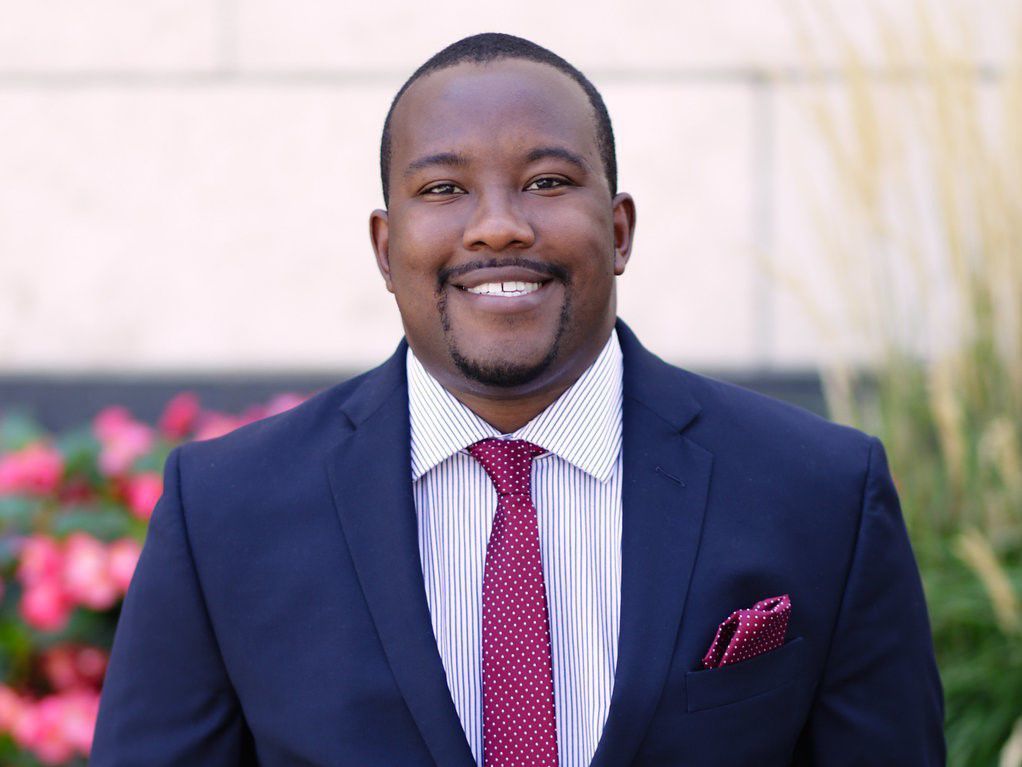
Murphy Robinson, who has served on the Colorado Parks and Wildlife Commission for just over a year, announced his resignation on Wednesday. In a statement, Gov. Jared Polis thanked Robinson, saying he is “incredibly grateful for Murphy’s service to the...

DOJ launches investigation into Colorado prison, youth facility conditions
Cleo Westin
cleo-westin@coloradopolitics.com
Updated 3 hours ago
The U.S. Department of Justice has opened an investigation into possible constitutional violations of Colorado prisoners through inadequate treatment and transgender housing policy, according to federal authorities. The department’s letter of notice to Gov. Jared Polis on Monday identified housing...
PREV
PREVIOUS

Lessons from Colorado's off-year elections augment campaign rules of thumb | TRAIL MIX
The dust is still settling on the last of Colorado’s off-year elections, but it’s not too soon to glean conclusions from the results dealt by the state’s voters in a series of local and statewide plebiscites. As state lawmakers gear up for a hastily called special session, while newly elected and reelected candidates prepare to […]

Colorado justices consider whether to uphold $9.2 million jury verdict for man's botched surgery
After a Denver jury awarded a man $9.2 million for his severely botched surgery, a trial judge found half a dozen reasons to override the much lower limit in state law and give the plaintiff the entire amount as jurors intended. This week, however, the Colorado Supreme Court questioned whether one of the judge’s cited […]