

Denver, Aurora’s tactics evolve as gangs attract younger children more prone to violence


In early June, a 14-year-old was shot and killed by a gang intervention unit in Aurora after he and a group of other teenagers fled after allegedly robbing a convenience store.
The gang unit was patrolling nearby when the alleged robbery occurred.
Body-worn camera footage showed the teen victim shouting, “Stop! You got me!” at the same time that police officer Roch Gruszecza, a member of Aurora Police Department’s Gang Intervention Unit since 2019, yelled for him to “let go of the gun.”
Less than a second later, the teen was shot as he lay on the ground. It turned out the teen had a pellet gun.
After he was shot, the video showed the teen saying: “He made me do it. I don’t know who they were.”
It’s unclear if teen was involved in gang activity, but the shooting once more brought to the fore the epidemic of youth violence rising in metro Denver, much of which involves gang activity, experts say.
Indeed, experts said younger and younger children are joining gangs and point to violent crime undertaken by kids under 14. They added that the ever-evolving street gang scene in Denver, and surrounding cities, compel communities to also change their tactics. Some described it as a “moving target,” particularly as the “old-school,” organized structure of gangs has been superseded by groups with looser hierarchies and affiliations, making them more difficult to track.
They added that this new reality makes it even more difficult to get to gang members – and help set them on the right path – before tragedy strikes.
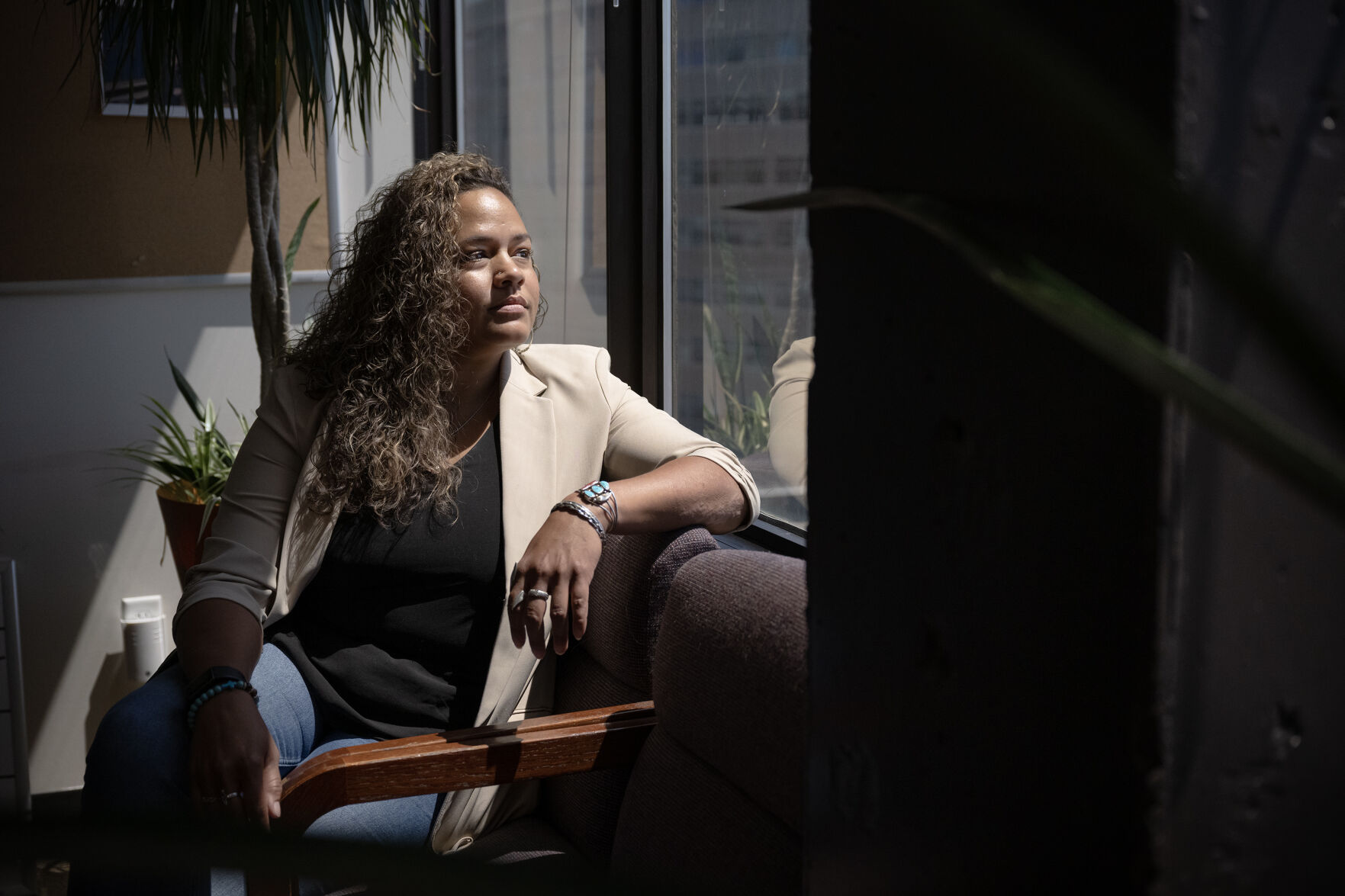
“You just see this web of evolving groups,” Nicole Monroe, who manages Denver’s Office of Community Violence Solutions, told The Denver Gazette. “It’s difficult to throw out a number of how many exist and then, just as quickly as they’re created, they can go away, as well.”
What’s certain, Monroe said, is Denver is seeing an increase in gang activity and a pronounced shift in the demographic of gang members.
“If you’re looking at Denver’s rate of growth per capita, we see a trend where (gang violence) is drastically increasing year-over-year,” Monroe said.
Hybrid gangs, younger members
Officials in Aurora and Denver – who work together since gang activity isn’t confined by city boundaries – called these new, loosely affiliated and lacking the top-down hierarchy, and the codes and structure inherent in traditional gangs, “hybrid gangs.”
These groups tend to be smaller, younger and more prone to violence, Officer Max Schoolmaster, a member of Aurora Police Department’s gang unit, said.
“The current (gang) culture that exists today has definitely changed and evolved over the last decade or so,” Monroe said. “It’s evolved to where it doesn’t really have colors or territories anymore.”
With no older gang member counseling and directing them, younger members are more prone to outbursts and lashing out, even in broad daylight, such as the teenagers allegedly robbing the vape store in Aurora, according to Schoolmaster.
Previously, experts saw people between ages 14 and 24 in gang activity. As of about a decade ago, they began to see younger children between the ages of 10 and 12.
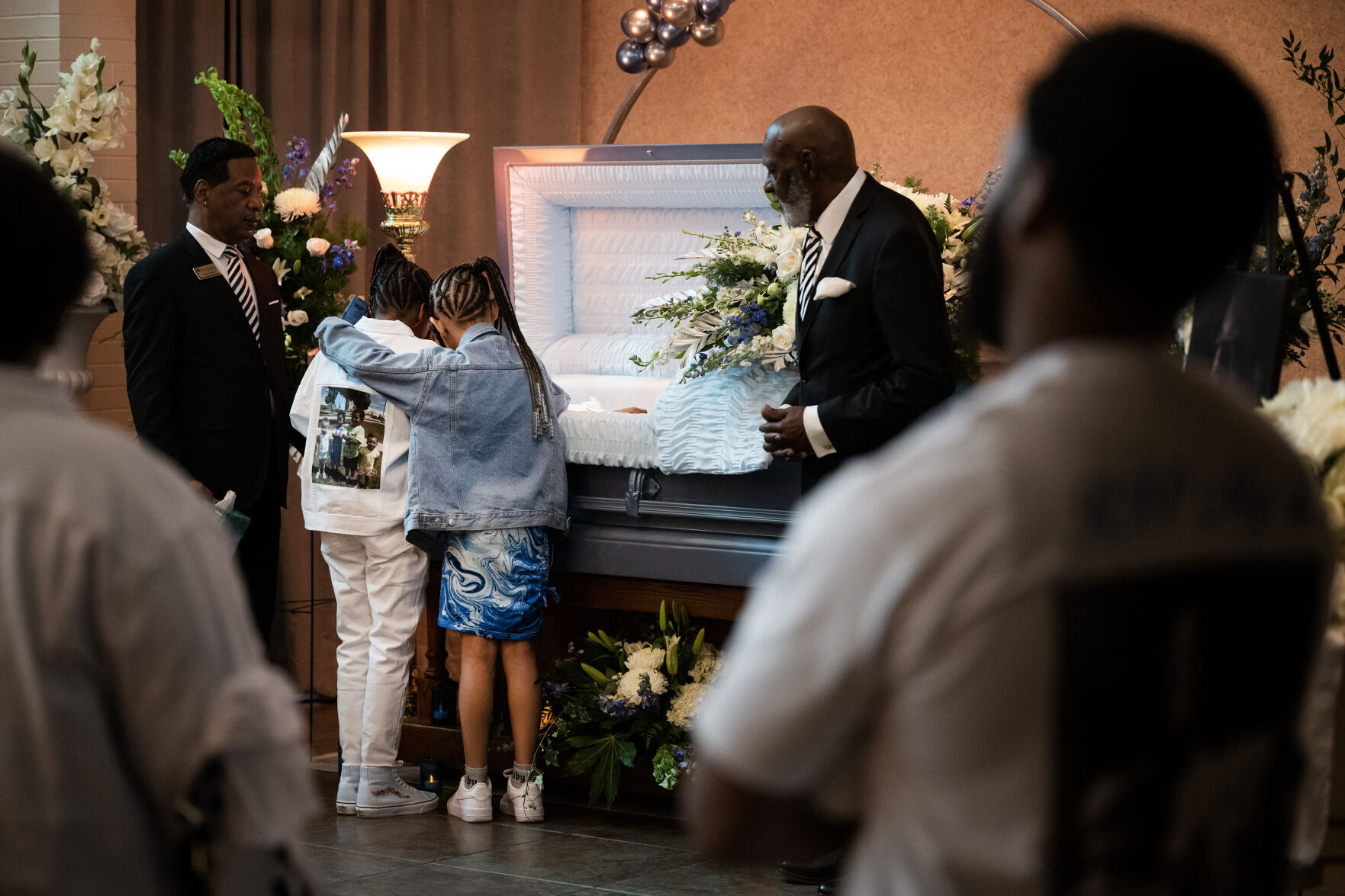
Elias Armstrong, 12, of Denver was shot and killed in February by the owner of a car the boy and a group of his friends allegedly stole. His stepmother had tried in vain to keep Armstrong out of gangs after her 16-year-old son also died from a gunshot wound to the head after leading police on a car chase with a stolen car.
Westminster police bodycam video showed an officer approaching the vehicle and opening the driver’s door. The 16-year-old boy fell out limply, with a wound on the back of his head. “Hey, hey bro. Bro, wake up!” the officer called, tapping the dying boy’s shoulder. Then, over his radio, he said, “I think he shot himself in the head.”
“The individuals who are involved in some of these groups that are driving violence are definitely a lot younger than we’ve seen in the past,” Monroe said.
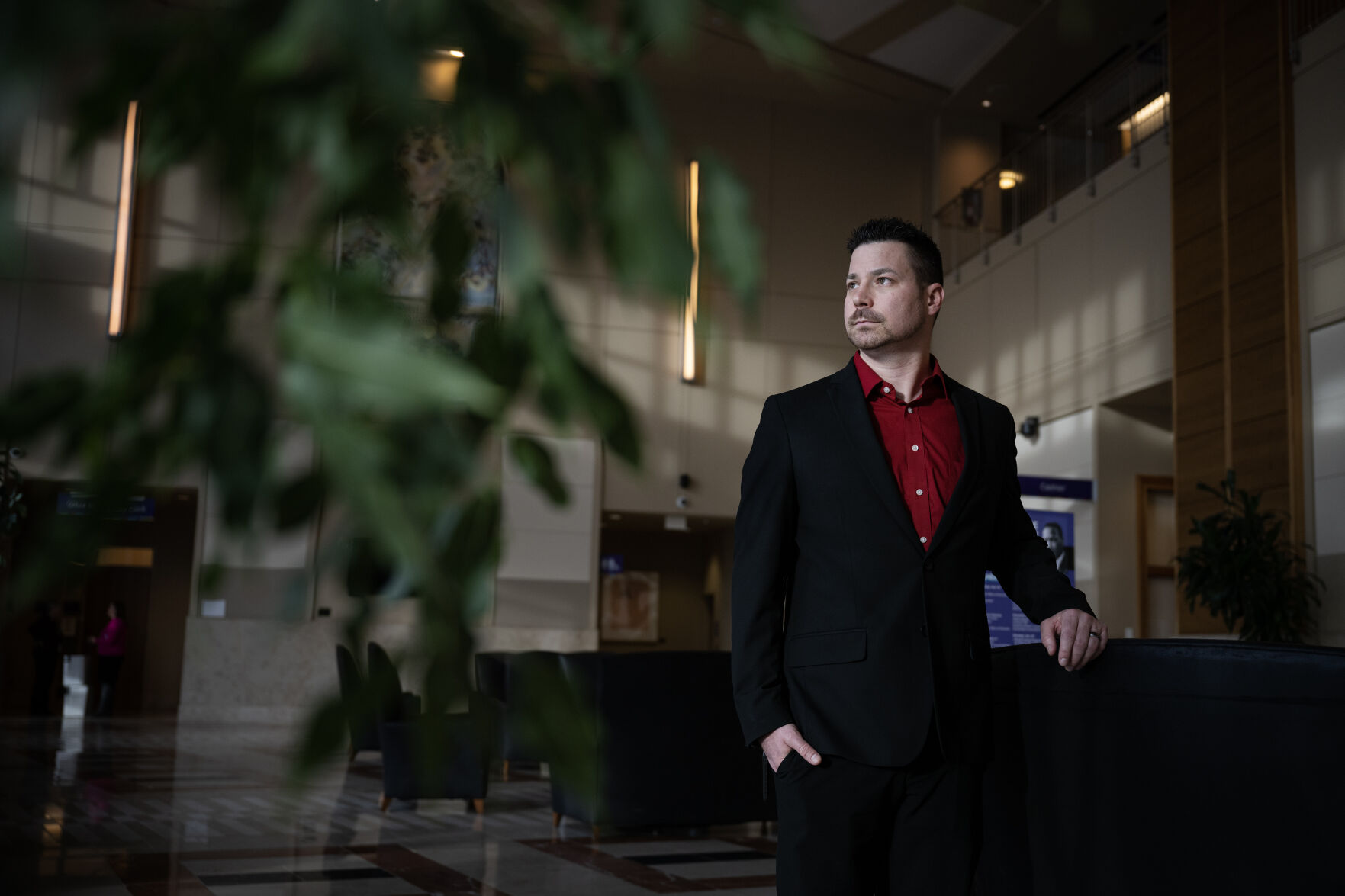
Stephenson Cary, the sergeant for Aurora’s gang intervention unit, said he has personally witnessed the average age of youth involved in gangs shifting younger.
“Our most violent offenders out there are early teens, some of them even preteens,” Cary said.
While Cary doesn’t know why this is happening, he suspects it has to do with several factors, including how court systems deal with juveniles and brain development in youth.
However, just as youth are more prone to violence, they may be more responsive to intervention techniques, Cary said.
“Because they’re so young and easily influenced, maybe that’s why they’re more prone to the violence, but maybe that’s also why they’re more prone to the interruption,” Cary said.
Seeing kids between 10 and 12 and more girls and women involved in gang activity used to be an anomaly, but it has become much more common, experts said.
Indeed, gender in gang involvement has shifted, with the traditional demographic of mostly men now involving young women, as well, Monroe said.
The Office of Community Violence Solutions relies heavily on data from their partnership with the Denver Police Department to track gang activity and understand where some of the city’s gang hot spots are located, Monroe said.
Data has led them to what they described as eight major hot spots: The Westwood neighborhood in southwest Denver; another area near it; Park Hill; Union Station; Larimer; the Montbello area in far northeast Denver; East Colfax on Broadway; and, the Holly.
Knowing these locations helps the violence solutions office and its partners address gang activity and identify and address risk factors, Monroe said.
What are gang risk factors?
The Office of Community Violence Solutions identified factors that can often lead people, especially youth, to participate in gang activity.
Having an understanding of these risk factors can help the office and its partners target families and individuals who may be at higher risk of getting involved in violence before it happens, Monroe said.
The risk factors are community or neighborhood, family, school, peer and individual, according to a request for proposal for gender-specific programming to deal with gang activity from the City and County of Denver.
Individual risk involves the environment kids grow up in and the experiences they’re exposed to.
Additional risk comes from exposure to peers.
However, just as these factors can lead to higher gang violence risk, they can also be protective, Monroe said.
Whether these factors lead a person to violence or keep them away from it depends on the culture and dynamics of their community, the nature of their mental health and education and their access to those things or lack thereof, Monroe added.
What is the Office of Community Violence Solutions?
At the fore of Denver’s anti-gang campaign is the Office of Community Violence Solutions, which first formed in 2010 as a project called the Gang Reduction Initiative of Denver. Then a grant from the U.S. Department of Justice’s Office of Juvenile Justice and Delinquency Prevention created the OCVS in 2021, allowing the office to address other forms of violence where there is an intersection between gangs, bullying, guns and other factors, Monroe said.
The office brings together and coordinates with organizations and people across the city who are working on violence prevention under the OCVS umbrella. That strategy helps the office address neighborhoods and violent hot spots uniquely, since one approach may not be perfect for every community with unique dynamics and situations, Monroe said.
The OCVS service delivery model categorizes strategies and programs into prevention, intervention and suppression, Monroe said, adding that the office’s internal outreach team works one-on-one with gang-involved and high-risk individuals, both youth and adult.
The office’s strategy is encapsulated in these principles:
-
Prevention involves providing strategies that strengthen families and community.
-
Intervention involves providing effective case management intervention strategies to high-risk gang members and families.
-
Suppression involves supporting and creating criminal justice partnerships to suppress violent crimes in communities.
The OCVS also pursues programs and strategies that target certain high-risk groups and issues.
A list of OCVS strategies and programs can be found on the City of Denver’s website and some examples are listed below.
-
The Handgun Intervention Program supports individuals with access to guns in lower-level offenses, offering them classes and education, finding them probation officers and supporting them and victims through restorative justice groups. These groups bring together victims and perpetrators with a mediator to share stories and have conversations about the violence.
-
The Safe Haven Program is a faith-led initiative in partnership with local churches to support community members in dealing with trauma, fear and frustration from gang violence. There are more than 20 churches throughout Denver that serve as Safe Haven locations.
-
The Gang Resistance Education and Training program brings diversion officers to elementary and middle schools to provide curriculum that teaches kids how to resist joining gangs.
-
Hospital-Based Intervention provides assistance to people admitted to the hospital for injuries related to suspected gang activity.
At any given time, the OCVS has about 400 active partners in the city. Along with direct partners, the OCVS also assists groups and people doing work outside of their office.
The work comes at a cost to the city. Service contract funding for the programs supported by OCVS adds up to $819,857.
The OCVS’s 2023 total budget is about $1.3 million: about $645,000 for personnel, $683,000 for services and supplies, and almost $1,500 for internal billing.
A regional approach
Gang-driven violence doesn’t adhere to city boundaries, Monroe said. While the OCVS and its partners work to mitigate gang violence, it takes collaboration and community engagement to make communities safer, she said.
“There’s really no boundary, no borders, we work together,” Monroe said. “It’s community based.”
In 2020 and 2021, mayors in both Denver and Aurora partnered to cross city borders and formed the youth violence regional prevention compact – a model to help them work together in addressing gang violence cross-city.
The collaboration created a space and structure for people doing gang work in both cities to share strategies, maintain lines of communication and learn from each other, Monroe said.
“It’s not going to take one strategy or approach,” Monroe said. “It’s about valuing the role that everyone brings to the table.”
Joseph DeHerrera, manager of Aurora’s Youth Violence Prevention Program, said the partnership helps the two cities share resources. Officials from the two cities meet once a month to update each other and share data.
Indeed, officials from Aurora are familiar with resources in Denver and vice versa, so an Aurora gang member who ended up in Denver gets the support. Through the structured partnership, the two cities can also collect data from each other’s police departments and develop a better understanding of gang activity in each city.
“We really started our partnership based on the simple fact that these youth and people involved in gangs don’t know boundaries,” DeHerrera said. “What happens in Denver happens in Aurora and what happens in Aurora happens in Denver.”
Cary, the sergeant from Aurora, said there is a lot of communication between agencies around the Denver metro area when it comes to intervention and enforcement. Cary oversees six people in his Aurora intervention team but also works with officials and teams throughout the Denver area.
Cary’s team has its own weekly meetings that often involve partners from outside agencies or outside entities, he said.
With a small team of gang interventionists, Cary said they have to take a targeted approach.
“Our approach is we are targeting the members that we think are the most violent, that are involved in repeated acts of violence,” Cary said.
Outside of enforcement, Cary’s unit also conducts educational training for school districts, hospitals and within their own department on awareness of signs of gang activity.
As the professionals do their work, community members also have a role to play, Monroe said, adding that, in particular, community engagement is important.
For those who want to help but may not know where to start, Monroe suggested starting within the local community and reaching out to a professional doing the work to ask what can be done.
“There is a role for our residents and the tricky part can be identifying what you can do,” Monroe said. “Reach out to your local leaders and they can help you get started.”
Struggle of Love
DeHerrera, the Aurora official, said community members can also help by offering up resource ideas for those who may need them. When community members see a resource or organization that could be helpful in mitigating gang violence, officials want to know about it, he said.
A lot of the work being done now started with a community member seeing a need and starting wherever they could fit in, Monroe added.
This is how the nonprofit organization Struggle of Love started.
LaKeshia and Joel Hodge, who began dating when they were homeless, saw gaps in needed resources and decided they wanted to give back after utilizing resources themselves.
“We’ve worked ground-up from our garage,” Joel Hodge said. “We’ve been doing stuff against violence for about 14 years and prevention is really what we try to aim for. How do we stop it from getting to that point?”
Today, the organization is a 501(c)(3) nonprofit that provides opportunities for underprivileged youth and families to access year-round services. The group has been recognized locally and nationally for its work.
All of the group’s staff is trained in trauma-informed practices and focus on providing youth with love, Hodge said.
“When it boils down to it, that’s what they’re missing is love,” Hodge said. “Some of these families don’t have time for love. They need to get money and work and a lot of them are single mothers, so it’s just about providing a little bit of love and support.”
Jay Jackson, 17, who has been in and out of jail several times throughout his young life – first for vehicle theft – now works at Struggle of Love, helping other kids like him who ended up on paths of violence at a young age.
Struggle of Love offers therapy to school help, but the most valuable part of the organization is the love it gives to kids, Jackson said.
When Jackson was 15, he said a couple of his friends died, adding it was around that time when he first went to jail.
After he got out, he started going to Struggle of Love to get help.
While Jackson has never been involved in a gang, he sees them and he is around people who are in gangs, he said.
Jackson found that accessing resources like those Struggle of Love offer to get help when he wanted to steer himself away from violence and keep himself out of jail was “easy.”
Whether it meant providing him with resources he needed or even coming to find him and help him when he ran away, Hodge gave Jackson the role model he was missing, he said.
“It made me realize, dang, there really is someone who cares about me no matter what,” Jackson said. “When someone really cares about you, now I can do what I need to do to take care of myself.”


The year the Capitol Christmas tree was delivered by a senator | OPINION
Greg Fulton
greg-fulton@coloradopolitics.com
Updated 1 day ago
The voice on the phone was familiar, but the request was not. It was the latter part of September 2000. The person on the other end of the line was U.S. Sen. Ben Nighthorse Campbell. Over the years I had a...
Peddling poor pay at Casa Bonita, ‘South Park’ creators a self-satire | NOONAN
Paula Noonan
paula-noonan@coloradopolitics.com
Updated 1 day ago
Trey Parker and Matt Stone of the now fabled show “South Park” took on a rebuild of Casa Bonita in Lakewood out of nostalgia for the pink colored restaurant-entertainment center on West Colfax. They also took on Paramount, the media...

Feds order coal-fired Craig power plant to remain open
Scott Weiser
scott.weiser@gazette.com
Updated 6 hours ago
The Trump administration’s energy agency has ordered one of three generating units at a Colorado power plant to remain available for operation amid an impending shutdown of the station and its supplying coal mines. The move is one of the...
Appeals court shuts down path to challenge convictions if lawyer tells jury that defendant is guilty
Michael Karlik
michael.karlik@coloradopolitics.com
Updated 7 hours ago
Colorado’s second-highest court concluded on Wednesday that defendants cannot challenge whether the evidence was sufficient to sustain their convictions if their lawyer argues to the jury that it should find the defendant guilty. The U.S. Supreme Court has provided guidance...
Colorado legislature votes to make committee hearing livestreams permanent
Marianne Goodland
marianne.goodland@coloradopolitics.com
Updated 4 hours ago
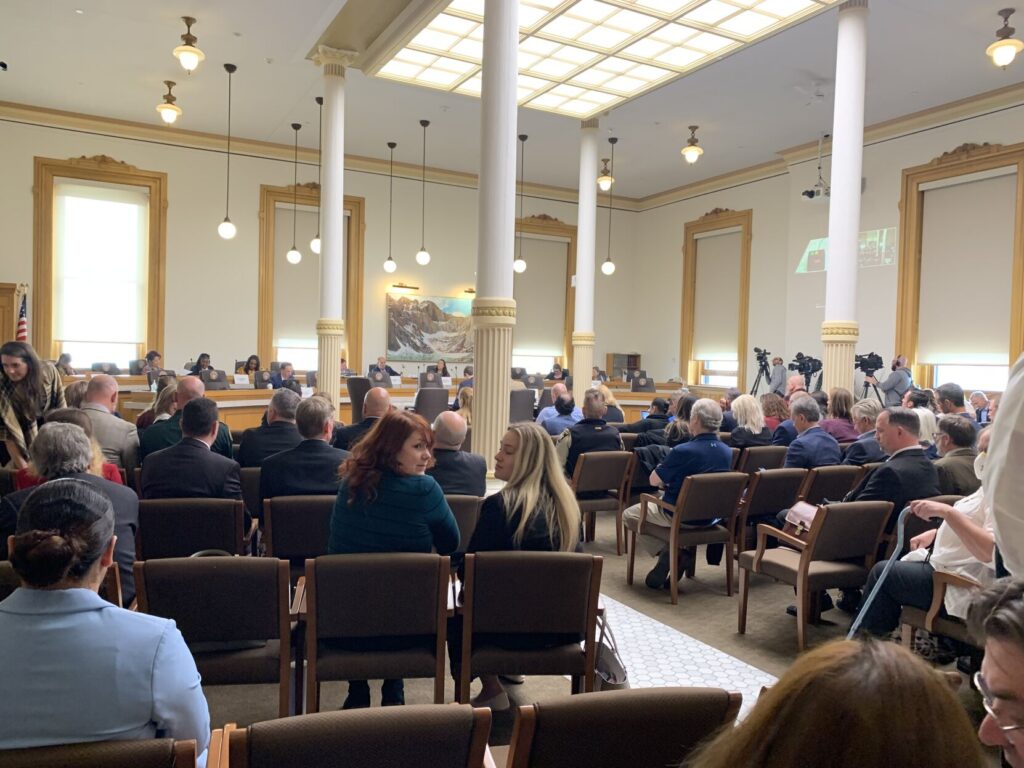
The executive committee of the legislative council — the six top leaders of the House and Senate — voted 5-1 Wednesday to make permanent the video livestreaming of committee hearings, starting in the 2026 legislative session, which begins Jan. 14....

Here’s where House retirements stand as clock strikes midnight on 2025
Rachel Schilke, Washington Examiner
rachel.schilke.washington.examiner@gazetteedit.wpenginepowered.com
Updated 1 day ago
The House will return on Jan. 6, and with it, some 10% of lawmakers will start their final year in the lower chamber, either retiring or seeking higher office in the 2026 midterm elections. The lower chamber will get its...
Colorado senator, local officials push for new Colorado Springs federal courthouse
Michael Karlik
michael.karlik@coloradopolitics.com
Updated 1 day ago
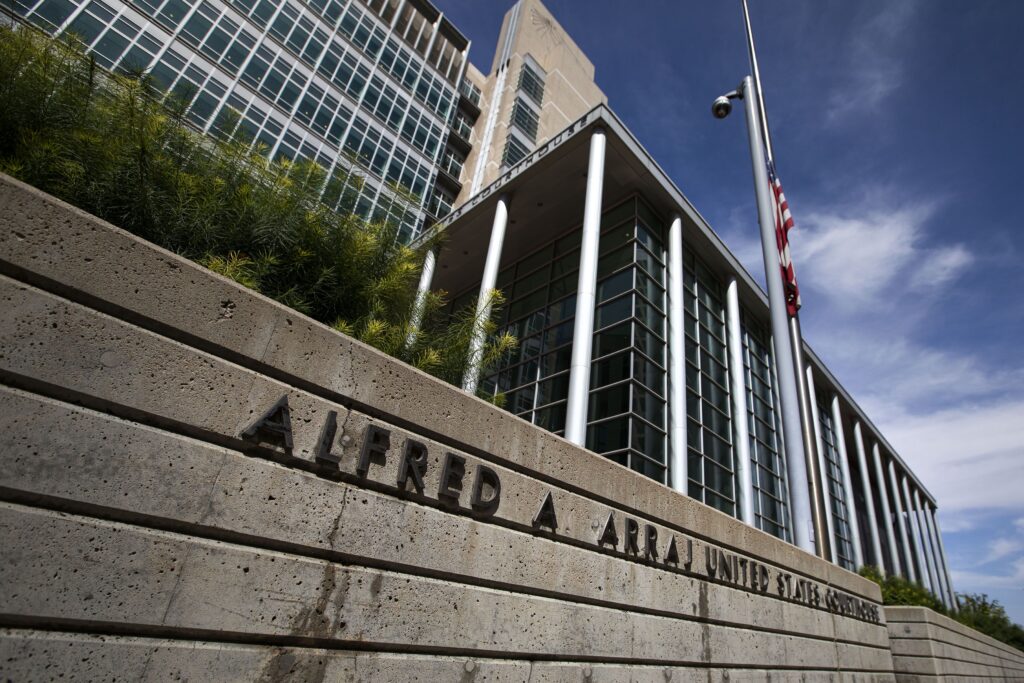
Local officials and one of Colorado’s U.S. senators urged the judiciary earlier this year to explore placing a new federal courthouse and judge’s chambers in Colorado Springs, while the district court is cautioning that Congress must establish new judgeships before...

SNAP recipients in five states will be banned from using assistance for candy and soda, beginning 2026
David Zimmermann Washington Examiner
davidzimmermannwashingtonexaminer@wpstage.coloradopolitics.com
Updated 1 day ago
More than 1.4 million recipients of the Supplemental Nutrition Assistance Program across five states will be banned from using federal food assistance for candy and soda purchases, starting Thursday. Indiana, Iowa, Nebraska, Utah, and West Virginia are the first group...

Trump’s first year back in office: Four successes and four failures
NAOMI LIM Washington Examiner
naomi-lim-washington-examiner@coloradopolitics.com
Updated 1 day ago
President Donald Trump is closing a seismic year as the country’s commander in chief. Since the first day of his second administration, when he issued 26 executive orders, 12 presidential memos, and four proclamations, the most first-day actions of any...
Gov. Polis appoints Lindstedt to Colorado Senate District 25 after vacancy committee misses deadline
Marianne Goodland
marianne.goodland@coloradopolitics.com
Updated 1 day ago
Despite a similar vote by a Senate District 25 vacancy committee last week, it was up to Gov. Jared Polis on Tuesday to make sure the Senate seat was filled and ready for the 2026 session. That’s because the vacancy...