

The intractable problem of homelessness – more questions than answers | SONDERMANN

Any column on the topic of homelessness – and, yes, this is one – should start with an acknowledgement of, “I don’t know.” At a minimum, “I am not sure.”
As complex, multi-faceted problems go, this challenge has proved utterly intractable. It continues to defy the best intentions of smart people of various political leanings.
Then-mayor John Hickenlooper set the mark of eliminating homelessness in Denver within 10 years. He prospered politically, but that pledge did not age well. More recently, former mayor Michael Hancock was less rhetorically lofty in his goals. He left office with the numbers of homeless spiking, notwithstanding endless dollars and countless new initiatives seeking to serve as remedies.
The count of homeless people in Denver, and plenty of other locales near and far, continues to grow.
Though an imperfect methodology, the latest point-in-time survey conducted by the Metro Denver Homeless Initiative showed a major increase in all categories. This included homeless families, as well as individuals in temporary shelter and those who fall under the “unsheltered” category – homeless people who sleep in public places, such as in streets or parks. People who are homeless for the first time rose by over 50%. The statistics paints anything but a pretty picture.
In Colorado Springs, the numbers offer some hope that the homeless count is declining at the margins, even if a recent drive around many parts of the city bore evidence that there are still way too many individuals living on the streets.
New Denver Mayor Mike Johnston was elected with an aspirational, even visionary, plan not just to combat homelessness, but to end it. Where Hickenlooper had set a 10-year marker, Johnston pledges to eliminate unsheltered homelessness during his initial four-year term.
He and his team have earned the right to put their plan in place. The bar he set may be unattainable even if many Denverites would settle for pronounced improvement.
That said, Johnston’s Day One declaration of a state of emergency smacked more of a photo-op than a long-term strategy. Portland has been under emergency orders since 2015, while the situation there has only deteriorated from bad to worse to atrocious.
As the magnitude of homelessness has grown, fatigue has emerged in many public corners. Every homeless person is a story of trauma and overpowering loss.
Though the quote is in some dispute among historians, Stalin is reputed to have said, “If only one man dies of hunger, that is a tragedy. If millions die, that is a statistic.”
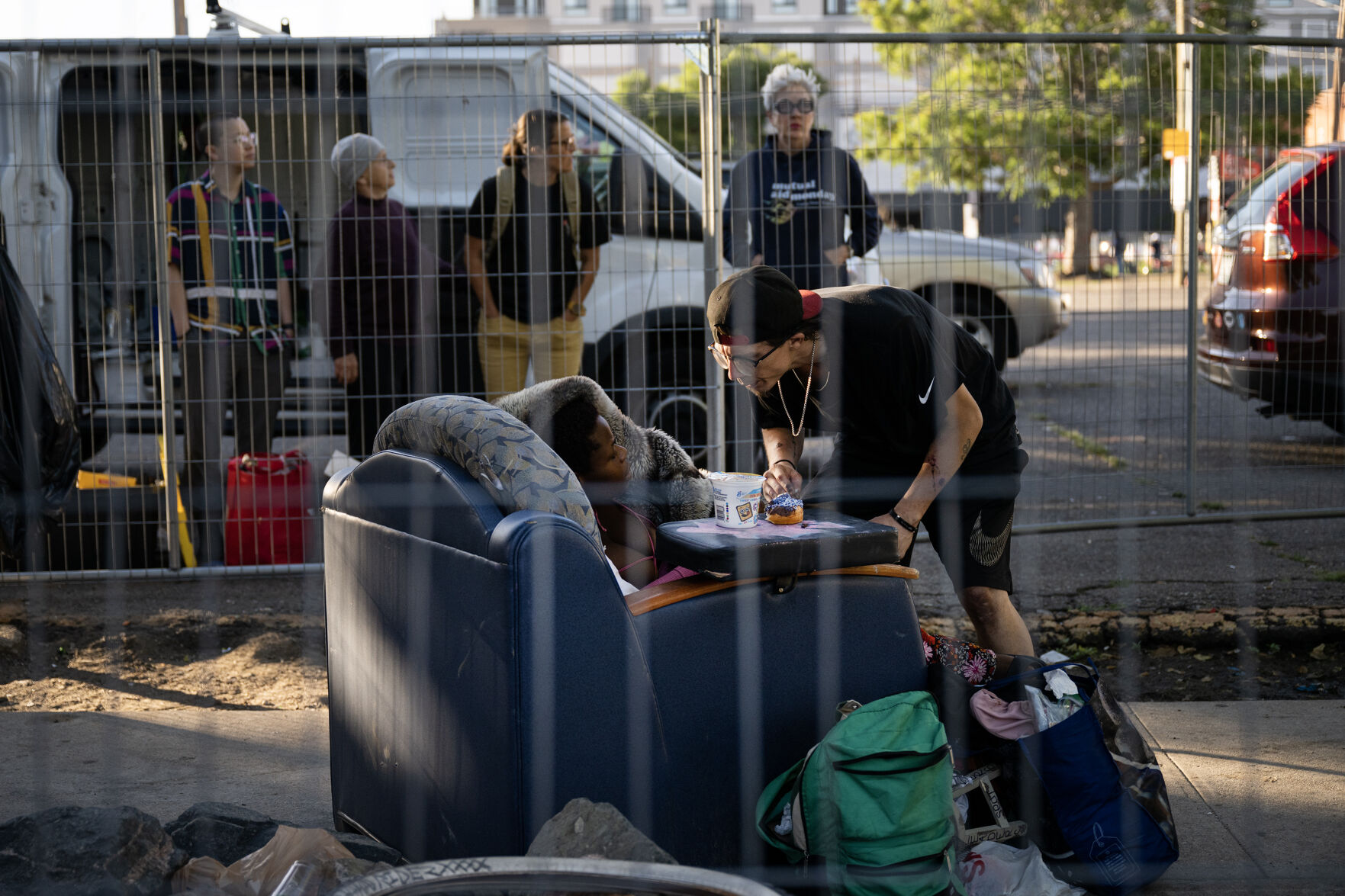
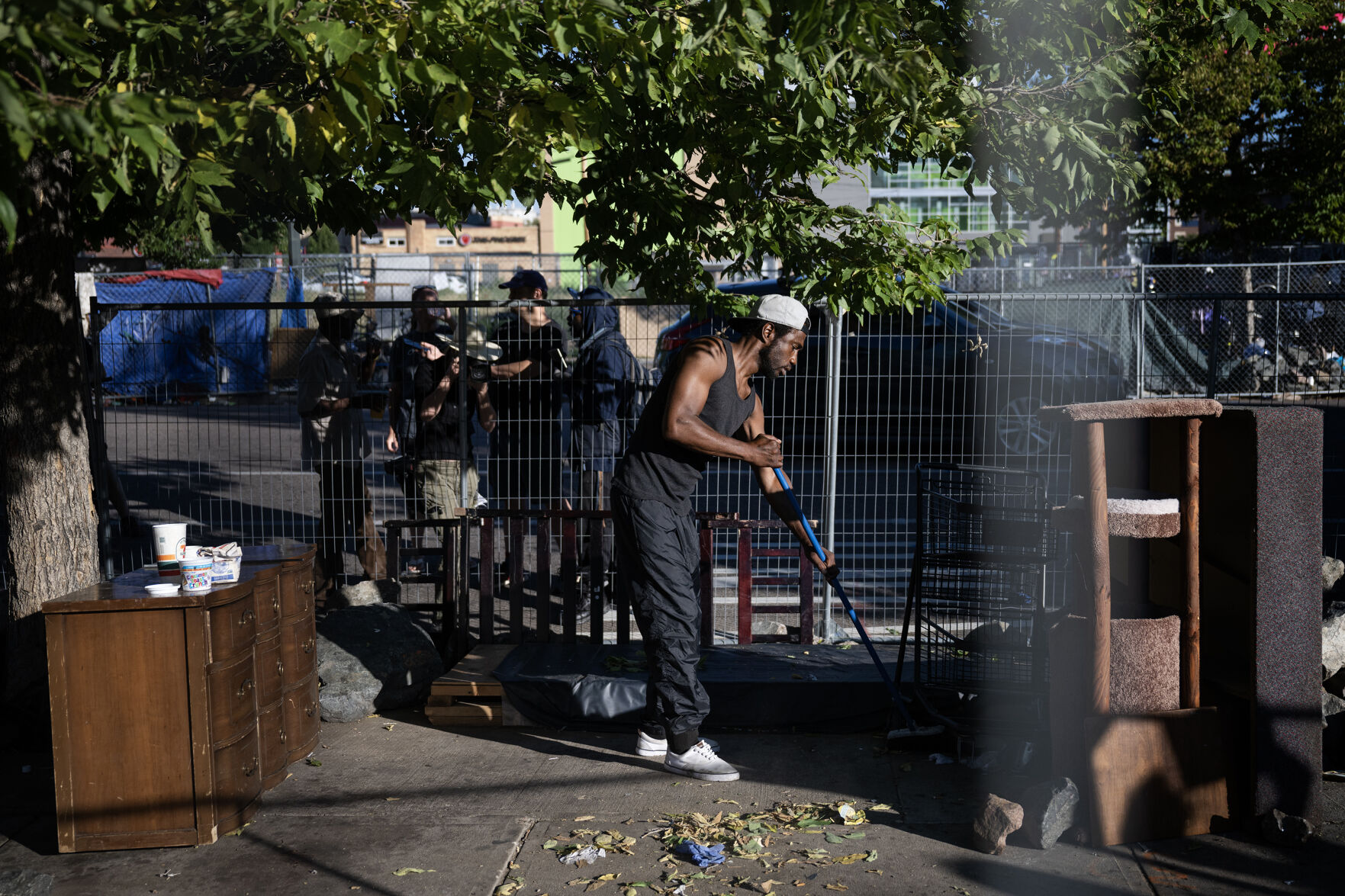
Sadly, that attitude applies to homelessness, as well. As the numbers have grown, encampments seem omnipresent, and once marquee parts of cities have become no-go zones, hearts have hardened. Passing by from the comfort of our air-conditioned car, we, too, often see the masses but not the individual faces.
One service provider with deep experience remarked that any solution depends on our willingness to ask hard questions. In that spirit, let me pose five.
Question 1: Is the umbrella term of homelessness even useful? To my thinking, that term really encompasses four distinct subpopulations. Included are those suffering severe economic dislocation; those we long ago called vagrants or hobos making a lifestyle choice to live free from society’s norms; those deep into psychosis; and, those with major substance addiction often involving the most harmful opioids.
Clearly, there is huge overlap between those last two sub-groups. For the largest part, they inhabit the most visible, dangerous encampments.
But what do these groups have in common beyond their lack of shelter? For those brought low by economic hardship, the answer lies in a roof, a job and a bit of financial support. Individuals making a lifestyle choice are uninterested in outreached hands or interventions.
Those suffering from crippling mental illness or addiction pose the most difficult challenge and require intensive therapy. A precondition in most cases is some willpower to get well.
Too often, we treat the homeless as a monolithic universe. That one-size-fits-all approach is itself part of the problem.
Question 2: Can the psychotic and addicted be managed and treated without tough interventions? Encampments are full of such suffering people. All too often, they reject housing options even if offered. Knowledgeable service providers attest that beyond just the increased numbers they are seeing, the acuity of these individuals is ramped way up.
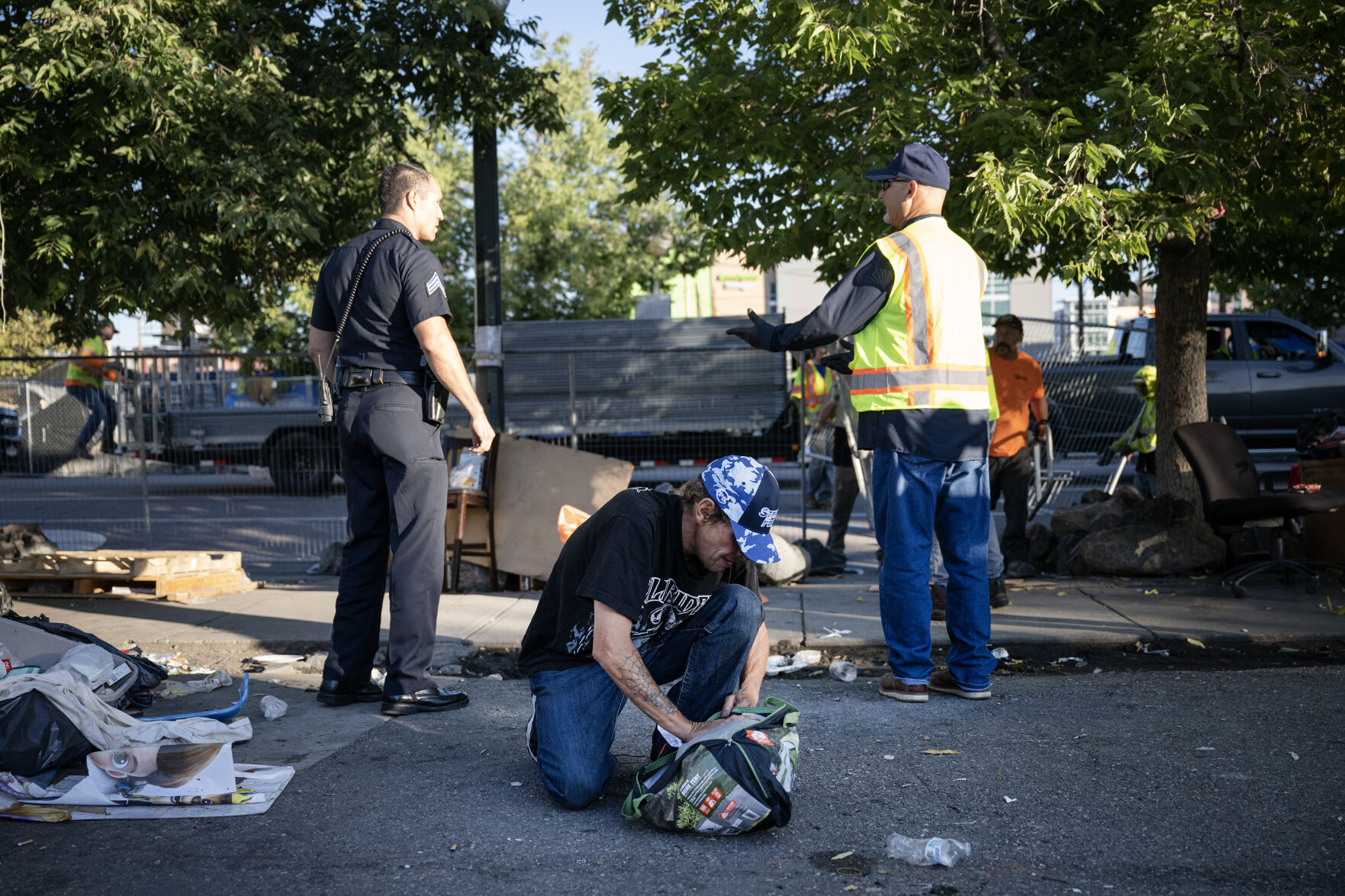
The dilemma lies in how to treat these people and give them even a chance of getting back on track without forcing them off the streets in some manner. It is true that sweeping encampments all too often results in a new tent city popping up two blocks away. But leaving encampments alone and accepting them as a semi-permanent part of the landscape is not the answer, either.
Denver’s Johnston used the public health imperative of a rat infestation to shut down his first campsite. But he appears reluctant to use that power broadly. With a different political calculus, Mayor Yemi Mobolade in Colorado Springs faces similar choices.
Color me dubious that meaningful progress will be achieved absent such interventions. Clearing camps might be a necessary precondition to cleansing the deeply troubled inhabitants and giving them any hope for a different life.
Question 3: How do you balance the rights of the homeless with the rights of others? This is perhaps the root of the issue. Our hearts can go out to the homeless and our wallets can open, but that does not put all equities in their corner.
A friend who runs a hair salon tried to open a shop at the corner of 22nd and Champa, a block from the encampment just swept by Johnston’s team. There was a proliferation of tents around her business, too, as there are for blocks in all directions. Needless to say, her investment in that location went down the drain. What do we say of her rights and those of similarly-situated small business owners, employees and residents?
Question 4: Is funding the variable that will solve this problem? It is not as if Denver is trying to deal with the homelessness issue on the cheap.
When Hancock moved into the mayor’s office 12 years ago, the city’s budget for homeless programs was a mere $8 million. By 2022, Hancock’s last full year in office, that number had exploded to $152 million with $254 million budgeted for the current year. That’s an increase of over 67% from 2022 to 2023.
This year’s allocation comes to roughly $53,000 per homeless individual.
Across the metro area, spending on services and programs is estimated to reach $660 million this year, a 42% increase over just two years ago.
A reasonable person must ask what we are getting for these rapidly accelerating sums. Someone with more skeptical instincts might inquire whether this largesse is improving the situation and leading to a solution or whether it is compounding the tragedy.
What little I remember from college psychology classes centers on B.F. Skinner’s lessons on behaviorism. That thesis holds that positive reinforcement leads to more of a given behavior. Could elements of that be applicable here? In our yearning to do the right thing and our unrestrained money, are we perhaps making the problem worse?
It is a fair query. Places such as Portland, San Francisco, Los Angeles and others are testimony that vast funding, overlaid with indiscriminate welcoming tolerance, is not a fix but can actually magnify the problem and add to the burden.
Question 5: How is compassion best exercised?
Let’s conclude with a few words about a critical trait that virtually all good citizens display in one way or another. That is compassion for the travails and anguish of our fellow man or woman.
We are a compassionate people, even if that quality is sometimes taxed by the magnitude and growth of those needing help. However, there is an active, legitimate debate about what form that compassion takes and how it is most useful.
Some believe the best course is to give that dollar to the panhandler and to support the right of the homeless to live on the streets indefinitely with minimal interference. I might disagree with the judgment of such folks, but I do not doubt their good heart or intent.
Others favor an approach grounded in tougher love and find it completely lacking in compassion to allow suffering people, especially those in the bottomless depths of mental illness and substance abuse, to live their days and nights in encampments absent the basics of human dignity.
The fact that people disagree on the prescription is not a reflection on their goodwill or compassionate heart.
This issue is as vexing as any society currently faces. An extra dose of humility is called for among policymakers and service agencies alike. Commentators, too. Anyone who professes to have a ready-made solution is fooling themselves and you.

Hail drives up to 54% of homeowners’ insurance premiums in parts of Colorado
Marissa Ventrelli
marissa.ventrelli@coloradopolitics.com
Updated 2 days ago
Hail is the largest cost driver of homeowners’ insurance spikes in many parts of the state, according to data collected by the Colorado Division of Insurance. The department requested data from 20 homeowners’ insurance carriers to calculate average premiums and...
Gov. Polis, Democratic lawmakers introduce trio of housing affordability bills
Marissa Ventrelli
marissa.ventrelli@coloradopolitics.com
Updated 3 weeks ago
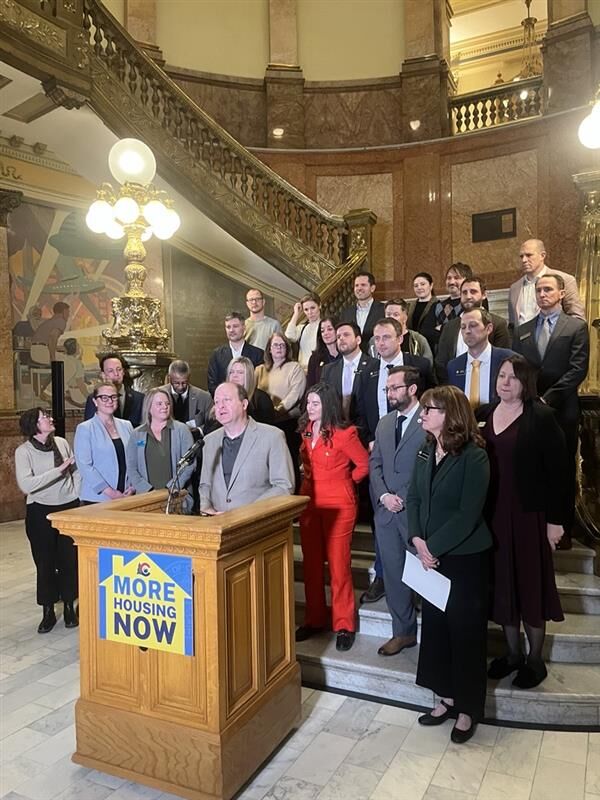
Democratic lawmakers were joined by housing advocates and Gov. Jared Polis at the Capitol on Wednesday to announce a trio of bills they say will increase affordable housing in Colorado. “This session, Colorado Democrats are focused on lowering costs, and...

Denver District 10 launches test program to pay pet deposits
Deborah Grigsby
deborah.smith@denvergazette.com
Updated 4 weeks ago
Denver’s self-proclaimed “pet whisperer,” Councilman Chris Hinds, has launched a new program to help renters avoid having to choose between a home and their pet. Funded through Hinds’ own council budget, the program seeks to prevent relinquishment, as well as...
Construction in 2025: Commercial development in Colorado Springs dominates the scene, single- family homes see slight decline
Alexander Edwards
alexander-edwards@coloradopolitics.com
Updated 1 month ago
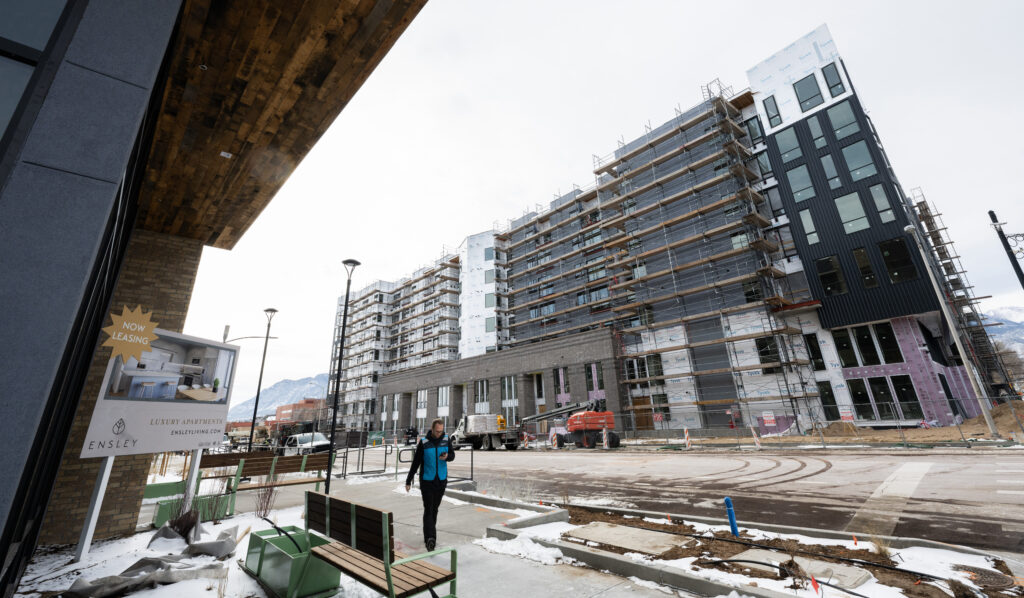
Commercial construction dominated the Colorado Springs building scene in 2025. Nearly 400 permits for new commercial projects were approved by the Pikes Peak Regional Building Department last year, according to a news release issued Monday. This is up 31% compared...

Polis-backed HOME Act aims to increase Colorado housing near transit, businesses
Marissa Ventrelli
marissa.ventrelli@coloradopolitics.com
Updated 2 months ago
Gov. Jared Polis and Democratic House Speaker Pro Tempore Andrew Boesenecker on Tuesday unveiled proposed legislation aimed at reducing barriers to building “affordable” housing. The bill, known as the HOME Act, will enable the construction of more new homes near...
Regulatory layers turn cost of doing business in Colorado into ‘death by a thousand cuts’ | FISCAL ROCKIES
Marianne Goodland
marianne.goodland@coloradopolitics.com
Updated 2 months ago
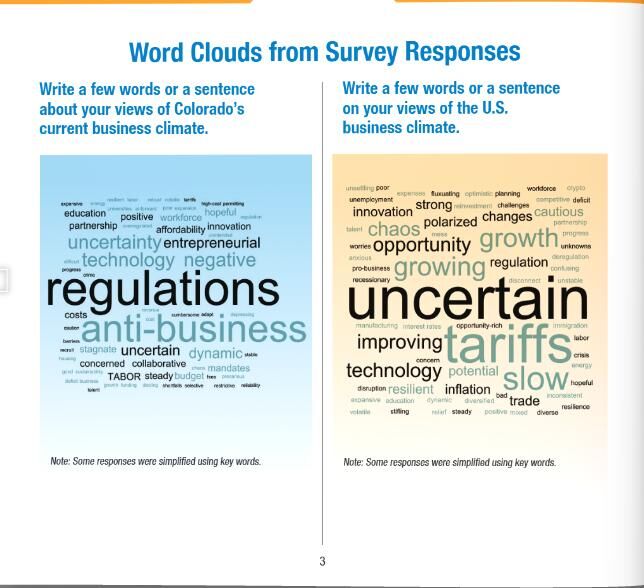
Editor’s Note: Once among the nation’s fastest-growing economies, Colorado today confronts mounting challenges that threaten its momentum. This series reveals how a state once defined by prosperity is navigating economic cliffs and ridges. We explore the impact that increased regulations, tariffs,...

Clash of the titans: Democratic race for governor pits two candidates similar in focus, but very different in style | Vince Bzdek
Vince Bzdek
vince.bzdek@gazette.com
Updated 2 months ago
By Vince Bzdek The race for governor is shaping up to be a clash of Democratic titans, U.S. Sen. Michael Bennet and Attorney General Phil Weiser. They are two of Colorado’s highest profile politicians with deep track records who...

Q&A: Colorado Chamber of Commerce CEO sees warning signs for state economy, despite strengths | FISCAL ROCKIES
Thelma Grimes
thelma.grimes@coloradopolitics.com
Updated 2 months ago
Editor’s Note: Once among the nation’s fastest-growing economies, Colorado today confronts mounting challenges that threaten its momentum. This series reveals how a state once defined by prosperity is navigating economic cliffs and ridges. We explore the impact that increased regulations, tariffs,...

Once a step ahead, Colorado’s economy cools, burdened by rising costs and regulations | FISCAL ROCKIES
Thelma Grimes
thelma.grimes@coloradopolitics.com
Updated 2 months ago
Editor’s Note: Once among the nation’s fastest-growing economies, Colorado today confronts mounting challenges that threaten its momentum. This series reveals how a state once defined by prosperity is navigating economic cliffs and ridges. We explore the impact that increased regulations, tariffs,...

Will pilot program ease Colorado developers’ funding application pain?
Marianne Goodland
marianne.goodland@coloradopolitics.com
Updated 3 months ago
When a developer wants to build affordable rental housing, plenty of tax credits and funding sources are available from myriad nonprofits, private companies and government agencies. Developers often cobble together financing from multiple sources, as well as add in “gap”...
PREV
PREVIOUS

Despite law, 1 in 6 Colorado judges doesn't have financial disclosures filed, some for years
Colorado Watch logo About 1 in 6 judges across Colorado this year does not have their personal financial disclosure statements on file with the Secretary of State’s Office, despite a law that requires it every January, a Gazette review has found. In the worst examples, nearly two dozen judges who sit on a Colorado district […]

Compensation for New Mexico wildfire victims tops $14 million, is climbing | OUT WEST ROUNDUP
NEW MEXICO Compensation for wildfire victims passes $14 million ALBUQUERQUE – More victims of a devastating wildfire sparked last year by the U.S. Forest Service in northern New Mexico are getting compensated, with payouts to landowners totaling more than $14 million by the week of Aug. 7, federal emergency managers said. Congress set aside nearly […]